REVIEW · CASABLANCA
7-days: Casablanca to Chefchaouen then Fes and Sahara Desert – Camel Trekking
Book on Viator →Operated by Sahara Riders · Bookable on Viator
One week. Serious Morocco variety.
This route threads Chefchaouen’s blue medina into the oldest streets of Fez, then heads straight for the dunes near Erg Chebbi where you ride and sleep under a Berber tent. You’re in a small group (up to 20), with a guide and driver handling the long drives so you can focus on the sights.
What I like most is the mix of hands-on moments and guided context: guided time in Fez el-Bali, plus desert time where the stars and silence are the point. I also like that the tour builds in practical stops like Ras El Maa, Ifrane, Ziz Valley, and Todra Gorge, so you’re not just hopping from city to city with no in-between payoff.
One possible drawback is how much road time you’ll cover across 7 days, especially once you’re leaving the desert and climbing into mountain passes. And while breakfasts are included, lunch and dinner are on your own, so budget for meals along the way.
In This Review
- Quick Hits
- Casablanca Pickup and the Hassan II Mosque Timing That Actually Matters
- Chefchaouen in the Rif: Blue Doors, White Walls, and a Real Rhythm
- Fez el-Bali With a Guide: Getting Past the Maze
- Ifrane, Azrou Monkeys, and the Road to the Sahara
- Erg Chebbi Desert Day: Camel Trek, Sunset, and Berber Tent Sleep
- Todra Gorge After the Dunes: The Grand Canyon Moment
- The Route Into Marrakech: Pink Roses, Amridil, Ait Ben Haddou, and Tizi n Tichka
- Price and What You’re Buying for About $2,320 Per Person
- Who This 7-Day Group Tour Suits Best (and Who Might Want Something Else)
- Should You Book This Casablanca to Marrakech Sahara Tour?
- FAQ
- Where does the 7-day tour start and end?
- What time does the tour start?
- How long is the tour?
- Is this a group tour, and what’s the group size?
- Are breakfasts included?
- Do you include a camel trek and a desert overnight?
- Which major sights are covered in the route?
- Is the Lake of Merzouga stop included?
- Is the tour affected by weather?
- What is the cancellation window?
- Are service animals allowed?
Quick Hits
- Chefchaouen on arrival day: blue-and-white medina streets plus a quick stop at Ras El Maa.
- Fez with a local guide: Madina highlights, the Jewish quarter, and ceramic workshops.
- Ifrane and Azrou: a stop in the Swiss-of-Africa town style, then monkey-spotting near the cedar forests.
- Erg Chebbi desert evening: sunset colors, plus optional seasonal flamingos at Lake of Merzouga.
- Todra Gorge + Berber co-operative: a classic Grand Canyon-style gorge and rug/kilim shopping with context.
- Ait Ben Haddou and Tizi n Tichka: fortified kasbah views and a big mountain pass day into Marrakech.
Casablanca Pickup and the Hassan II Mosque Timing That Actually Matters
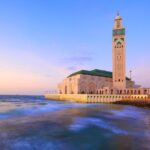
Your day starts early: pickup from your hotel or the airport, with the meeting time listed as 8:00 am. If you land a day earlier, the plan suggests an extra chance at the Hassan II Mosque. Even if you don’t, you can still connect with Casablanca’s scale and coastline vibe before you head north-west—or rather, before the tour begins stacking inland highlights.
Here’s the real tip: mosque access can depend on your actual arrival timing. If you do get the chance, treat it as a calm start. Don’t fill the morning with shopping or rushing. A big religious site is the kind of place where you’ll enjoy it more if you’re not sprinting through it.
Also, this is the kind of start that sets expectations. You’re paying for logistics as much as sightseeing—pickup, transit, and a guide to explain what you’re seeing—so you’ll want to use that benefit instead of trying to improvise your own schedule.
You can also read our reviews of more tours and experiences in Casablanca.
Chefchaouen in the Rif: Blue Doors, White Walls, and a Real Rhythm
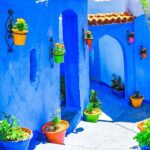
Chefchaouen is the kind of place where the first view hits you fast. The tour drives you from the Rif mountains into the medina for that iconic blue-door and white-walled look. After breakfast, you’ll settle in for your overnight, with time at the main square and around the Kasbah area.
You’ll want to walk slowly here. The medina is not just a photo stop. You get the heart of it—central mosque, cafes, and a market area that blends traditional Moroccan goods with tourist-friendly items. That combination can be a little mixed, but it’s also why Chefchaouen is such an easy place for a first night: you can eat, wander, and get your bearings without needing a big plan.
Ras El Maa is a short stop on the way in, which makes sense. It keeps the day from feeling like a straight drive-only day. Even if your time is brief, it breaks up the route and gives you another excuse to stretch your legs.
Potential drawback: Chefchaouen is at the start of your trip, when jet lag can still be hanging around. If you’re tired, don’t force a long hike. Do the medina loop, then prioritize an early dinner and sleep.
Fez el-Bali With a Guide: Getting Past the Maze
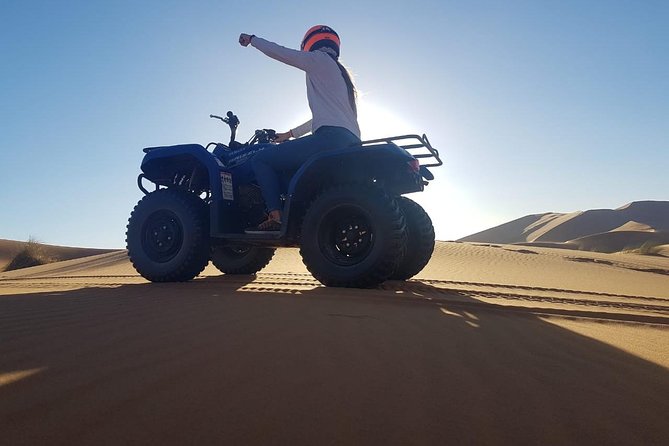
Fez is where Morocco’s “old city” feeling becomes real. You’ll get a drive of about 4 hours from Chefchaouen to Fez, then your first contact with Fes el-Bali on your own.
That matters because it gives you a low-pressure intro. You can see how the medina layout feels—tight lanes, dense building fronts, and the constant motion of people. If you go straight into a full guided tour without a warm-up, you’ll spend energy trying to figure out where you are instead of listening.
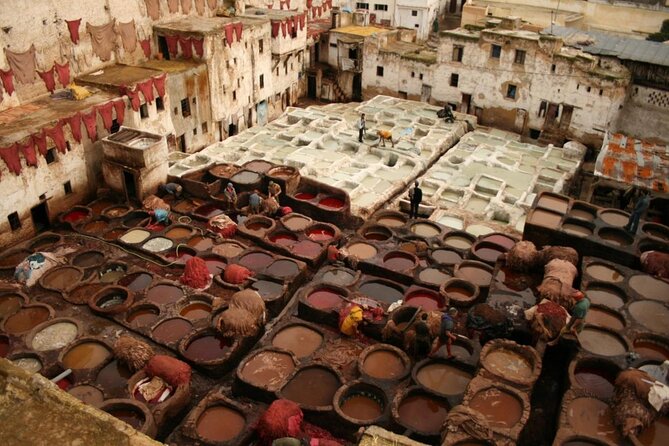
Then the next day, you’ll explore with a local guide. The tour includes outside views near the King’s palace, plus time in the Medina, the Jewish quarter, and ceramic manufactories. I like this structure: your first day helps you understand the scale, and the guided day gives meaning to what you see.
If you want this to be your best day in Fez, wear shoes that handle uneven stone and plan to ask questions. A good guide can turn a maze into a story, especially when you’re learning how different crafts and communities shaped the city.
Ifrane, Azrou Monkeys, and the Road to the Sahara
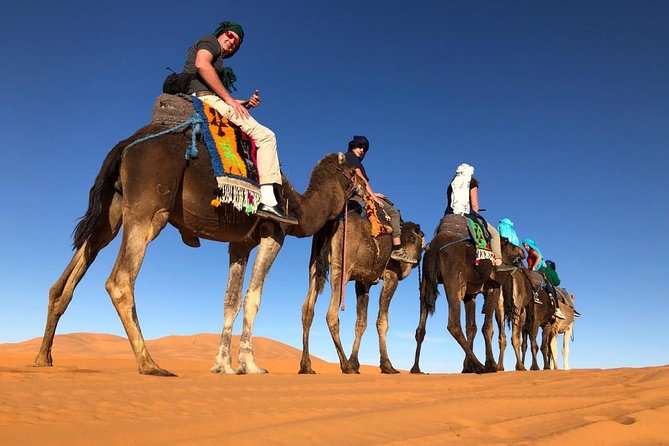
This is your long-drive day, but it doesn’t feel like one long blank highway. After breakfast, the route pauses in Ifrane, often described as the Swiss of Africa for its town style. It’s a strange but useful contrast after the older medinas. Then you continue to Azrou, where you can spot wild monkeys near the cedar forests.
This is one of those stops that sounds simple, but it’s actually a morale booster. It breaks the monotony of driving and gives you a quick nature moment without committing to a full hike.
From there, you shift into desert-road scenery with stops through Ziz Valley, including canyon views. You also stop for fossils, which is a detail most Morocco itineraries skip. It’s small, but it keeps the day educational, not just scenic.
By evening, you reach Erg Chebbi and overnight in a hotel. The timing is smart: you arrive before the desert night part, so the next day can start with the desert experience rather than delaying it.
Practical note: this day is more about changing environments than lingering in one place. Pack a good layer for the car ride, and expect long stretches between stops.
Erg Chebbi Desert Day: Camel Trek, Sunset, and Berber Tent Sleep
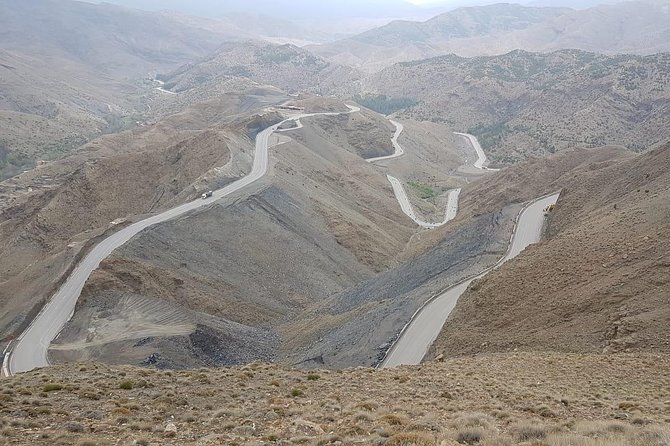
This is the moment many people book Morocco for, and the tour delivers the basics: desert ride, camp time, and that overnight Berber tent night.
The day starts with Merzouga area exploring. There’s a Lake of Merzouga stop if water is available, and flamingos may show up seasonally. This is worth noting because seasonal “maybe” things can feel frustrating if you arrive expecting certainty. The good part is that even without flamingos, you’re still in the Merzouga setting where the scenery does the work.
Next you stop at Khamlia for lunch, described as Berber pizza. Since only breakfasts are listed as included, treat lunch here as your on-your-own meal opportunity. Still, it’s a good “taste the region” stop, and it keeps your desert timing smooth.
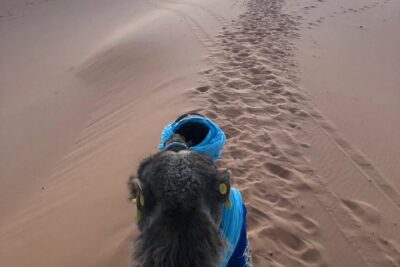
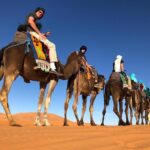
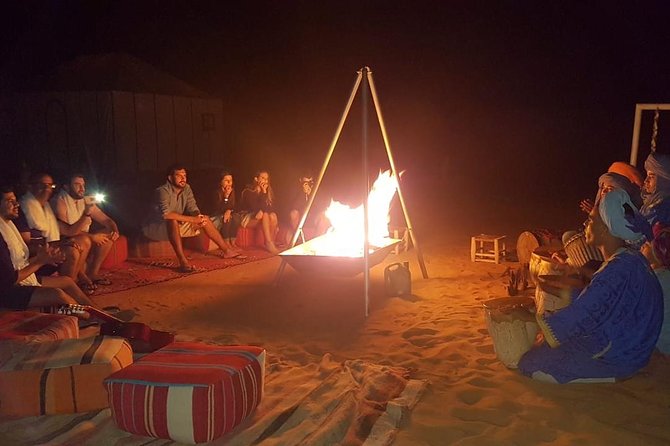
Then come the camels: you’ll do camel trekking to the desert camp. After that, you’ll have sunset time, which is exactly what you want in this setting—light changing fast, shadows stretching, and fewer people competing for the best photo angle.
Why I think the tent sleep is a strong value: you’re not just driving past the desert. You’re staying out there long enough for the day to turn into night. The quiet after sunset can feel like a reset, and that’s the point of a desert night.
Possible drawback: camel rides and sand walking take energy. If you’re sensitive to physical discomfort, plan for slower pacing and take breaks when needed. The tour does this for one night, not multiple, so it’s a “try it and enjoy it” version rather than an all-day endurance challenge.
Todra Gorge After the Dunes: The Grand Canyon Moment
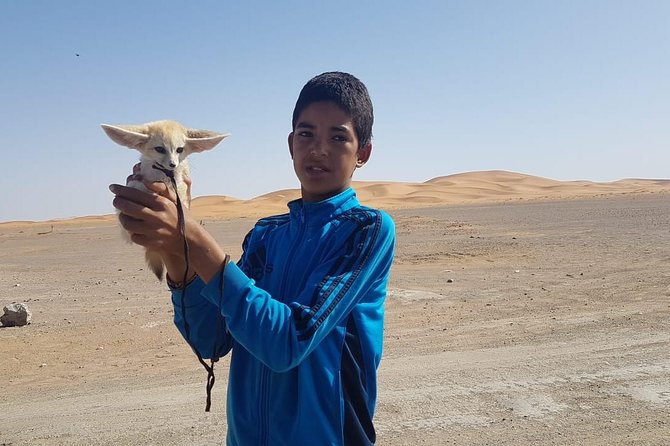
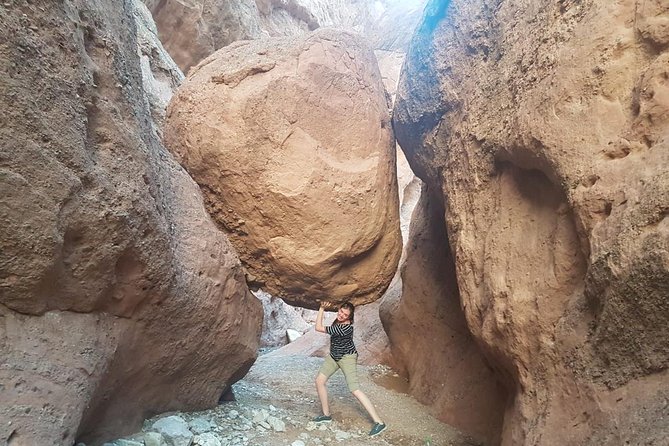
Leaving the desert doesn’t mean the trip slows down. On day 6, you head toward Todra Gorge, a natural squeeze of limestone with vertical cliff walls. The tour notes it as Morocco’s Grand Canyon, and it’s the kind of place where your brain finally catches up with the scale you’ve been driving through for days.
There’s also a stop connected to craft culture: a chance to visit a Berber co-operative where you can see and buy handmade rugs, kilims, and carpets. This is one of those “shop with context” stops. Instead of buying a souvenir with no story, you get to associate the items with the people and the making process.
Overnight is in Boumalne Dades, which is a good move after Todra. It keeps you in the “valley” zone, so you can wake up feeling like you’re still in Morocco’s physical variety, not immediately back in city life.
Tip: Todra is a photo magnet. Don’t just aim for one viewpoint. Walk a little along the gorge edges if it’s safe and permitted. You’ll understand the cliffs better after you move your perspective.
The Route Into Marrakech: Pink Roses, Amridil, Ait Ben Haddou, and Tizi n Tichka
Day 7 is a classics day—more stops, but with meaning. You start with a pink roses valley visit tied to rose products. It’s not just a color moment; it’s about how an agriculture-based product becomes part of local culture and commerce. Expect photo time and product-focused stops.
Then you visit Amridil, described as one of the best kasbahs. This matters because kasbahs aren’t just pretty walls. They’re a view into how communities built for defense and survival in this landscape.
Next up is the city of cinema, which typically means Ouarzazate area. Even if you’re not a film fanatic, it’s a fun contrast: Morocco isn’t only ancient cities and deserts. It’s also a modern location where sets and studios leverage the same dramatic scenery.
You then hit Ait Ben Haddou, one of Morocco’s most famous fortified kasbah sites. The tour includes time to visit the old kasbah there. This is the part where you’ll feel the “stop the car and walk into history” effect. The walls and courtyards create a natural way to take photos without needing to chase the perfect angle.
Finally, you cross Tizi n Tichka, a mountain pass with panoramic views, then end your services in Marrakech.
If you’re thinking about packing: this is your last long day on the road. Bring what you need for quick photo stops and wear layers. Mountain pass weather can be unpredictable, and the driving schedule doesn’t pause for wardrobe changes.
Price and What You’re Buying for About $2,320 Per Person
At $2,320.48 per person for about 7 days, this isn’t a budget trip. You’re paying for more than rides between sights.
First, you’re paying for the “hard parts” of Morocco travel: transfers, timing across regions, and a guide to explain what you’re looking at. In customer feedback, guides such as Youssef are repeatedly praised for being professional and personable, and for sharing stories with clear pride in Moroccan culture. You also see names like Mohamed show up as drivers who keep the ride calm and organized.
Second, you’re paying for overnight experiences that aren’t easy to DIY. The desert includes a camel trek and a Berber tent night. That combination is usually where tours earn their keep, because it takes planning, specialized local transport, and coordination with desert camps.
Third, certain key stops include admissions or tickets. The route flags items like the Hassan II Mosque entry as free (when applicable), the Lake of Merzouga visit as included, and Todra Gorge as included.
So what should you expect in return? More structure. Fewer decisions. Less time lost asking strangers for directions. If you want a week that feels like Morocco’s highlights connected by a single thread, the price can start to make sense.
Who This 7-Day Group Tour Suits Best (and Who Might Want Something Else)
This tour fits well if you want a guided route through multiple regions without the stress of planning your own transport between cities. A small group size (up to 20) also keeps it social, without turning it into a massive bus-fight.
It’s especially good for:
- First-time Morocco visitors who want Chefchaouen + Fez + Sahara in one trip
- Travelers who enjoy history and culture explanations along the way
- People who like the idea of a camel trek and an overnight desert camp, without turning it into an endurance trip
It may be less ideal if:
- You dislike long driving days. This route includes big transitions, especially by the time you head toward Erg Chebbi and then again toward Marrakech.
- You’re strict about included meals. Only breakfasts are included, so you’ll make choices at lunch and dinner stops.
If you’re traveling as a group of friends, this format can work nicely because you’ll likely meet people along the way. If you’re the type who needs constant free time, you might find the schedule tighter than you want.
Should You Book This Casablanca to Marrakech Sahara Tour?
If you want a clean, high-impact Morocco week with Chefchaouen, guided Fez, desert camel trekking, Todra Gorge, and Ait Ben Haddou, I think this is a strong choice. The biggest draw is the way the tour strings together culture and nature with actual sleep in the places you’re seeing—especially that desert night.
Book it if:
- You’d rather pay for logistics than manage them
- You’re excited by the idea of a Berber tent night and a camel trek
- You value a guide who explains what you’re seeing, with names like Youssef and Mohamed showing up in positive customer feedback
Consider another option if:
- You’re hoping for lots of unstructured downtime. This route is built around moving and seeing
- You want a tour where all meals are included. Here, only breakfasts are listed as included
If your travel style matches, this looks like one of those Morocco itineraries that feels full but not chaotic—just a lot of beautiful driving toward the sights you came for.
FAQ
Where does the 7-day tour start and end?
The tour starts in Casablanca and ends in Marrakech. Pickup is offered from your hotel or the airport.
What time does the tour start?
The meeting/start time is listed as 8:00 am.
How long is the tour?
It’s listed as 7 days (approx.).
Is this a group tour, and what’s the group size?
Yes, it’s a group trip with a maximum of 20 travelers.
Are breakfasts included?
Yes. All breakfasts are included, while other meals are up to you.
Do you include a camel trek and a desert overnight?
Yes. You’ll ride out into the desert and sleep in a Berber tent one night, with camel trekking to the desert camp included.
Which major sights are covered in the route?
The route includes Chefchaouen, Fez (Fes el-Bali), the Sahara desert near Erg Chebbi, Todra Gorge, and Ait Ben Haddou, plus Tizi n Tichka on the way into Marrakech. The Hassan II Mosque visit may be possible depending on arrival timing.
Is the Lake of Merzouga stop included?
The plan includes a stop at the Lake of Merzouga to see flamingos if water is available, and it is listed as admission ticket included.
Is the tour affected by weather?
Yes. The experience requires good weather. If it’s canceled due to poor weather, you’ll be offered a different date or a full refund.
What is the cancellation window?
Cancellation is listed as free up to 24 hours in advance for a full refund. If you cancel less than 24 hours before the start time, the amount paid is not refunded.
Are service animals allowed?
Yes. Service animals are allowed.