REVIEW · ANNAPURNA CIRCUIT
Annapurna Circuit Trekking 13 Days
Book on GetYourGuide →Operated by Adventure Bound · Bookable on GetYourGuide
High altitude tests your grit fast.
The Annapurna Circuit is one of Nepal’s classic treks because it mixes big mountain views with real village life, then throws in the technical Thorong La Pass at 5,416m. I like that you also get Tibetan Buddhist culture in Manang and that the trail keeps changing altitude and scenery as you go.
What I like most is the way this trek is run like a plan, not a scramble. You’ll travel in a small group (max 12) with a government-licensed guide, and that matters when you’re dealing with cold, altitude, and long hiking days. In two separate real-life examples, the owner Laxman was described as proactive and on top of formalities, while guides like Ganesh impressed with patience and mountain knowledge; if you can request, the name Rabin also gets a strong nod.
One thing to consider: this is a high-altitude trekking circuit. Even with an acclimatization day at Manang and gear support like an oximeter and first aid supplies, your body still has to do the work on steep climbs and the pass crossing.
In This Review
- Key things that make this trek worth your time
- Annapurna Circuit: a trek that changes its personality every few days
- Day-by-day flow: what each stretch feels like
- From Kathmandu to Jagat, then into the Marshyangdi River Valley mood
- Dharapani to Chame: higher, cooler, more “trekking country”
- Chame to Pisang, then toward the Tibetan influence
- Manang acclimatization day: not optional, even if it feels slow
- Manang to Yak Kharka: the climb starts speaking louder
- Yak Kharka to Thorong Phedi: preparing your body for the pass
- The Thorong La day: technical crossing at 5,416m
- After the pass: Muktinath, Kagbeni flavor, and the Kali Gandaki wind corridor
- Tatopani: the hot springs and a well-timed recovery
- Ghorepani and Poon Hill: the quieter finale with real payoff
- Lodges, meals, and the value of included gear
- Price and what you really get for $970
- Guides, group size, and why small matters on a pass trek
- Seasons and timing: when this trek makes the most sense
- Should you book this Annapurna Circuit trek?
- FAQ
- How long is the Annapurna Circuit Trek?
- Where does the trek start and how do you get there?
- What’s included in the trek price?
- What’s not included?
- Do they provide trekking gear?
- How big is the group?
- What languages will the guide speak?
- What time of year is best?
- Is there an acclimatization day?
Key things that make this trek worth your time
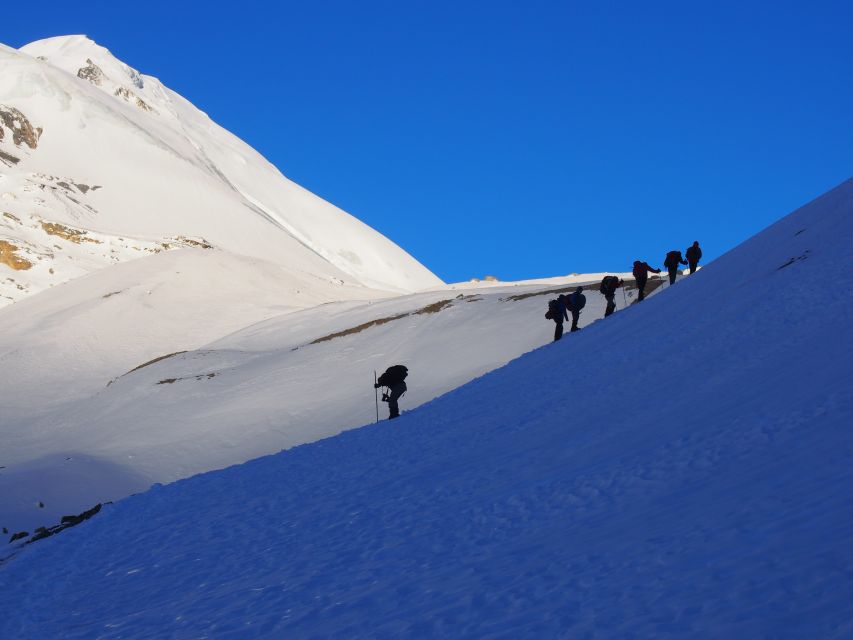
- Thorong La Pass (5,416m): the day that combines effort with payoff—plus the trail feels technical rather than just scenic
- Manang’s Tibetan Buddhist culture: a different cultural tone than the lower valleys
- Muktinath + Kali Gandaki winds: spiritual stop plus the feel of the famous wind corridor
- Tatopani hot springs: a practical reset day after tougher terrain
- Poon Hill at 3,210m: an early hike finish that’s less intimidating than the main pass but still gives strong views
Annapurna Circuit: a trek that changes its personality every few days
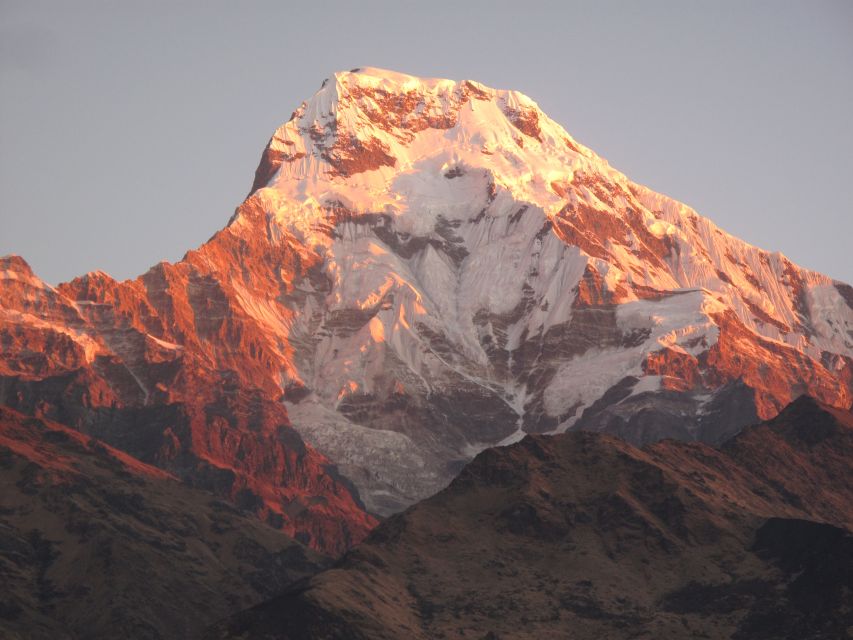
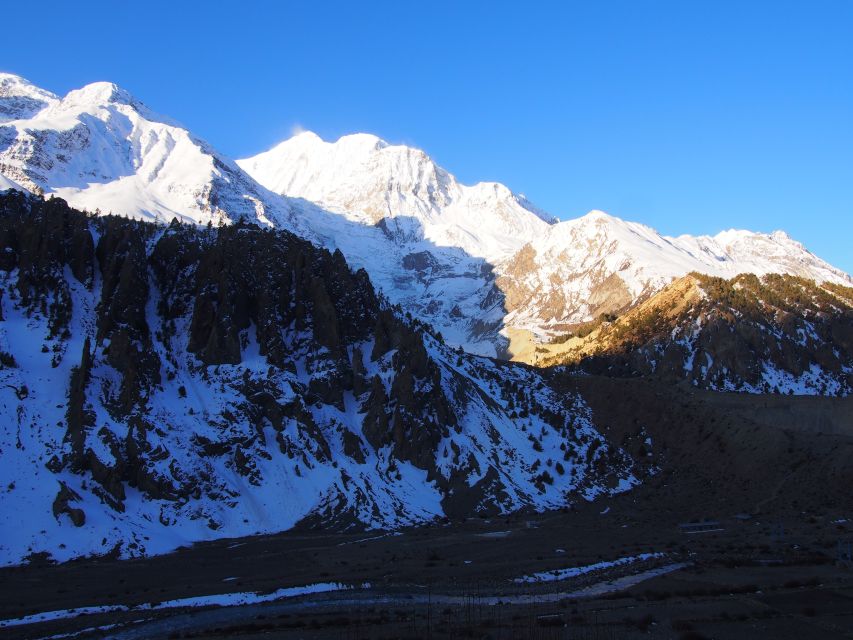
You’re not walking the same kind of trail twice on the Annapurna Circuit. One day it’s greener river-valley hiking with waterfalls and forested sections. Next, you’re climbing toward drier, higher terrain where the air feels thinner and the views get harsher—exactly what makes the “circuit” idea work.
On this 13-day route, you start by getting from Kathmandu into the trekking rhythm fast: a drive from the city area to Jagat, then a multi-day progression through places like Dharapani, Chame, and Pisang. The pattern is steady—walk uphill, sleep at altitude, then keep your pace consistent—so you build endurance without turning every day into a race.
Two parts I really like about how the route is paced:
- It includes an acclimatization day at Manang, which gives your body time to adjust before the big climb toward the pass.
- It uses a logical “move higher, then recover” flow before and after Thorong La.
Day-by-day flow: what each stretch feels like
From Kathmandu to Jagat, then into the Marshyangdi River Valley mood
Day 1 is a long travel day, but it’s set up to get you out of Kathmandu and onto the trekking track quickly—drive to Jagat via Besisahar. Day 2 starts you hiking from Jagat to Dharapani (about 6–7 hours), and that’s where the Annapurna Circuit begins to feel like a real trek, not just a bus ride.
In these early days, the trail atmosphere is all about the Marshyangdi River Valley: you get a sense of how the local communities live along the route, and you’ll pass through lush sections with waterfalls and forested patches. It’s a good time to settle into your gear routine and your walking pace.
Dharapani to Chame: higher, cooler, more “trekking country”
The jump from Dharapani to Chame (5–6 hours) is where you’ll start to feel that altitude shift, even if it’s not extreme yet. Chame is a classic stop on the circuit, and it’s often where trekkers start paying closer attention to breathing and energy levels because your body can feel the change even when you’re still in the “comfortable” zone.
Chame to Pisang, then toward the Tibetan influence
Chame to Pisang (around 5–6 hours) lifts you into a different kind of high-mountain walking. Pisang sits at a point where you’ll likely notice more open views and that the trail starts to look less like forest hiking and more like mountain travel.
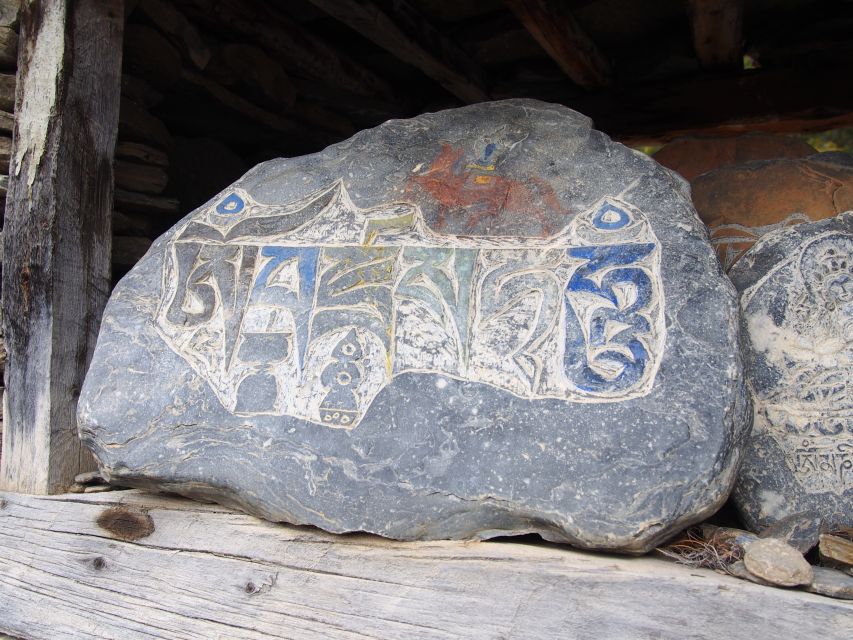
From Pisang to Manang (6–7 hours), the route leans harder into that higher-altitude feel. Manang is a highlight for the Tibetan Buddhist culture side of the circuit. You’re not just walking past buildings—you’re stepping into a different cultural rhythm as altitude increases.
Manang acclimatization day: not optional, even if it feels slow
The acclimatization day at Manang is built in. That’s smart. Your goal is to adjust before the big push, so you can handle the climb toward Yak Kharka and the route toward Thorong Phedi.
This is also a day where your guide’s judgment matters. With a small group and an experienced guide, you’ll be more likely to stick to a plan that protects you from going too hard too soon.
Manang to Yak Kharka: the climb starts speaking louder
Yak Kharka is the step up to higher terrain (about 4–5 hours). This is where you’ll feel the trek tightening—less time spent admiring your surroundings and more time managing your pace and breath.
The good news: by this point, you’ve already done several days of hiking. You’re not starting from zero.
Yak Kharka to Thorong Phedi: preparing your body for the pass
Thorong Phedi (around 4–5 hours) is essentially the “before Thorong La” staging zone at about 4,450m. The practical takeaway: you want your energy saved for the crossing day.
It’s also a good place to be extra careful with hydration and warmth. This is high altitude, and cold can feel sharper than it should. You’ll have a guide, first aid supplies, and an oximeter available as part of the included support, which is comforting for peace of mind.
The Thorong La day: technical crossing at 5,416m
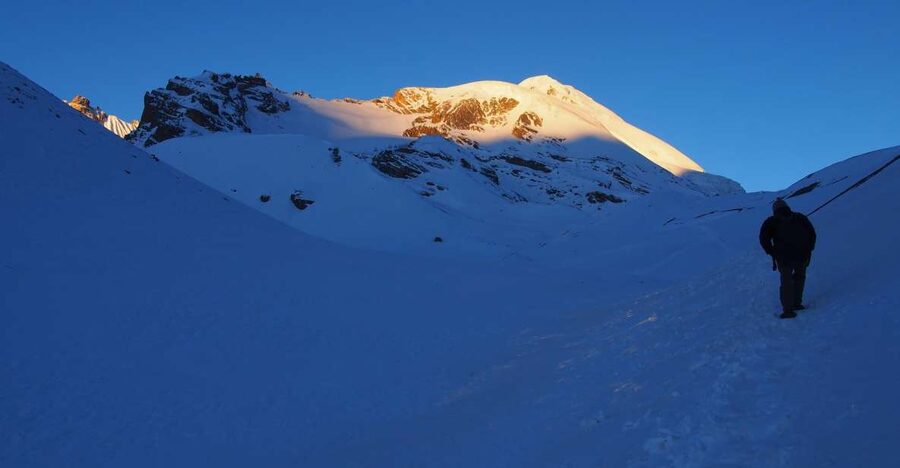
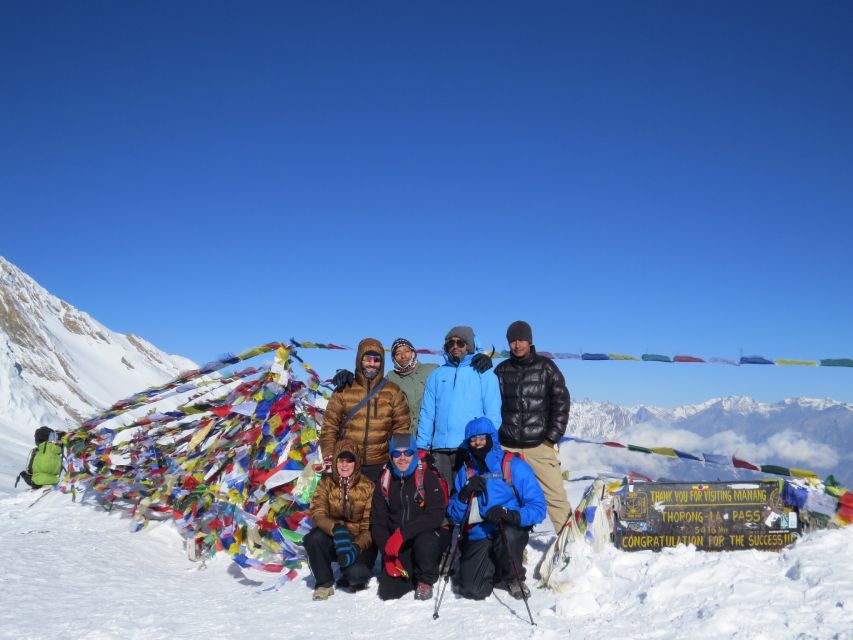
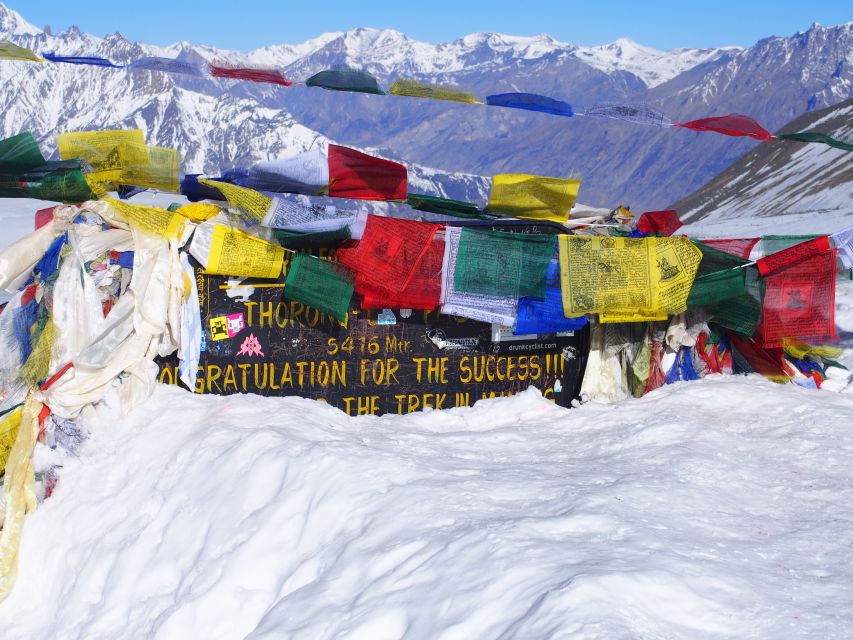
Crossing Thorong La Pass (5,416m) is the central event. It’s not just high—it’s described as technical, and that matters. Your feet will likely deal with uneven ground, and your pace will probably slow down compared to lower-elevation hiking.
This is the day where the route earns its reputation: after the climb, you get the moment of seeing the Annapurna white peaks and the surrounding area from such a high position. I like that the trek doesn’t treat this as a vague “look at mountains” day. It’s a real hiking push, so the view feels earned.
Possible drawback: if you’re sensitive to altitude, the pass day can be tough. Even with acclimatization and safety equipment, you should be ready for slower walking, fatigue, and the need to listen to your guide’s pace instructions.
After the pass: Muktinath, Kagbeni flavor, and the Kali Gandaki wind corridor
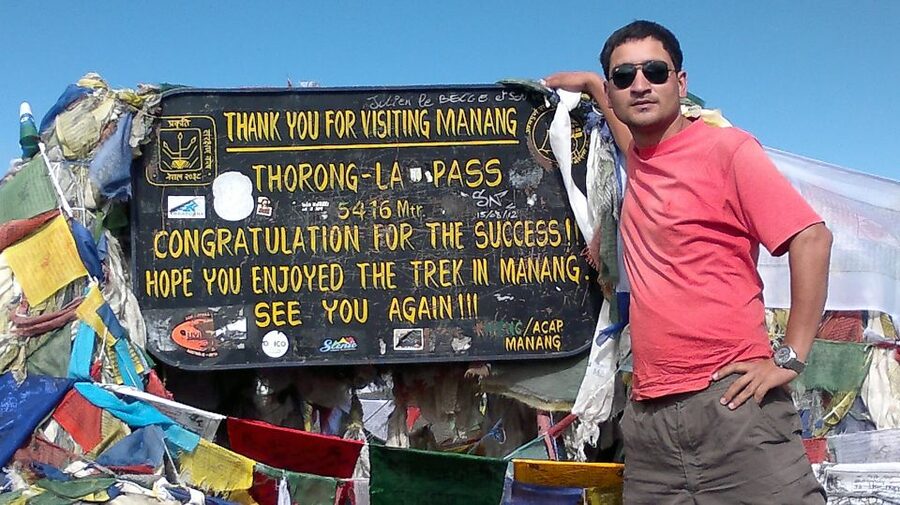
Once you’re over Thorong La, the trek shifts in mood. You head from Thorong Phedi to Muktinath (7–8 hours) via the pass, dropping to about 3,802m by the time you reach Muktinath.
Muktinath is a spiritual center, and it gives the trek a cultural and emotional reset after the pass effort. You also get the vibe of the Lower Mustang side of the route—more arid feeling, and places like Kagbeni show up as part of the circuit’s broader identity.
Then you continue from Muktinath to Jomsom (about 5–6 hours). Jomsom is also linked with the Kali Gandaki Valley, known for windy conditions. That wind matters: it changes how cold feels, and it can make steady effort feel more demanding even when the grade isn’t the worst of the trek.
Tatopani: the hot springs and a well-timed recovery
From Jomsom you drive to Tatopani (about 4–5 hours by transport). Then you get the chance to enjoy the natural hot spring stop.
This is one of those days that doesn’t get as much marketing as Thorong La, but it’s practical gold. When you’re walking long days at altitude, sore legs and stiff muscles are normal. A hot springs day can feel like you’ve added a mini recovery week into one afternoon.
Ghorepani and Poon Hill: the quieter finale with real payoff
After Tatopani you trek to Ghorepani (about 7–8 hours). This portion starts to bring you back toward the more “classic trekking” rhythm. The altitude is still meaningful, but the route is less extreme than the pass section.
Then comes the best kind of finale: an early morning hike to Poon Hill (3,210m), followed by a trek down toward Nayapul (2,070m). You’ll end with a taxi to Pokhara.
Poon Hill is included for a reason. It’s high enough to deliver strong mountain views, but it’s at an altitude where you’re not trying to conquer the biggest technical challenge of the trip. It feels like a celebration hike—more manageable than Thorong La, but still exciting because the views can be dramatic.
Lodges, meals, and the value of included gear
This trek uses basic tea houses for 12 nights, with twin sharing. Meals are included as breakfast, lunch, and dinner during the trekking days, and the lodges have continental-style kitchen setups.
What that means for you in real life:
- You don’t need to carry a food strategy for every day.
- You still get a chance to eat warm meals at the places where the trek’s infrastructure exists.
- You’ll likely keep your pack lighter than the self-supported trekkers around you.
Gear-wise, this trip is also thoughtful. You can get sleeping bags, a down jacket, and a duffel bag if you need them, and you return them after the trip. That’s helpful if you’re traveling light or you don’t want to buy winter gear just for one trek.
The included first aid box and oximeter are also practical details. Even if you hope you’ll never need them, having them shows the trek operator is thinking about safety in a realistic way.
Price and what you really get for $970
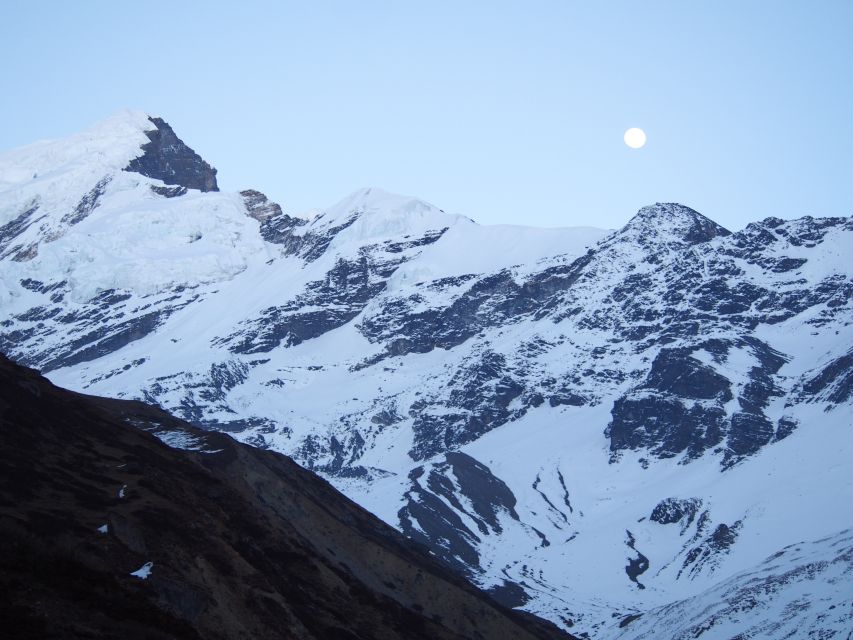
At $970 per person, this trek sits in the “serious but not reckless” range. The key value is what’s bundled:
- guide service (government-licensed, with support for food, accommodation, salary, equipment, and insurance)
- permits for the Annapurna circuit
- 12 nights in basic tea houses (twin sharing)
- 1 hotel night in Pokhara with breakfast
- key transport legs (including public bus segments and a taxi to Pokhara)
- trekking meals (3 per day during the trek)
- sleeping bag/down jacket/duffel support if needed
- map (ACT trek map)
- free luggage storage during the trek at Adventure Bound if you need it
What’s not included is also clear: your Nepal entry visa, international airfare, Kathmandu hotel, meals in the city, soft/hard drinks, and personal expenses. Porter help is extra (listed at $250 if needed), and private transport isn’t included.
My take: if you want a guided trek that reduces mental load—permits, logistics, meals, and safety basics—this price starts to look fair. If you already own all cold-weather gear and don’t want a guide, you’d need a different style of trip. This one is built for people who want the planning handled and want to focus on the hiking.
Guides, group size, and why small matters on a pass trek
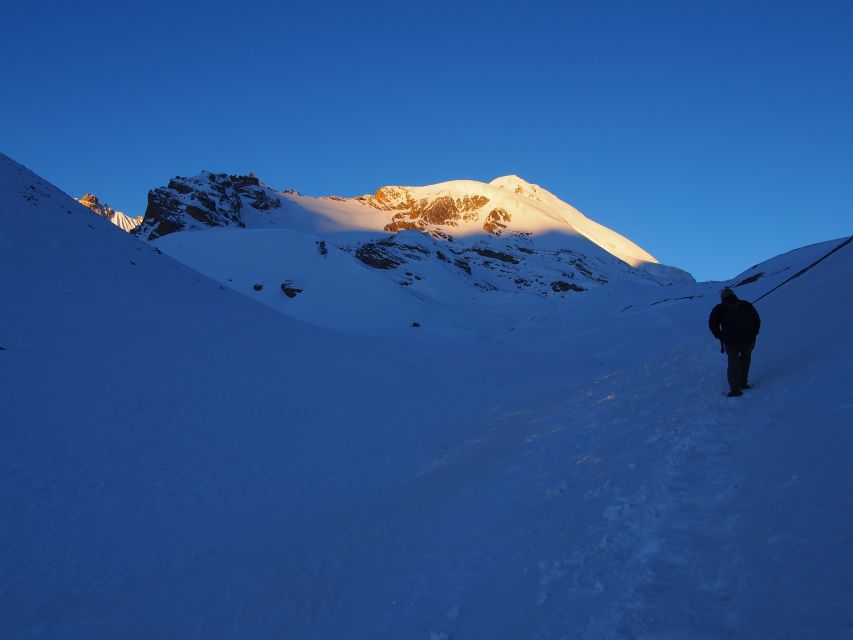
Small group trekking is a big deal when the days get hard. This group is limited to 12 participants, so you’re less likely to feel lost in the shuffle.
The guide experience has also been praised in a very specific way. Owner Laxman is noted for being proactive and handling formalities early. Guides like Ganesh are described as patient, detail-focused, and adaptable, which is exactly what you want when your body doesn’t always cooperate on schedule.
If guide choice is possible for you, here’s a practical tip: ask whether you can trek with Rabin. Based on the information provided, that name comes up as a standout guide.
Seasons and timing: when this trek makes the most sense
The best time to do the Annapurna Circuit is listed as spring and autumn. That’s consistent with how mountain trekking generally works—these seasons tend to offer more stable trekking conditions than the extremes.
In the mountains, “stable” doesn’t mean “easy.” Expect cold at higher elevations, and plan on needing layers and careful pacing. If your schedule can shift, choosing spring or autumn gives you the best shot at comfortable walking days.
Should you book this Annapurna Circuit trek?
Book it if you want:
- a guided circuit with permits, meals, and tea house lodging handled
- a true highlight structure: Thorong La crossing plus cultural stops like Manang and Muktinath
- an easier on-ramp and recovery blocks (acclimatization at Manang, plus the hot springs at Tatopani)
Think twice if:
- you’re very altitude-sensitive and not willing to move slowly on the pass day
- you strongly prefer total independence and would rather manage permits, meals, and logistics yourself
- you want private transport throughout (private transport isn’t included)
If you’re looking for value and structure—with enough flexibility to enjoy the mountains rather than just survive them—this setup is a solid fit.
FAQ
How long is the Annapurna Circuit Trek?
It’s a 13-day trek, designed as a two-week style experience with trekking days plus travel and rest segments.
Where does the trek start and how do you get there?
You’ll be picked up from Kathmandu international airport, then you use transport to get from Kathmandu toward the trekking start area (including taxi and public bus segments).
What’s included in the trek price?
Included are the government-licensed experienced guide, permits, 12 nights of basic tea house accommodation (twin sharing), trekking meals (breakfast, lunch, dinner), Pokhara hotel with breakfast for 1 night, key transport legs, ACT trek map, and access to sleeping bag/down jacket/duffel bag if needed.
What’s not included?
Not included are Nepal entry visa and international airfare, hotel in Kathmandu, meals in the city, all soft and hard drinks, personal expenses, porter service if you need one ($250 extra), and private transports.
Do they provide trekking gear?
Yes. Sleeping bags, down jacket, and a duffel bag are provided if you need them, and you return the items after the trip.
How big is the group?
This is a small group limited to 12 participants.
What languages will the guide speak?
The live guide offers English, Nepali, and Hindi.
What time of year is best?
Spring and autumn are listed as the best seasons for this trek.
Is there an acclimatization day?
Yes. There’s an acclimatization day at Manang before heading toward higher sections of the trek.