REVIEW · KATHMANDU
5-Day Annapurna Base Camp Trek with Natural Hot Springs
Book on GetYourGuide →Operated by MTA Trekking · Bookable on GetYourGuide
Base camp in five days can change you. I like how this trek feels well-paced for a range of fitness levels, yet still lands you at Annapurna Base Camp (4,130m). I also love the added payoff of the Jhinu natural hot springs—a real reward after trekking days. The main drawback to plan for: altitude at 4,130m, plus cold and weather swings if you’re going in the monsoon season.
You’ll start from Pokhara (pickups from Lakeside or the airport), ride in by private Jeep/SUV, then hike through villages and forest going up toward the Annapurna massif. This is run by MTA Trekking with a professional guide (and you’ll get an English live guide), which matters a lot when you’re moving through high, changeable terrain with long days on foot.
In This Review
- Key Highlights You’ll Feel on the Trek
- Why Annapurna Base Camp Works in 5 Days (And for Whom It Fits)
- Pokhara Pickup, Jeep Ride, and First Hike to Lower Sinuwa
- Lower Sinuwa to Deurali: Forest-to-Alpine Climb and Tea House Nights
- Reaching Annapurna Base Camp: The Machhapuchhre Base Camp Detour
- Explore Base Camp Views, Then Down to Bamboo
- Bamboo Back to Jhinu Hot Springs and Down to Pokhara
- The Guide, Permits, and Tea House Setup That Make This Easy to Plan
- Price and Value: What $320 Covers (and What It Doesn’t)
- Altitude, Weather, and Leeches: The Stuff You Should Actually Plan For
- Fitness Expectations: How Long Days Feel at 2,300–4,130m
- Should You Book This Annapurna Base Camp Trek with MTA Trekking?
- FAQ
- What is the highest altitude on this trek?
- How long are the daily hikes?
- Are the Jhinu hot springs included?
- What meals are included?
- Do I need to hire a porter?
- What permits are covered?
Key Highlights You’ll Feel on the Trek
- Private, English-speaking guide (including the helpful experience style of Ramit, mentioned in past trekkers feedback)
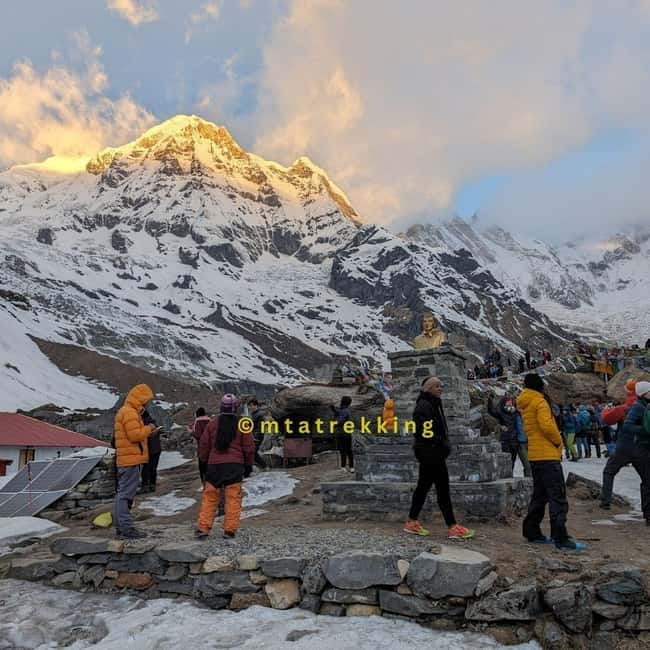
- Base Camp at 4,130m plus a detour to Machhapuchhre Base Camp for Fishtail Peak views
- Jhinu natural hot springs make a warm finish possible on day 5
- Tea house nights with full-board meal options so you’re not scrambling for food
- Annapurna Conservation Area permits and TIMS handled so you can focus on the trail
Why Annapurna Base Camp Works in 5 Days (And for Whom It Fits)
This trek is built around a simple idea: you want the Annapurna Base Camp experience without turning it into a month-long project. You’ll do 4 nights / 5 days of hiking, with daily walks that are long enough to feel like an adventure but still achievable when you pace yourself.
Hitting 4,130 meters is the big marker here. Altitude sickness is noted as rare, but it’s still on the checklist—especially if you rush, sleep poorly, or have a history of altitude issues. If you’re the type who likes to stop often for photos and small breaks, you’ll probably do fine. If you hate slow hiking and prefer to blast uphill, this route punishes that habit.
One other reality check: this is not for everyone. It’s not suitable for pregnant women, people with mobility impairments, wheelchair users, visually impaired people, anyone who’s had altitude sickness, or those over 70. If you’re in that group, you’ll likely be safer choosing another itinerary.
You can also read our reviews of more tours and experiences in Kathmandu.



Pokhara Pickup, Jeep Ride, and First Hike to Lower Sinuwa
Your day begins in Pokhara. You’ll get pick up from any hotel in Lakeside Pokhara, or from the airport, then transfer by private Jeep/SUV for about 3 hours. After that vehicle time, you start walking—so it’s not a sudden “100% hike immediately” situation.
From there, you’ll trek toward Lower Sinuwa at 2,300 meters (about 5 hours) with a route that passes through Jhinu. Jhinu is famous on this trail for its natural hot springs, which is why it’s worth noticing early: you’re basically walking into the hot-springs story. Even if you don’t soak right away, knowing it’s coming makes the hike feel more like a journey with chapters, not just exercise.
What to watch on day 1: this is where you set your tempo. Don’t force big distances just because you got a jeep ride first. Take a few early breathing breaks, drink water, and keep your pack light in practice—even though the trek includes a luggage storage facility in Pokhara so you don’t need to carry everything.
Lower Sinuwa to Deurali: Forest-to-Alpine Climb and Tea House Nights
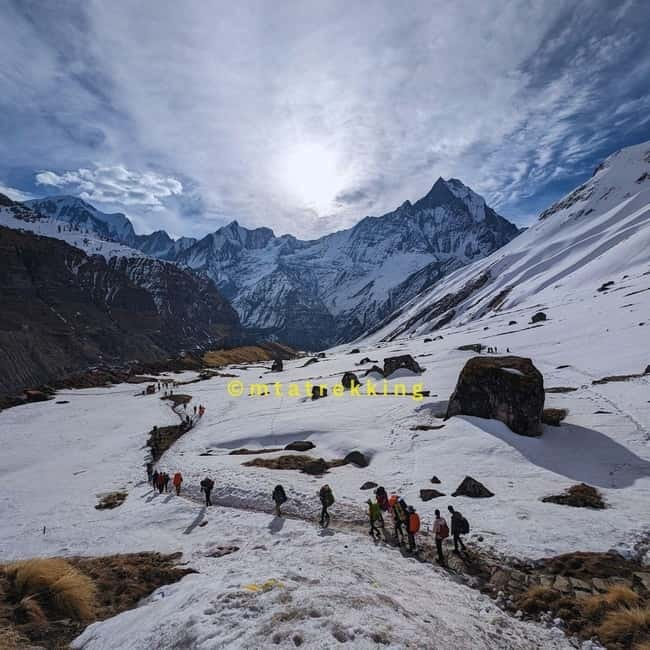
Day 2 pushes upward, and you’ll feel it. You’ll hike from Lower Sinuwa to Deurali (3,200 meters) in about 6 hours. This is where the trail typically shifts from lower, gentler farming areas into steeper terrain. You’ll move through places that include forest sections and pass through rural village life.
Deurali is a common base for adjusting and sleeping well. Tea houses here are part of the rhythm of the trek: simple rooms, meals, and a warm enough environment to recover. The key value is that you’re not constantly figuring out where to eat or what to do next—you’ll have that structure built in with tea house accommodation and meals (full board is the option that includes meals).
The main drawback of day 2 isn’t technical climbing; it’s the long uphill time. If you know you overdo it, set a rule for yourself: short pauses, steady pace, and no hero sprints. Your reward is that you’ll wake up closer to the big goal.
Reaching Annapurna Base Camp: The Machhapuchhre Base Camp Detour
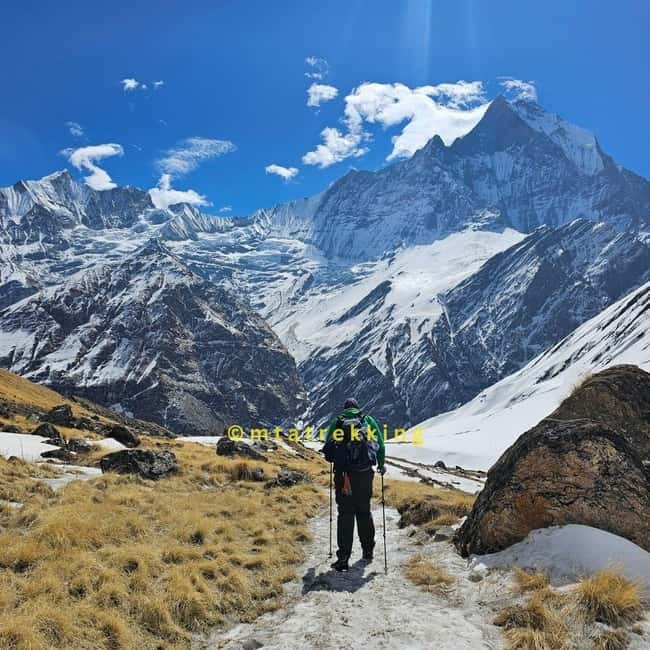
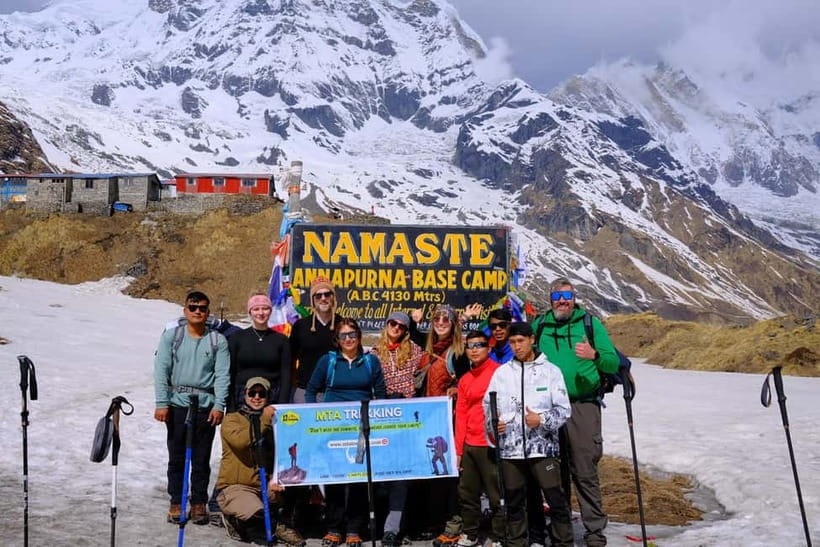
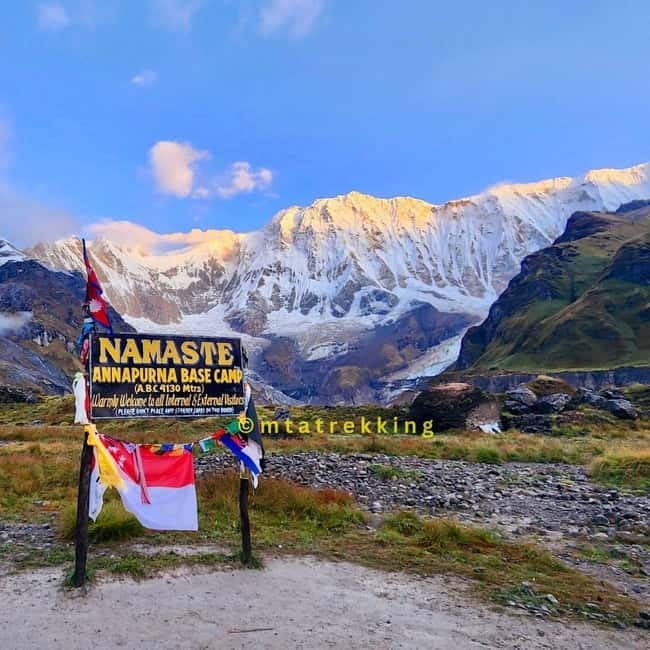
Day 3 is the emotional one. From Deurali, you’ll hike to Annapurna Base Camp (4,130 meters) in about 4 hours. That sounds short compared to the other days, but don’t let the time trick you—high altitude makes everything feel slower.
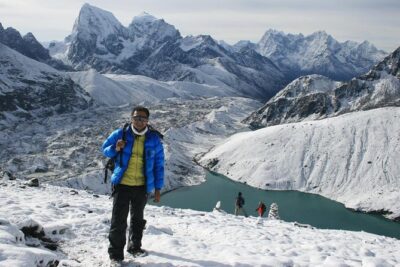
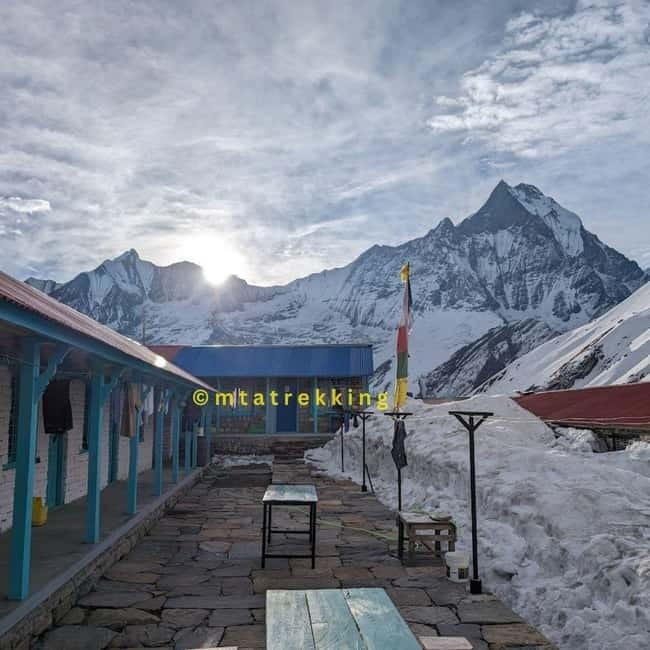
Before you land at Base Camp, you’ll take a detour to Machhapuchhre Base Camp. This is where you get views of Fishtail Peak (Machhapuchhre). It’s not just a photo stop; it gives you a better sense of the Annapurna region’s drama. The massif doesn’t feel abstract once you’re there.
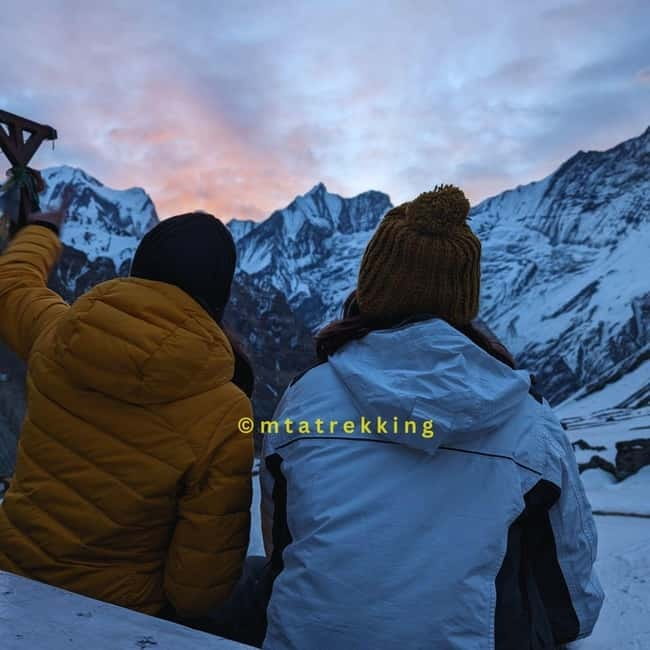
Once you arrive at Base Camp, the experience is all about being still for a moment. Even when you’re surrounded by people, Base Camp feels like a quiet accomplishment zone. Past trekkers have especially remembered the sunrise in front of the south face of Annapurna, and that tracks with the way light hits the mountains at that altitude.
This is also where a good guide changes the whole day. MTA Trekking runs with a professional trekking guide and live English tour guidance, and one named guide experience you can take seriously is Ramit’s style: explaining and illustrating what you’re seeing, plus managing timing and rests. That kind of guidance helps you understand the terrain instead of just surviving it.
Explore Base Camp Views, Then Down to Bamboo
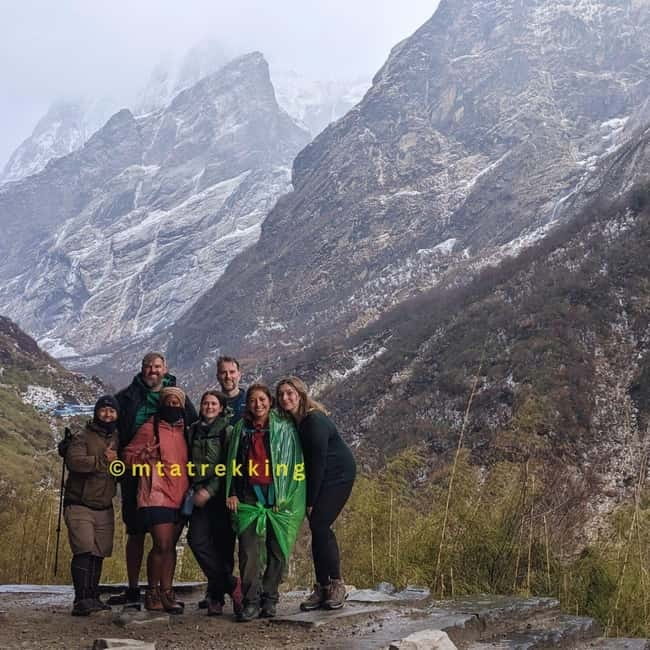
Day 4 turns the energy from “arrival” into “enjoy and adjust.” You’ll spend time at Annapurna Base Camp and then descend to Bamboo (about 2,400 meters). The walking time is described as roughly another long day, with the Bamboo lodge stop listed as a full day segment (around 6 hours).
Why the descent matters: it’s your altitude reset. You don’t stay at Base Camp elevation all day. Instead, you get a chance to soak in the views and then physically come down to a more manageable height.
Practical note: your legs may feel it even though you’re going down. Choose careful footing, especially when the trail surface gets uneven. Bamboo is where you’ll appreciate a simple night and a decent meal—less because it’s fancy, more because it means your body gets to recover before the final travel day.




Bamboo Back to Jhinu Hot Springs and Down to Pokhara
Day 5 is about finishing strong and making time for the best kind of tired: the relaxed kind. You’ll trek from Bamboo toward Jhinu, then you’ll have the chance to unwind at the natural hot springs (optional). After that, you’ll do the reverse ride back to Pokhara, with the trek ending at your original meeting point in the Lakeside area.
That hot-springs option is a real value-add for this route. If you’re someone who loves the idea of reward travel—rather than just “I got through the hike”—this is your payoff moment. Even if you skip it, remember you’ll still have time to stretch out after days of altitude and uneven steps.
The Guide, Permits, and Tea House Setup That Make This Easy to Plan
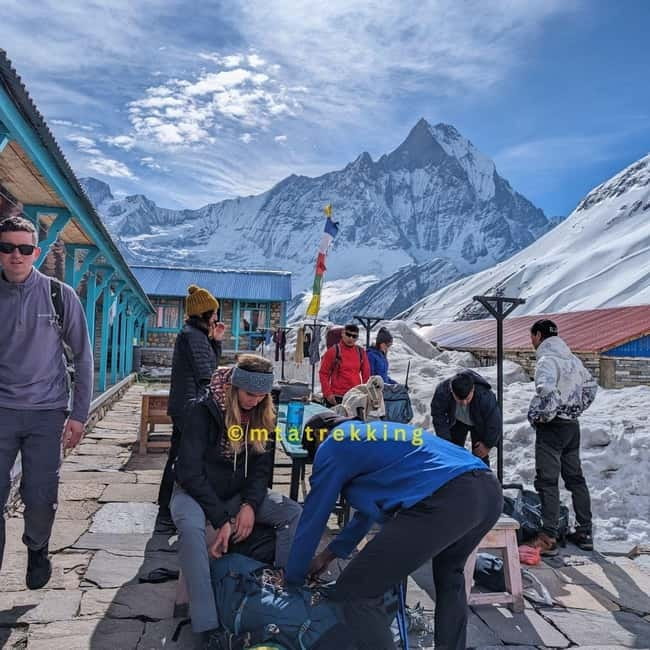
This experience is designed to remove the “logistics brain” from your trip. You get:
- Tea house accommodation
- Meals when you choose the full board option
- Pick up and drop off from Lakeside Pokhara hotels (and the airport)
- Private transport between Pokhara and the last road starting point, then back again
- ACAP permit plus TIMS and taxes covered
- A professional guide with government registration
- First aid kit support
- Luggage storage in Pokhara during the trek
Why that matters: in trekking country, the biggest stress isn’t the mountain—it’s the uncertainty. When permits and core logistics are handled, you spend less energy on checklists and more energy on pace, rest, and enjoying the day.
Also, language helps. You’ll have an English live tour guide, and that makes it much easier to ask questions about what you’re seeing—trees, village life, and the mountain region around you.
Price and Value: What $320 Covers (and What It Doesn’t)
At $320 per person, this trek looks like a “covers the essentials” kind of price. Here’s what’s included that you’d otherwise pay for yourself or manage on the ground:
- 4 nights of tea house lodging
- Meals via a full board option (so you’re not hunting food daily)
- Transport from Pokhara as private Jeep/SUV, plus the return ride
- Permits (ACAP) and the required admin items like TIMS
- Guide service with government registration
- Luggage storage in Pokhara
- First aid kit support
What’s not included is mostly personal and comfort stuff:
- Hot showers, Wi-Fi, drinks, mineral water, water laundry on the mountains (these are the usual extra costs)
- Porter service, listed separately at $20 per day
- Rescue and insurance (so you need to arrange your own travel insurance)
My practical take: if you’re already the type who pays attention to details, you’ll treat this like a package where you manage your extras. Bring cash, plan to buy small comforts if you want them, and consider whether you need a porter. If your pack is heavy and you hate climbing with fatigue, the porter option can be worth it because it keeps the hike enjoyable instead of just challenging.
Altitude, Weather, and Leeches: The Stuff You Should Actually Plan For
Altitude is the big factor. You reach 4,130 meters, and altitude sickness is described as possible even if it’s rarely happening. The best “prevention plan” you can follow on this trek is simple: pace yourself, drink water, and don’t treat the summit like a race.
Weather is another real part of Annapurna. In monsoon season (June–August), expect erratic conditions and heavy rainfall. That doesn’t automatically mean you shouldn’t go, but it does mean you should pack correctly and accept that the trek might feel slower and wetter.
Also: leeches can be an issue, especially in monsoon conditions on lower trails. Your best defense is wearing long pants tucked into gaiters and using insect repellent.
Fitness Expectations: How Long Days Feel at 2,300–4,130m
The day-to-day hike times given here are roughly:
- Day 1: about 5 hours to Lower Sinuwa (2,300m)
- Day 2: about 6 hours up to Deurali (3,200m)
- Day 3: about 4 hours to Annapurna Base Camp (4,130m), with the Machhapuchhre Base Camp detour
- Day 4: a longer day descending to Bamboo (2,400m)
- Day 5: trekking back toward Jhinu plus the drive to Pokhara
So yes, it’s “short” compared to longer treks—but it’s still a real hike. If you can handle steady walking at elevation, you’re in the right zone. If you need frequent long rests, tell your guide early and let them help pace you.
What to bring is straightforward: comfortable shoes, change of clothes, comfortable clothes, and cash. You’ll also want your passport or ID card (a copy is accepted).
Should You Book This Annapurna Base Camp Trek with MTA Trekking?
If you want a private, English-guided Annapurna Base Camp experience that includes core logistics, tea house stays, permits, and the chance for Jhinu hot springs, this is a strong match. The fact that you’ll have a guide like Ramit who focuses on explaining what you see and handling timing and rests is exactly the kind of support that makes high-altitude hiking feel safer and more meaningful.
Book it if:
- you’re comfortable walking multiple days with uphill stretches
- you can handle basic altitude risk at 4,130m
- you like the idea of culture in village stops (Gurung lifestyle is part of what you’ll encounter)
- you want Base Camp, views, and a warm soak finish
Think twice if:
- you’re not comfortable with cold, rain, or leech season planning
- you’re outside the listed suitability limits (especially altitude sensitivity or limited mobility)
- you expect a luxury trek—this is tea house travel, not a hotel holiday
FAQ
What is the highest altitude on this trek?
You reach Annapurna Base Camp at 4,130 meters (13,550 feet).
How long are the daily hikes?
The trek includes hikes of about 5 hours on day 1, 6 hours on day 2, and around 4 hours on day 3 (plus a detour). Day 4 and day 5 include additional trek time for the descent and return.
Are the Jhinu hot springs included?
Jhinu is part of the route, and natural hot springs are optional. Day 5 specifically includes time to unwind at the hot springs if you choose to.
What meals are included?
You have meals included if you choose the full board option. Tea house accommodation is also included.
Do I need to hire a porter?
A porter service is not included. If you want one, it’s listed as $20 per day.
What permits are covered?
The package includes the Annapurna Conservation Area (ACAP) permit and also covers government permits, TIMS, and taxes.