REVIEW · KATHMANDU
Dive into Spirituality: 6 Days Trek to Gosaikunda Lake
Book on Viator →Operated by Mountain Hike Nepal · Bookable on Viator
Gosaikunda Lake packs big meaning into a short trek. The reason I think this one works is simple: you’re not just hiking for views, you’re walking to a sacred site revered by Hindus and Buddhists, then spending time near multiple holy kundas with mountain giants all around.
Two things I really like: the route is short and time-efficient (perfect when you can’t spare two weeks), and it threads through ethnic villages so the journey feels human, not just scenic. One possible drawback: it’s still a trekking program with a steady uphill day, an early start (5:45 am), and weather can make or break mountain visibility.
In This Review
- Key highlights you shouldn’t miss
- Why Gosaikunda Lake feels different from most treks
- Getting to Dhunche: the fast start that sets the pace
- Day 2 up to Chandanbari: the uphill day you’ll feel in your legs
- Day 3 to Gosaikunda: worship, kundas, and peak views in one day
- Day 4 back to Chandanbari: remember the smaller moments
- Day 5 Chandanbari to Dhunche: downhill legs and a calmer pace
- Day 6 back to Kathmandu: the city return and the quiet after
- Permits, guide, and porter setup that keeps things smooth
- Meals, teahouses, and what’s not included (so you can plan)
- Price and value: whether $735 makes sense for you
- Weather and fitness: the reality check that protects your trip
- Who should book this Gosaikunda trek
- Should you book this 6-day Gosaikunda Lake trek?
- FAQ
- What is the duration of the trek?
- Where does the trek start and end?
- What time does the trek start?
- Is accommodation included?
- What meals are included?
- Are drinks and hot showers included?
- What trekking permits are included?
- What kind of support do you get while trekking?
- Is travel insurance required?
- What are the cancellation rules?
Key highlights you shouldn’t miss
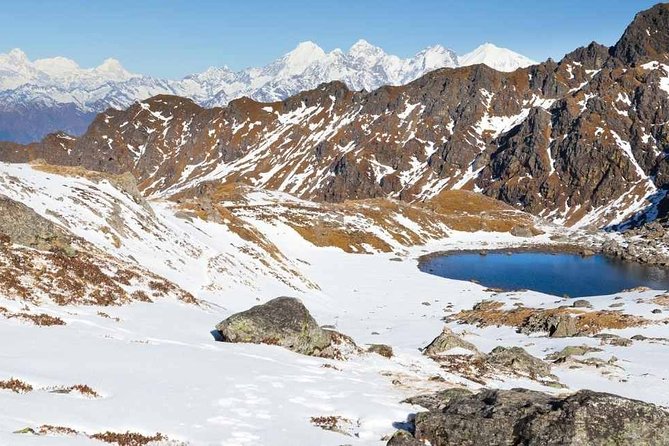
- Gosaikunda’s kundas: Surya Kunda, Saraswoti Kunda, Bhairab Kunda, and more, tied to local worship
- Langtang region mountain views: Langtang Himal and Ganesh Himal mentioned in the route experience
- A compact 6-day plan: ideal for a first trek or a short holiday window
- Forest-to-rugged terrain mix: lush areas, harder sections, and high, cold-feeling approaches
- Wildlife potential in Langtang Conservation Area: red pandas and snow leopards are part of the region’s lore and conservation area identity
- Guided logistics that keep you moving: English-speaking guide and a Sherpa porter setup
Why Gosaikunda Lake feels different from most treks
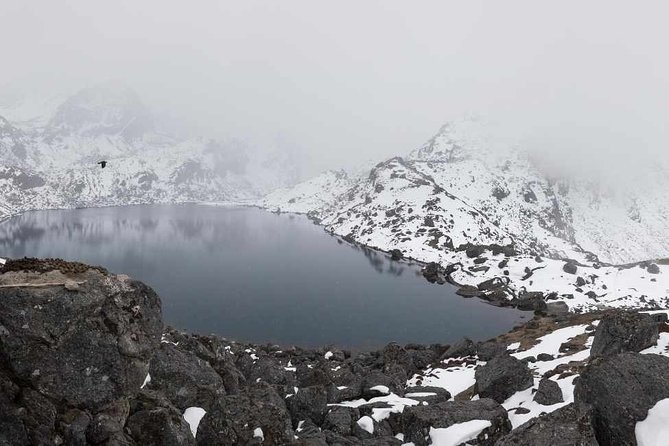
Most treks give you scenery. This one adds ritual, repetition, and meaning. Gosaikunda is treated as sacred by Hindus and Buddhists, so your hike becomes part pilgrimage, part high-mountain travel day. When you reach the lake area, the focus shifts from checkpoints to the kundas—small sacred spots that carry names like Surya Kunda and Saraswoti Kunda.
What makes that special for you is timing and pacing. Instead of rushing through a viewpoint, you slow down at a place people return to for faith and tradition. Even if you’re not religious, it’s hard not to feel the atmosphere. It’s also a good reminder that in Nepal, many “tourist” routes are still living routes—people hike them for reasons that go beyond photos.
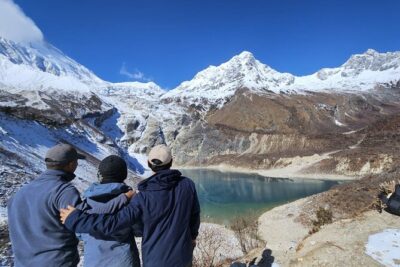
And then there’s the visual side. The route is built to connect the sacred moment with big Langtang-area mountain views—Langtang Himal and Ganesh Himal are specifically called out as part of what you’ll see along the way. That combination is what makes a short trek feel heavier, in a good way.
You can also read our reviews of more tours and experiences in Kathmandu.



Getting to Dhunche: the fast start that sets the pace
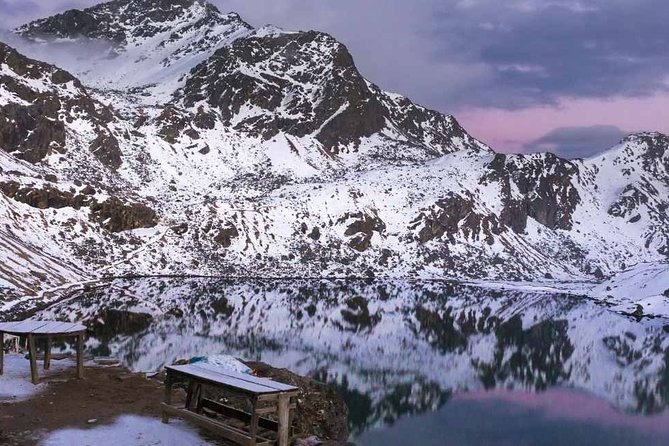
Your trip begins in Kathmandu with transport toward Dhunche, going via Trisuli Bazar. The program includes Kathmandu to Dhunche and back using public transport, plus pickup is offered. Since the start time is 5:45 am, you’ll want an early night and a simple morning routine.
Why this matters: when a trek is only six days, the schedule has less room for delays. The organizers build the trek around early starts and predictable driving times. You also get a realistic taste of Nepali travel logistics right away—shared roads, shared vehicles, and a quick transition from city movement to mountain air.
Dhunche itself is your first “base” feel. You’ll overnight there after the drive from Kathmandu, which is helpful because you can arrive, settle, and prepare without trying to climb on the same day. For many people, this first night makes the next day feel less like a surprise and more like a plan.
Day 2 up to Chandanbari: the uphill day you’ll feel in your legs
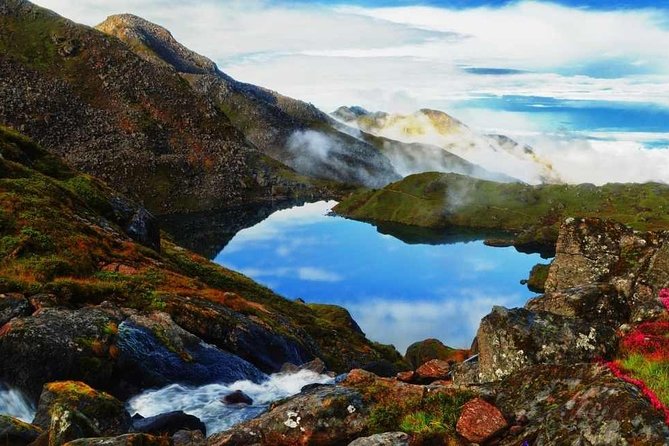
Day 2 is a trekking day to Chandanbari. Expect an uphill trek for about 6–7 hours. The wording here is direct: you’ll be climbing, and your body will notice it. This is the day that decides whether the rest of the trek feels steady or exhausting.
Here’s the practical way to think about it: Chandanbari isn’t the finish line. It’s the “bridge” to higher sacred ground. So you want a pace that’s smooth enough to keep you moving for the full trekking window. If you go out too hard on Day 2, Day 3 can feel colder and longer than it needs to be—especially because you’ll be trekking early.
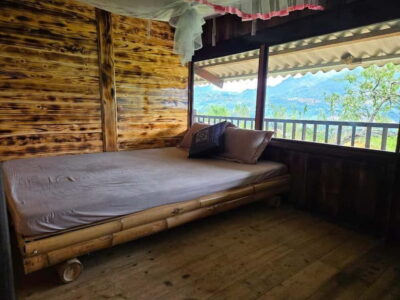
On the upside, finishing Day 2 with an overnight at Chandanbari gives you a proper recovery block. The trek includes teahouse accommodation on twin sharing during the trekking portion, and you’ll also have local meals (breakfast/lunch/dinner) during the trek.
Day 3 to Gosaikunda: worship, kundas, and peak views in one day
This is the heart of the whole journey. Day 3 starts with early morning trekking to Gosaikunda Lake. The early start matters because weather and visibility in mountain regions can change quickly. It also fits the spiritual rhythm—arriving when the area is most active helps the moment land.
Once you’re at the lake, you’ll visit sacred kundas including Surya Kunda, Saraswoti Kunda, and Bhairab Kunda, plus others listed in the route experience. You’ll also have the chance to worship in the holy lake Gosaikunda. Think of this as a different kind of “sightseeing.” You’re not just walking past structures; you’re participating in a place with a living purpose.
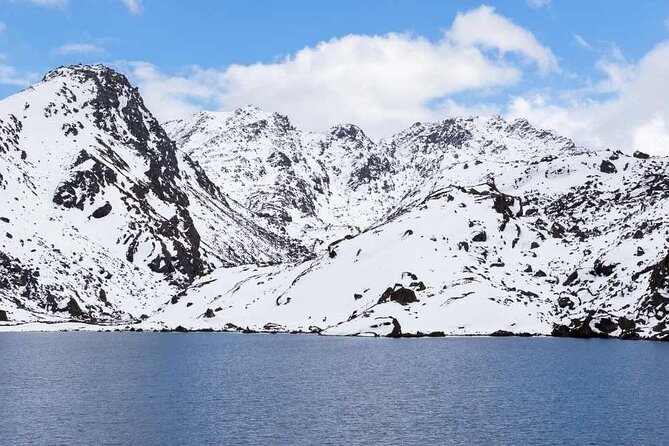
Then comes the scenery payoff. Along the trek and around the lake area, you’re set up to see breathtaking mountain views, including Langtang Himal and Ganesh Himal. This is the point where the shortness of the trek becomes a feature: you get the big-mountain feeling without waiting nearly a week to reach the main attraction.
You’ll overnight at the lake area. That’s a big change from city nights. If you’ve only ever stayed in comfortable hotels, treat this as a chance to simplify: pack for warmth, plan for basic facilities, and focus on comfort that matters—sleep, water management, and a calm evening.
Day 4 back to Chandanbari: remember the smaller moments
Day 4 takes you back to Chandanbari. This day is about returning through terrain you already know, but with a new viewpoint—literally and emotionally. You’ll be hiking back while making some memorable moments, then overnight again in Chandanbari.
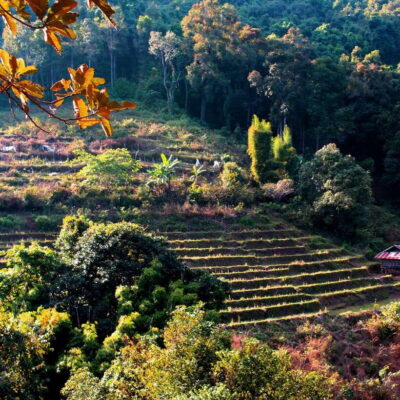
Why this day works: it gives your body a “reset” without turning the trek into a cruise. You’re still active, but you’re no longer pushing toward the single biggest destination. That makes it a good day to slow down, enjoy the village scenery, and notice how different the region feels after the sacred stop.
It also sets you up for Day 5, where you go back downhill toward Dhunche. If you’re trying to manage energy for the whole week, Day 4 is your balancing act.




Day 5 Chandanbari to Dhunche: downhill legs and a calmer pace
Day 5 is described as a return to Dhunche with downhill trekking early in the morning. Downhill can feel easier than uphill, but it can also be harder on knees. Plan for short, controlled steps and don’t let adrenaline push your pace.
This is also the emotional shift day: you’re moving away from the lake and closer to the drive back to Kathmandu. It often feels like the trek’s tempo starts tightening—every step has a clear direction now.
When you reach Dhunche, you’re back on the “travel mode” side of things. The trek portion is over; the logistics toward Kathmandu take over.
Day 6 back to Kathmandu: the city return and the quiet after
On Day 6, the trip concludes with a drive back to Kathmandu. The day is mostly about reflection and transition. If you’ve been focused on steps, altitude effort, and early starts, it’s a relief to trade trail time for road time.
What I like about this ending is that it’s not rushed into a long hike. After several days of moving through mixed terrain, you’re finishing with transport and time to decompress.
Also, you get a satisfying story arc: starting from Kathmandu, climbing toward a sacred site, spending a meaningful day around the kundas and the lake area, then retracing steps back to city life.
Permits, guide, and porter setup that keeps things smooth
A real plus here is how the essentials are handled. The trek includes the Langtang Conservation Area Permit and TIMS card. Those aren’t glamorous, but they matter. They’re part of what keeps guided trekking within the proper systems of the region.
You’ll also have one experienced English-speaking trekking guide and a Sherpa porter. The porter arrangement is listed as 2 trekkers to 1 porter, which helps keep your load manageable—especially useful on a trek where Day 2 and Day 3 do the heavy lifting.
The program is described as a private tour/activity, meaning only your group participates. That can reduce the annoyance factor of trekking schedules. You still follow the itinerary, but you’re not navigating a giant mixed crowd.
Meals, teahouses, and what’s not included (so you can plan)
During the trek, you get all local meals—breakfast, lunch, and dinner—and teahouse accommodation on twin sharing. That’s a big deal for value because mountain food can get expensive when you’re shopping around every day.
What you should plan for separately:
- Meals and accommodation in Kathmandu are not included
- Drinks (tea/coffee/water/soft drinks/alcohol) are not included
- Hot shower and internet are not included
This is normal for short treks, but it changes what you should pack and how you budget. If you want more creature comfort, you’ll need to pay for it on your own, or bring what you can (within local rules and practical limits).
Price and value: whether $735 makes sense for you
At $735 per person, the price isn’t “cheap,” but it also isn’t just paying for pretty photos. You’re paying for:
- Round-trip transport between Kathmandu and Dhunche via public transport
- Daily local meals during the trek
- Teahouse lodging on twin sharing
- Permits (Langtang Conservation Area Permit + TIMS card)
- An English-speaking guide and a Sherpa porter
- Taxes and service charges
So, what you’re not paying for is equally important: no Kathmandu hotel, no drinks, no hot shower, and no internet. Tips for the guide and porter aren’t included either, and travel insurance is compulsory for adventure trips.
Here’s the value check I’d use if I were deciding for my own trip: if you want a guided trek with permits sorted, meals handled, and a porter arrangement, $735 starts to look fair for Nepal trekking logistics. If you’re an independent traveler who wants to negotiate everything daily, then you might see this as pricier than DIY. But if you prefer clear structure—especially with a short 6-day window—this price buys a lot of certainty.
Weather and fitness: the reality check that protects your trip
This experience needs good weather. That’s not a marketing line; it’s the difference between clear mountain views and grey, slippery conditions. The trek’s schedule is built for early movement and steady progress. If weather turns, the plan can change or you may be offered a different date or a refund.
In terms of fitness, you should have moderate physical fitness. Day 2 is a 6–7 hour uphill trek, Day 3 is an early morning climb to the lake area, and Day 5 is downhill. None of these are described as extreme multi-pass challenges, but the repeated hours of walking still matter.
A smart approach is to train for sustained walking and practice good trekking habits—slow start, steady rhythm, and not sprinting hills.
Who should book this Gosaikunda trek
I think this trek is a strong match for:
- You if you want a short trek with a clear main goal (Gosaikunda) instead of a long, meandering itinerary
- You if spiritual places matter to you, even as cultural travel—not just as hikes
- You if you’d like a taste of the Langtang region and its conservation area context, including wildlife such as red pandas and snow leopards (sightedness isn’t guaranteed, but the conservation setting is part of the appeal)
- You if you prefer having permits, meals, and key logistics handled
It may be less ideal if you’re looking for high-caffeine comfort (hot showers and internet aren’t included) or if you’re not comfortable with early starts and uphill walking.
Should you book this 6-day Gosaikunda Lake trek?
If your holiday is short, and you want your money to go toward guided structure + meaningful destination time, I’d say it’s worth booking. The biggest reason is that it doesn’t waste days. You’re getting sacred lake moments, village trekking, and major mountain views in a compact schedule.
If you’re nervous about discomfort, remember teahouse-style lodging and basic facilities are part of the deal. If you’re set on independence, you might prefer a DIY route. But if you want a reliable guide-led plan that handles permits, meals, and daily organization—this is a practical way to reach one of Nepal’s famous sacred lake areas.
Also, it helps when planning is handled well. In situations where someone’s original dream was longer and they needed something closer to Kathmandu, an advisor from Mountain Hike Nepal is mentioned as steering people toward the Langtang region because it’s more reachable with limited time. That kind of planning mindset is exactly what you want with a short trek.
FAQ
What is the duration of the trek?
The trek is listed as 6 days (approx.).
Where does the trek start and end?
It starts in Kathmandu and you trek to Dhunche and then through to Gosaikunda Lake. The program ends with a drive back to Kathmandu on Day 6.
What time does the trek start?
The start time is 5:45 am.
Is accommodation included?
Yes, teahouse accommodation during the trek is included on a twin sharing basis. Meals and accommodation in Kathmandu are not included.
What meals are included?
All local meals (breakfast, lunch, dinner) during the trek are included.
Are drinks and hot showers included?
No. Drinks and hot shower access are not included, along with internet.
What trekking permits are included?
You’re covered for the Langtang Conservation Area Permit and the TIMS card.
What kind of support do you get while trekking?
You get one experienced English-speaking trekking guide and a Sherpa porter. The porter arrangement is listed as 2 trekkers to 1 porter.
Is travel insurance required?
Yes. Travel insurance is compulsory for this adventure trip.
What are the cancellation rules?
Free cancellation is available, and you can cancel up to 24 hours in advance for a full refund.