REVIEW · POKHARA
Experience Mardi Himal Trek
Book on Viator →Operated by Himalayas On Foot - Day Tours · Bookable on Viator
Mardi Himal delivers big mountains energy. This trek threads through rhododendron and oak forests, then steps you up toward high, clear views over Annapurna and beyond. I like that it feels focused and doable, with a structure that keeps you moving without turning the trip into a race.
What I really like: you get professional guidance and solid logistics wrapped into the price, plus you spend real time walking the Annapurna region instead of just transferring around. I also like the pacing shift from tree-covered climbs to above-the-tree-line ridges, because the change is visible every day.
One drawback to think about: you’re going up fast enough to respect altitude, and you also have long travel legs (including a 7-hour tourist bus ride on the last day). If you’re sensitive to height or tired from travel, you’ll want to take the first days seriously.
In This Review
- Key things I’d bookmark before you go
- Mardi Himal Trek: a quieter Annapurna experience with a clear payoff
- Day 1: Kande to Forest Camp (1,770m to 2,600m) and the rhododendron warm-up
- Day 2: Forest Camp to Low Camp (2,600m to 3,150m) with Machhapuchhre in sight
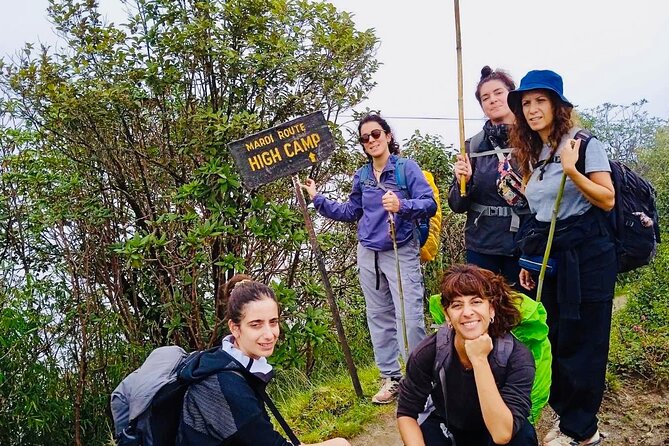
- Day 3: Low Camp to High Camp (3,150m to 3,580m) as the tree line retreats
- Day 4: High Camp to Mardi Himal Base Camp (4,500m) for sunrise and close-up ridges
- Day 5: Descend to Siding Village (3,580m down to 1,700m) through fields and Gurung life
- Day 6: From the trek to Kathmandu by tourist bus (about 7 hours)
- Price and value: what $760 covers (and what you’ll still pay)
- Logistics that actually affect your comfort
- Gear, altitude, and the reality of 4,500m
- Guide support: why Surendra and Yaka get people smiling
- Who should book the Mardi Himal Trek?
- Should you book this Mardi Himal Trek?
- FAQ
- How long is the Mardi Himal Trek?
- Where do I start and where do I end?
- What is included in the price besides the trek?
- Does the tour provide trekking gear?
- Are meals in Pokhara included?
- Do I need travel insurance?
- Is a porter included?
- Do I pay for a Nepal visa?
Key things I’d bookmark before you go
- Pickup and transport built in: drive from Pokhara to Kande, then private jeep return to Pokhara, plus a tourist bus to Kathmandu.
- Tea house stays with real trekking time: overnighting in lodge/tea house options along the route makes the hikes the main event.
- ACAP permit included: Annapurna Conservation Area Permit is part of the package.
- Base camp day is the show: High Camp to Mardi Himal Base Camp (and back) is the longest push, with sunrise views in the mix.
- Staff support gets praised: one standout theme is how smoothly the trek runs when the team, including Surendra and Yaka, handles the details.
- Gear support if needed: sleeping bag, down jacket, and duffle bag are provided if necessary (returned after the trek).
Mardi Himal Trek: a quieter Annapurna experience with a clear payoff
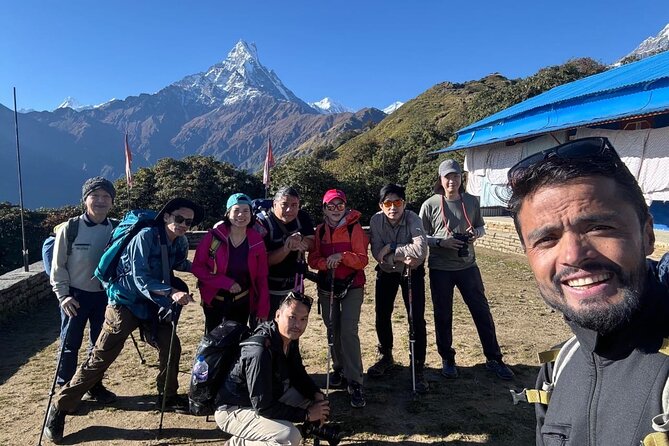
If you want Annapurna-region views without fighting the biggest crowds on the most famous routes, Mardi Himal is a smart choice. The trek has a clear arc: forest walking first, then thinner air and sharper horizons, and finally that 4,500m push that makes you stop and stare.
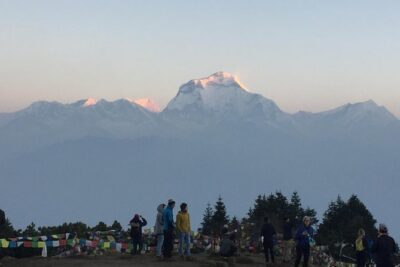
The best part is how the scenery changes with your elevation. Day one starts in thick greenery. Day three starts feeling high—less forest, more sky. Day four is the big reward: sunrise over the Himalayas and close-up ridgelines around Mardi Himal and the Annapurna massif.
This is also a trek where your base matters. Pokhara is your launch point, and the route is designed so you’re not losing days to complicated transfers. You’ll walk several hours each day (often 4–7), but you won’t be stuck in traffic all day long either.
You can also read our reviews of more tours and experiences in Pokhara.
Day 1: Kande to Forest Camp (1,770m to 2,600m) and the rhododendron warm-up
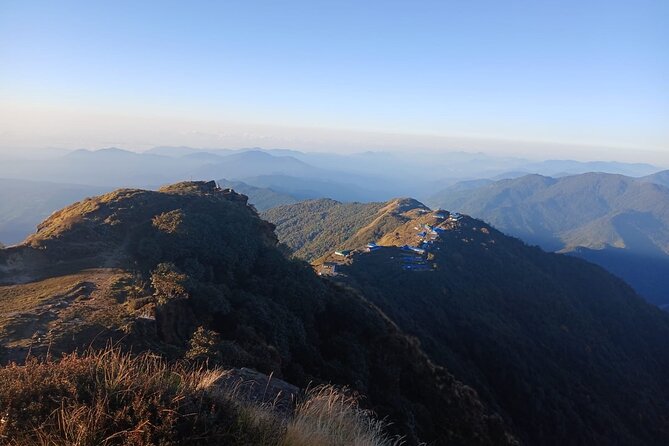
Day one begins with a scenic drive from Pokhara to Kande (about 1.5 hours). Then you start your trek at Kande (1,770m) and work upward toward Forest Camp (2,600m), covering about 8 km over roughly 5 hours.
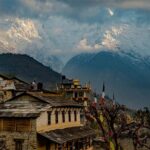
This is a gentle on-ramp, but don’t treat it like a stroll. The goal is to start moving, get your legs used to the climb, and enjoy the forest feel. You’ll pass through rhododendron and oak trees, and the trail tends to feel calmer than the day-to-day bustle you might associate with other Nepal entry points.
What I think works well here: you’re not thrown into cold, exposed hiking immediately. You get time to warm up, breathe, and settle into the rhythm of trekking—step, pause, look, keep going.
Watch-outs for Day 1
You’re gaining about 830m. That’s not extreme, but it’s enough that you should keep your pace easy and let the altitude settle.
Day 2: Forest Camp to Low Camp (2,600m to 3,150m) with Machhapuchhre in sight
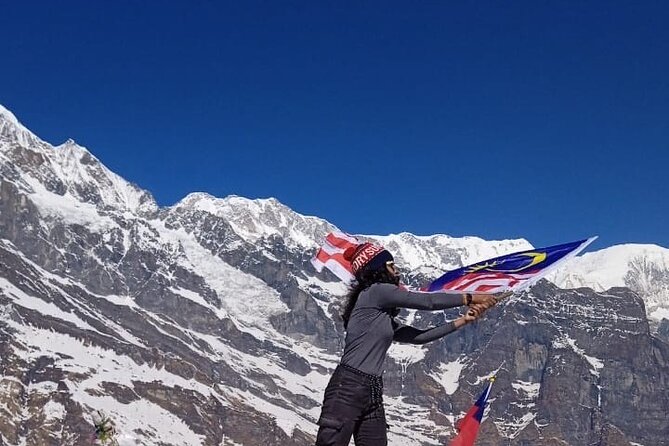
On day two, you trek from Forest Camp (2,600m) to Low Camp (3,150m). It’s about 6 km and usually 4–5 hours.
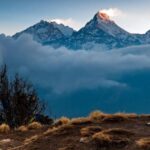
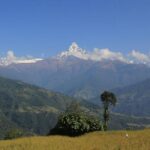
This day’s character is gradual ascent through denser forest. Then, in the middle of all that green, the views start to appear—especially a standout look at Machhapuchhre, the Fishtail peak, along with surrounding Himalayan peaks.
Machhapuchhre sightings matter on this route because it gives you a mental marker. You’re not just walking upward—you’re walking toward recognizable Himalayan shapes. That makes the higher days feel more worth it.
What you’ll feel on Day 2
The climb stays steady but the air feels thinner. I’d keep your effort moderate, save energy, and focus on breathing well. You don’t need to prove anything to the mountain.
Day 3: Low Camp to High Camp (3,150m to 3,580m) as the tree line retreats
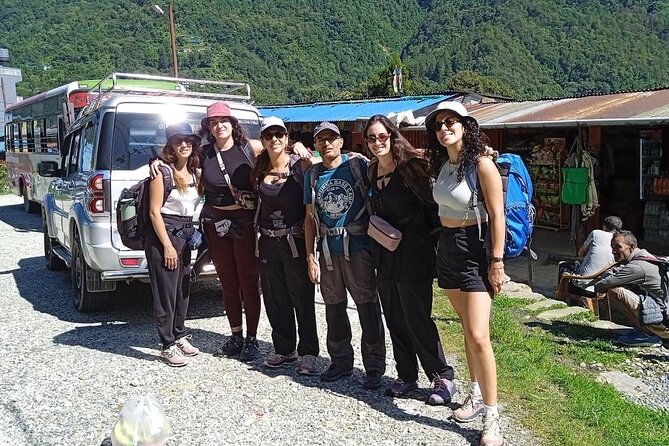
Day three pushes you from Low Camp (3,150m) to High Camp (3,580m), around 7 km in 4–5 hours.
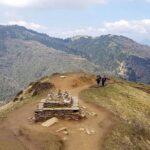
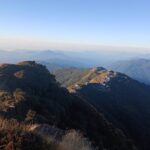
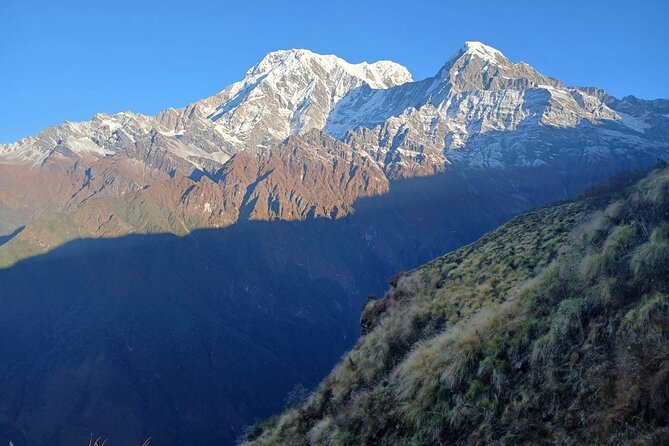
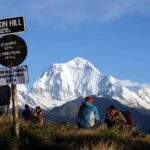
Here’s where the experience changes. You climb above the tree line, and the hiking starts to feel more open. You’ll also get broader panoramas over the Annapurna range and the Dhaulagiri range, with dramatic ridges that look different from every angle.
This is the day that often turns the trek from nice views into real mountain focus. When the forest ends, you see the geometry of the Himalayas—slopes, angles, and long-distance contours.
How to make Day 3 comfortable
Cold can creep in as you go higher. Bring layers that you can add or remove quickly. Also, keep your water intake steady; altitude makes you feel dry faster.
Day 4: High Camp to Mardi Himal Base Camp (4,500m) for sunrise and close-up ridges
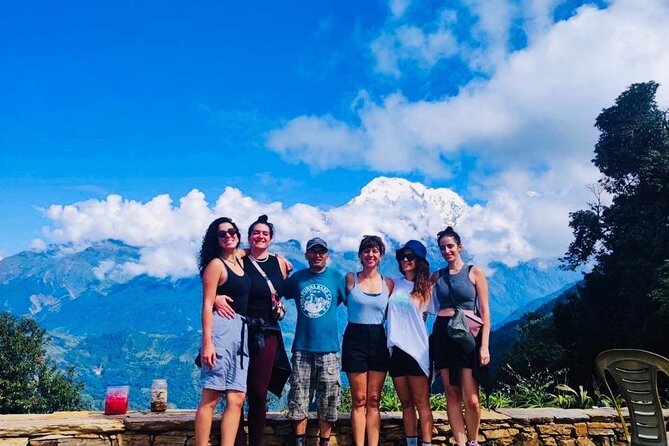
Day four is the big one. You hike from High Camp (3,580m) to Mardi Himal Base Camp (4,500m) and then back down. Expect 10–12 km and 6–7 hours.
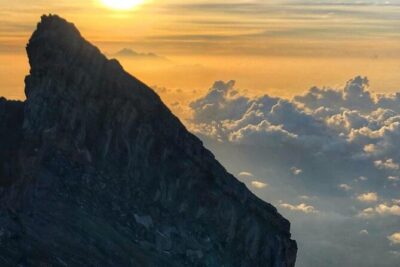
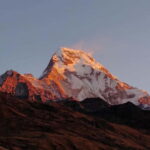
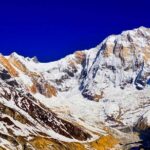
This day is designed around the payoff: sunrise views of the Himalayas, plus close-up scenery around Mardi Himal and the Annapurna massif. Even if you’ve seen photos, base camp is different because you’re actually standing near the lines you’ve been looking at all week.
The route on this day includes the climb up toward 4,500m, then the return. That means you’re getting both the effort and the relief in one long day—your legs will feel it, but the reward is clear.
How to prepare mentally for Day 4
Treat it like a long effort, not a sprint. Keep steps small, move steadily, and don’t get dragged into fast bursts. Sunrise viewing is worth it, but so is arriving with enough energy to enjoy what you came for.
Day 5: Descend to Siding Village (3,580m down to 1,700m) through fields and Gurung life
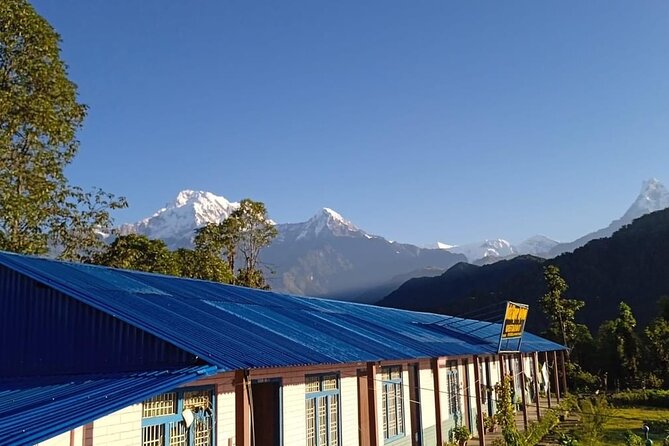
On day five, you shift gears from high-altitude hiking to community hiking. You go from High Camp (3,580m) down to Siding Village (1,700m). The plan includes about 8 km of trekking (4–5 hours) plus roughly 2 hours of drive.
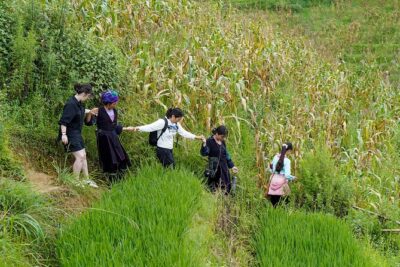
This is a satisfying change. You’ll pass terraced fields and traditional villages, and you’ll have a chance to connect with local Gurung culture. Even when the schedule is tight, village days can make the trek feel grounded and human.
Why this day matters
After four days of elevation and sky, the descent reminds you the trek isn’t only about views. It’s also about moving through working landscapes where people live year-round.
The main downside? It’s still a full day. Going downhill can be rough on knees and ankles, and the descent + drive combo means you won’t feel “rested” afterward. Plan for early nighttime sleep.
Day 6: From the trek to Kathmandu by tourist bus (about 7 hours)
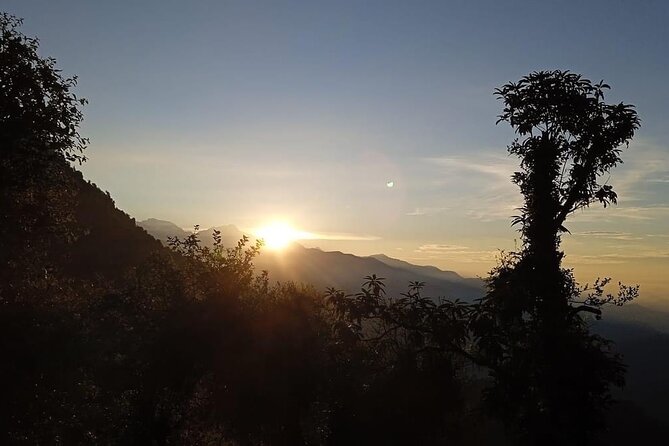
Day six is your reset day. You finish the trek side and then head to Kathmandu by tourist bus, a ride that’s listed at about 7 hours.
This is not the day to pack your calendar full of plans. The bus ride is your transition from mountain rhythm back to city schedules. If you’re thinking ahead, aim for a flexible evening so you can eat something satisfying and sleep without rushing.
Price and value: what $760 covers (and what you’ll still pay)
At $760 per person for about 6 days, this trek looks most expensive at first glance. But when you tally what’s included, you’re paying for more than a walking route.
Included highlights you’re getting:
- Pokhara to Kande by car and Shiding to Pokhara by private jeep
- A professional trekking licensed guide with insurance and guide food
- Tea house/lodge accommodation during the trek
- ACAP (Annapurna Conservation Area Permit)
- First aid kit and oximeter
- Key trekking meals: breakfast (5), lunch (5), dinner (4)
- 1 night in a 3-star hotel in Pokhara
- Flight ticket to Pokhara
- Tourist bus to Kathmandu
- Sleeping bag, down jacket, and duffle bag if necessary (returned after the trek)
What isn’t included (the budget items that can surprise you):
- Nepal entry visa fee
- Porter cost (you’ll handle this if you want extra help)
- Travel insurance (listed as compulsory)
- Meals in Pokhara (lunch/dinner there)
- Personal expenses like drinks, hot/cold extras, Wi‑Fi, battery charging
- Tipping the guide and porters
So the value question is really this: do you want a turnkey trekking package, with permits, guides, some gear support, and transport handled? If yes, the cost makes more sense. If you prefer to self-arrange everything and already have your gear and insurance locked in, you might spend less elsewhere—but you’d also be doing more work.
Logistics that actually affect your comfort
One nice detail here is that pickup is offered and you’ll have a mobile ticket. Those two things sound small, but they reduce friction when you’re traveling in a new country with early start times.
You’ll also be dealing with a private-group style setup: it’s listed as a private tour/activity, meaning it’s only your group. That tends to matter on trek days because the pace and decisions are yours to shape, as long as the schedule is followed.
Accommodation is tea house or lodge, which is exactly what you want on a trek like this: simple rooms, meals available, and you don’t have to carry everything yourself.
Gear, altitude, and the reality of 4,500m
This trek climbs from 1,770m up to 4,500m at Mardi Himal Base Camp, then comes back down to 1,700m in Siding Village. That’s a big altitude story in only a handful of days.
Even with a well-run route, altitude is always your responsibility. The good news is that the trek includes an oximeter and a well-equipped first aid kit—that’s helpful if you’re worried about how you’ll handle the height.
What I’d pack (basic, not fancy):
- Layers you can adjust fast (mornings and nights can be colder)
- Hiking shoes you already trust
- A small daypack for water and layers
- Sunscreen and sunglasses (higher elevation sun is real)
- A headlamp if you’re expecting early start vibes for sunrise
If you’re a beginner, the route can still work, but you should be honest about your hiking time and stamina before you go. The plan is structured so you’re not wandering, but it still asks for real walking.
Guide support: why Surendra and Yaka get people smiling
One theme that stands out from the experience feedback is organization and human help. People specifically thanked Surendra (manager) and Yaka for making the trek feel smooth and well managed.
That matters more than it sounds. On a trekking route, little things can become big things: meals at the right time, the day’s pacing, clarity about what comes next, and making sure you have the gear that fits your needs. When the team runs that well, you spend less mental energy on logistics and more on the hiking.
If you’re someone who worries about a first Himalayan trek, this kind of planning support is a major plus. One person even described the trek as suited to a beginner mountain climber, with detailed advice on trekking plans.
Who should book the Mardi Himal Trek?
This is a strong match if you:
- Want Annapurna-region views without jumping straight into the most crowded routes
- Like a trek that changes from forest walking to high, open ridges
- Prefer a guided experience where transport, permits, and meals are arranged
- Are okay with tea house/lodge simplicity in exchange for the mountains payoff
It may not be ideal if you:
- Need a fully gentle route with minimal elevation pressure
- Don’t handle long travel days well (the last day includes a 7-hour bus)
- Want to avoid budgeting for tipping and personal spending
Should you book this Mardi Himal Trek?
I’d book it if you want an organized, guided Mardi Himal experience with real trekking days, included permits, and transport that doesn’t eat your vacation. The price feels fair when you remember what’s already handled: guides, food, lodging, the Annapurna Conservation Area Permit, and even some gear support if you need it.
I’d think twice if you’re altitude-anxious or if you’d rather travel lighter and self-arrange. The trek reaches 4,500m, and while the route is built for walking, your body still decides how comfortable that feels.
If you’re ready to work for it—slowly and steadily—Mardi Himal delivers.
FAQ
How long is the Mardi Himal Trek?
The trek is listed as 6 days approximately.
Where do I start and where do I end?
You start in the Pokhara area (with drive time to Kande at the beginning) and finish in Kathmandu, with a tourist bus ride on the last day.
What is included in the price besides the trek?
The package includes transport segments (Pokhara to Kande by car and Shiding to Pokhara by private jeep), a licensed trekking guide, tea house/lodge accommodation, the ACAP permit, meals during the trek (breakfasts, lunches, and dinners as listed), a 1-night 3-star hotel in Pokhara, a flight ticket to Pokhara, and a tourist bus to Kathmandu. Pickup is also offered, and you get a mobile ticket.
Does the tour provide trekking gear?
Gear is included if necessary, including a sleeping bag, down jacket, and duffle bag (returned after the trek).
Are meals in Pokhara included?
Meals in Pokhara (lunch and dinner) are listed as not included.
Do I need travel insurance?
Yes. Your travel insurance is compulsory and is not included in the package.
Is a porter included?
Porter cost is not included. If you want porter help, you’ll need to arrange and pay separately.
Do I pay for a Nepal visa?
The Nepal entry visa fee is not included, and you may issue the visa upon arrival at the airport.