REVIEW · POKHARA
Trekking in Annapurna/Langtang/Everest/Upper Mustang regions
Book on Viator →Operated by Trekking Nepal with Raju - certified & professional guide · Bookable on Viator
One guide can turn a hike into a story. This Pokhara trek experience is built around choosing the right route in the Annapurna (or Upper Mustang) areas, then having Raju help you line up a practical itinerary that fits your group. I like that the focus stays on real walking days and local mountain life, not just check-the-box viewpoints.
Two things I especially like: first, Raju’s planning help before you go. In the reviews, Chris-style praise shows up as clear, text-based communication and route suggestions (with photos) to help you decide. Second, you’re paying for a guide whose food and accommodation are covered, which keeps your group fee simple to understand. The one consideration is that your own trekking-day costs are separate, especially your meals and trek lodging, so the total price can rise quickly once you add your personal logistics.
In This Review
- Key Points Before You Go
- Pokhara as Your Trek Launchpad
- Choose Your Trek Region: Annapurna, Langtang, Everest, or Upper Mustang
- Raju’s Role: The Difference Between a Walk and a Plan
- What a Day in the Annapurna Area Actually Feels Like
- A possible drawback to weigh
- Meals and the Real Cost: What You Pay vs. What’s Covered
- Transport and Meeting the Day Without Headaches
- Group Size, Pacing, and Why Private Matters
- Booking Timing and Weather Reality
- Should You Book This Trek with Raju?
- FAQ
- FAQ
- Where do the treks start and end?
- Which trekking regions can I choose?
- How long is the experience?
- Is pickup available?
- Is this a private tour?
- What’s the maximum group size?
- What is included in the price?
- What is not included?
- What fitness level is recommended?
- What happens if the weather is bad?
- What cancellation timing is allowed?
Key Points Before You Go
- Pokhara start and finish so you’re not spending your first day transferring across Nepal
- Route choices in Annapurna or Upper Mustang with day-hike and multi-day possibilities
- Raju helps shape the itinerary and can guide decisions using text messages and route ideas with photos
- Private group setup (max 15) so you can keep a steady pace without blending into a bigger crowd
- Guide food and accommodation included for better value and smoother days in the mountains
Pokhara as Your Trek Launchpad
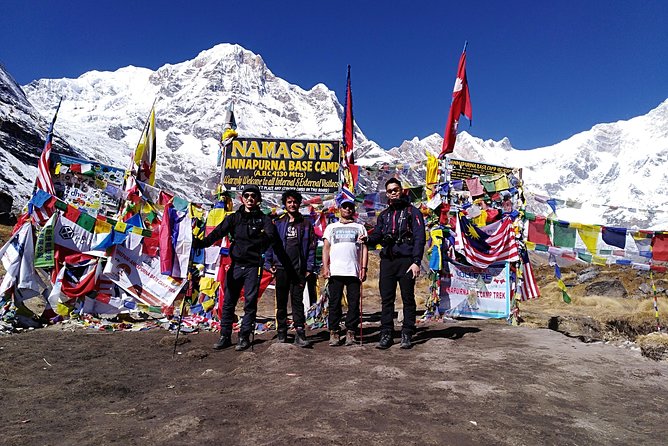
Pokhara is a smart place to base a trekking trip because it’s already set up for hikers. You get an easy starting point and usually less hassle than trying to coordinate logistics from far outside the area.
This experience is designed to have treks begin and end in Pokhara, with pickup offered. That matters because it reduces the time you spend figuring out transport, meeting points, and day timing. It also helps if your group wants flexibility, like switching between a shorter walk and a longer full day depending on energy.
Another practical win: it’s a private experience for your group only (up to 15). That usually means fewer compromises on pacing and fewer moments where you feel stuck waiting for strangers.
You can also read our reviews of more tours and experiences in Pokhara.
Choose Your Trek Region: Annapurna, Langtang, Everest, or Upper Mustang
The concept here is simple: pick the region and the route style that fits your ambition. You’re looking at trekking options across Annapurna, Langtang, Everest, and Upper Mustang in the broader setup, with the experience emphasizing routes in the Annapurnas or Upper Mustang.
Here’s how to think about the choice without overcomplicating it:
- If you want classic mountain views plus village texture close to Pokhara, focus on Annapurna-area routes.
- If you want something more distinct in feel and route character, Upper Mustang is the standout option mentioned in the plan.
Even within the same region, your guide’s job is to help tailor the itinerary. You can choose a day trek or a longer trek depending on how much time you actually have. The experience also notes that durations can range from around 2 hours up to about 1 day (and it explicitly allows day treks or multi-day treks), so the booking can match everything from a quick break to a longer mountain rhythm.
Raju’s Role: The Difference Between a Walk and a Plan
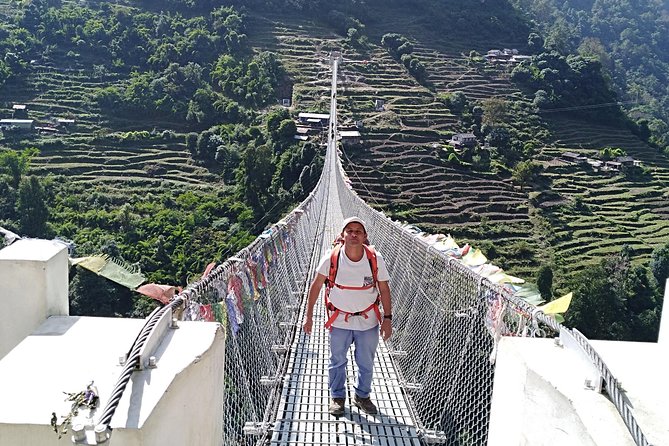
A big part of why this works is the guide: Raju Bhandari, described as certified and professional. In the reviews, Raju shows up as attentive and communicative, especially before the hike. People praised that he sent multiple trek suggestions and photos so they could make a decision without guessing.
You’ll feel that kind of planning in two places:
First, you can go into the day with a clearer idea of what you’re walking toward. Instead of picking a trail blindly, you’re able to compare options and decide what matches your comfort level and interests.
Second, Raju can help connect the dots for what’s needed beyond the guide fee. The experience says your guide will help you arrange the details, including itinerary planning and then support with the added pieces you pay separately, like food, accommodation, and transportation.
From a traveler’s perspective, that’s the real value of hiring a guide here: you’re not just buying someone to walk next to you. You’re buying planning help that prevents common travel friction.
What a Day in the Annapurna Area Actually Feels Like
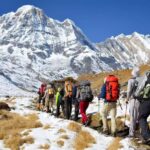
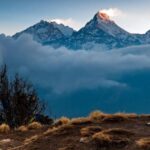
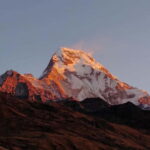
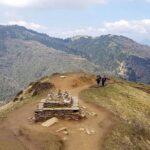
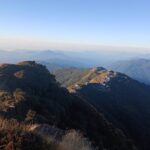
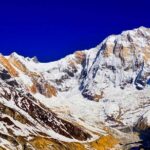
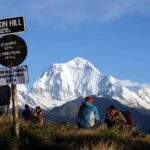
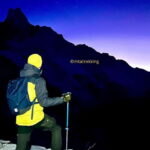
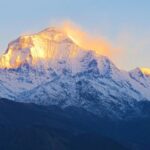
The itinerary example given focuses on an Annapurna Region hike, with an approximate 8-hour day. It’s framed as a chance to see beautiful mountains and experience Nepali mountain life.
For many people, that’s the sweet spot: long enough to feel like a real day in the hills, but not so long you burn the entire day just trying to get going.
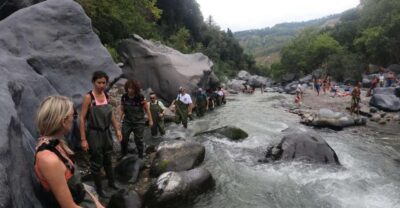
In the reviews, Raju’s commonly chosen routes in the Pokhara hiking world include Australian Camp and Dhampus. If you’re deciding what kind of day you want, here’s what those routes typically deliver in spirit:
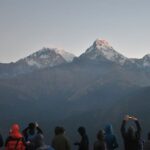
- Big views during key parts of the hike
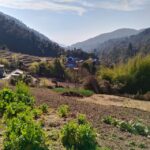
- Village walking and a sense of daily life beyond the tourist core
- Forest and local scenery along the way
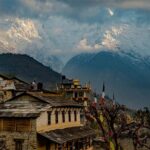
Even if your exact route differs, that mix is the point: you want both scenery and human scale. A mountain view is great, but it hits harder when you also see how people live on the same slopes—how trails connect homes, how walking fits daily routine, and how the local landscape feels from ground level.
One more note: the experience mentions an admission ticket as free for the Annapurna-style stop listed. If you’re booking an Annapurna day trek, that’s worth taking into account when you estimate your total cost for the day.
A possible drawback to weigh
A full day of walking is still a full day. Even with good guidance, you need to be comfortable with continuous effort for about 8 hours (at least for the Annapurna-style example). The experience calls for moderate physical fitness, so if your group is brand new to hiking or has mixed ability, ask early for a route that matches your slowest member.
Meals and the Real Cost: What You Pay vs. What’s Covered
Let’s break down money in a way that keeps your planning sane.
What’s included in the experience fee:
- Guide’s lunch and dinner
- Guide’s accommodation
What’s not included:
- Your lunch and drinks
- Your accommodation during the trek
- Private transportation (available on request, but not included)
- Guide tip
So the base price is mainly paying for the guided service, not paying for all your personal mountain expenses. That sounds obvious, but it’s where budgets usually surprise people.
Now the value side. The price is listed as $40.00 per group (up to 15). When you split that across a group, the guide fee can be quite reasonable, especially if you’re getting Raju’s planning help and you’re staying local to Pokhara. In practice, your biggest budget items will usually be the trip items that aren’t bundled: your own meals, any lodging, and any transport arrangements.
Here’s my practical approach: treat the $40 as the guiding-service anchor, then build the rest of your budget around your personal choices. If you plan to do a day hike and only need local food and minimal transport, your overall cost stays much more controlled. If you move into multi-day trekking with your own lodging and meals, your total will grow fast.
Transport and Meeting the Day Without Headaches
The experience states that pickup is offered, and it also notes it’s near public transportation. That’s helpful if you’re staying somewhere convenient and you want an easy rendezvous without turning the day into a logistics project.
It also says you can organize private transportation upon request, but it’s not included in the base rate. So if your group wants comfort and a direct ride, you’ll want to plan ahead and ask for options early. For most Pokhara-based hikes, you can likely rely on local access, but private rides can matter if your group has mobility limits or you’re short on time.
The big win here is that you’re not left alone to figure it out. With Raju involved, you can get guidance on what’s realistic for your chosen route and day.
Group Size, Pacing, and Why Private Matters
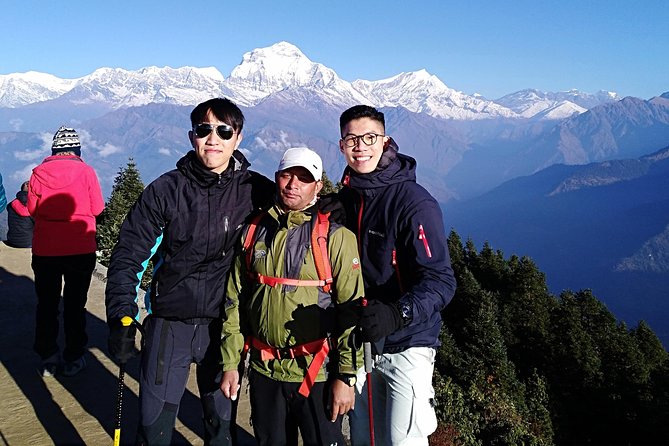
This is a private tour/activity, and it’s limited to a maximum of 15 people. That matters more than it sounds.
On crowded group hikes, you often lose time to regrouping and you hike at the pace of the slowest person. With a private group, you can usually keep a steadier walking rhythm, especially if you and your group agree on a pace at the start.
It also means your guide can spend more energy managing your day rather than managing a large, mixed crowd.
If you’re traveling with friends or family, this setup is usually a good fit. If your group is small, it can feel even more personal because the planning and route decision process has fewer moving parts.
Booking Timing and Weather Reality
You’ll also want to plan around the fact that confirmation happens at booking time. The experience requires good weather, and it says if it gets canceled due to poor weather, you’ll be offered a different date or a full refund.
That’s worth respecting, because mountain weather isn’t something you can negotiate. A better way to think about it: build some flexibility into your schedule. If you’re in Pokhara for only a tight window, you may want a backup day for a hike.
Also, the listing notes this is typically booked about 67 days in advance on average. If you want a specific trek style or a specific time window, early planning can help avoid route mismatches later.
Should You Book This Trek with Raju?
If you want a guided trekking day that’s anchored in Pokhara, built around Annapurna or Upper Mustang route choices, and shaped by a guide who actually helps you decide in advance, this is a strong option.
I’d book it if:
- Your group wants private guiding (max 15) and a calmer experience
- You appreciate a guide who communicates clearly and sends route ideas with photos
- You want mountains and local mountain life, not just a single viewpoint photo stop
- You’re comfortable covering your own meals and any personal lodging costs
I might pass or ask a lot of questions first if:
- Your group fitness is low and you need a very gentle schedule (the plan mentions moderate physical fitness)
- You’re expecting a fully all-in package for every meal and every night on trek (those items are not included)
If you take one thing from this review, let it be this: the planning side is the value. Raju’s strength isn’t only being on the trail. It’s helping you choose the right day and the right route so your hike feels like it was made for your group.
FAQ
FAQ
Where do the treks start and end?
The treks are designed to begin and end in Pokhara.
Which trekking regions can I choose?
You can choose trekking routes in the Annapurna, Langtang, Everest, and Upper Mustang regions, with options specifically in the Annapurnas or Upper Mustang.
How long is the experience?
It can run from about 2 hours up to about 1 day, depending on the trek you choose. Day treks and multi-day treks are both possible.
Is pickup available?
Yes, pickup is offered.
Is this a private tour?
Yes. It’s private, and only your group participates.
What’s the maximum group size?
Your group is capped at up to 15 people.
What is included in the price?
Your fee includes your guide’s food (lunch and dinner) and the guide’s accommodation.
What is not included?
Not included are your own lunch and drinks, your accommodation during the trek, private transportation (if you want it), and the guide’s tip.
What fitness level is recommended?
The experience is for travelers with a moderate physical fitness level.
What happens if the weather is bad?
The experience requires good weather. If it’s canceled due to poor weather, you’ll be offered a different date or a full refund.
What cancellation timing is allowed?
You can cancel up to 24 hours in advance for a full refund; within 24 hours, the amount paid is not refunded.