REVIEW · POKHARA
Independent Trekking Guide in Pokhara
Book on Viator →Operated by Trekking Guide in Pokhara · Bookable on Viator
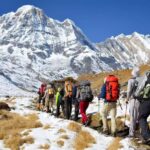
Pick your trek, then just hike. This private setup in Pokhara helps you match your ability and interests to the right route in the Annapurna region, with a guide handling the heavy lifting like permits, transport, and tea-house stays. I especially liked the bespoke, flexible pacing and the photo-minded coaching from guide Roshan, who also brings binoculars and a Canon camera for mountain-view moments.
The main thing to plan for is cost clarity: the $50 price is per day for the guide service only, and meals, lodging, permits, and transport may be separate unless you choose the fuller package. In other words, it’s a smart way to avoid decision fatigue, but you still need to budget for the mountain basics.
With a small group size (up to 8) and a starting time of 8:00 am, you’ll spend less time guessing and more time walking. The overall track record is strong—4.8 rating and 96% recommendation—so this feels like the sort of booking you make when you want confidence, not chaos.
In This Review
- Quick hits: what makes this Pokhara guide special
- Choosing the right Annapurna trek from day one
- Roshan’s guiding style: part route planner, part photo coach
- What’s included (and what you still pay for)
- Included in the guide service
- Not included unless you book the full package
- Price and value: how the $50/day model really works
- A realistic look at your trekking days
- Morning starts and settling in
- Walking with flexibility
- Tea houses along the trail
- Photo and learning moments
- Pickup options: Pokhara starts vs Kathmandu pickups
- Safety, weather, and fitness: what you should be honest about
- Porters and luggage: when to add help
- Who this private Pokhara guiding experience fits best
- Should you book this independent trekking guide in Pokhara?
- FAQ
- Where is the meeting point and what time do we start?
- How much does this cost, and is it for the full trek?
- Does the guide arrange trekking permits, transport, and tea-house lodging?
- What gear is provided for trekkers?
- Are meals and accommodations included?
- What fitness level do I need?
Quick hits: what makes this Pokhara guide special
- Trek matched to you: You tell the guide your details, and he recommends the best Annapurna-region option for your group and desire level.
- Planning handled, not just leadership: Permits, transport, lodging, and food can be arranged so your brain stays on the views.
- Photo support built in: Roshan is a trekking guide trainer and also works as a mountain-scenery photographer, with guidance tied to your interests.
- Weather and gear help included: Trekkers get poles, a sleeping bag, rain ponchos, and a headlamp to make the trail day easier.
- Private by default: It’s your group only, and you can add porters later if you want help carrying up to 20 kg (extra cost).
Choosing the right Annapurna trek from day one
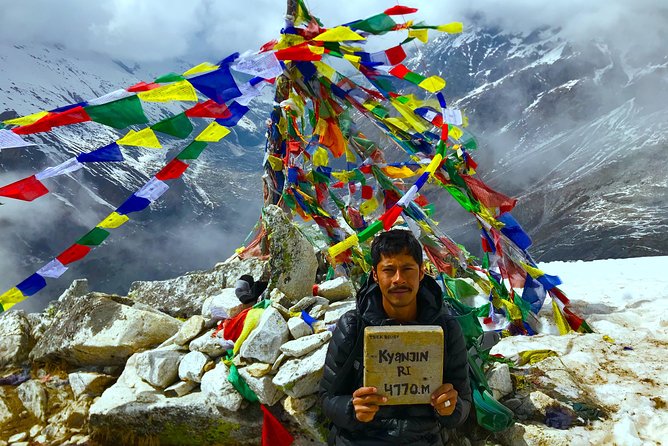
The best part of this experience is that you don’t start with a fixed script. Instead, you sit down with an experienced guide and talk through your ability and what you actually want—more walking, more scenery, more culture, or a pace that feels comfortable. Then he recommends an option that fits.
That matters in the Annapurna region because the “right trek” can mean different things depending on your comfort with steep sections, time on your feet, and the kind of days you want. If you’re newer to trekking, you’ll want the route that lets you build rhythm without turning every hour into survival mode. If you’re experienced, you might want something that lets you maximize trekking days.
And here’s the practical bonus: if you book a trek and later want to shift to a next one, you can change it or cancel for free after you contact him. That kind of flexibility is rare when you’re trying to organize a Nepal trek from afar.
If you want a short trip, a longer one, or a route that suits your group, you’re not stuck with a single length. You choose the trekking days, and the guide adapts.
You can also read our reviews of more tours and experiences in Pokhara.
Roshan’s guiding style: part route planner, part photo coach
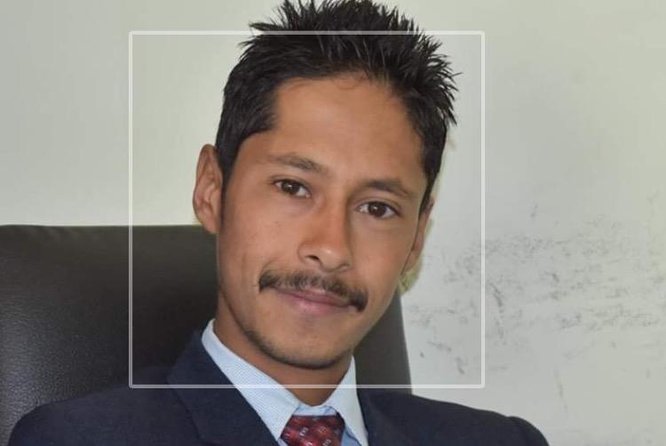
Roshan isn’t just a person who knows trails. He’s an English-speaking professional trekking guide and also a trekking guide trainer from the Ministry of Tourism, Nepal, with experience producing trekking guides in Nepal. You feel that in how he prepares for safety and how he explains what you’re seeing.
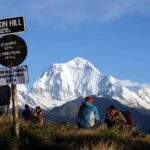
One standout detail: he’s also a photographer. That means you can ask questions that go beyond hiking logistics. He offers mountain-view photographs along with explanations related to photography, plus natural, cultural, socio-economic, and geographical aspects of Nepal, depending on what interests you.
In plain terms, this is a good choice if you like your trekking day to include moments of learning. You’ll get more than a checklist of sights. You can ask for photo guidance, and the guide can help you think about how to capture what’s around you as you walk.
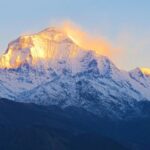
It’s also practical: a guide who sees photography as part of the trek often pays extra attention to timing—when the light hits, how viewpoints open up, and where small pauses can turn into memorable images. Even if you’re not trying to become a photographer, the extra observation tends to make the hike feel richer.
What’s included (and what you still pay for)
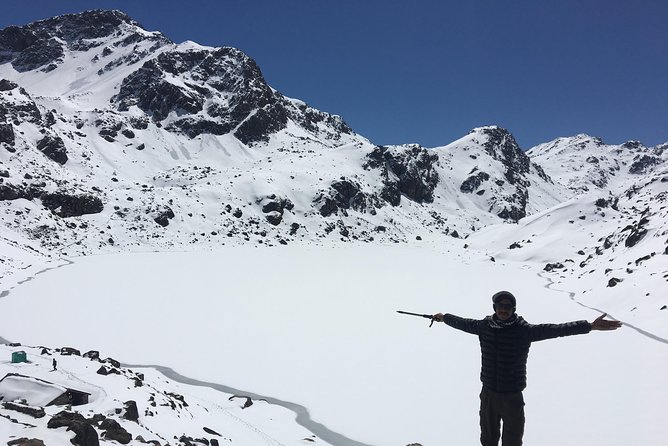
Let’s sort the costs into buckets, because this is where people get tripped up.
Included in the guide service
Your booking includes:
- English speaking professional trekking guide
- Food, accommodation, and insurance for the guide
- Trekking poles, sleeping bag, waterproof rain ponchos, and a headlamp
- 8×21 Bushnell binoculars
- A Canon 5D Mark IV DSLR with a lens carried by the guide
- Porters are available for an extra fee (USD 20 per porter/day) and can help carry up to 20 kg luggage
So you’re not just paying for someone to walk in front of you. You’re also getting key comfort and safety gear for trekkers, plus photo tools that can make a difference in how you enjoy the scenery.
Not included unless you book the full package
For this independent guide setup, these are listed as not included:
- Your foods and accommodations (they can be included in a full package booking)
- Trekking permits and transportations (also included in a full package)
- Your visa fees and trekking insurance (you’re expected to arrange your own trekking insurance)
The big takeaway: if you want a mostly “one payment and done” experience, ask for the full package trek that bundles guide, porters, meals, lodging, transport, and trekking permits.
Price and value: how the $50/day model really works
The price is $50 per group, up to 8 people. On average, it’s booked about 93 days in advance, which tells me most people plan carefully for Nepal timing and weather windows.
But the most important line is that the price mentioned is payment for one day only, not the whole trek. So if you’re doing a five-day trek (the typical duration listed is about 5 days), that’s the guide service cost for those trekking days, plus whatever other components you choose to bundle.
Here’s why this can still be great value:
- You pay for the expertise when you need it: route matching, permits help, logistics, pacing, and safety prep.
- If you’re already comfortable with certain parts of the trip (like arranging your own travel inside Nepal), you can keep things lean and only pay for guidance.
- If you want a smoother, more predictable total cost, you can choose the full package, which includes the items that usually create last-minute headaches.
The “value” angle is really about reducing your decision load. Trek planning in the Annapurna region can turn into too many tabs: permits, timing, which route to choose, where you’ll sleep, and how you’ll move between points. This booking shifts a lot of that thinking from your laptop to the guide’s experience.
A realistic look at your trekking days
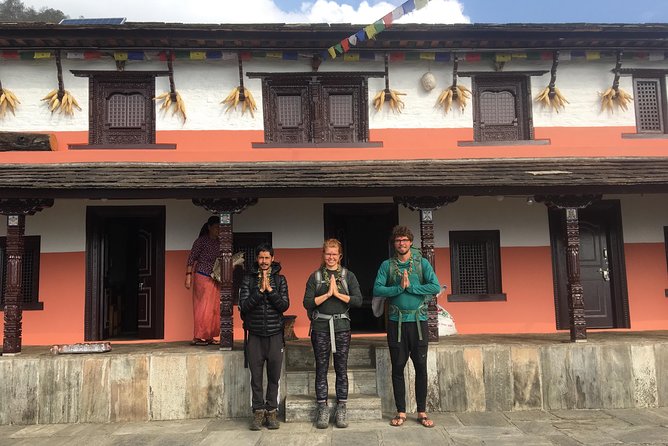
There isn’t a single fixed itinerary here, because you choose how many days you trek. That said, the rhythm of your days will follow a pretty clear pattern.
Morning starts and settling in
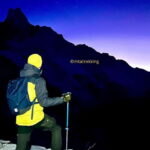
Your meeting start time is 8:00 am. On day one, you’ll align on what you want from the trek and confirm the plan. This is also when the guide’s prep matters—he’s set up to prepare for safety as thoroughly as possible, and he provides trekking poles, a sleeping bag, waterproof rain ponchos, and a headlamp.
That gear list is one of those small details that actually changes comfort a lot. Rain protection helps you keep hiking instead of calling it early. A headlamp matters for evenings when it’s dark and you’re trying to move without drama.
Walking with flexibility
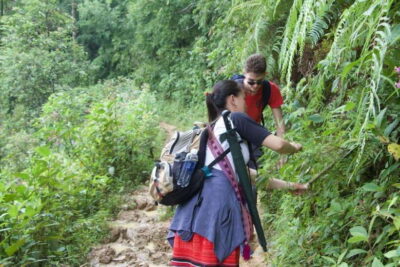
Each trekking day is your choice, and that private setup makes a difference. With your own guide and your own group, the pace doesn’t have to match strangers. If someone needs a slower break, you can build that into the day. If the group feels good and wants to push a bit, the guide can adjust.
Tea houses along the trail
The guide arranges lodging and food in tea houses on every trail. That’s a practical win. Tea houses are where you’ll likely eat and sleep, and having the guide organize it saves you from walking into the wrong situation—like an option that isn’t right for your needs.
Tea-house trekking isn’t just about convenience. It also shapes the emotional feel of the trip. You get a daily rhythm: hike, rest, eat, recover, then repeat. When meals and lodging are handled, you spend more of your energy enjoying the day and less on logistics.
Photo and learning moments
Because Roshan brings photography support, you can ask for small stops that turn into something you remember. Even if you’re not using the DSLR yourself, having binoculars (8×21 Bushnell) can be useful for spotting mountain details and watching how scenery changes with time of day.
He’ll also share explanations tied to your interest—natural, cultural, socio-economic, and geographical topics. If you want a more reflective trek, this adds a layer without adding extra hours.
Pickup options: Pokhara starts vs Kathmandu pickups
Where the trek begins affects how you plan your arrival day.
- For many treks, including the Annapurna Circuit, Langtang & Gosaikunda treks, the guide will pick you up from Kathmandu.
- Other treks start from Pokhara.
Since the meeting time is 8:00 am, you’ll want to line up transportation and timing so nobody is sprinting out the door. If you’re combining Nepal travel with sightseeing in Pokhara or Kathmandu, this matters.
If your trip is anchored in Pokhara already, the Pokhara-start options are simpler. If you want the longer, higher-ambition trekking combinations that connect through routes starting from Kathmandu, plan your arrival and transfer time accordingly.
Safety, weather, and fitness: what you should be honest about
Trekking in the Himalaya is physical. This experience requires moderate physical fitness. That doesn’t mean you need to be an athlete. It does mean you should be comfortable walking for hours and handling uneven terrain.
The guide also prepares as much as possible for safety. In practice, that looks like having key gear ready (poles, rain protection, headlamp) and having an experienced leader who can advise on pacing and trek selection based on your details.
Weather is another real factor. This service requires good weather, and if it’s canceled due to poor weather, you’ll be offered a different date or a full refund. That’s important to know if you’re traveling during shoulder season or if your schedule is tight.
Finally, if you’re traveling with service animals, service animals are allowed. Always double-check expectations with the guide ahead of time, but at least this isn’t a dealbreaker on paper.
Porters and luggage: when to add help
If your goal is to hike comfortably and keep your pack weight reasonable, consider whether you need a porter. Porters are available for an extra USD 20 per porter/day, and they can help carry up to 20 kg luggage.
This is where you can make your trek feel very different. Even if you can physically carry your own pack, lighter luggage often makes uphill days feel better and keeps you moving with less fatigue. If you’re traveling as a group, porters can also reduce stress for the person who packed too much.
That said, you shouldn’t add a porter just because it exists. It’s a value choice:
- Choose a porter if you want energy to spend on the scenery and slower pacing.
- Skip it if you’re already traveling light and feel confident carrying your essentials.
Who this private Pokhara guiding experience fits best
This is a strong match if:
- You want a private trekking experience with only your group
- You feel unsure about which Annapurna route suits you
- You want someone to handle permits, transport, and tea-house arrangements
- You care about photos and you’d like some actual coaching, not just a quick stop for a picture
It’s also ideal for groups up to 8, where coordination matters. In a small group, you’ll notice quickly if the pace and plans aren’t right for everyone. Private guiding helps you solve that early.
If you’re the type who likes to decide on the fly and keep flexibility in your hands, this model supports that. If you want a fully packaged end-to-end trip, you can book that too through the full package option.
One caution: because the guide fee is per day and meals/lodging/permits can be bundled or not depending on your booking type, you’ll want to confirm exactly what’s included in your total plan before you arrive.
Should you book this independent trekking guide in Pokhara?
Book it if you want peace of mind and you value planning help as much as hiking. The combination of route matching, logistics support (permits, transport, tea houses), and gear like rain ponchos, poles, and headlamps makes this feel practical from the start. Add in Roshan’s photo coaching and the strong track record (4.8 rating, 96% recommendation), and it’s the kind of guide experience that tends to pay off day after day.
Skip it or reconsider if you’re trying to keep everything ultra-budget with a strict all-in total, because the $50/day guide service can add up once you include meals, lodging, permits, and transport unless you choose the full package. Also, be honest about your fitness level. Moderate fitness is required, and the mountains don’t negotiate.
If you’re ready to choose the trek that fits you (and you want someone to do the organizing work), this is a very workable way to experience the Annapurna region without drowning in logistics.
FAQ
Where is the meeting point and what time do we start?
The meeting start time is 8:00 am. Pickup depends on the trek: some treks start from Pokhara, while the Annapurna Circuit, Langtang, and Gosaikunda include pickup from Kathmandu.
How much does this cost, and is it for the full trek?
It costs $50.00 per group (up to 8). The price is for one day only, not the whole trek.
Does the guide arrange trekking permits, transport, and tea-house lodging?
Yes. The guide can organize permits, transport, accommodation, and food in tea houses along the trails. For a full package booking, those items can be included.
What gear is provided for trekkers?
You’ll receive trekking poles, a sleeping bag, a pair of rain ponchos, and a headlamp.
Are meals and accommodations included?
Not by default. Foods and accommodations are listed as not included unless you book a full package trek, which can include guide, porters, foods, accommodations, transports, and trekking permits.
What fitness level do I need?
You should have moderate physical fitness. The service is private, and service animals are allowed.