REVIEW · LOMBOK
Rinjani Trekking 3D2N Summit
Book on Viator →Operated by Team Backpacker · Bookable on Viator
Mount Rinjani is not a walk in the park. This 3D2N supported hike is a great way to tackle a tough summit trek without wrestling logistics, and I really like that all park fees and food are handled. One thing to plan for: the altitude gets seriously cold, even below freezing, so your clothing choices matter as much as your stamina.
I also like the human side of this trek. You get a local guide and porters, which means you focus on the trail instead of hauling your whole kit up the mountain. The route also hits the sights that most people chase in Lombok—both crater rims, Segara Anak Lake, and waterfalls—so you’re not just “going up and down.”
If you want more comfort at camp, note the tradeoff: this is a supported trek that runs on a practical budget. You’ll sleep in camps and keep things simple, with comfort levels varying depending on whether you choose a private or shared option.
In This Review
- Key things I’d circle before you book
- A guided Rinjani summit trek that cuts through logistics
- Price and what you actually get for your budget
- Senaru Village: where you reset before the climb
- Pickup, transfers, and starting your trek day with less stress
- Day 2: First crater rim vibes at Sembalun
- Day 3: Summit effort, Segara Anak Lake, and ridge sunrise
- Day 4: Descend through Senaru and catch the waterfall stops
- Packing for Rinjani: cold nights, rough terrain, and swim-ready stops
- Comfort level: what you get at camp (and how to choose private vs shared)
- Guide and porters: the real reason this trek feels manageable
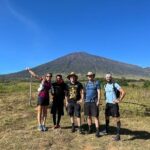
- Group size and the feel of the hike
- Who this trek suits (and who should think twice)
- Should you book Rinjani Trekking 3D2N Summit?
- FAQ
- FAQ
- What is the duration of the Rinjani Trekking 3D2N Summit?
- Where is pickup and drop-off included?
- What does the price include?
- What footwear and clothing should I bring?
- Are meals provided during the trek?
- Is this trek dependent on weather?
Key things I’d circle before you book
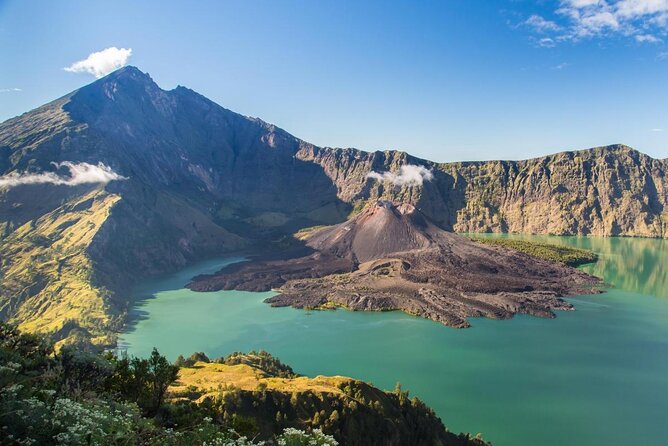
- Summit + both crater rims for big views, not just a “reach one viewpoint and stop” hike
- All camping gear, full board meals and drinks so you don’t manage daily food logistics
- Porters carry your gear which can make or break a hard multi-day hike
- Park entry fees included, removing one more pay-on-arrival headache
- Sunrise and sunset timing built into the trek day planning from the ridges
- Cold-weather packing is essential, with rentals available for some items
A guided Rinjani summit trek that cuts through logistics
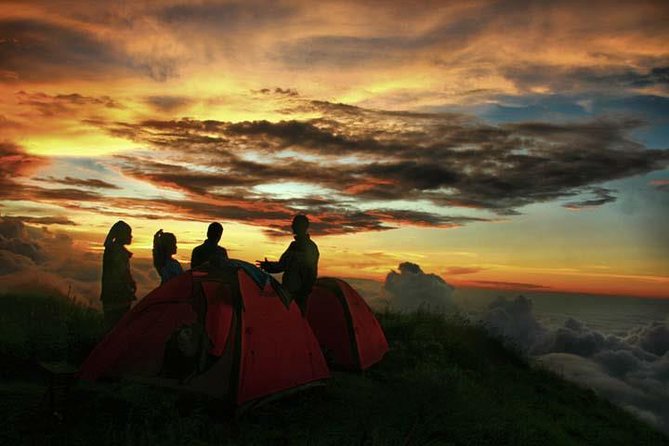
Mount Rinjani rewards the prepared. The good news is that you don’t need to be a logistics wizard to do this trek well. The biggest value here is support: a local guide, porters for your gear, camping gear included, and a plan that moves you from village to crater rims and down again.
For you, that means less time sorting transport, entry fees, and day-by-day logistics. Instead, you spend your mental energy on the trail itself—pace, breathing, and keeping your energy steady for the summit push.
Also, this trek is built for active travelers. Expect hard walking, changing weather, and long days where your body will do a lot of work. If you’re the kind of traveler who enjoys being tired (in a good way), this is a strong match.
You can also read our reviews of more tours and experiences in Lombok.
Price and what you actually get for your budget
At about $243.92 per person, this trek prices itself around what you’re not paying separately: park fees, meals, camping gear, guide, and transfers in and out of the mountain area.
It’s worth thinking about it like this:
- If you tried to DIY it, you’d still be paying for entry access, hiring local help, and figuring out meals and equipment.
- Here, most of those costs are wrapped into one package.
So the real question isn’t just the dollar amount. It’s whether you want your money to buy support—porters, guide, food, and included camping gear—so you can focus on hiking and enjoy the scenery without administrative stress.
Senaru Village: where you reset before the climb
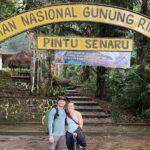
You start with a night in Senaru Village. That matters because Rinjani is all about rhythm. After arrival and pickup, you get time to settle, manage what you need for the next days, and sleep before the mountain asks for serious effort.
From Senaru, the trek routine becomes clear:
- day hiking on the mountain,
- camping at designated sites on the slopes/rims,
- then coming back down to the village to finish.
You’ll feel the difference between “warm village logistics” and “cold ridge reality.” If you’ve never hiked at altitude, take advantage of that first village night to double-check clothing layers, snacks, and footwear grip.
Pickup, transfers, and starting your trek day with less stress
A key feature is return transfers to and from the mountain. That removes one of the most annoying parts of planning a hike in Lombok: getting to the right starting area and returning safely at the end.
This tour also includes an air-conditioned vehicle, which is a small comfort but a real one on travel days. After sitting in traffic or bouncing around on uneven roads, having a cooled ride can help you arrive less drained. When you’re about to hike hard, being rested is not a luxury—it’s part of the plan.
Day 2: First crater rim vibes at Sembalun
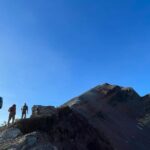
On the second day, you begin the trek and work your way toward the Sembalun crater rim. This is usually the “first big milestone” feel of the journey: you’re transitioning from village energy into full mountain immersion, with steeper sections and thinner air than you’re used to.
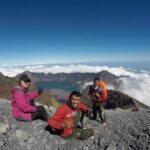
That crater rim is also your first chance to read the mountain’s mood. Light changes quickly, clouds can move in fast, and wind on the ridge can be sharp. This is where your layering strategy pays off. Even if mornings feel manageable, you can still get cold once you’re higher.
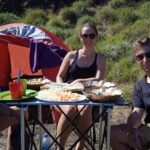
You’ll camp on the mountain that night. Camping on volcanic terrain means you’ll be living outdoors for real—wind, cold nights, and a sleeping setup that’s functional rather than plush.
Day 3: Summit effort, Segara Anak Lake, and ridge sunrise
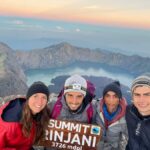
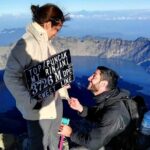
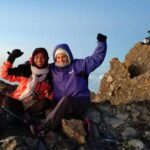
Day three is the heart of the trek: you push toward the summit of Mount Rinjani, then you continue through major viewpoints, including Segara Anak Lake. Expect this to be the most physically demanding day, because summit hikes usually mean long effort and tight timing.
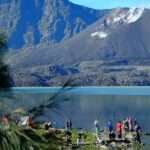
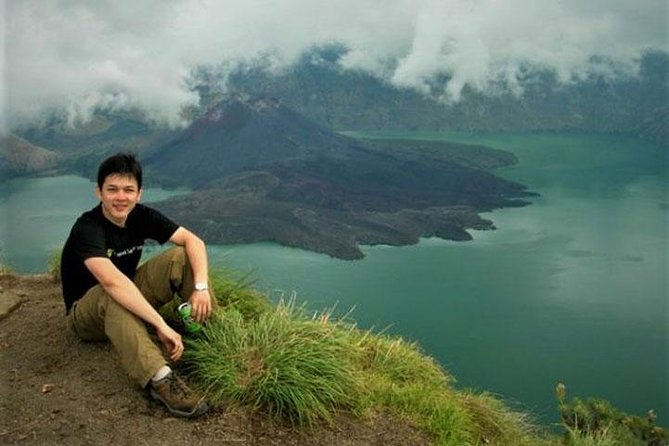
What makes this day more than “just a summit” is the sequence. Reaching both crater rims across the journey changes the perspective again and again. The lake adds another emotional shift too—seeing Segara Anak after hours of altitude walking gives you a different kind of reward than only looking outward.
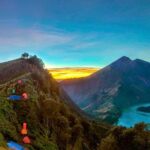
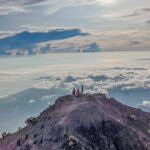
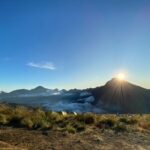
The trek also sets you up for sunrise moments from the high points. Sunrise views from volcanic ridges can be dramatic, and the whole camp-to-ridge schedule is built around getting you there while the light is right.
One practical thing: pace yourself. Summit days punish the “too fast at the start” approach. I’d rather start steady, feel strong halfway, and finish with less panic than go out hard and fade.
Day 4: Descend through Senaru and catch the waterfall stops
On the final day, you come down to Senaru Village. This is the payoff for your legs—relief, relief, relief—plus the chance to end with a bit of nature variety rather than only trekking.
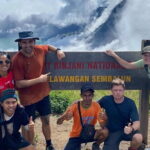
Waterfalls are part of the experience. You’ll see Sindang Gila Waterfall, and also Sendang Gile and Tiu Kelep Waterfall. Water in the middle of a volcanic trek gives you contrast: instead of volcanic rock and cold wind, you get misty air and moving water that feels like a reset.
Bring your mindset downshift. You might feel tempted to rush on the descent, but your knees will appreciate controlled steps. Think “short steps, steady weight,” not “finish sprint.”
Packing for Rinjani: cold nights, rough terrain, and swim-ready stops
The trek asks you to bring specific items, and it’s not just for comfort—it affects safety.
Do plan on:
- Good trekking shoes (grip matters)
- Long pants, because high altitude can reach minus temperatures
- A tick coat or jacket if you don’t have one, you can rent one on the spot
- Swimwear, since the program expects you to have it
Also note what’s not included: small towels, and personal medicine. If you’re prone to blisters, bring your own treatment. If you need any prescriptions, bring enough for the whole trip—don’t assume you’ll find it last-minute.
And I’ll add one more practical point from the hiking mindset: pack layers like you’re preparing for weather swings. You can walk in a warmer spell and then freeze at night or at a ridge viewpoint.
Comfort level: what you get at camp (and how to choose private vs shared)
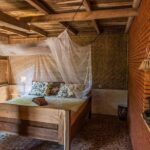
This is a hike first, comfort second. You’ll be camping, and you’re not going to have luxury comforts everywhere.
That said, there’s a meaningful difference depending on the option you choose:
- If you go shared, the service runs more budget-focused and can feel more basic at camp.
- If you choose the private option, you can expect more deluxe camp comfort like chairs and pillows.
So choose based on your priorities:
- If your goal is pure adventure and you don’t care about camp perks, shared is the value play.
- If you know you’ll get grumpy without decent rest, pay for private. Better sleep means better energy for tough hiking days.
Either way, don’t assume a cushy setup. You’re still sleeping outdoors and waking up for early movement.
Guide and porters: the real reason this trek feels manageable
A good guide can change everything on a summit trek. Here, you’ll travel with a local guide and porters, and the role of the porters is huge: they carry your gear so you’re not dragging heavy weight while climbing.
Also, the human attention matters. The trekking leader—Radu—is specifically mentioned for care and attention to the group. That kind of guidance makes the difference between confusion and flow, especially when conditions change.
Finally, the trekking pace and food rhythm help. This trek provides meals and drinks, but I’d still recommend carrying a few snacks of your own. On hard hiking days, you’ll want quick energy that feels familiar and easy to eat.
Group size and the feel of the hike
This experience has a maximum of 100 travelers. That’s large enough that you should be aware you may not feel like a tiny expedition. Still, the trek is supported and planned, so you’re not doing everything alone.
If you’re someone who prefers quiet, you’ll want to manage your expectations. You’ll still get big views and intense mountain moments—but you may also share camp and trail segments with other people.
Who this trek suits (and who should think twice)
This is best for active travelers who can handle a challenging hike and don’t mind rougher outdoor sleeping conditions. If you love trekking and your idea of a good vacation includes sunrise plans, cold mornings, and sore legs, you’ll likely have a great time.
You might want to think twice if:
- You get overwhelmed by cold and altitude quickly
- You need a very soft comfort level at camp
- You aren’t confident in your footwear and endurance
Also, remember the trek “requires good weather.” If weather turns, the program may offer a different date or a full refund—so plan flexibility into your overall Lombok schedule.
Should you book Rinjani Trekking 3D2N Summit?
I think this trek is a strong booking choice if your priority is a real Mount Rinjani summit experience with support handled for you—meals, camping gear, porters, park fees, and transfers.
Book it if you:
- want crater rims, Segara Anak Lake, sunrise and sunset viewpoints, and waterfall time
- like structured plans but still want authentic hiking effort
- are ready to dress for serious cold
Consider a different approach if you:
- want maximum comfort at camp with minimal cold exposure
- dislike hard days where altitude changes your energy fast
If you’re prepared for the physical side and you pack smart for the cold, you’ll get the kind of trip that feels earned—not just watched.
FAQ
FAQ
What is the duration of the Rinjani Trekking 3D2N Summit?
The trek runs about 4 days, with 3 nights (one night in Senaru Village and two nights camping on the mountain).
Where is pickup and drop-off included?
Pickup is offered at any place or port within Lombok. Drop-off depends on the option: private tours can drop you at any location within Lombok, while shared tours cover specific areas such as Mataram, Senggigi, Pemenang area, and certain harbors.
What does the price include?
The package includes all camping gear, full board meals and drinks, an air-conditioned vehicle, all transfers in and out, 1 night hotel in Senaru Village, Mount Rinjani National Park fee, and a local guide with porters.
What footwear and clothing should I bring?
Bring trekking shoes with good grip. You should also bring long pants and cold-weather layers (a jacket or tick coat rental may be available on the spot). Swimwear is also suggested.
Are meals provided during the trek?
Yes. Full board meals and drinks are included for the trek days, plus camping support.
Is this trek dependent on weather?
Yes. It requires good weather. If canceled due to poor weather, you may be offered a different date or a full refund.