REVIEW · LOMBOK
Trekking Rinjani Mountain Summit 2 Days 1 Night – Em Adventure
Book on Viator →Operated by Em Adventure · Bookable on Viator
Rinjani wakes you up fast, and that is the point. This 2 days 1 night summit trek pairs a licensed guide and local porters with full camping gear and real mountain food, so you can focus on pacing instead of logistics.
I also like the way the route builds in you getting your legs under you: a gentle climb through open meadows on day 1, then a nighttime summit push on day 2 aimed for sunrise. One thing to think about up front: this is still a hard hike with loose volcanic scree on the final approach, so you need solid fitness and a calm head in the dark.
In This Review
- Quick highlights before you commit
- A small-team summit trek is about more than comfort
- Getting into position: the day-before pickup and Sembalun hotel night
- Day 1, Sembalun to the crater rim: gentle steps toward a big camp
- Day 1 camp essentials: what you carry vs what the team handles
- Day 2 at 2:00 am: the sunrise summit plan
- The final descent: back to Sembalun, not just halfway
- Food, water, and toilets: the hidden comfort factor
- Price and logistics: is $225 good value for this trek?
- What to bring: light packing beats last-minute panic
- Who should book this trek, and who should think twice
- Should you book Em Adventure’s 2 Days 1 Night summit trek?
- FAQ
- What is the duration of this Rinjani trekking experience?
- Where does the trek start, and how early does it begin?
- What is the meeting point and where does the trip end?
- How high is the summit, and when do you reach it?
- Is camping gear included?
- What meals and water are included?
- What should I plan for if weather is bad?
Quick highlights before you commit
- Small groups (up to 8, often described as around 6): less chaos, more hands-on guidance.
- Crater-rim camping at 2,639m: you get sunrise and sunset potential without rushing the first day.
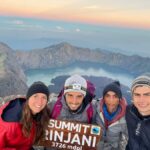
- Night summit timing for sunrise: wake around 2:00 am and aim for the 3,726m top near 6:00 am.
- Camping gear and meals are handled: tent, sleeping bag, bed mat, toilet tent, and 3 meals a day.
- Support that starts before the trail: day-before pickup and a hotel night in Sembalun.
- Guides with real local experience: you may meet team leads such as Mr. Em and guides like Pam.
A small-team summit trek is about more than comfort
At 3,726 meters, Rinjani is not a casual “see a view” hike. The best part of this trek setup is that it treats the mountain like what it is: a physical challenge plus a planning challenge. You get a licensed mountain guide and local porters, and that changes the whole feel of the trip. Less improvising. Fewer delays.
This also matters because the route includes two very different days. Day 1 is long and gradual, with multiple stops and a lunch break around the mid-elevation zone. Day 2 turns into a pre-dawn push, where energy management and good guidance are the difference between smooth progress and constant stops.
You can also read our reviews of more tours and experiences in Lombok.
Getting into position: the day-before pickup and Sembalun hotel night
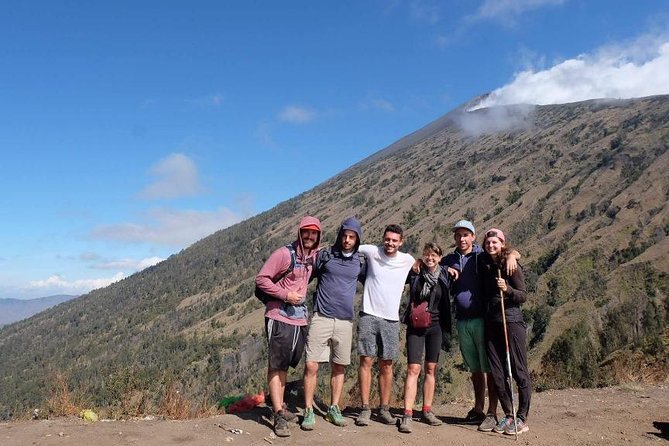
You’re not just dropped at a trailhead and told good luck. The trek includes pickup the day before the trek starts and a hotel night in Sembalun. That means you sleep in the right area, at the right elevation, before registration and the climb.
Pickup coverage is broad: Kuta, Mataram, Senggigi, Bangsal, Labuhan Lombok, Tetebatu, Senaru, and even airport pickup. End of the trip also returns you back to the meeting point area, with a clear start-and-finish anchor.
Why this helps: altitude and early mornings hit harder when you’re already tired from travel. A hotel night in Sembalun lets you start day 1 with your body ready to work, not to recover from traffic.
Day 1, Sembalun to the crater rim: gentle steps toward a big camp
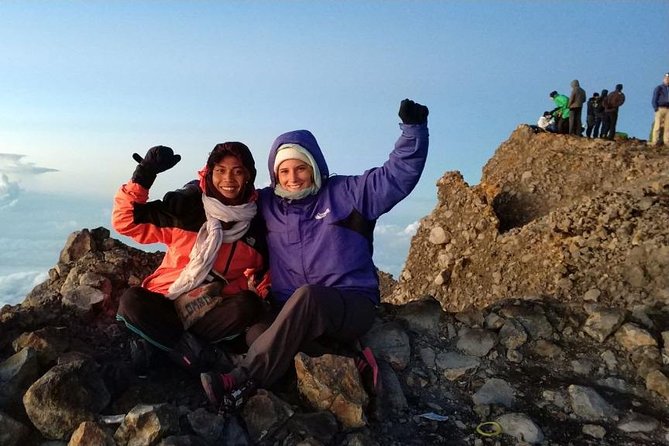
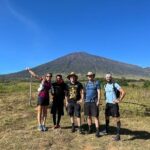
Day 1 starts from Sembalun and begins with a gentle climb through open meadow. The pace is intentional: you’re walking up in daylight, building steady rhythm before the sharper effort later.
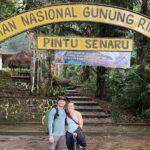
You’ll register at the Rinjani information center before the hike starts. Then the route moves through marked posts:
- Post 1 (about 1,300m)
- Pos 2 (about 1,500m)
- Pos 3 (about 1,800m) where you take lunch and a rest
That lunch stop at around 1,800m is more important than it sounds. It breaks the day into manageable blocks so you’re not burning yourself out early. You can grab food, rehydrate, and reset your breathing before the final push of the day.
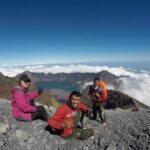
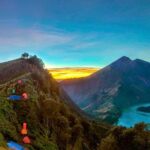
From there, you head to the crater rim (about 2,639m). Plan on about 3 hours including a prolonged steep climb to reach camp. When you arrive, you’re high enough to feel the air change and still close enough to enjoy your surroundings in the evening.
The crater rim setting is one of the best parts of this trip. You get the chance to watch sunset and sunrise from the rim, which is a rare luxury when your legs are already tired.
One practical drawback: the higher you get, the more your clothing strategy matters. A good tip from experienced trekters with this exact route is not to overpack heavy layers for the summit day. You want enough warmth to function comfortably, not a backpack full of guesswork.
Day 1 camp essentials: what you carry vs what the team handles
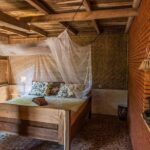
This trek includes all camping equipment: tent, sleeping bags, bed mats, a toilet tent, and a pillow. That is real value. Summit treks live and die on weight and stress, and carrying the wrong stuff is a fast way to feel miserable.
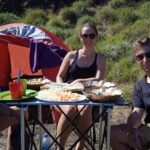
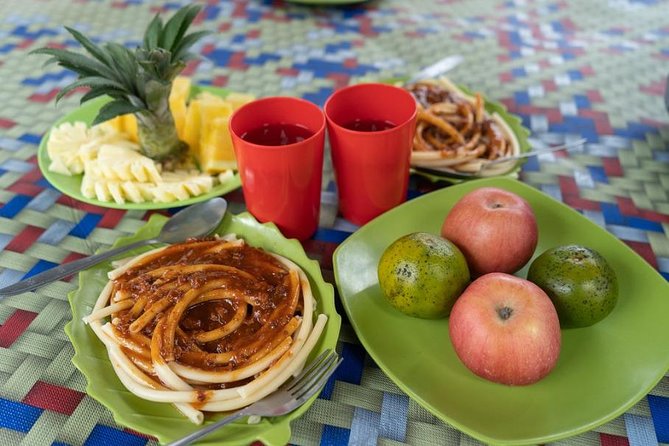
Food is also handled: three meals daily on the mountain. Water is included in two ways—mineral water on day 1 and mountain spring water on day 2. The practical upside is you’re not constantly calculating whether you should ration or skip.
Why I think this matters: when you know the gear and meals are covered, you can spend your mental energy on pacing and hydration instead of worrying if your setup will work. That is the kind of “small” benefit that makes the big climbs feel possible.
Also, there is a review-based caution worth taking seriously: one person noted there was a trash issue on the mountain. You can’t fix what’s already there, but you can control your own habits. Keep a small bag for your personal waste so you’re never stuck leaving anything behind.
Day 2 at 2:00 am: the sunrise summit plan
Day 2 starts before your brain fully wakes up. You’ll be up around 2:00 am with a hot drink and a light breakfast, then you start the summit walk around 3:00 am.
The ascent at this hour is a very specific kind of challenge:
- First, a moderate trek
- Then a fairly easy but longer trek
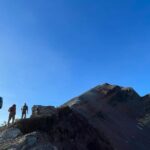
- Finally, a steep approach over volcanic scree where the ground is looser
That last part is not the time for heroics. Loose volcanic scree rewards steady foot placement and a slower cadence. If you’ve ever tried to hike over gravel that shifts under you, you already understand the muscle burn. With the right timing and a good guide, it becomes controlled work instead of panic scrambling.
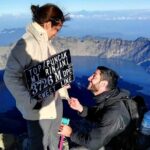
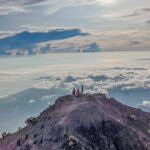
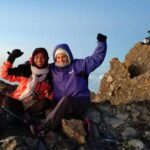
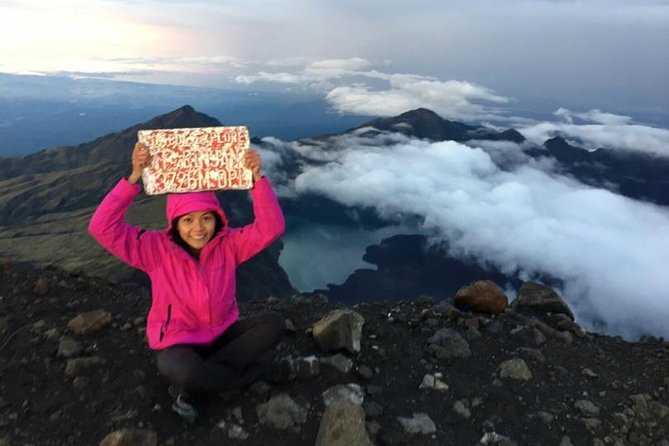
You aim for the summit around 6:00 am, reaching the top at about 3,726m. The payoff here is the sunrise—the exact kind of reward that makes early starts feel worth it.
The final descent: back to Sembalun, not just halfway
After the summit, the plan is to descend into the crater rim near Sembalun within about 2 hours, then continue down to Sembalun village over roughly 5 more hours. So yes, it’s not just a summit badge and done. You’ll still have a long downhill stretch where your knees and thighs get tested.
The descent is also where good guidance matters. Loose surfaces can be easier on your lungs but tougher on your joints. If you find yourself rushing, slow down. That is how you avoid turning day 2 from “tough but manageable” into “tender all the way back.”
Food, water, and toilets: the hidden comfort factor
It’s easy to focus on the summit and ignore the basics, but basics are what make the difference in real-world trekking. Here you get:
- 3 meals on mountain each day you’re hiking
- Water included (mineral day 1, spring day 2)
- Sleeping setup including sleeping bag and mat
- A toilet tent
This is the kind of “boring” inclusion that saves you from scrambling at the last minute. If you’ve trekked before, you know that one missing item can wreck sleep or mood.
One more review-based note worth applying: carry some medicine and an alternative food option for safety. Even if the meals are plentiful and solid, altitude, appetite shifts, and stomach sensitivity can happen fast. Having a simple backup helps you stay calm and keep moving.
Price and logistics: is $225 good value for this trek?
The listed price is $225 per person for a 2-day 1-night Rinjani summit trek. On paper, that could sound high or low depending on what’s included. Here’s what pushes it toward good value:
You’re getting:
- Licensed guide + local porter support
- Hotel night in Sembalun before the trek
- All camping equipment (not just a tent)
- Meals (3 times daily) plus water
- National Park entrance fees included (listed as 150,000 IDR per day per person)
- Air-conditioned vehicle and pickup across multiple areas
When you total those items, you’re not just paying for steps on a trail. You’re paying for a whole support system. The trip also caps group size at up to 8 (and is described as aiming for max 6), which is part of why the price can hold steady without cutting corners.
What you should budget for on top: personal expenses and tipping for the guide and porters are not included.
My advice on value: if you want a summit hike where you don’t spend your energy managing gear, food, and timing, this package structure is doing a lot of work for you.
What to bring: light packing beats last-minute panic
This trek includes major gear, but you still need the personal items that keep you functional in the cold and on loose scree. Based on route-specific tips:
- Don’t overpack bulky clothes for the summit day. Dress for layers you can adjust, not for a heavy wardrobe.
- Bring some medicine and plan for stomach comfort. The route runs long days and big effort.
- Consider an alternative snack/food in case your body does not love the mountain schedule or your appetite changes.
Beyond that, use common sense trekking logic: a headlamp for the pre-dawn hours is standard, and comfortable footwear matters more than anything trendy.
If you’re trying to be a minimalist, good. This setup means you don’t have to carry the whole camp. You should still keep your personal bag tight enough that you’re not fighting your own weight during the steep parts.
Who should book this trek, and who should think twice
This trek is best for you if:
- You have strong physical fitness
- You’re okay with early mornings and long hiking hours
- You want a structured, supported summit attempt without handling camp setup
- You prefer a small group with a guide-led pace
It may not be your best choice if you’re:
- Very new to strenuous multi-hour hikes
- Sensitive to nighttime trekking or loose ground
- Unsure about your ability to handle a steep scree final approach
Also, weather matters. This experience requires good weather, and if conditions force a cancellation, you’ll be offered a different date or a full refund.
Should you book Em Adventure’s 2 Days 1 Night summit trek?
I think you should book this if you want the summit goal with support that looks practical, not just promotional. The combination of a hotel night in Sembalun, a small group, and full camping gear + meals is exactly what makes a hard hike feel manageable.
Book it especially if you value:
- Clear pacing with stops and lunch planning on day 1
- A summit schedule built for sunrise
- A team setup that handles the heavy camp logistics
I’d hesitate only if you’re not confident about strenuous hiking or loose scree. For most fit trekkers, though, this is a well-shaped plan: day 1 earns your camp, day 2 pays for the effort with sunrise at the top.
If you want, tell me your current fitness level and hiking experience (and whether you get altitude headaches easily). I can help you gauge whether this 2D/1N Rinjani summit format fits you.
FAQ
What is the duration of this Rinjani trekking experience?
It runs for about 2 days, with the trek itself spanning two days and the plan including a hotel night in Sembalun before the trekking begins.
Where does the trek start, and how early does it begin?
The tour starts at Em Adventure at the Sembalun area address, and the start time is listed as 7:00 am. The trek from Sembalun begins at about 8:00 am after registration.
What is the meeting point and where does the trip end?
The meeting point is Em Adventure’s office address in Sembalun. The activity ends back at the meeting point.
How high is the summit, and when do you reach it?
The summit is listed at about 3,726 meters. The plan reaches the summit around 6:00 am.
Is camping gear included?
Yes. Camping equipment is included, such as tents, sleeping bags, bed mats, a toilet tent, and a pillow.
What meals and water are included?
You get all meals on the mountain (3 times daily). Mineral water is included on day 1, and mountain spring water is included on day 2.
What should I plan for if weather is bad?
This experience requires good weather. If it is canceled due to poor weather, you’ll be offered a different date or a full refund.