REVIEW · LOMBOK
Mount Rinjani Second Summit Trekking ( 2Days-1Night )
Book on Viator →Operated by Dhyns Rinjani Hiking · Bookable on Viator
Mount Rinjani’s second-summit rim trek is intense, but it’s built for people who want real volcano views without carrying camp gear. I like that the hike is guide-led with porters doing the heavy lifting, and I also like the camp setup includes sleeping gear and even a toilet tent so you can focus on the trail.
One thing to keep in mind: this is still a hard mountain walk. Even with help and shared pacing, you’re dealing with steep climbs, cold nights, and long hiking hours, especially if you’re a beginner.
In This Review
- Key takeaways before you go
- Mt. Rinjani Second Summit from Senaru: What You’re Really Signing Up For
- Price and Value: What $170 Covers (and What It Doesn’t)
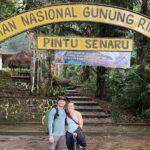
- Where the Trek Starts: Rinjani Trekking Official in Senaru
- Day 1 on the Trail: Getting Up to Senaru Crater Rim Camp
- Sunset and Sunrise: The Views That Make the Hard Parts Worth It
- Camping Comfort: More Than a Tent in the Dark
- Water, Food, and Pace: How the Support Team Keeps You Moving
- Shared Trekking and the Group Reality (Max 10 People)
- Logistics You Should Not Ignore: Transport, Tips, and Entrance Fees
- Who This Trek Is Best For (and Who Should Rethink It)
- Packing Light: Use the Luggage Storage Strategy
- Should You Book This 2 Days 1 Night Rinjani Rim Trek?
- FAQ
- How long is the Mount Rinjani Second Summit trekking package?
- Where does the trek start and end?
- How much does the trek cost?
- What is included in the package?
- What is not included?
- How many people are in the group?
- Do I need good weather for this to run?
- Is luggage storage available?
- Is the trek suitable for beginners?
Key takeaways before you go
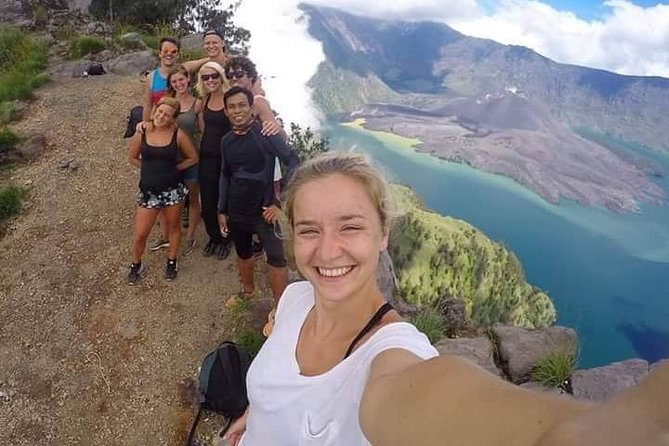
- Crater-rim camping on an active volcano with sunset and sunrise viewpoints over the Gili Islands and Bali’s Mt. Agung
- English-speaking guide + professional porters so you hike lighter while they carry cooking gear and camp equipment
- Luggage storage at Dhyns Rinjani Hiking office so you don’t add extra weight on the trail
- Camping includes basics done properly: tent, sleeping bag, mattress, pillow, chair, and a toilet tent with paper
- Small-group trekking with a maximum of 10 travelers for a more manageable pace
Mt. Rinjani Second Summit from Senaru: What You’re Really Signing Up For
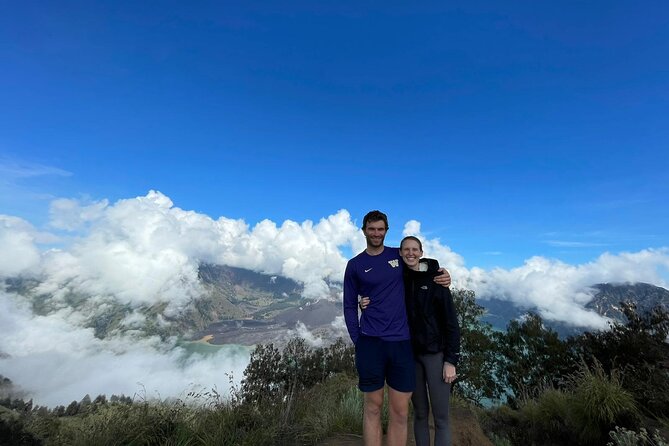
This is a 2-day, 1-night package that targets the Rinjani experience from the Senaru side, with an overnight camp on the crater rim. The goal here is not summit bragging rights. The payoff is the rim viewpoints—where you can look out at the crater lake and the islands on the horizon.
Senaru crater rim is described as a popular stop for beginner trekkers, but don’t let the word beginner fool you. This is still Rinjani terrain: steep sections, big altitude work for your legs, and long days. What makes this trek worth it is that the organization is set up to keep the trip moving and safe, with the guide doing the decision-making on the ground and the porters handling logistics.
You can also read our reviews of more tours and experiences in Lombok.
Price and Value: What $170 Covers (and What It Doesn’t)
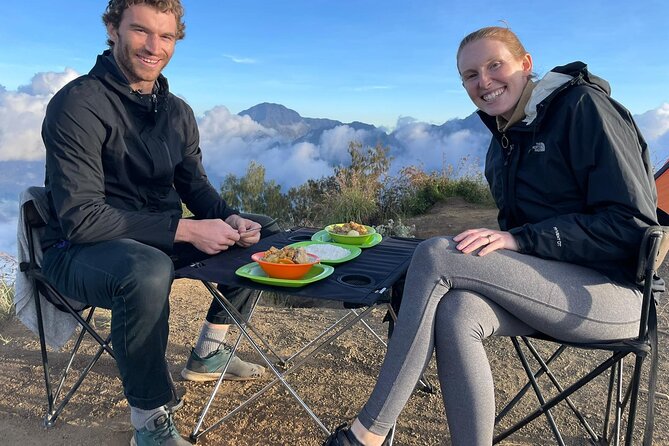
At $170 per person, you’re paying for an organized, supported volcano outing. The biggest value is that your hike doesn’t also turn into a camping gear rental and cooking operation you have to manage yourself.
What’s included in the package:
- Trekking guide and porters (they carry cooking gear and camping equipment)
- Experienced English-speaking guide and professional porters
- Food and drinking water: 3 litre mineral water per person per day
- Camping gear: tent, toilet tent + paper, sleeping bags, mattress, pillow, and chair
- Luggage storage at Dhyns Rinjani Hiking office
What’s not included:
- Extra porter for your own luggage
- Tips for the guide and porters
- Transport pick-up before and transfers after the trek
- Entrance fee: Lombok IDR 410,000 per person
From a value angle, the entrance fee and tips are the two common “surprise” costs people forget. The good news: once you’re on the trail, the rest is pretty clearly covered—food, water, camp, and the support team.
Where the Trek Starts: Rinjani Trekking Official in Senaru
The meeting point is Rinjani Trekking Official, Jln. Pariwisata, Senaru, Kec. Bayan, Kabupaten Lombok Utara, Nusa Tenggara Bar. 83354, Indonesia. The activity also runs within opening hours listed as 7:00 AM to 1:00 PM, Monday through Sunday.
Practically, this means you should plan your arrival to Senaru so you’re not rushing at the last minute. If your transport to the meeting point is separate from the trek package, build in buffer time. Getting to the start calmly makes a big difference when your legs are about to do their first climb.
Day 1 on the Trail: Getting Up to Senaru Crater Rim Camp
Day 1 is the climb toward the Senaru crater rim viewpoint, where you’ll camp. This part is where the trek earns its reputation. Even if the plan is friendly enough for less-experienced trekkers, the ascent is still a real workout.
What I like about the way this is set up is the division of labor:
- You focus on the hiking rhythm.
- The porters carry the kitchen and camping items.
- Your guide handles route pacing and helps keep you moving toward the right viewpoint timing for the night.
Also, your camp location is the point of the whole trip. You’re not just walking past something pretty. You’re spending the night on the rim, so your views aren’t limited to a quick photo stop.
Sunset and Sunrise: The Views That Make the Hard Parts Worth It
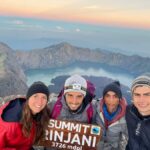
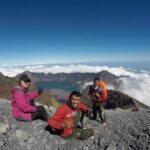
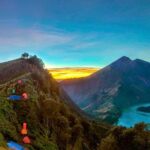
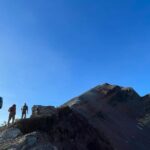
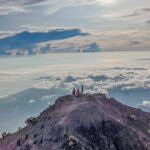
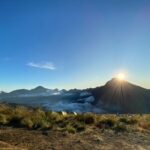
The highlights of this trek are the rim moments—especially sunset and sunrise from the Senaru rim viewpoint. This is where you’re looking outward at the horizon. You’ll get sunrise magic tied to the Gili Islands, plus views that can include Bali’s Mt. Agung.
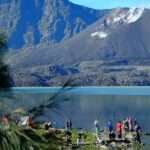
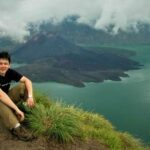
From the camp rim area, you also get a strong sense of the volcanic bowl below. The Senaru rim is described as a viewpoint where you can see the crater lake and three Gili islands. That’s a big deal: a lot of hikes can give you height, but fewer give you both height and a clear view of the volcano’s interior.
One more reality check: weather on Rinjani can change fast. The trek is described as requiring good weather, so if visibility is poor, the experience still happens, but the views may not look as dramatic as on a perfect day.
Camping Comfort: More Than a Tent in the Dark
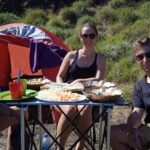
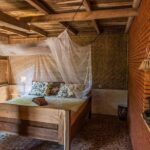
A lot of “volcano camping” sounds tough until you see what’s actually included. Here, camping gear is part of the deal, not an optional add-on.
Included camp items:
- Tent
- Restroom tent plus paper
- Sleeping bag
- Mattress, pillow, and a chair
This matters because your night quality affects your next day’s hike. If you’ve ever done a trek where you sleep on the ground and then wonder why your body feels wrecked, you’ll understand the value of having at least a basic setup.
You’re also camping on a crater rim, which can feel colder than you expect after a day hike. The sleeping gear is meant to help you recover, not just to keep you out of the rain.
Water, Food, and Pace: How the Support Team Keeps You Moving
Food and drinking water are included, with 3 litre mineral water per person per day. That’s a practical inclusion on a trek like this. You need fluids for altitude effort, sun exposure, and the constant climbing rhythm.
The guide-led structure is another big factor. The experience is described as suitable for less-experienced trekkers and even families with older children, and that only works when someone is steering and porters are keeping the burden off your back.
In past trips organized by Dhyns Rinjani Hiking, guides and porters have been credited by name for making things feel safe and manageable—examples include Darwin, Adet, Ali, Nur, and Oky. Porters like Saleh and a supportive presence like Jen also show up in the kind of trip experience people value: help when you’re tired, fast responses to questions, and steady care.
Even if you don’t get the exact same names, the pattern is the same: you want a team that manages the small moments—snacks, encouragement, pacing—so the hike doesn’t turn into stress.
Shared Trekking and the Group Reality (Max 10 People)
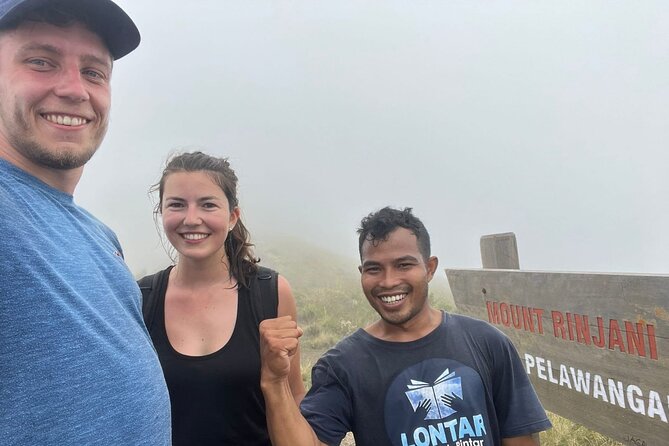
This operates as a small group trek with a maximum of 10 travelers. Shared trekking can be a good thing because it keeps costs reasonable and creates a more social atmosphere than a private hike.
Still, shared trekking can also mean your day-by-day route timing might differ depending on what other people booked. One concern shown in the experience feedback is that if some people are on a longer version, you might have a different day pattern than others in the group. If you’re choosing the 2-day option, mentally prepare for the possibility that day 2 could involve turning back when your itinerary ends.
The key takeaway: keep your expectations aligned with a rim-focused route, not a longer multi-day summit push.
Logistics You Should Not Ignore: Transport, Tips, and Entrance Fees
There are a few practical costs outside the $170 that you should plan for:
- Entrance fee: IDR 410,000 per person
- Tips for guide and porters
- Transport pick-up and transfers after the trek (not included)
Since the trek depends on good weather, it’s also smart to build your Lombok schedule with some flexibility. Rinjani doesn’t care about your travel timetable. If clouds roll in or conditions change, the operator will need to adapt.
Who This Trek Is Best For (and Who Should Rethink It)
This trek is marketed as suitable for less-experienced trekkers and families with older children. That tells me the pacing and support are designed to make the hike achievable—especially because porters carry equipment and the guide helps with routing and motivation.
You’ll likely love it if:
- You want the crater lake and rim viewpoints without doing a longer, summit-heavy program
- You want camping support included (sleeping bag, mattress, toilet tent)
- You like the idea of sunrise views over the Gili Islands and possible sightlines to Bali’s Mt. Agung
- You value an experienced English-speaking guide and professional porters
You might reconsider if:
- You’re looking for an easy walk. This is still a hard hike, and the rim climb is not a gentle stroll.
- You’re very sensitive to cold nights or long hours. Even with camping gear, the terrain is demanding.
Packing Light: Use the Luggage Storage Strategy
A big quality-of-life feature here is luggage storage at Dhyans Rinjani Hiking office. That’s the difference between arriving with a heavy bag and carrying only what you need for your hike.
If your goal is to feel comfortable:
- Pack a day bag with what you’ll need on the trail.
- Leave the rest in storage.
- Avoid assuming you’ll want to carry extra items just because you brought them.
If you want someone to carry your personal luggage too, that’s listed as an extra porter cost, so you’d plan for that separately.
Should You Book This 2 Days 1 Night Rinjani Rim Trek?
Book it if you want the best part of Rinjani—the crater rim views—without turning your trip into a multi-day summit grind. The package value is strong because you get the full support system: guide + porters, water, meals, and real camping gear, including a toilet tent. The sunrise-and-sunset payoff over the Gili Islands, plus crater lake views, is the reason this trek keeps getting high ratings.
Pass or choose a different format if you need something low-effort, or if you’re not prepared for a serious hike even with support. This trek is for people who want volcano drama, not comfort-only trekking.
If you’re ready to work for the views, this is one of the more practical ways to do it from Senaru—camp on the rim, sleep through the night at the edge, then wake up for the kind of scenery that makes you forget how tired your legs feel.
FAQ
How long is the Mount Rinjani Second Summit trekking package?
It’s listed as a 2 days and 1 night trekking experience, and the overall duration is shown as about 3 days.
Where does the trek start and end?
The trek starts at Rinjani Trekking Official in Senaru and ends back at the same meeting point.
How much does the trek cost?
The price is $170.00 per person.
What is included in the package?
Included are a trekking guide and porters, food and drinking water (3 litre mineral water per person per day), tent and sleeping gear (sleeping bags, mattress, pillow, chair), and restroom setup (a toilet tent and paper). Luggage storage is also available.
What is not included?
Not included are extra porter service for your own luggage, tips, transport pick-up and transfers after the trek, and the Lombok entrance fee of IDR 410,000 per person.
How many people are in the group?
The trek has a maximum group size of 10 travelers.
Do I need good weather for this to run?
Yes. The experience requires good weather, and if it’s canceled due to poor weather, you’ll be offered a different date or a full refund.
Is luggage storage available?
Yes. Luggage storage is available at Dhyans Rinjani Hiking office.
Is the trek suitable for beginners?
It’s described as suitable for less-experienced trekkers, and also families with older children, but it remains a challenging hike. Most people can participate.