REVIEW · KATHMANDU
14-Day Private Annapurna Base Camp Trek
Book on Viator →Operated by Nepal Hiking Team · Bookable on Viator
Annapurna Base Camp is a moving target of wonder. This private 14-day trek from Kathmandu strings together altitude, culture, and logistics so you can spend your energy walking, not managing details.
I especially like the built-in structure: airport pickup, Kathmandu and Pokhara hotel nights, plus return transport to Kathmandu. I also like the hands-on support, with an experienced guide, a porter between two trekkers, and trekking gear such as a down jacket and sleeping bag that’s included.
One consideration: during the trek, lodge rooms are shared (4/5 per room), and you still need your own travel insurance and personal trekking items. Add in a long day (an 18 km stretch) and you’ll want truly comfortable moderate fitness before you go.
In This Review
- Key things I’d zero in on before you book
- Entering the Annapurna Base Camp story from Kathmandu
- Route snapshot: from Pokhara rise to Base Camp at 4,230m
- Day-by-day walking: how the trek is paced (and where it may feel long)
- Kathmandu to Pokhara: less hassle, more trekking time
- From Tikhe Dhunga to Ghorepani: classic trail rhythm and stamina testing
- Chhomrong, Dovan, and Deurali: where the trek becomes the trek
- Up to Annapurna Base Camp via Machhapuchhre Base Camp
- The long descent to Bamboo, then the hot spring reset
- Lodges, shared rooms, and menu-controlled meals
- Gear, permits, and the safety net that comes with a staffed team
- Private group comfort: what it changes on the trail
- Price and value: what $1,090 buys you in real terms
- Who should book this Annapurna Base Camp private trek
- Should you book this 14-Day Private Annapurna Base Camp Trek?
- FAQ
- How long is the Annapurna Base Camp trek?
- Where does the trek start and end?
- Is this trek private?
- What’s included during the trek in terms of meals and lodging?
- Do I need travel insurance?
- Are trekking permits included?
- What trekking gear is provided?
- How are airport transfers handled?
- Is there any altitude or health monitoring included?
- What about drinking water and other drinks?
Key things I’d zero in on before you book
- Jhinu Danda Hot Spring: a proper soak after the long trek back down toward Pokhara.
- Altitude numbers you can plan around: from Pokhara’s ~910m to Base Camp at 4,230m.
- Private group feel: only your group participates, with guide and porter support built in.
- Included trekking kit: duffle bag, trek map, down jacket, and sleeping bag use.
- Meal choice on the trail: breakfast, lunch, and dinner included during trekking days, with menu selection for meals.
- Oximeter and first-aid kit: included kit lets your team monitor oxygen level and heartbeat during the trek.
Entering the Annapurna Base Camp story from Kathmandu
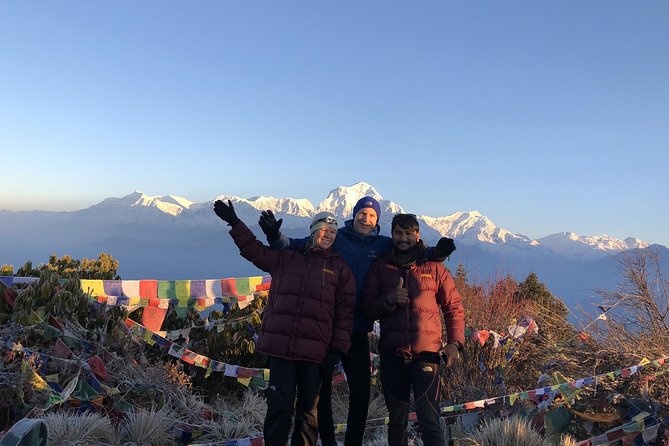
This trek is built around one big goal: reaching Annapurna Base Camp (4,230m) while still giving your body time to adjust. You start in Kathmandu, then work your way through classic trekking hubs that also double as “pause and breathe” towns, where lodges and trail traffic help keep things predictable.
You also get an easy win: your package handles a lot of the early stress. Airport pickup, hotel stays in Kathmandu and Pokhara, and the return ride back to Kathmandu mean you’re not hunting transport after a travel day or a grueling day of walking.
And because it’s private, you can feel the difference in pace. Your guide can nudge the schedule to your group’s comfort level, instead of herding strangers down a narrow trail.
You can also read our reviews of more tours and experiences in Kathmandu.
Route snapshot: from Pokhara rise to Base Camp at 4,230m
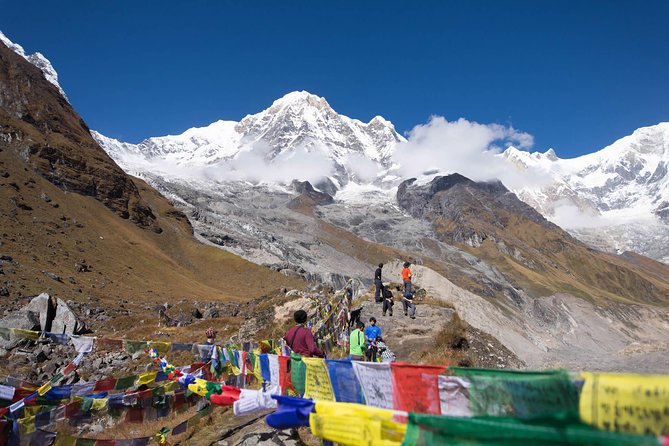
You’ll head from Kathmandu to Pokhara first, around sea level to low altitude by Nepali standards (Pokhara at about 910m). Then the trek begins climbing into the Annapurna range, stepping through elevations like Tikhe Dhunga (about 1,495m), Ghorepani (about 2,850m), and Tadapani (about 2,500m).
The “earned view” moment is tied to Poonhill, which you reach before continuing onward. From there, you keep gaining altitude through Chhomrong (around 2,020m), Dovan (around 2,600m), and Deurali (around 3,200m).
The big day is Day 9: walking up to Annapurna Base Camp via Machhapuchhre Base Camp. It’s described as about 8 km and 5–6 hours, but at altitude, time stretches. Expect the win to feel earned, not rushed.
Day-by-day walking: how the trek is paced (and where it may feel long)
Your early days are all about controlled climbing. Day 3 takes you from Tikhe Dhunga to Ghorepani (about 9 km, roughly 4 hours), which is a good “warm legs” segment before steeper days. Day 4 is longer at around 13 km and about 7 hours, so plan on a full trekking effort day.
Day 5 is a turning point. You hike to Poonhill, then continue toward Tadapani (about 9 km, 6–7 hours). This is where the itinerary gives you a view payoff, without jumping straight to the highest elevations.
Day 6 moves to Chhomrong (about 8.5 km, about 5 hours). Chhomrong is one of those villages where you can feel the trek shift from smaller trail days into the thicker atmosphere of the main Annapurna Base Camp route.
Days 7–8 take you from Chhomrong to Dovan (about 9 km, about 5 hours), then to Deurali (about 7.8 km, about 4 hours). Shorter distances on paper, but the air gets thinner, so your body still works.
The toughest “on paper” day is Day 10: Base Camp back to Bamboo at roughly 18 km and about 7 hours. Descent can feel easier on breathing and harder on knees, so this is where good footwear and careful pacing matter.
Kathmandu to Pokhara: less hassle, more trekking time
Day 1 is arrival in Kathmandu. Nothing dramatic here, which is exactly the point. Your package then shifts you to Pokhara on Day 2, with the transfer described as a 6–7 hour tourist bus journey.
In practice, this is a smart sequencing choice. Pokhara sits at a much lower altitude than Kathmandu, and it’s also where trekking logistics become real. You’ll likely feel the difference when you step into the rhythm of trekking—lodges, menus, and the steady “one more hour” pacing.
You also get hotel nights in Kathmandu and Pokhara described as twin rooms in a 3-star category. That matters after travel. A shower and a real bed can help you start the trek with better energy than if you were stuck in constant transit.
From Tikhe Dhunga to Ghorepani: classic trail rhythm and stamina testing
Tikhe Dhunga to Ghorepani is short enough to feel manageable but long enough to get your body used to the routine: steady stepping, regular stops, and letting altitude rise gradually. Ghorepani is also the base for Poonhill, so you’re building toward a specific payoff.
Day 4 adds time and distance (about 13 km, about 7 hours). This is where your moderate fitness level shows. You don’t need to be an athlete, but you do need to be comfortable walking for hours on a trail with elevation.
A private setup helps here. Since it’s your group, your guide can set a pace that keeps everyone moving without turning the day into a sprint.
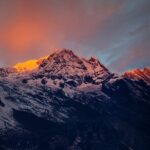
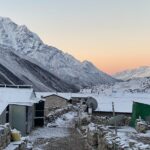
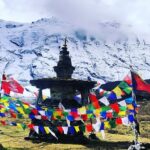
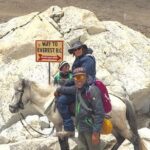
Chhomrong, Dovan, and Deurali: where the trek becomes the trek
This is the “real mountain walking” stretch. Day 6 to Chhomrong gives you a solid village stop, and Chhomrong is often a mental milestone. By then, you’ve moved far enough that Annapurna Base Camp stops feeling like a dream and starts feeling like a date on the calendar.
Day 7 to Dovan continues climbing (about 9 km, about 5 hours). Dovan’s elevation sits around 2,600m, so you’re working in a zone where breathing can feel different during the climb.
Day 8 to Deurali (about 3,200m) is shorter by distance (about 7.8 km, about 4 hours), but don’t treat it as an easy day. Cold air, changing weather, and the way your body reacts to altitude can make “short” feel like “serious.”
This section also connects you to the feel of the region’s local ethnic culture while walking through a protected nature area. It’s not just scenery. It’s daily life along the trail network.
Up to Annapurna Base Camp via Machhapuchhre Base Camp
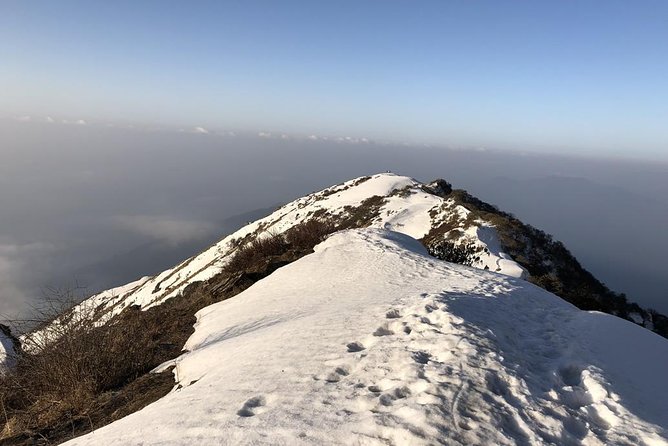
Day 9 is your altitude headline. You walk about 8 km in roughly 5–6 hours to Annapurna Base Camp via Machhapuchhre Base Camp, hitting around 4,230m.
At this elevation, you’re going to care more about breathing and energy than distance. Your guide’s job is making sure your group keeps moving at a sustainable pace, with enough pauses for comfort and safety.
This is also where the included support kit becomes more than a line in a brochure. The trip includes a first-aid medical kit and an oximeter to monitor oxygen level and heartbeat during the trek. That doesn’t eliminate altitude risk, but it gives your team tools to react early if someone is struggling.
And since it’s private, it’s not a race to reach the best viewpoint. It’s more “arrive, rest, and take in what you came for.”
The long descent to Bamboo, then the hot spring reset
Day 10 brings you from Annapurna Base Camp to Bamboo (about 18 km, about 7 hours). That’s a lot of trekking time after a high-altitude day. A descent can be deceptive: you may feel better in breathing while your knees and ankles get the hard work.
Day 11 is return from Bamboo to Jhinu Danda Hot Spring (about 12 km, about 6 hours). Jhinu Danda is the relaxing highlight on the schedule, giving you a hot spring soak after days of cold air and mountain walking.
Day 12 then returns from Jhinu Danda back to Pokhara, and Day 13 is Pokhara back to Kathmandu. That final movement matters. It’s not just about reaching Base Camp. It’s about leaving with enough energy to enjoy Nepal’s big-city rhythm again.
Lodges, shared rooms, and menu-controlled meals
During the trek, accommodations are lodge/teahouse style, with rooms shared among 4/5 people. This is normal for this kind of trekking, but it’s still worth planning for. If you’re a light sleeper or prefer privacy, you’ll need to mentally adapt.
Meals are included during the trek (breakfast, lunch, and dinner), and you can choose from a menu yourself. That’s a big deal. You’re not stuck with one set meal that might not agree with your appetite when you’re tired.
You’ll also be using included trekking gear such as a down jacket and sleeping bag. That support reduces what you need to carry, and it helps you travel smarter. You’ll still need personal trekking equipment, though, so don’t show up with only a backpack and optimism.
Drinking water and other drinks are not included, so you’ll want to budget for that on the trail.
Gear, permits, and the safety net that comes with a staffed team
This package includes many of the “bureaucracy plus gear” items that slow down independent trekkers. You’ll get trek permits arranged, and you’re asked to bring 3 passport size photographs. The trekking team also includes equipment and staffing costs (food, accommodation, salary, accidental insurance for staff), which is part of why the plan can run as cleanly as it does.
You’re also not just getting a guide by title. The structure includes 1 experienced guide for the group and a porter between 2 trekkers. That ratio is a practical comfort factor. It means you carry less while still having one person focused on your safety and route flow.
And the feedback pattern around guides is strong. People often call out guides like Yubraj ji and porters like Ram ji for making the trek feel easy to handle from day one. Others highlight leaders such as Bibek for attentiveness and comfort, and guides like Pabin for a calm, friendly vibe on the trail. These aren’t small details. They’re the difference between getting lost in stress and walking with confidence.
Private group comfort: what it changes on the trail
A private trek isn’t just about having fewer people in photos. It changes how the day feels. With only your group involved, your guide can shape pacing, rest breaks, and how you respond to the terrain.
It also helps with the “solo traveler” question. Several people booked as solo, and when they were the only traveler, the trek still turned into a private experience. If you value control over your schedule and don’t want to match your rhythm to other strangers, this setup is a real plus.
There’s also a private activity restricted to your group. The exact nature isn’t detailed here, but the concept is clear: at least one moment on the trip is designed for your party only, not shared with a larger group.
Price and value: what $1,090 buys you in real terms
At $1,090 per person, this isn’t an ultra-budget trek. The value is in the included support package.
You’re paying for:
- Airport pickup/drop off and Kathmandu–Pokhara–Kathmandu ground transport
- Hotel nights in Kathmandu and Pokhara (3-star category, twin rooms)
- Lodge trekking accommodations (with down jacket and sleeping bag use)
- Meals during the trek (breakfast, lunch, dinner) with menu choice
- Permits and staffing (guide, porter, and staff insurance)
- A first-aid kit with oximeter monitoring
If you try to DIY all of that, the costs add up fast, especially when you factor in permits, gear rental or purchase, transport timing, and the value of not spending your first days in Nepal solving logistics.
So I’d frame this as a “buy peace of mind” price. You’re not just buying a route. You’re buying time, coordination, and care while your body adjusts to altitude.
Who should book this Annapurna Base Camp private trek
This trek fits best if you:
- Have moderate physical fitness
- Want a private setup with guide and porter support
- Prefer lodges and menu-based meals over total self-planning
- Want a clear altitude-focused route with a structured day-by-day flow
It may be a tougher match if you:
- Need lots of privacy (because lodge rooms are shared)
- Have very limited tolerance for long trekking days (Day 10 is a long one)
- Don’t plan for cold-weather comfort. You’ll be provided a down jacket and sleeping bag, but you still need personal layering and trekking items.
Should you book this 14-Day Private Annapurna Base Camp Trek?
If you’re dreaming about Annapurna Base Camp but you’d rather not “work” on logistics during your vacation, this is a strong choice. The included transfers, hotel nights, trekking gear, staffed guidance, and oxygen monitoring kit make the whole trip feel like it’s designed for safety and steady progress.
My deciding question for you: do you want to spend your Nepal days walking and enjoying the mountains, or do you want to spend your Nepal days managing details? If the first one sounds better, this private trek is an easy yes.
FAQ
How long is the Annapurna Base Camp trek?
It runs for 14 days (approx.).
Where does the trek start and end?
It starts in Kathmandu (arrival) and includes return transport back to Kathmandu at the end.
Is this trek private?
Yes. It’s listed as a private activity, and only your group participates.
What’s included during the trek in terms of meals and lodging?
Breakfast, lunch, and dinner are included during the trek, and lodging is provided in lodge/teahouses (with shared rooms during the trek).
Do I need travel insurance?
Travel insurance is listed as compulsory to undertake outdoor activities in Nepal, and it is not included.
Are trekking permits included?
Yes. All trekking permits are included, and you need to bring 3 passport size photographs.
What trekking gear is provided?
The package includes use of a duffle bag, trek map, down jacket, and sleeping bag during the trek. Personal trekking equipment is not included.
How are airport transfers handled?
Airport pickup and drop off by private car are included, and ground transport to/from Pokhara is covered.
Is there any altitude or health monitoring included?
A first-aid medical kit is included, and an oximeter is provided to monitor oxygen level and heartbeat during the trek.
What about drinking water and other drinks?
Drinking water and other drinks are not included.