REVIEW · KATHMANDU
12 Days Trek Tour in Nepal
Book on Viator →Operated by Mountain Delights Treks & Expeditions · Bookable on Viator
A quiet trek, not a crowded one. The Mohare Danda route is still relatively new, so you get long stretches of calm mountain walking plus community-run lodges along the way. I especially like the less-crowded feel and the community lodges that keep the experience grounded in everyday local life.
I also like how the days are built around real moments: a big sunrise-and-mountain-view morning at Mohare Danda, then a descent through Gurung country with cultural stops like the Gurung museum in Ghandruk. One possible consideration is that you still need moderate fitness, including a toughest trekking day with close to a 1,000-meter gain.
In This Review
- Key highlights I’d circle in your planning
- Why Mohare Danda feels different from the usual Annapurna circuit
- Day-by-day walk: Kathmandu to Mohare Danda and back
- Day 1: Arrival in Kathmandu and a Thamel orientation
- Day 2: Kathmandu Valley temples—Pashupatinath and Boudhanath
- Day 3: Drive to Pokhara and settle into lakeside life
- Day 4: Galeshwor to Bas Kharka—river views and first lodge night
- Day 5: Bas Kharka to Nangi—Magar villages, organic farms, school time
- Day 6: The hardest trekking day—up toward Mohare Danda
- Day 7: Sunrise over the peaks, then to Deurali
- Day 8: Deurali to Ghandruk—forest walking and Gurung culture
- Day 9: End of trekking—Ghandruk Bensi / Syaulibazar, then back to Pokhara
- Day 10: Pokhara sightseeing and the flight back to Kathmandu
- Day 11: Kathmandu city lanes—markets, Durbar Square, and living goddess temple
- Day 12: Airport transfer and trip wrap
- Sunrise, peaks, and the one day that makes or breaks your comfort
- Community lodges, school visits, and how the trek stays human
- Price and logistics: what $1,500 covers (and where you’ll spend extra)
- Transport realities: long mountain drives and a Pokhara flight plan
- Guides and support: what you can bank on with Mountain Delights
- What to pack for this kind of trek (and how to use the provided gear)
- Who should do the Mohare Danda trek, and who should skip
- Should you book this 12-day Mohare Danda trek?
- FAQ
- Where does the tour start?
- How long is the trek and tour?
- Is pickup included?
- What permits are included?
- What trekking gear is provided?
- What meals are included?
- What kind of hotels do you use in Kathmandu and Pokhara?
- How physically demanding is it?
- What is the group size limit?
- Is free cancellation available?
Key highlights I’d circle in your planning
- Eco community lodge nights and homestay-style lodging that keep you close to village rhythms
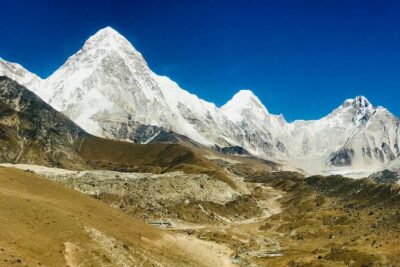
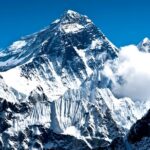
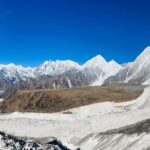
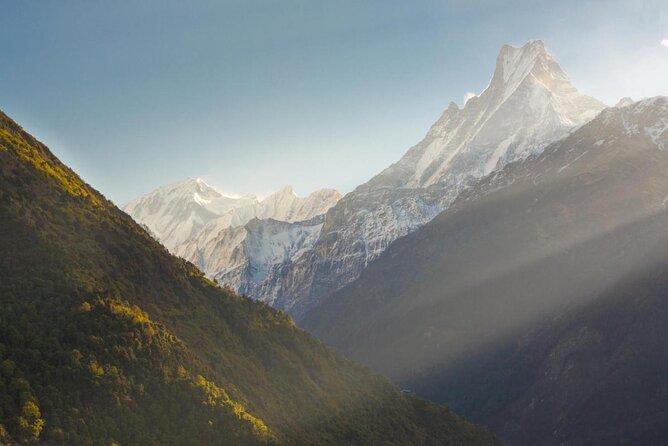
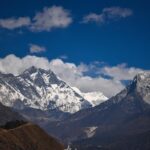
- Mohare Danda sunrise and sunset with Himalayan peaks like Machapuchre, Annapurna, and Dhaulagiri in view
- Annapurna region walking without the big-tour stampede for much of the route
- Cultural add-ons in Kathmandu and Pokhara (UNESCO stops, museum time, cave and waterfall)
- Included permits and staff logistics, handled with a guide plus porter/helper team (groups max at 16)
Why Mohare Danda feels different from the usual Annapurna circuit
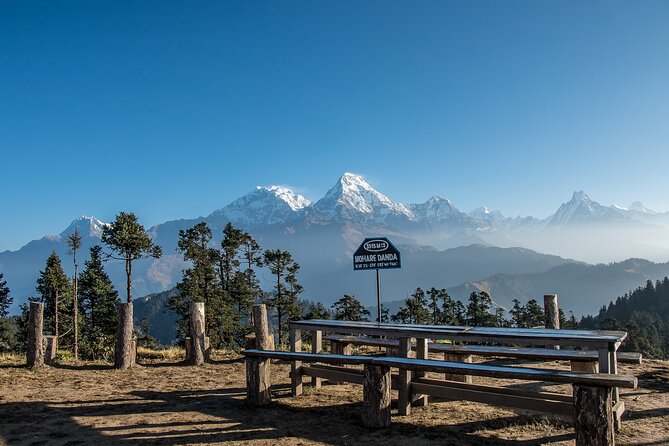
If you’ve done popular Nepal treks before, you know the tradeoff. When a trail gets famous, your schedule starts to feel like a theme park. Mohare Danda plays a different game.
This trek is often described as newly discovered, and the route stays less crowded, which matters more than it sounds. Fewer people means less stopping, less noise at lodges, and more time to just listen—wind in the forest, birds, and that distant rumble of weather shifting over the ridgelines. You get the kind of solitude where sunrise doesn’t feel like a camera cue.
Then there’s the human side. Along the trail, you sleep in community-based lodge options, and the itinerary even includes a school stop day and time through local farmland. That’s not just cultural decoration. When a trek is organized through village-run places, your money tends to stay closer to where it’s earned.
A final reason I like this setup: it’s not only trekking. You get a full Kathmandu-and-Pokhara package with temples, markets, and viewpoints. So if you want both mountain time and city context, this is built for that.
You can also read our reviews of more tours and experiences in Kathmandu.
Day-by-day walk: Kathmandu to Mohare Danda and back
This tour is about 12 days, with a structured ramp from sightseeing to driving to trekking, then a clean finish back in Kathmandu. Here’s how your time breaks down, and what to watch for.
Day 1: Arrival in Kathmandu and a Thamel orientation
You arrive, meet the representative, and transfer to your booked hotel. After check-in and rest, you head into Thamel, where you can eat, exchange money, and pick up basic supplies or trekking gear if you forgot something.
Later, the group briefing happens at the office. That’s useful because trekking logistics in Nepal work best when expectations are clear—what pace you should aim for, how the lodge days usually feel, and how you’ll handle timing if road conditions slow things down.
Day 2: Kathmandu Valley temples—Pashupatinath and Boudhanath
After breakfast, you tour Pashupatinath Temple and Boudhanath Stupa. Pashupatinath is a major Hindu pilgrimage site devoted to Lord Shiva, sitting by the Bagmati River where cremation is part of the religious practice. Boudhanath is one of the biggest stupa complexes in the region and is UNESCO-listed, making it a major cultural stop.
This day is a good “mind switch” from airport arrival mode into Nepal rhythm. Expect time walking through sacred zones and seeing daily devotion in action.
Day 3: Drive to Pokhara and settle into lakeside life
You leave Kathmandu early and drive to Pokhara. The road is long and winding along mountain terrain, described as adventurous and thrilling. Once you arrive, you spend the rest of the day exploring Pokhara lakeside and nearby areas.
This is a smart buffer day. Even if you’re itching to start trekking, you’ll be grateful for a calmer afternoon before the vehicle-to-trail transition on Day 4.
Day 4: Galeshwor to Bas Kharka—river views and first lodge night
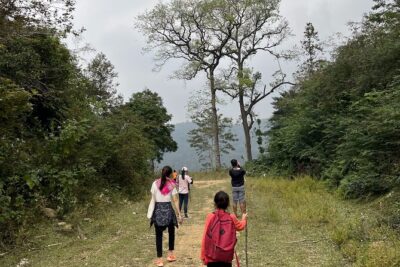
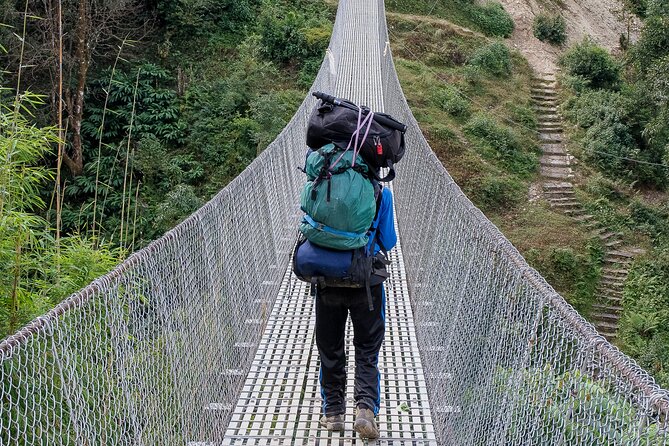
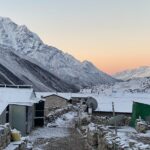
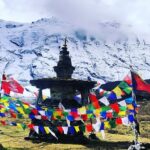
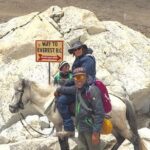
You drive to Galeshwor, then walk for about three hours to the village of Bas Kharka. Early on you cross a suspension bridge over the Kali Gandaki River, and the walk includes village life, farms, and cultivated fields.
You finish with dinner at an eco community lodge and overnight at a homestay-style setup. This is one of the days where the trip’s “community” focus becomes real, not just marketing. You’re not only passing through; you’re living a night the way locals do.
Day 5: Bas Kharka to Nangi—Magar villages, organic farms, school time
After breakfast, you trek toward Nangi (about seven hours). The route passes villages and mountain views, and you specifically get time in Magar communities—one of Nepal’s major ethnic groups with distinct language and culture.
The day also includes time to explore organic farms, and later an afternoon visit to a school. If you care about responsible travel, this is the kind of stop where respectful curiosity matters. Keep questions simple, ask before photographing, and be ready to behave like a guest rather than a spectator.
Day 6: The hardest trekking day—up toward Mohare Danda
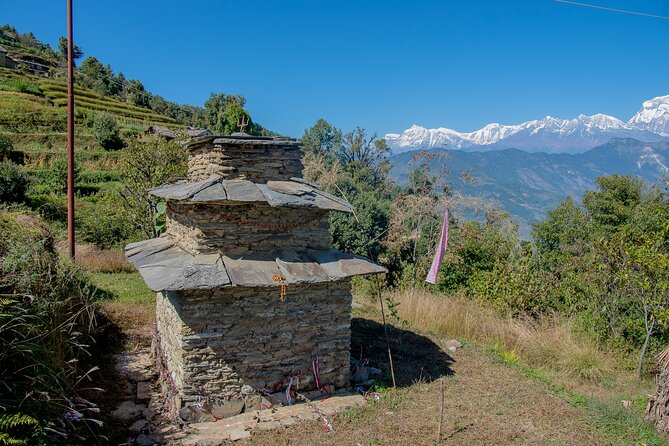
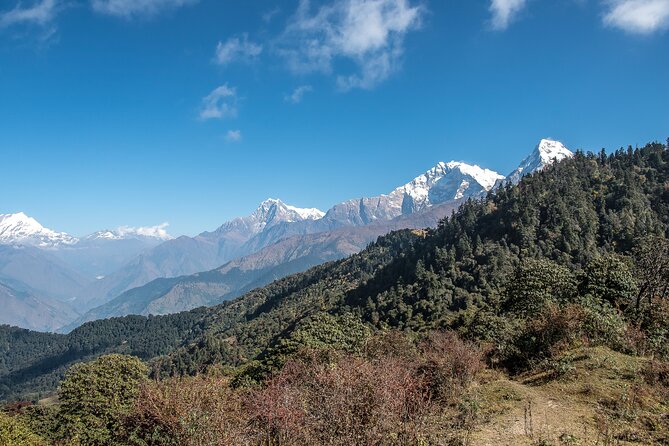
Today you walk toward Mohare Danda, the final trek destination. The trail runs through forest with big peak views—Machapuchre, Annapurna, and Dhaulagiri are specifically mentioned.
This is also described as the hardest trekking day because you gain almost 1,000 meters. It’s not just the distance; it’s the vertical push. If you don’t train for uphill walking, this is the day to feel it.
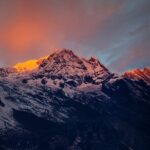
You’ll reach a place known for sunrise and sunset views, which is a big part of why this trek is worth doing. The effort becomes easier to justify once the sky starts to shift colors.
Day 7: Sunrise over the peaks, then to Deurali
You start with sunrise, then breakfast at the lodge. Afterward, you walk to Deurali (about five hours). The route passes near Gorepani, a popular Annapurna area known for sunrise from Poon Hill.
Important reality check: Gorepani is noted as busy. Even if you’ve enjoyed the quieter feel so far, this day can briefly remind you what “popular” looks like. Still, it’s a short lived contrast, and then you’re back into your route.
Day 8: Deurali to Ghandruk—forest walking and Gurung culture
You trek to Ghandruk (around five hours). The itinerary describes continued forest scenery and arrival at a famous village with views of Annapurna South and Himchuli.
You also visit the Gurung museum, which adds context about the people and culture in the area. This day is often the one where the trek feels like it’s turning from scenery into story.
Day 9: End of trekking—Ghandruk Bensi / Syaulibazar, then back to Pokhara
After breakfast and enjoying close-up mountain views (including Annapurna South, Himchuli, and Fishtail), you descend to Ghandruk Bensi or Syaulibazar by the bank of the Madi River. This is the end of the trekking portion.
From there, you drive about two and a half hours to Pokhara. It’s a satisfying transition day: your legs may still feel it, but you get wheels again.
Day 10: Pokhara sightseeing and the flight back to Kathmandu
You explore Devi’s Fall, Gupteshwar cave, and the International Mountain Museum. The museum is described as especially informative on mountaineering expeditions and Himalayan peaks, so if mountains interest you beyond photos, this is worth the time.
Later, you fly from Pokhara to Kathmandu, then transfer to your hotel.
Day 11: Kathmandu city lanes—markets, Durbar Square, and living goddess temple
You head out for another Kathmandu day, this time through narrow lanes and markets. The itinerary includes Ason, the glass beads market at Indrachowk, New Road, Kilagal, and Hidden Stupas inside family courtyards.
You also visit Kathmandu Durbar Square, tied to the Malla and Shah royal eras. There’s mention of the temple of the living goddess in the square. This is the kind of stop that can feel surreal—ancient power, daily life, and spiritual practice in one place.
Day 12: Airport transfer and trip wrap
On your flight day, you transfer to Kathmandu’s international airport about three hours before takeoff, and the tour ends back at the meeting point area.
Sunrise, peaks, and the one day that makes or breaks your comfort
If you’re choosing Mohare Danda for mountain views, the trek is well designed around that goal.
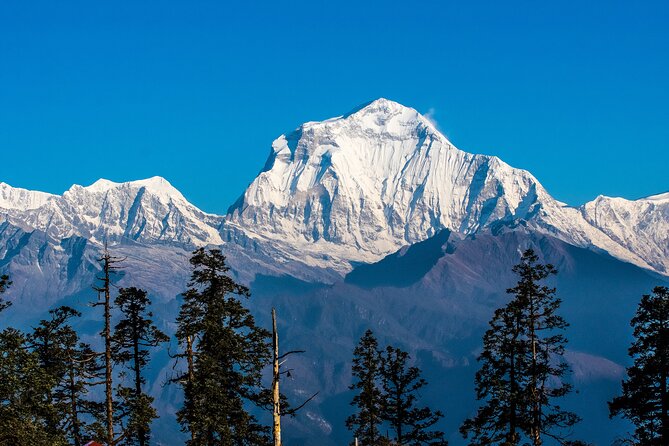
Mohare Danda is specifically called out for its sunrise and sunset reputation, and the route lists Machapuchre, Annapurna, and Dhaulagiri as visible Himalayan peaks. On the next day, you get another sunrise morning before moving toward Deurali.
But there’s a tradeoff. Those peak-view mornings usually mean you’re up early, and you’ll do it after trekking days where your body is already working. Add in the toughest day—nearly 1,000 meters of climbing—and your enjoyment will depend on pacing.
My practical take: go slow on the steep sections. You don’t win anything by forcing speed early. If you keep an even pace and drink consistently, you’ll arrive ready to enjoy sunrise instead of arriving wrecked.
Community lodges, school visits, and how the trek stays human
A big part of the Mohare Danda pitch is sustainability through community involvement. You see that not just in wording, but in the way your lodging and activities are described.
- Eco community lodge dinner on Day 4 plus homestay overnight means you’re supporting local hosting, not just passing through a commercial trail.
- Day 5 includes Magar village life, organic farming, and a school visit. That’s more meaningful than a quick photo stop because it adds everyday context: agriculture, education, and local rhythms.
Here’s how I’d handle it responsibly. If a school visit is part of your day, keep your expectations realistic. You might see classrooms or school routines, but you shouldn’t treat it like a performance. Ask simple questions, follow your guide’s lead, and treat it as a moment to learn, not to extract.
Also, community-run lodging can vary a bit more than big-name trekking lodges. The itinerary still handles your nights and meals, but if you’re someone who needs polished hotel-level standards every day, you’ll want to set expectations early.
Price and logistics: what $1,500 covers (and where you’ll spend extra)
At $1,500 per person for roughly 12 days, this trek isn’t cheap on paper—but it also includes a lot of real costs that many “budget” trips hide.
Included items that matter:
- A trekking guide plus porter (helper) plus assistant guide
- Permits: ACAP (Annapurna Conservation Area Permit) and TIMS
- 3-star standard hotels in Kathmandu and Pokhara with breakfast
- Trek staff logistics: food, drinks, lodging, staff salaries, insurance, medical equipment, and transport for trekking staff
- Key gear loan: down jacket, sleeping bag, fleece liner, and a duffel bag
- Selected transfers: private drives like Pokhara to Galeshwor and Syaulibazar to Pokhara
- Some sightseeing entries are described as free (and government taxes are included)
Not included:
- Tips for guide/porter/driver (listed as not compulsory, but expected)
- Lunch and dinner in Kathmandu and Pokhara
Value check: a big chunk of the price is the people and the permits, plus taking care of the trekking gear problem. If you were to buy a winter sleeping bag and down jacket, the trek would cost you way more in gear alone. The internal structure also helps: you aren’t stuck figuring out driving segments, flight timing, and lodge schedules.
My advice: budget extra money for the meals not included, and plan tips as part of your real trip cost.
Transport realities: long mountain drives and a Pokhara flight plan
Nepal road time is part of the deal. You’ll do major driving sections:
- Kathmandu to Pokhara (described as around seven hours)
- Galeshwor access (about four hours) before trekking starts
- Pokhara day after trekking (about two and a half hours drive)
- A flight back from Pokhara to Kathmandu
Why this matters: if you get carsick easily, build that into your comfort planning. Curvy mountain highways can be tiring even when the views are good.
Also, the trek runs with some weather sensitivity. The tour notes that the experience requires good weather, and if it’s canceled due to poor conditions, you can get a different date or a refund. That means it’s smart to keep your Kathmandu arrival and departure dates flexible where possible.
Guides and support: what you can bank on with Mountain Delights
You’ll feel the difference when logistics are handled by people who’ve done this a lot.
Across other trekking experiences with Mountain Delights Treks & Expeditions, clients highlight smooth organization, attentive guide support, and a real safety focus. You’ll see names like Baburam, Purna, Mingur, Mindu, Gokarna, Geli Sherpa, and Karma Sherpa in positive feedback.
What I take from that, for your decision-making:
- Their teams seem to handle day-to-day details well (food orders, gear support, and pacing help).
- People report feeling safe throughout the trip.
- There’s also mention of strong response when someone got sick at altitude, including insurance support and a helicopter option back to Kathmandu on a different higher-altitude trek.
Now, that doesn’t mean your Mohare Danda trek will be identical in every detail. But it does suggest the company has systems that keep things calm when conditions get tough.
Also, your staffing structure here is multi-layered: guide, porter/helper, and assistant guide. That’s a practical advantage on longer days because it helps distribute the work of keeping you moving and supported.
What to pack for this kind of trek (and how to use the provided gear)
The tour gives you a solid starting kit: down jacket, sleeping bag, fleece liner, and a duffel bag. That removes the biggest risk for first-time trekkers—showing up cold at night because you bought the wrong gear.
So your packing list can focus more on comfort and daily essentials:
- Layers for trekking (even with a down jacket, you’ll want lighter layers for daytime)
- Rain protection (mountain weather can shift)
- A headlamp for early mornings
- Sunscreen and sunglasses (high-altitude sun can be intense)
- Any personal medication and a basic first-aid kit
- Simple trekking day items like a water bottle system
If you’re uncertain, ask your guide during briefing. You’ll get clearer answers once you know what lodge nights and morning wakeups will actually feel like in practice.
Who should do the Mohare Danda trek, and who should skip
This tour is best for you if:
- You want a trekking route in Nepal that’s not packed with large crowds
- You like sunrise mountain moments enough to plan for early starts
- You want culture in Kathmandu and Pokhara, not just hiking
- You’re okay with forest trail days and a serious uphill push on the hardest segment
You might skip or choose a different route if:
- You don’t handle uphill walking well, especially on days described as gaining close to 1,000 meters
- You want fully predictable lodge comfort every night without any variability
- You’re very sensitive to long driving days on winding mountain roads
Also, this group caps at 16 travelers, which is a nice size if you want shared logistics without feeling like you’re inside a crowd.
Should you book this 12-day Mohare Danda trek?
I’d book it if your goal is a quieter Annapurna-area trek with sunrise views and real community-based lodging nights, plus a full Kathmandu-and-Pokhara cultural add-on. The included permits, staff structure, and loan gear make it easier to travel smarter instead of buying a mountain kit you might never use again.
I wouldn’t book it if your fitness isn’t ready for a steep day or if you want to avoid early wakeups and mountain road time. The trek includes a “work day,” and your enjoyment depends on pacing and preparation.
If you’re on the fence, check your comfort with uphill hiking first. If that’s solid, Mohare Danda is the kind of trip where the quieter trail plus sunrise payoff can feel exactly like the kind of Nepal you came for.
FAQ
Where does the tour start?
It starts in Thamel, Kathmandu (44600), Nepal, and the plan ends back at the meeting point area.
How long is the trek and tour?
The tour runs about 12 days.
Is pickup included?
Pickup is offered, and the itinerary also includes transfers and drives between key points.
What permits are included?
The tour includes both the Annapurna Conservation Area Permit (ACAP) and the TIMS permit.
What trekking gear is provided?
You’re provided a down jacket, sleeping bag, fleece liner, and a duffel bag.
What meals are included?
During the trekking portion, the tour includes food, drinks, and lodging. Lunch and dinner in Kathmandu and Pokhara are not included.
What kind of hotels do you use in Kathmandu and Pokhara?
You stay in 3-star standard hotels with breakfast in Kathmandu and Pokhara (described as Nepal standard).
How physically demanding is it?
It’s aimed at people with moderate physical fitness. The itinerary notes the hardest day includes almost a 1,000-meter gain.
What is the group size limit?
The maximum group size is 16 travelers.
Is free cancellation available?
Yes. You can cancel up to 24 hours in advance for a full refund. The experience also depends on good weather; if it’s canceled due to poor weather, you’ll be offered another date or a full refund.
If you want, tell me your walking pace and comfort with early mornings, and I’ll help you judge whether Day 6’s climb fits your style.