REVIEW · MARRAKECH
3 Days Desert Tour From Marrakech To Merzouga Dunes & Camel Trek
Book on Viator →Operated by Morocco Global Adventures · Bookable on Viator
A big Sahara detour from Marrakech starts here. This 3-day ride links the Tizi n’Tichka mountain pass, UNESCO Ait Ben Haddou, and the Erg Chebbi dunes with a real camel trek at sunset and sunrise. I like that the route is packed with classic Southern Morocco stops, and I also like that your camel time isn’t just a photo op. One drawback to plan for: you’re in a shared minibus for a lot of the day, so it’s long hours even when the views are great.
In reviews, named guides such as Hammid, Abdul, Mohamed Ait Ouaghlad, and Ali get shoutouts for safe driving and keeping the schedule moving. Still, one thing to consider is that hotel and camp comfort can vary, and the included meals can be basic depending on the place you’re routed to.
In This Review
- Key highlights worth caring about
- Marrakech to Merzouga in 3 Days: What You’re Buying
- Day 1: Tizi n’Tichka, Ait Ben Haddou, then Tinghir hotel
- The High Atlas pass moment
- Ait Ben Haddou: the UNESCO stop
- Ouarzazate and Rose Valley routing
- Day 2: Todra Gorge, Erg Chebbi camels, and the night in Berber tents
- The route toward Merzouga and Erg Chebbi
- The camel setup: part baggage, part adventure
- The desert camp night
- Day 3: sunrise dunes, camel back, and the return via Ouarzazate
- Sunrise and the camel back to Merzouga
- Transport, Timing, and Group Size: The Shared-Van Tradeoff
- Food and Lodging: What’s included, what’s likely, what to prepare for
- Included basics
- Lunches and drinks: not included
- Hotel comfort: can be basic
- Desert camp comfort: plan for simple
- Camel trek and sandboarding: the fun part, plus ethical and practical checks
- A tough note you should know about
- How much extra money should you budget?
- Who this tour suits (and who might want a different format)
- Should you book this Marrakech to Merzouga desert tour?
- FAQ
- What time is pickup in Marrakech?
- What’s included in the price?
- Are lunches included?
- Where do you ride camels and for how long?
- Is there a desert camp night?
- Do I need a local guide for Ait Ben Haddou?
- How long is the tour?
- How big are the groups?
- Is cancellation free?
- Is this tour suitable for most people?
Key highlights worth caring about
- Crossing the High Atlas via Tizi n’Tichka for big mountain views and classic Berber village scenery
- UNESCO Kasbah Ait Ben Haddou as the day’s cultural anchor
- Todra Gorge and Tinghir oasis area as the break from sand and stone
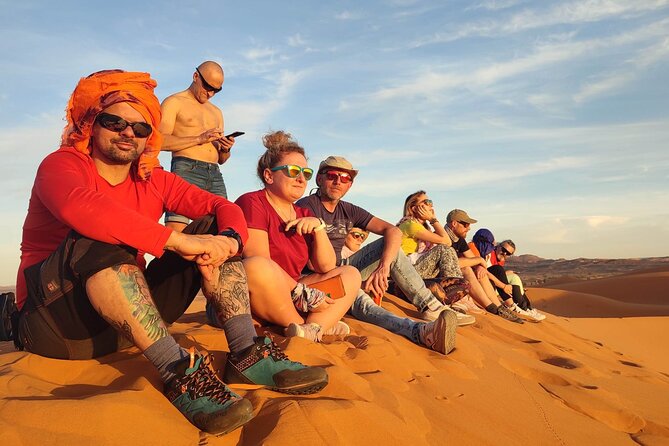
- Erg Chebbi camel ride at sunset and sunrise plus sandboarding in the dunes
- Berber desert camp night with drums and a true desert setting
- A shared minibus format that makes the price work, but means long driving days
Marrakech to Merzouga in 3 Days: What You’re Buying
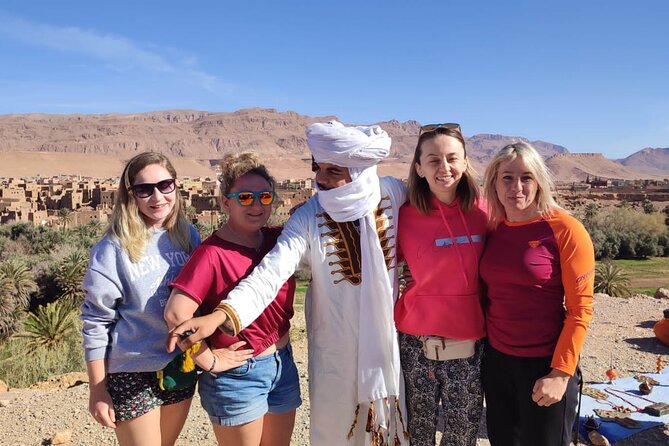
This tour is built around one idea: seeing Morocco’s best “journey moments” without needing to plan every hop yourself. In roughly 3 days, you’ll link Marrakech-side logistics to the High Atlas mountains, hit Ait Ben Haddou, then continue into the Tafilalet region before reaching Erg Chebbi in time for the camel trek.
The value is strongest when you want it all in one go. For about $115.86 per person, you get transport by air-conditioned minibus, a hotel night in Tinghir, a desert camp night in Merzouga, camel rides (one camel each) for sunset and sunrise, sandboarding, plus two breakfasts and two dinners. What’s not included is where your budget can quietly grow: lunches and drinks, plus tips and a local guide at Ait Ben Haddou (this tour lists it as not included).
So yes, the price covers a lot. But it also means you should be flexible on comfort levels. Think of this as a well-packed route with shared-vehicle reality.
You can also read our reviews of more tours and experiences in Marrakech.
Day 1: Tizi n’Tichka, Ait Ben Haddou, then Tinghir hotel
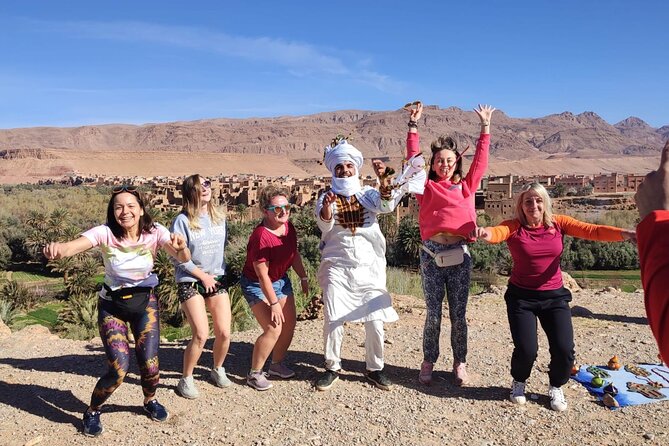
Day 1 starts early. Pickup is from Hôtel Restaurant Café de France, Jamaa el-fnna (Rue des Banques) around 7:30 am, and you’ll drive out of Marrakech toward the High Atlas.
The High Atlas pass moment
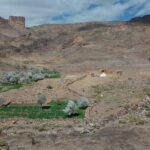
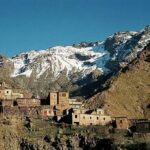
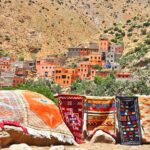
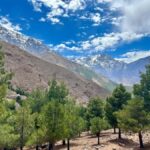
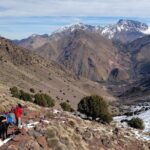
Your route includes the Tizi n’Tichka pass, where you’ll get far-reaching views and pass through traditional High Atlas Berber villages. This is one of those drives where you stop feeling like you’re traveling and start feeling like you’re watching a country unfold through changing elevations. If you’re prone to motion sickness, it’s worth taking it seriously. You’re climbing and curving most of the morning.
Ait Ben Haddou: the UNESCO stop
After the mountain crossing, you visit Kasbah Ait Ben Haddou, a UNESCO World Heritage site. The tour includes your entry ticket (it lists admission as free for this day), and you’ll also have lunch at Ait Ben Haddou.
One practical note: this tour lists a local guide at Ait Ben Haddou as not included. That doesn’t mean you won’t understand the place. It means your time inside might feel more like walking around and less like getting history stitched together. If you want deeper context, you may end up paying for extra guidance on site or reading up ahead.
Ouarzazate and Rose Valley routing
You’ll also stop in the Ouarzazate area, with mention of a supermarket stop, plus the drive via Rose Valley toward Tinghir. Then you overnight in Tinghir at a hotel with dinner and breakfast included.
Possible downside on Day 1: you may feel like the day is all “see it, move it, see it again.” That’s the trade for compressing such a long distance into one short tour.
Day 2: Todra Gorge, Erg Chebbi camels, and the night in Berber tents
Day 2 is the day that turns from mountains and kasbahs to desert.
The route toward Merzouga and Erg Chebbi
After breakfast, you drive toward the Erg Chebbi Sahara Desert in Merzouga. Along the way, the itinerary points you through several towns and scenic areas: Todra Gorges, oasis, Tinjdad, Jorf, and Erfoud. Even if you don’t stop at every single place for long, you’re getting that sense of shifting geography—from greenish pockets near oases into the broader Saharan feel.
The camel setup: part baggage, part adventure
When you reach Merzouga, the tour has a smart rhythm: you relax first, then transfer only what you need for the night by moving it into a small bag. Your remaining luggage stays back at the hotel.
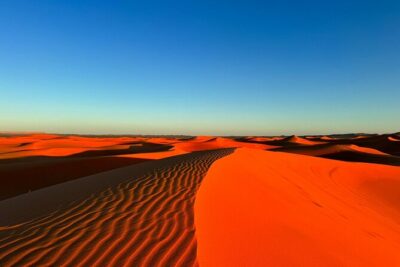
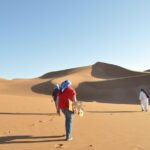
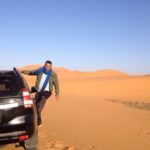
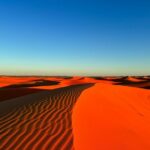
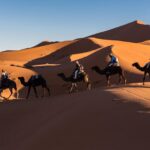
Then comes the main event: a camel ride on the dunes timed for sunset and sunrise. The tour calls out sandboarding too, and once you reach camp, you’ll head toward the highest dunes for both the views and the activities.
In reviews, people often highlight the camel ride as the tour’s emotional center. Named guides like Abdul and Iddir get praised for making the experience feel organized and friendly. It’s also common to hear practical reminders like bringing water and sunscreen, since the sun can be relentless even when the trip is moving.
The desert camp night
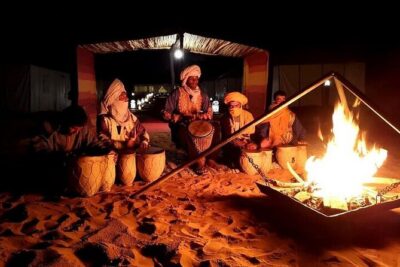
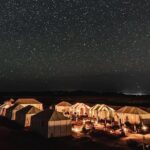
You’ll sleep in a desert camp with Berber nomad tents. The itinerary notes drums music in the middle of the Sahara. That’s exactly the kind of detail that turns a camping night into a memory, even if your tent setup is simple.
Watch-outs: camp comfort can be “rugged” depending on what’s available. One critical note described issues like limited water availability and weak water pressure in a camp setup. You should plan your expectations accordingly: this is a desert experience first, not a hotel-service experience.
Day 3: sunrise dunes, camel back, and the return via Ouarzazate
Day 3 is all about timing—waking up early enough to catch the dunes at sunrise.
Sunrise and the camel back to Merzouga
You’ll wake up early to watch the sunrise in the dunes, then ride the camel’s back back toward Merzouga. After breakfast, you also get a shower in camp before starting the long return drive.
Then it’s back through different Berber villages, and you stop again in Ouarzazate on the way toward Marrakech. The tour finishes late afternoon, around 7:30 pm, with a drop-off at your hotel or the nearest accessible point to your riad.
The reality: Day 3 is usually less “exciting stops” and more “getting you home with one last big desert moment.” If you’re the type who wants lots of additional activities in the dunes, you might wish you had more than one night.
Transport, Timing, and Group Size: The Shared-Van Tradeoff
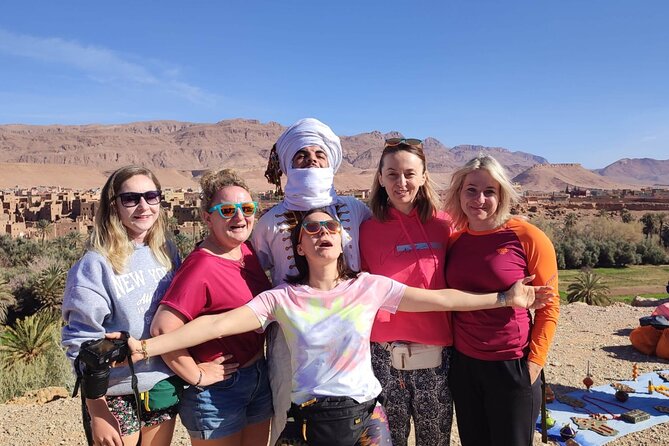
This is a shared-tour format. Transport is by air-conditioned minibus, with fuel included, and the group can be up to 100 travelers.
That number tells you something important: even if your vehicle can vary in size, you’re not going to have a private, quiet pace. You’ll likely have a schedule that favors group flow. Stops are timed so everyone reconnects without losing time.
Also, even though the minibus is air-conditioned, you’re still on the road most days. Day 1 and the return on Day 3 can feel like long stretches. The good news is that your itinerary includes enough classic viewpoints—especially around the Atlas pass and the kasbah region—to keep the drive from feeling like pure transit.
Food and Lodging: What’s included, what’s likely, what to prepare for
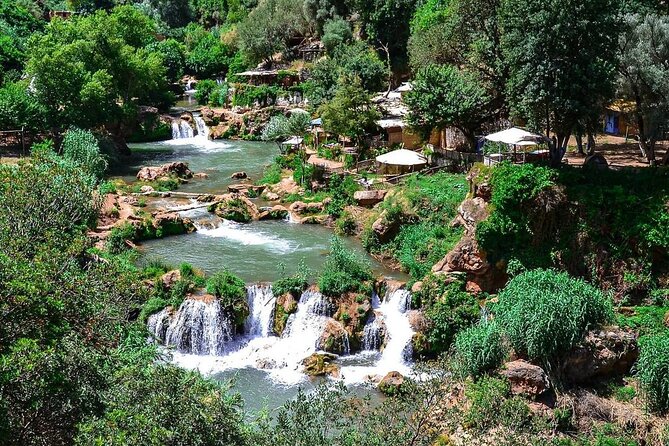
Included basics
The tour includes:
- Hotel in Tinghir (with dinner and breakfast)
- Desert camp in Merzouga (with drum-night vibe)
- Two dinners and two breakfasts
- Sandboarding
- Camel ride at sunset and sunrise
- Transport by minibus
Lunches and drinks: not included
Lunches and drinks are listed as not included. That’s a normal setup for many Morocco tours, but it matters for your budget because you’ll be eating in different towns where costs can vary.
In the feedback I absorbed, meal quality and pricing came up. Some descriptions complained the meals felt expensive and not always hot or filling in the way they expected. That doesn’t mean every meal is a letdown, but it does mean you should be ready to top up with snacks.
Hotel comfort: can be basic
The Tinghir hotel is included, and that’s great. But one note described the first night hotel as fairly basic. In practice, you should treat this as “clean and functional” rather than “luxury.”
Desert camp comfort: plan for simple
For the desert night, consider the camp as an experience package. One critical comment mentioned issues like no hot water and low water pressure, even after paying extra for a more private setup. Since your tour doesn’t promise luxury, I’d pack expecting limited comfort amenities and plan your day around that.
My practical advice: bring a small towel (or at least consider a quick-dry option), plus any toiletries you rely on. Even if your camp has shower options, don’t count on hotel-level pressure.
Camel trek and sandboarding: the fun part, plus ethical and practical checks
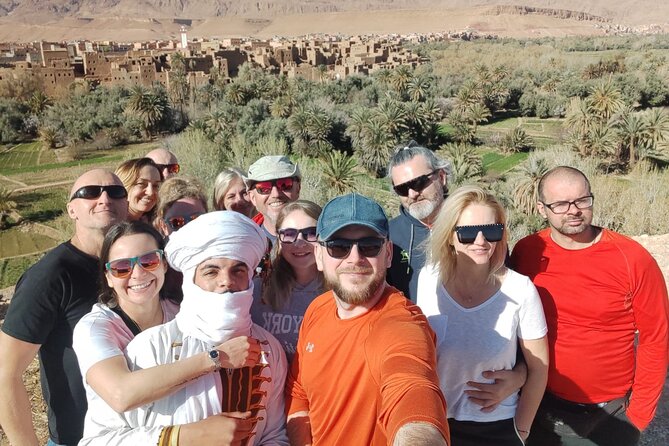
Erg Chebbi camel rides are why people do this tour. The timing is built right: sunset for photos and atmosphere, sunrise for that different, quieter light.
You’ll also get sandboarding at the dunes. If you’ve never tried it, start easy. Knees matter. So does sunscreen.
A tough note you should know about
One negative write-up raised concerns about camel-related practices and also described pressure to buy items tied to the route (cooperatives, market stops, and souvenir-focused moments). I can’t verify that the issue matches every departure, but it’s worth taking seriously.
Here’s how to protect yourself without turning the trip into a debate:
- If a camel ride seems rough or abusive, you can stop and ask questions through your guide immediately.
- Don’t feel forced to buy things to keep things “smooth.”
- If you’re uncomfortable with a stop that feels like a sales trap, you can still keep your distance and just enjoy the scenery.
Most of the feedback is positive about organization and guide friendliness, but good travel instincts still apply.
How much extra money should you budget?
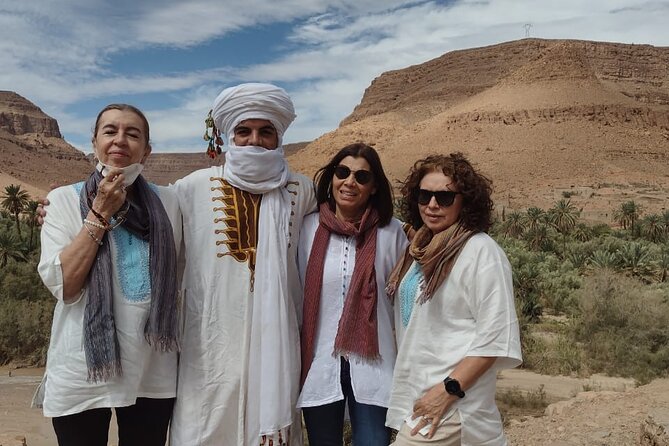
Your headline price covers a lot of moving pieces, but you still have extras:
- Lunches and drinks
- Tips and gratuities
- A local guide at Ait Ben Haddou is not included
- Possible snacks during long drives
One piece of practical guidance from a positive review suggested bringing at least 500 dirham, especially for local guides and tipping around camel time, plus water. Treat that as a useful starting point rather than a guarantee, since your spending style will vary.
Who this tour suits (and who might want a different format)
This tour fits you if:
- You want a classic Morocco sampler in three days: Atlas mountains, UNESCO kasbah, Todra area, Erg Chebbi dunes.
- You like the structure of a pre-set route and don’t want to juggle multiple reservations.
- You’re excited by camel sunset and sunrise more than by long stays in one place.
You may want a different option if:
- You hate long drives and tight schedules.
- You expect five-star hotel comfort on every night.
- You’re sensitive to basic amenities and variable water/shower situations in desert camps.
- You want more time in the dunes than one camel trek night provides.
Should you book this Marrakech to Merzouga desert tour?
If you want your first taste of Southern Morocco plus a real desert night, this is a solid choice. The tour’s biggest strengths are the route selection (Tizi n’Tichka, Ait Ben Haddou, Todra area) and the fact that your desert time includes both sunset and sunrise camel rides plus sandboarding.
Book it if you can handle long driving days and you’ll treat the desert camp as an experience, not a luxury spa. I’d also go in ready to spend a bit on lunches and tips, and I’d pack for sun and simple conditions.
If you want a slower pace, or you’re picky about comfort and meal quality, you’ll probably feel the limits of a shared format.
FAQ
What time is pickup in Marrakech?
Pickup is listed for 7:30 am from Hôtel Restaurant Café de France, Jamaa el-fnna (Rue des Banques), Marrakech.
What’s included in the price?
The tour includes minibus transport, hotel in Tinghir with dinner and breakfast, desert camp in Merzouga, camel ride in sunset and sunrise (one camel each), sandboarding, plus two breakfasts and two dinners.
Are lunches included?
No. Lunches and drinks are not included.
Where do you ride camels and for how long?
You ride camels as part of the Erg Chebbi camel experience timed for sunset and sunrise, and you also get sandboarding at the dunes.
Is there a desert camp night?
Yes. You spend the night in a Berber desert camp with Berber nomad tents.
Do I need a local guide for Ait Ben Haddou?
A local guide at Ait Ben Haddou Kasbah is not included in this tour.
How long is the tour?
It’s described as 3 days (approx.) and the end is around 7:30 pm with drop-off back at your hotel or the nearest accessible point.
How big are the groups?
The tour lists a maximum of 100 travelers.
Is cancellation free?
Yes. Free cancellation is available. You can cancel up to 24 hours in advance for a full refund.
Is this tour suitable for most people?
The info says most travelers can participate, but it does involve long road days and desert activities like camel riding and sandboarding.