REVIEW · MINCA
Trekking History and Indigenous Heritage in Minca + Cacao & Coffee + Waterfall
Book on GetYourGuide →Operated by Macondo Project Tourism · Bookable on GetYourGuide
Follow ancient paths in Minca. This 4.5-hour walk pairs Tayrona heritage trails with a real cacao & coffee farm visit run with indigenous context, not just tasting notes.
I really liked the bilingual local guiding—if you land with someone like Jorge, you get sharp cultural stories plus practical tips for your Santa Marta plans.
The only real heads-up is the hike is medium and it runs in rain or shine. Wear proper shoes, and bring a swimsuit because you might end up at a waterfall.
In This Review
- Key Things That Make This Tour Work in Real Life
- Minca’s Indigenous Trails + Cacao and Coffee: Why This Combo Makes Sense
- Starting at Parque de Minca: Where the Day Really Begins
- Walking the Paths with Tayrona Heritage in the Background
- Cabanas Bosque Cacao and the Arhuaco Farm Visit: What You’ll Actually Learn
- The Waterfall Moment: Cooling Off (and Staying Smart)
- What to Bring: The Stuff That Makes the Day Easier
- Price and Value: Is $41 Worth It?
- Who This Tour Fits Best (and Who Might Want Another Option)
- If You Should Book: My Honest Take
- FAQ
- FAQ
- Where do I meet the guide?
- How long is the experience?
- How difficult is the hike?
- Is the guide available in English?
- What food or drinks are included?
- Will I have a chance to swim at a waterfall?
- Is the tour affected by rain?
- Is this suitable for children?
- Do I need to bring sunscreen and bug repellent?
Key Things That Make This Tour Work in Real Life
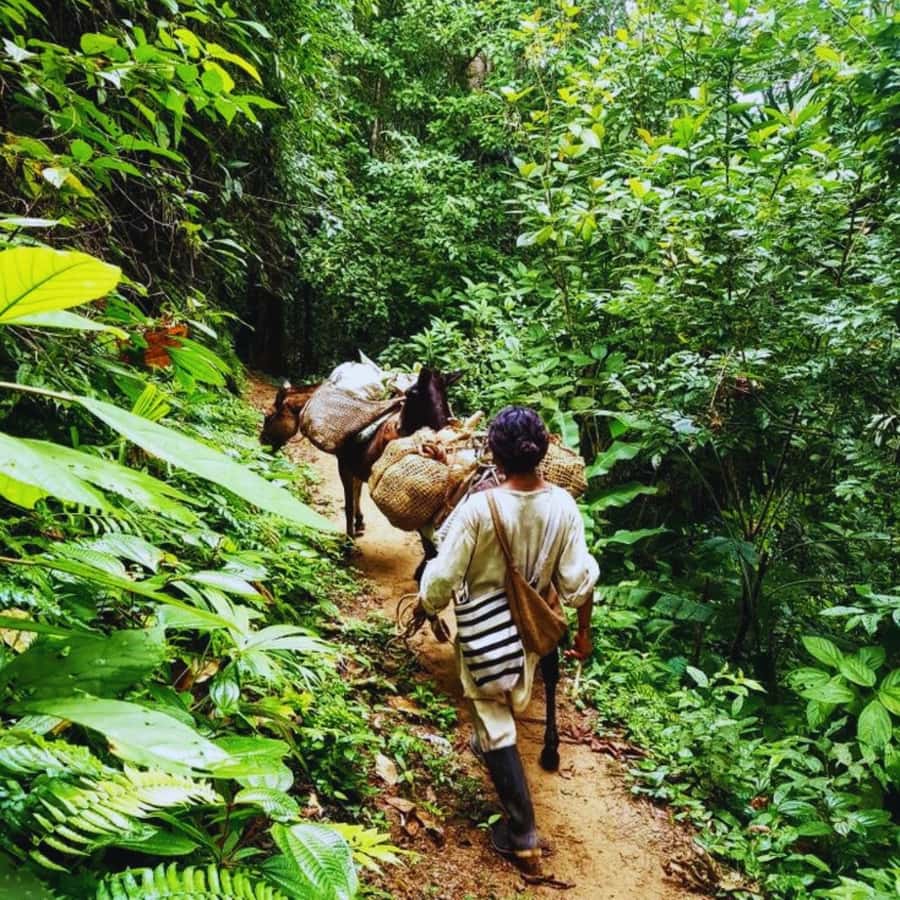
- Historic Tayrona-era trails that connect walking with indigenous knowledge
- Arhuaco cacao and coffee farm visit with cultivation, processing, and worldview
- Traditional tasting of cacao and coffee (not just a photo stop)
- Time to relax at a natural waterfall, with the chance to swim if conditions allow
- Bilingual guidance (English/Spanish) that keeps the story clear and the pace friendly
- A tour that helps through direct support to indigenous community projects
Minca’s Indigenous Trails + Cacao and Coffee: Why This Combo Makes Sense
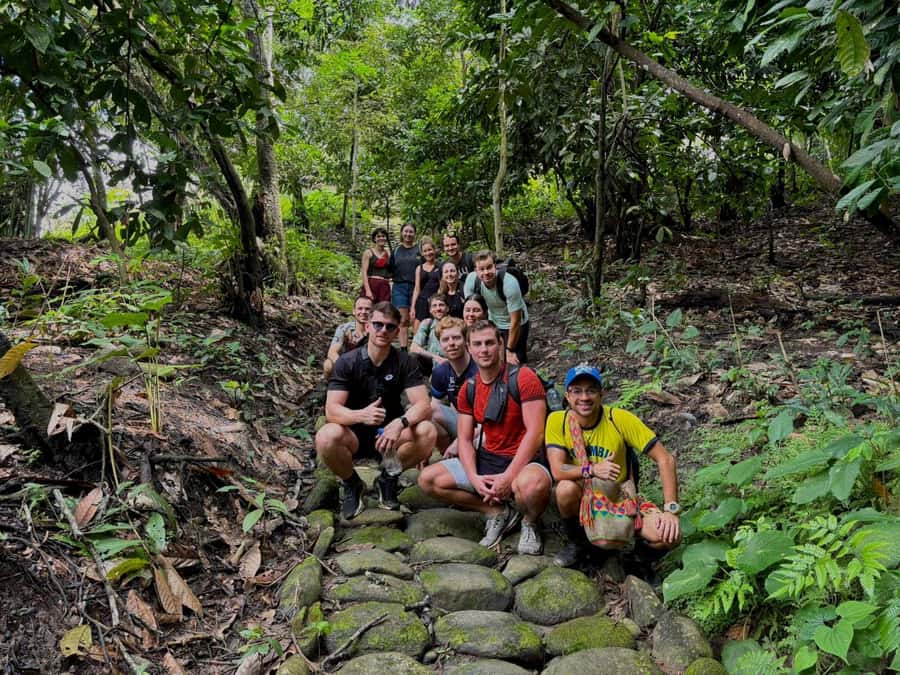
Minca can be a little chaotic if you only chase viewpoints. This tour gives you a cleaner path: you walk first, then learn how people grow and transform the jungle’s gifts, and you finish with a cooling break at the water.
What I like most about this set-up is that the story doesn’t feel stitched together. The trail is about people and place—how communities lived with the land. The farm stop is about practice—how cacao and coffee are cultivated and processed through indigenous knowledge. Then the waterfall is the reset button: a quiet moment after moving downhill and up again.
The price is $41 per person for about 4–5 hours on foot. You’re paying for more than a guide. You’re also paying for access to an indigenous family-run experience and a tasting that’s explained in context. You won’t get food included, so it’s not a “full day meal plan” tour—but it is a strong cultural and nature chunk for the time.
You can also read our reviews of more tours and experiences in Minca.
Starting at Parque de Minca: Where the Day Really Begins
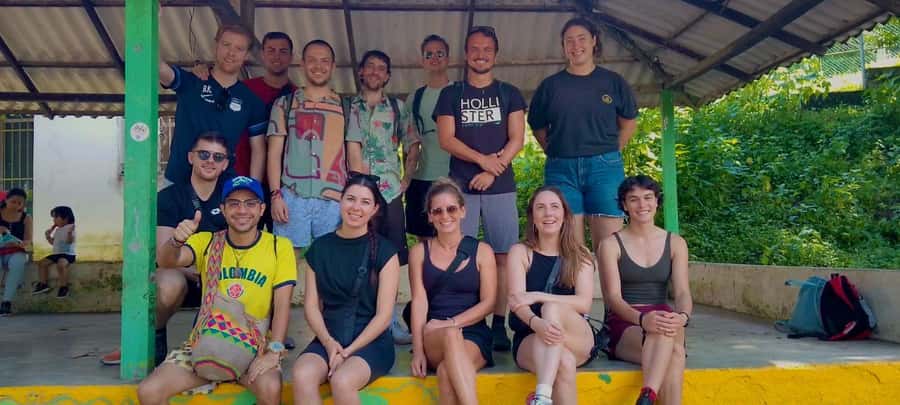
You meet at Minca Central Park, at the central chapel. It’s an easy landmark if you’re already in town. From there, you’ll follow nature trails through the hills around Minca, with the guiding focused on indigenous heritage and the ecological side of the region.
The tour is bilingual (English and Spanish) and led by a local guide specialized in indigenous history and culture. In the past, guides like Jorge and Andres have made the experience feel both informative and light enough to enjoy, not like a lecture where your brain needs a reboot button.
Expect a moderate pace. The “medium” difficulty is usually the sweet spot: you should be comfortable walking on uneven ground, but you’re not committing to a punishing trek day. Bring water (you’ll want it), and don’t wear brand-new shoes unless you enjoy blisters as a hobby.
Walking the Paths with Tayrona Heritage in the Background
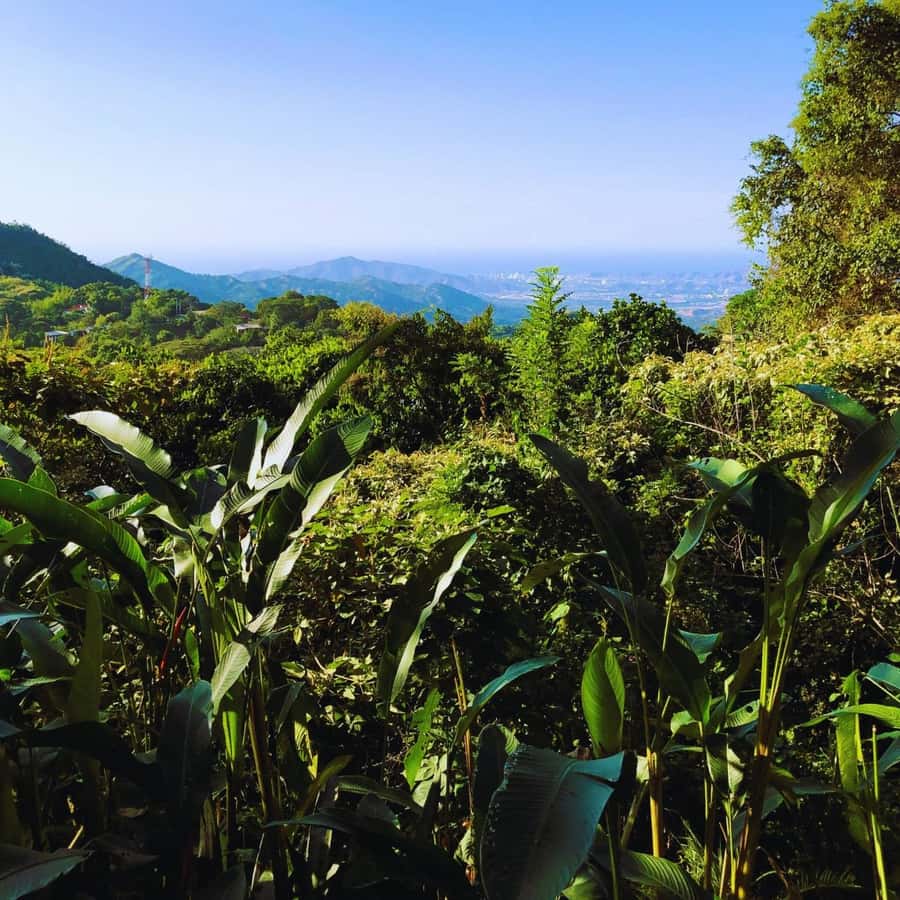
The heart of this experience is the trail itself. You’ll follow historic routes tied to the legacy of the Tayrona people, and the guide explains what that heritage means today—especially the connections maintained by indigenous communities descended from Tayrona: the Kogui, Wiwa, Arhuacos, and Kankuamos.
This part matters because it changes what you see. Instead of just thinking, Wow, jungle plants!, you start noticing patterns: why certain areas matter, how traditional practices connect to the ecosystem, and how cultural knowledge is carried through daily life rather than museum labels.
On the ground, it also helps you understand Minca beyond the usual “coffee town” vibe. When the guide explains traditional land connection and how community knowledge stayed alive through social change, the hike becomes a moving classroom.
One practical note: the route and the pace depend on conditions. If it’s wet, steps can get slick. Move steadily. No hero shots that end with a knee twist.
Cabanas Bosque Cacao and the Arhuaco Farm Visit: What You’ll Actually Learn
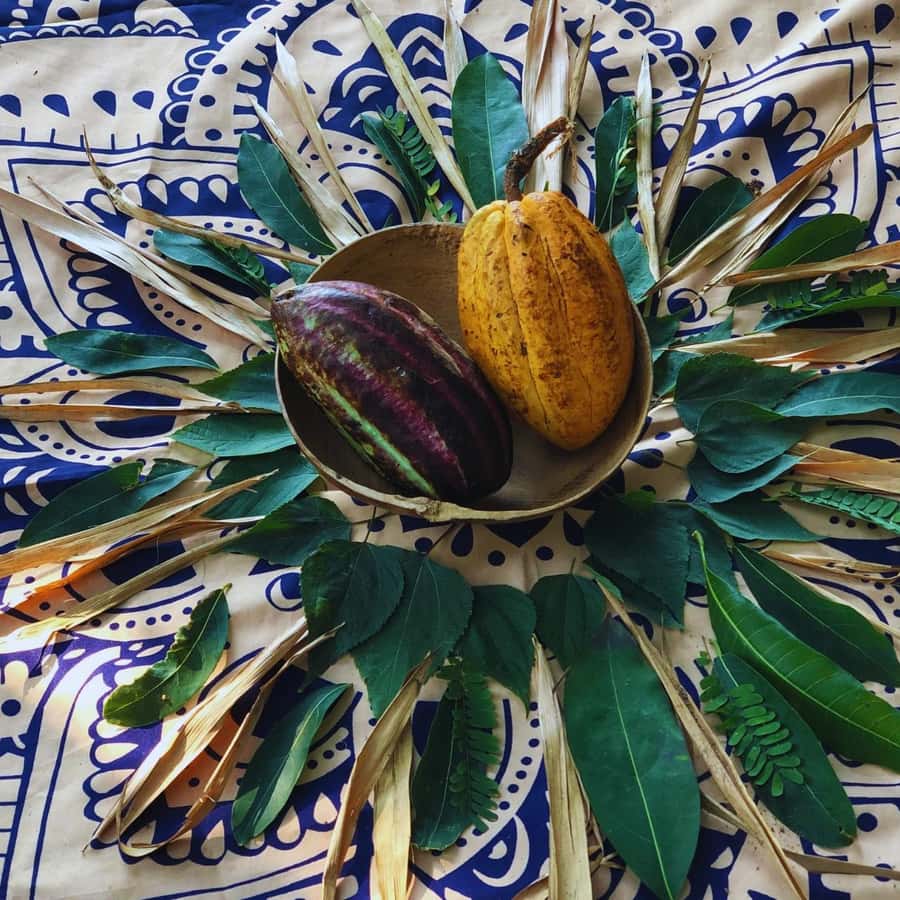
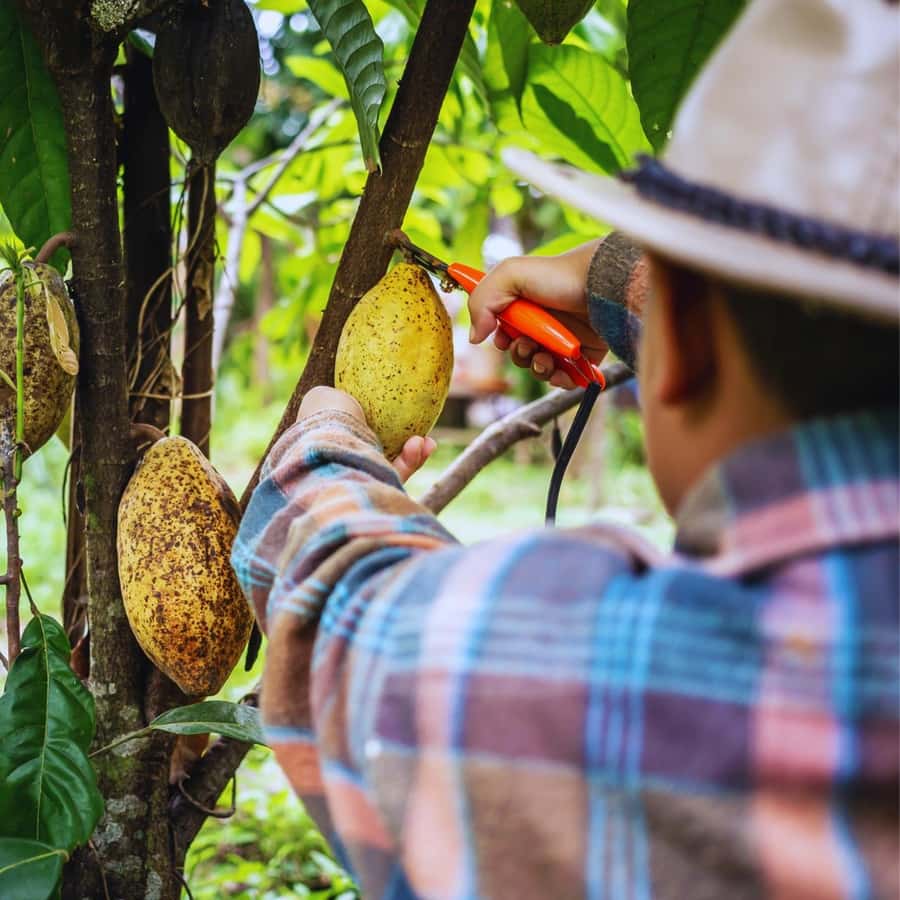
Your farm visit centers on cacao and coffee with an Arhuaco family managing the land and the experience. This isn’t a fast “look and go” stop. You’ll spend time learning their way of life and how they relate to the land through their indigenous worldview.
Here’s what you can expect during the farm portion:
- Cultivation and transformation: You’ll learn the processes that take cacao and coffee from plant care to the forms people recognize.
- Worldview and meaning: The guide and the family explain how these crops fit into indigenous understanding of life and nature.
- Conversation time: You’ll have time to talk with members of the Arhuaco community, which is where the experience often feels most human.
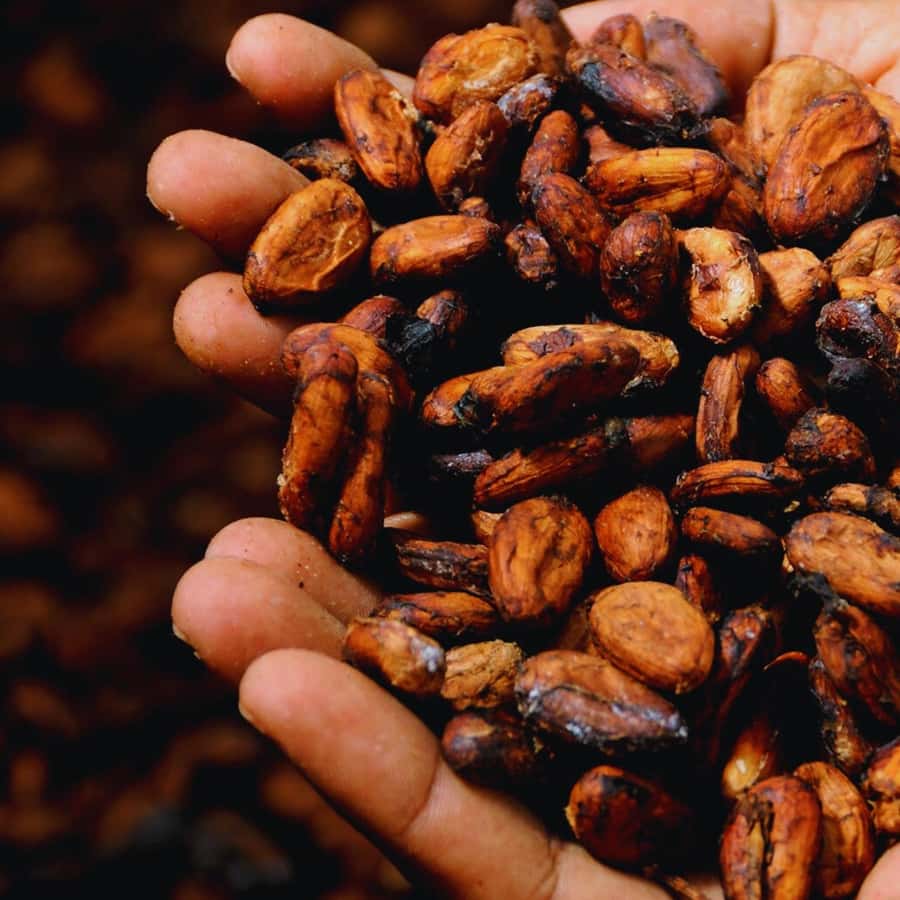
In other words, this is where the tour becomes more than scenic walking. You get the “how” and the “why,” and you end up tasting what you just learned—traditional cacao and coffee tasting included.
If you get a guide like Jorge, the farm portion has a reputation for feeling private and personal, not staged like a group parade. That matters because you can ask follow-up questions and actually absorb the answers instead of being rushed from one bench to another.
The Waterfall Moment: Cooling Off (and Staying Smart)
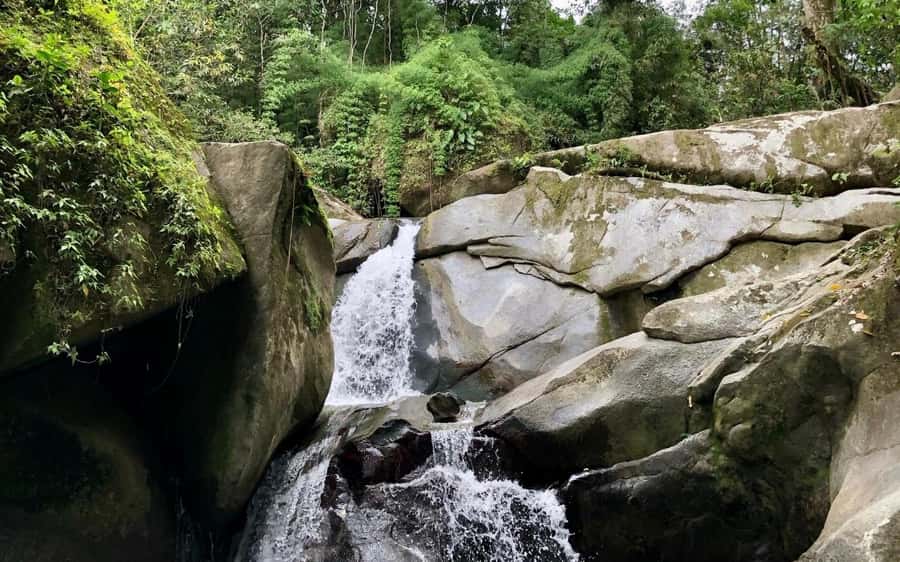
After the farm stop, you get time to relax at a natural waterfall. It’s the payoff: you’ve walked, listened, and tasted; now your body gets to cool down.
The tour notes that you may encounter a waterfall along the way, so it’s not just a final-stop thing. Bring your swimsuit and be ready to adjust depending on conditions. If the water is safe and accessible, you’ll likely have time to enjoy it.
A waterfall also changes the vibe fast. It’s quieter, greener, and a little more magical—mostly because you’re no longer climbing or walking. This is also the moment that folks often enjoy most after the hike down, especially when there’s a chance for a cooling swim.
Two small practical reminders:
- Wear sunscreen and bug repellent properly before you start lingering.
- Follow the guide and community instructions. This space is part of how local people experience their environment.
What to Bring: The Stuff That Makes the Day Easier
This is a 4.5-hour trek with a farm visit and waterfall time. That means your packing list should be boring and practical—not “outdoor influencer” themed.
Bring:
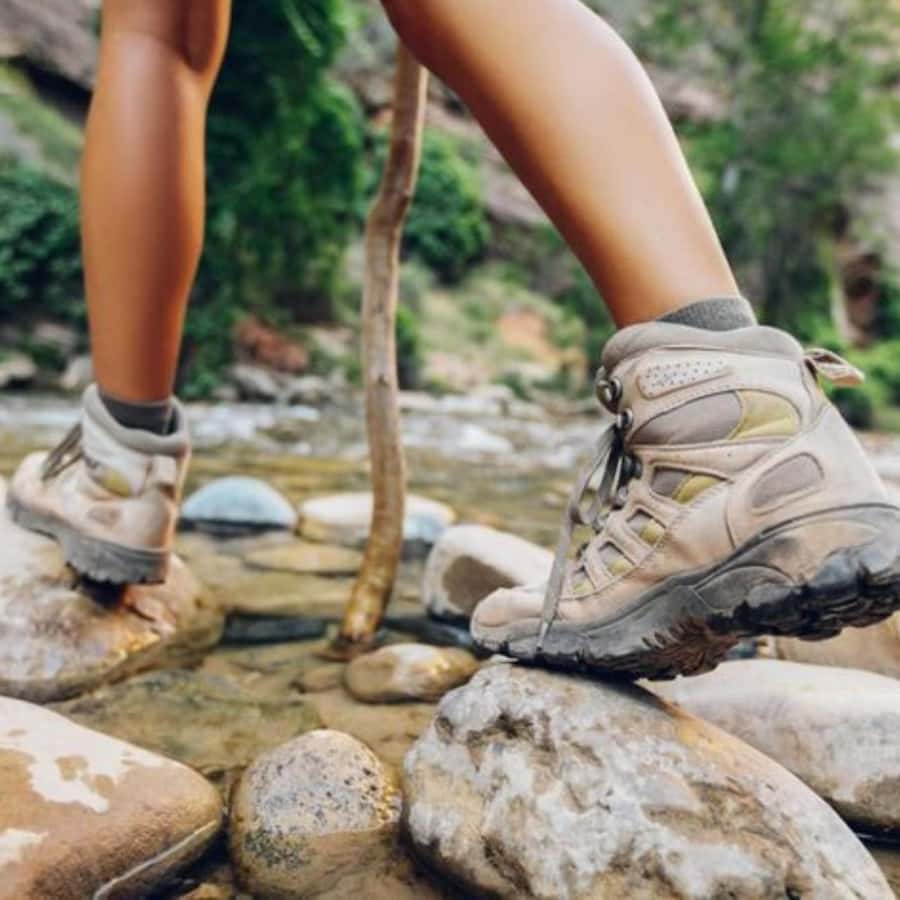
- Comfortable shoes or hiking shoes (the medium difficulty is real)
- Sun hat and sunscreen (plus biodegradable sunscreen if possible)
- Swimwear (because waterfalls may appear and you’ll want options)
- Reusable water bottle
- Biodegradable insect repellent
- Hiking pants and a light layer if it cools down
- Basic trekking gear you already use (nothing fancy required)
Avoid bringing anything sharp or unnecessary. Also, the tour has clear rules: no weapons, no drugs or alcohol, no littering, and cultural respect is required. It’s also not a nudity-friendly activity, so don’t plan around it.
Price and Value: Is $41 Worth It?
For $41, you’re basically buying four things at once:
- A bilingual indigenous history guide
- A guided walk along historic trails
- A farm visit with explanation + traditional tasting
- Access to a natural waterfall
Food and drinks are not included. Transportation isn’t included either. So if you’re already hungry and thirsty when you start, you’ll want to plan a snack before the tour and handle water yourself.
But the value holds because the experience is not generic. You’re not just seeing cacao and coffee. You’re learning cultivation and processing through the relationship an indigenous family has with the land. That kind of access costs time and effort—and it’s exactly what makes this tour feel grounded instead of touristy.
If you want a half-day that blends walking, culture, and a real chance to relax at the end, this is good value. If you’re expecting a luxury day with meals and a bus, it’s not that.
Who This Tour Fits Best (and Who Might Want Another Option)
This one fits best if you:
- Want more than nature photos—you want context about indigenous heritage
- Like tours where you can ask questions during the day, not only at the end
- Are comfortable with a medium hike and uneven ground
- Want cacao and coffee explained from an indigenous family-run perspective
It might not fit if you need step-free access. The tour isn’t suitable for wheelchair users. It’s also not meant for very young kids: no children under 12. And the activity notes it isn’t suitable for people over 95 years.
If you’re traveling with a tight schedule in Minca, this is a strong way to use a morning or afternoon without committing to a full-day trek.
If You Should Book: My Honest Take
Book it if you want a real connection between Minca’s nature and the people who have shaped the knowledge around it. You’ll leave with a clearer sense of why cacao and coffee matter here, not just what they taste like.
Skip it if you want an easy stroll, heavy comfort, or a meal included plan. You’re paying for walking, storytelling, and a farm visit—not for a cushy day tour with food.
The best part is that the format keeps moving. Trail. Farm. Tasting and conversation. Waterfall. That rhythm makes the 4.5 hours feel complete without dragging.
FAQ
FAQ
Where do I meet the guide?
You meet the guide at Minca Central Park, at the central chapel. The tour ends back at the same meeting point.
How long is the experience?
The duration is listed as 4.5 hours, with a total time of about 4–5 hours in practice.
How difficult is the hike?
The difficulty level is medium, and good physical condition is recommended.
Is the guide available in English?
Yes. The tour guide works in English and Spanish.
What food or drinks are included?
Food and beverages are not included, so plan to have snacks or meals outside the tour.
Will I have a chance to swim at a waterfall?
You’ll have time to relax at a natural waterfall, and the tour may also include a waterfall along the way. Bring a swimsuit in case conditions allow.
Is the tour affected by rain?
The activity takes place rain or shine, except in extreme conditions.
Is this suitable for children?
It’s not suitable for children under 12.
Do I need to bring sunscreen and bug repellent?
You should. The tour guidance recommends sunscreen (including biodegradable sunscreen) and biodegradable insect repellent, plus a sun hat.