REVIEW · SA PA
From Hanoi: Sapa 3-Day Medium Trek and Limousine Trip
Book on GetYourGuide →Operated by Crossing Vietnam Tour · Bookable on GetYourGuide
Sapa is a stairway to mountain life. This 3-day trip pairs Hoang Lien Son scenery with village days that feel far more everyday than tour-brochure. You also get at least one overnight homestay, where the rhythm of the highlands is right there in front of you.
I especially like the focus on real village routes: Sin Chai on Day 1, then Muong Hoa Valley villages like Y Linh Ho, Lao Chai, and Ta Van. Expect a proper guided trek (about a 9-kilometer total route) with a pace that can be adjusted for your group.
One main consideration: logistics can be a little messy. Pickup timing and how clearly things are explained can vary, and homestay conditions are not hotel-level, so plan for simple, shared, cold-weather realities.
In This Review
- Quick hits: what makes this Sapa trek tick
- Hanoi to Sapa by limousine: comfortable wheels with a timing caveat
- Day 1: Sin Chai village trek and a Sapa night to reset
- Day 2: Muong Hoa Valley, suspension bridge crossing, and the Ta Van homestay
- Day 3: Terraces, bamboo forest, and Giang Ta Chai near the waterfall
- Homestays: what to expect (and how to make them work for you)
- Guides on this route: pace, context, and local knowledge that actually helps
- Weather and altitude reality check: pack for cold and fog
- Price and value at about $165: what’s included, what you pay yourself
- Who this trek suits best (and who should reconsider)
- Should you book this Sapa trek from Hanoi?
- FAQ
- How far is the trekking portion?
- What time does the pickup happen in Hanoi?
- What villages are visited during the 3 days?
- Where do you stay overnight?
- Is the guide English-speaking?
- What should I bring for the trek?
- Are there any concerns about locals approaching you on the trail?
Quick hits: what makes this Sapa trek tick
- Pickup from Hanoi’s Old Quarter around 6:30–7:00am with restroom/snack stops on the 6-hour ride
- Day 1 Sin Chai (Black Hmong) on a ~4-kilometer walk southwest of Sapa town
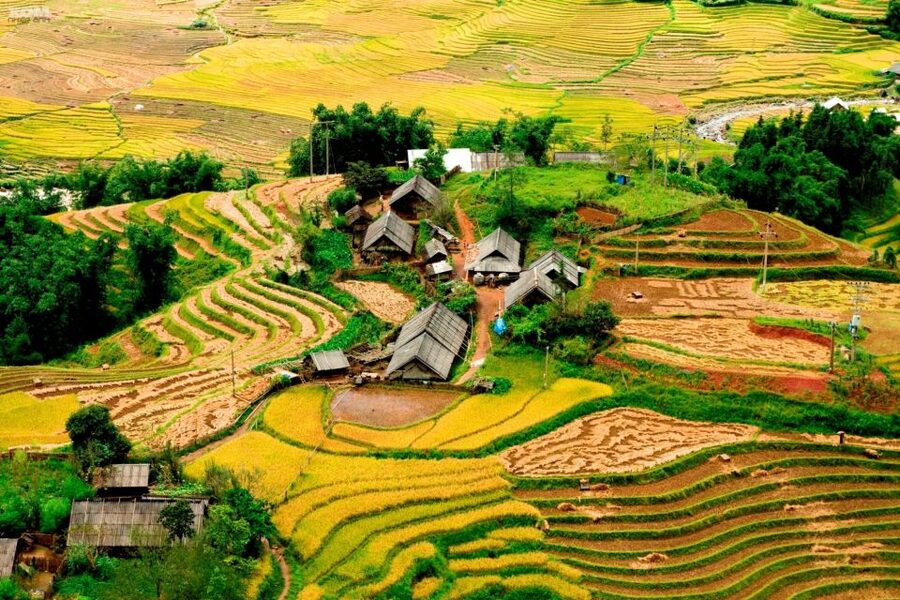
- Muong Hoa Valley hiking with sweeping mountain views and a suspension-bridge crossing
- Village-to-village Day 2: Y Linh Ho → lunch → Lao Chai → Ta Van homestay (Zay community)
- Day 3 terraces to bamboo forest to a waterfall, then Giang Ta Chai (Red Zao)
- Homestay nights are part of the point, but facilities are rustic and shared
Hanoi to Sapa by limousine: comfortable wheels with a timing caveat
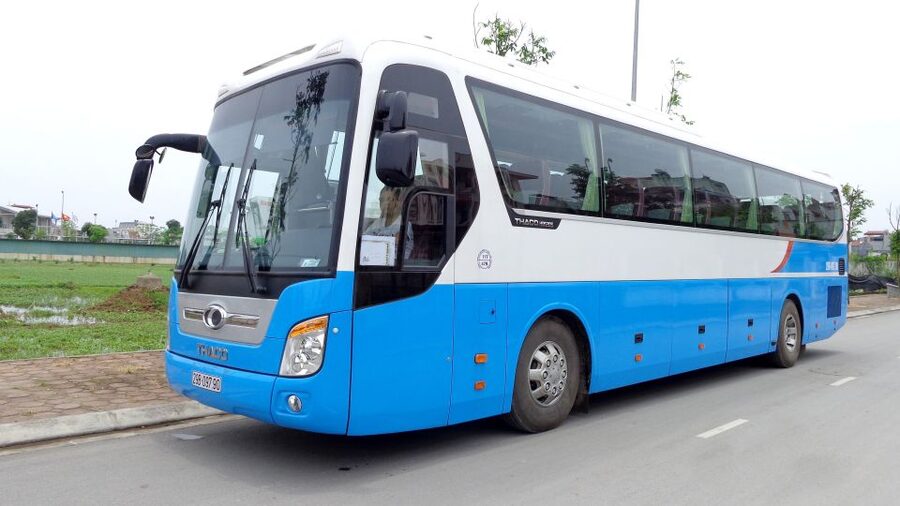
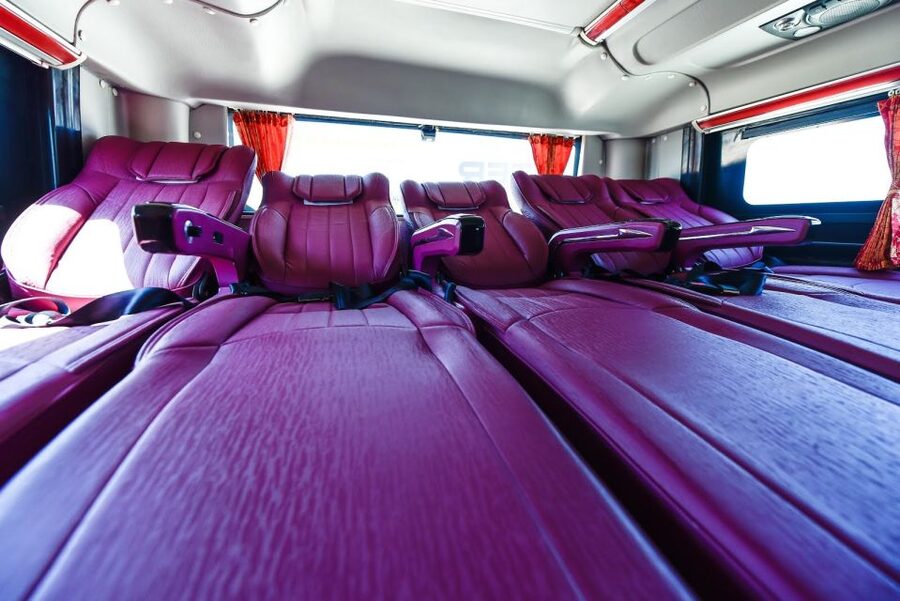
The trip starts with a limousine pickup from your hotel in Hanoi’s Old Quarter at about 6:30–7:00am. The ride to Sapa takes around 6 hours, with two scheduled stops for snacks and restrooms. That matters: Sapa is high, the air feels different fast, and you’ll want breaks before the trekking day begins.
Once you arrive, you’ll have lunch and check in before your first trek. Plan your day with a “start moving when you’re told” mindset. Even when transport is comfortable, timing and communication can be less crisp than you’d expect—some groups have reported confusion at the first stop and unclear instructions. If you’re the type who hates uncertainty, bring patience and keep your questions simple: Where do we meet? What time do we start?
Still, the value is real. You’re not just buying trekking—your ticket includes round-trip modern transport, an English-speaking guide, entry tickets, and meals across the three days.
You can also read our reviews of more tours and experiences in Sa Pa.
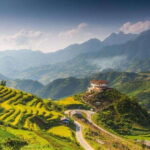
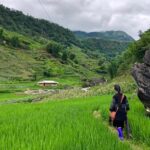
Day 1: Sin Chai village trek and a Sapa night to reset
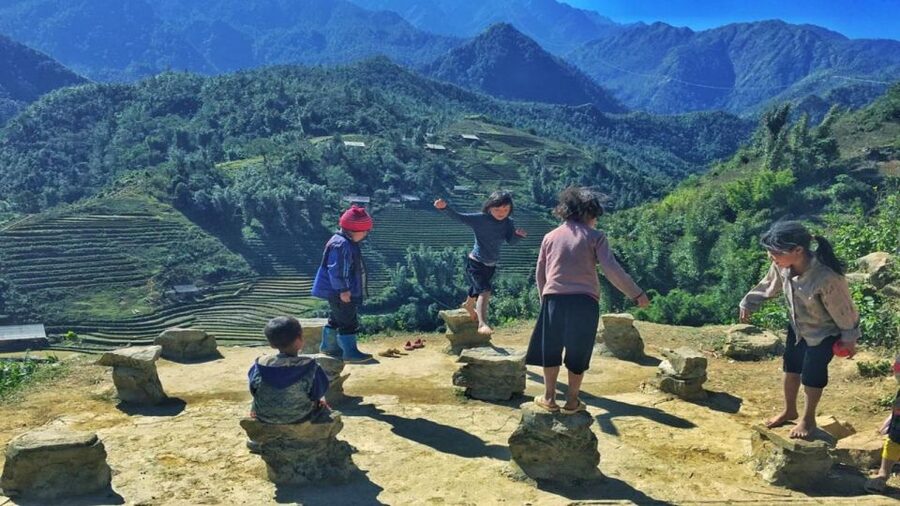
Day 1 begins with a short travel day followed by your first village walk. After you settle into Sapa, your guide takes you on a trek to the southwest of Sapa, about 4 kilometers, to reach Sin Chai village of the Black Hmong. The key detail is the village’s location: it’s more than 2 kilometers from the center of Sa Pa town, so it feels like an actual highland community—not just a photo stop.
The trek itself is where the trip starts to feel authentic. You’re not simply looking at views from a viewpoint; you’re walking through the same terrain that local life depends on: paths, slopes, and the in-between spaces that connect homes to fields. And because you’re moving with an English-speaking guide, you can ask questions about what you’re seeing: daily work, household life, and how village routines shape the way the landscape is used.
After the trek, you head back to your hotel, freshen up, and eat dinner. This evening is one of the best chances to get your bearings. Many groups enjoy low-key Sapa night options like roasted corn and baked eggs near a charcoal fire, plus some shopping time if you want souvenirs or practical warm layers. If fog rolls in, don’t panic—Sapa weather changes quickly, and the next days can still deliver strong views.
Day 2: Muong Hoa Valley, suspension bridge crossing, and the Ta Van homestay
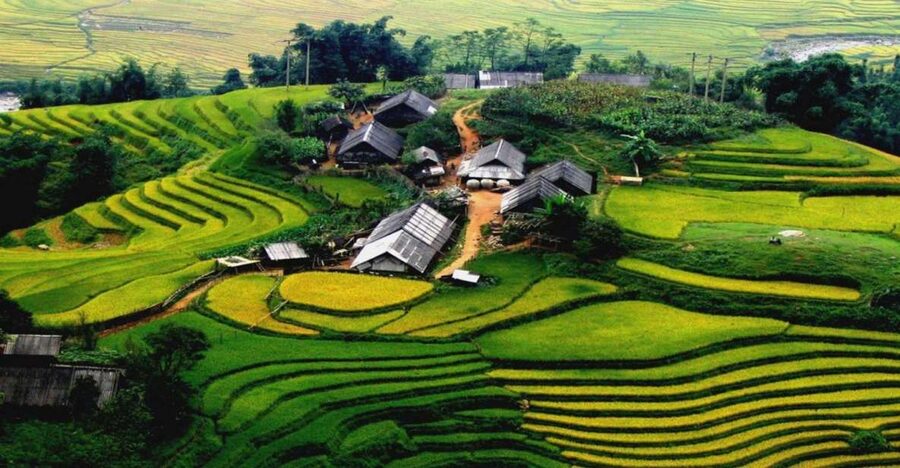
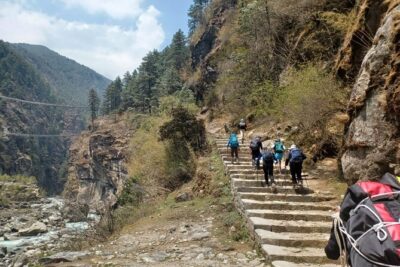
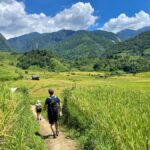
Day 2 is the valley day. You’ll start with breakfast, then leave your room to begin trekking in Muong Hoa Valley. The route starts by heading south along the main road for about an hour, then switching to a footpath downhill into the valley.
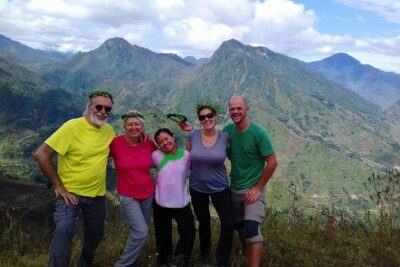
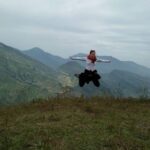
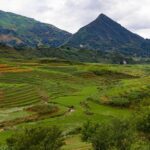
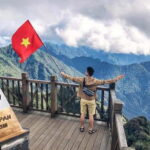
This is where you’ll really notice the trip’s “medium trek” style. You’re walking enough to earn the views, but the schedule is built around breaks, villages, and meals. Along the way, you’ll be able to marvel at scenery tied to the Hoang Lien Son mountain range—and in misty weather, the mountains can look unreal, like you’re trekking through a cloud layer.
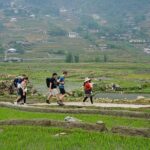
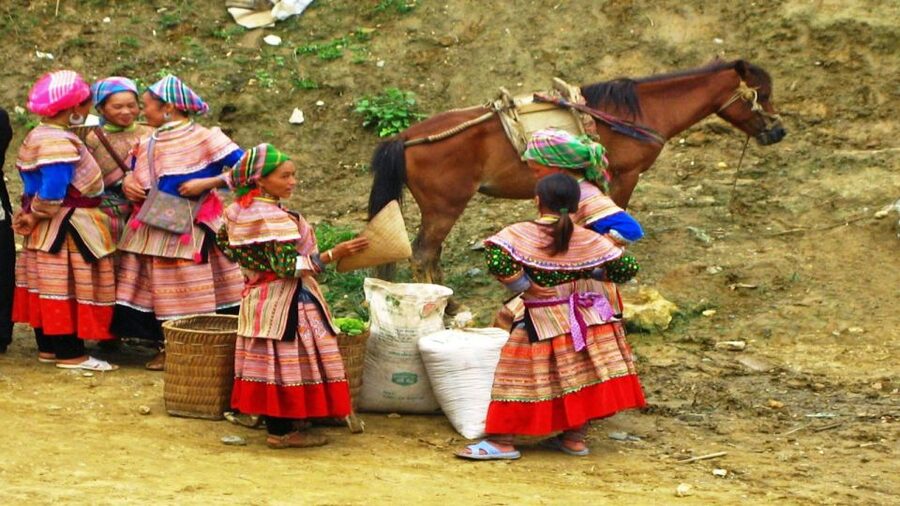
You’ll cross a suspension bridge to reach Y Linh Ho village, where you can visit some H’mong families and watch daily work. Then lunch comes in, followed by a couple more hours of trail through the hills toward Lao Chai, another H’mong village.
From there, you follow the river bank to Ta Van, home to the Zay people. The walk keeps you moving through real terrain—river edges, trail turns, and valley bends—so the scenery doesn’t feel staged. You’ll spend the evening in a homestay in Ta Van, which is the part of this itinerary that most people remember for years.
One important practical note: homestay facilities are not the same as a Sapa hotel. You should expect simple sleeping arrangements and shared spaces. It’s part of the experience, but it’s also why you should pack for warmth and flexibility.
Day 3: Terraces, bamboo forest, and Giang Ta Chai near the waterfall
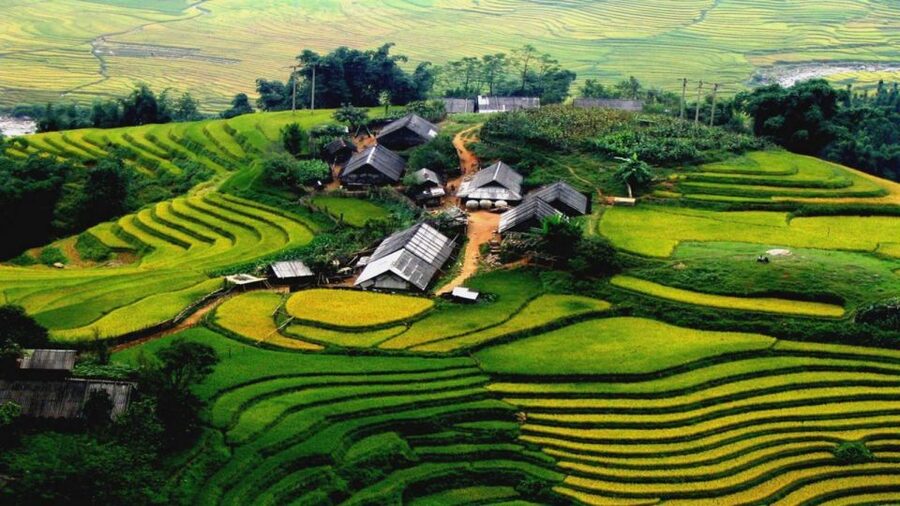
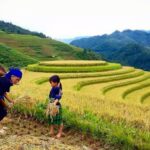
Day 3 starts with breakfast at the homestay, then a trail that climbs again. You’ll head uphill, passing terraced rice fields and smaller hamlets of the H’mong. Rice terraces are one of the main reasons people come to Sapa, but what’s better here is the pacing: you’re not just walking past a single view. You’re moving along routes that show how farming and settlement connect.
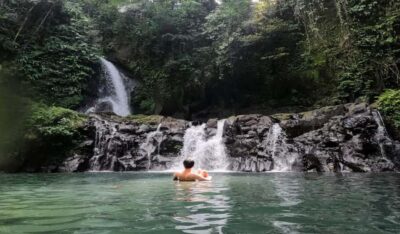
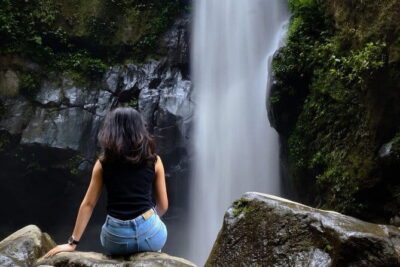
After the terraces and hamlets, the trail shifts into a bamboo forest, which changes the whole feel of the trek. Then you reach a waterfall. This is your reset moment: sit, breathe, and take in the sound and cool air. Even in rain or fog, a waterfall can still be a highlight because it keeps working—water doesn’t care about the weather.
From the waterfall, you continue for about 30 minutes to Giang Ta Chai village of the Red Zao people. Lunch is served nearby, followed by a bit of downtime to relax and get ready before the ride back.
The return starts with a limousine pickup at 2:00pm. The drive back to Hanoi takes five to six hours depending on traffic, and you should arrive around 8:30–9:30pm. That late arrival matters if you’re connecting to a train or flight—build in cushion time.
Homestays: what to expect (and how to make them work for you)
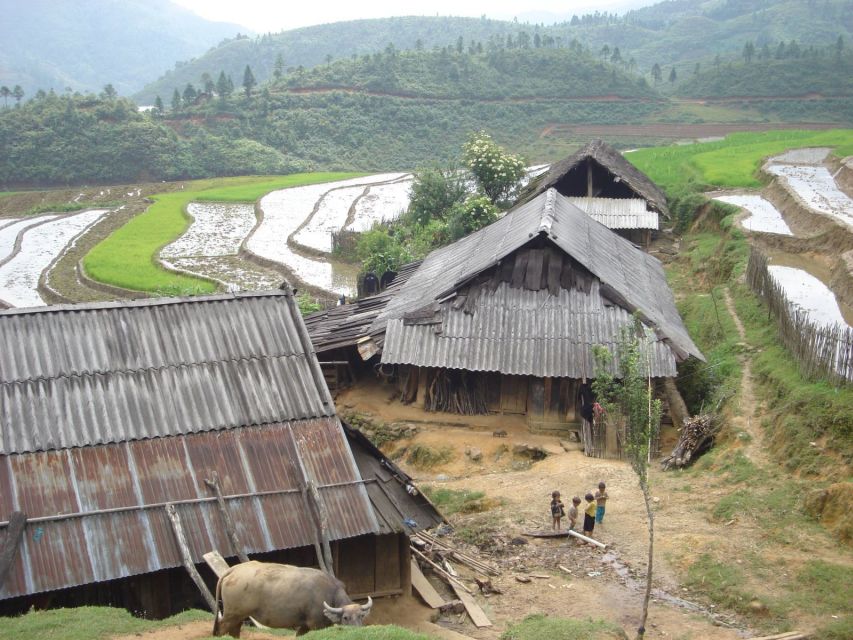
Homestay nights are the soul of this kind of Sapa trek. You get a chance to share a meal with a local family, see how daily life runs, and sleep in the same basic rhythm as the people who live there every day.
But here’s the honest tradeoff. Homestay facilities aren’t designed like hotels. Expect things like shared bathroom setups and minimal privacy. Some stays can feel rustic and communal, with sleeping areas that are open and simple rather than private and quiet. Also, you’ll be in the mountains, and Sapa can be cold—especially from September to March, with fog possible in December through March.
My advice: treat homestay comfort as something you prepare for, not something you count on. Bring a warm scarf, hat, and layers you can peel on and off. Comfortable socks matter more than you think. And if you need privacy to sleep well, consider whether this style of stay fits you.
The good news is that the human side is usually what carries the night. Guides often emphasize respecting the household routine, and families tend to be friendly and welcoming. If you can roll with simple conditions, the homestay becomes the most memorable part of the trip.
Guides on this route: pace, context, and local knowledge that actually helps
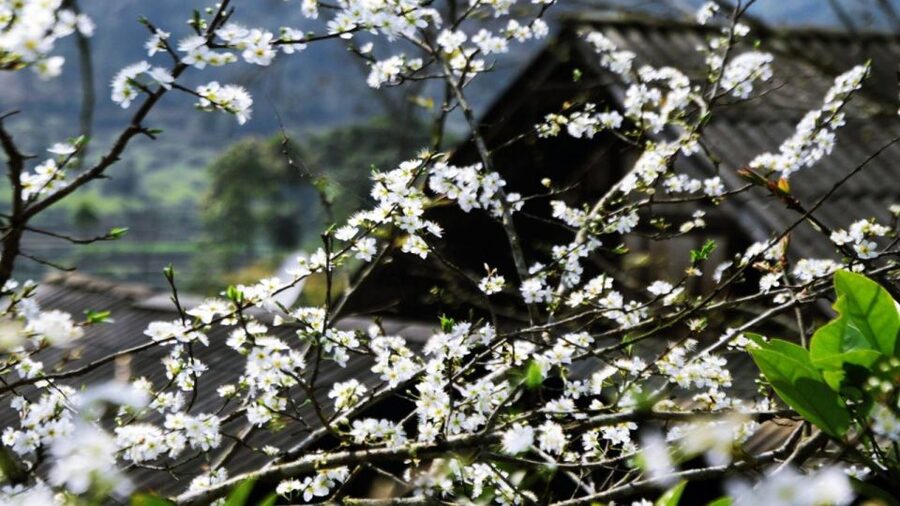
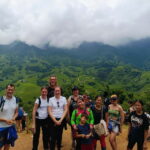
The trekking experience rises or falls on the guide, and this itinerary leans hard into that. You’ll have an English-speaking local guide in Sapa, and multiple past groups have praised guides like Jo, Ai, and May for shaping the trek to match the group’s hiking skills and keeping the schedule clear.
What’s especially valuable is how the better guides manage the day-to-day details: setting a sensible pace, explaining what you’re about to see, and telling you when to eat or change plans if weather shifts. When conditions are misty or rainy, you want a guide who can still point you toward the most rewarding views and villages.
There’s also the cultural side. You’ll hear stories and context about ethnic communities and how everyday work fits into the seasons. That’s not just trivia—it changes how you walk. Instead of passing houses as scenery, you start noticing patterns: fields, routes, and why certain paths matter.
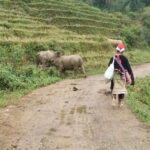
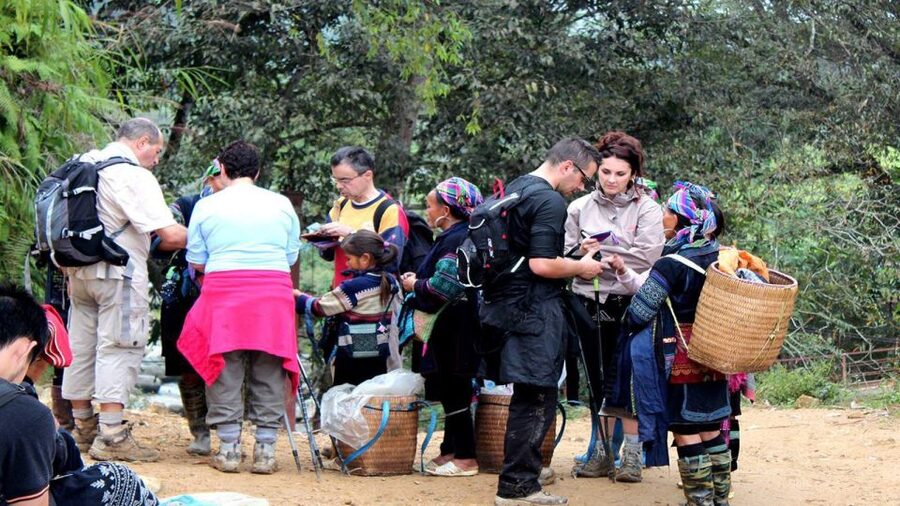
One more big point: keep your guide close. The itinerary information includes an urgent note that some ethnic residents may try to accompany you to ask for money or sell items at high prices. This has been an ongoing issue in Sapa. Your best move is simple: stick with your guide, don’t get sidetracked, and don’t negotiate on the fly while walking. If anyone tries to separate you from the group, redirect calmly back to your guide.
Weather and altitude reality check: pack for cold and fog
Sapa weather is unpredictable. In the months from September to March, it’s generally cold, and fog can be common in December, January, February, and March. Even outside those months, you can still get misty conditions on the trails.
Add altitude to the mix, and you get a simple rule: dress like you might feel chilly at any point. Bring warm clothes plus a scarf and hat. Also pack practical trail items like sunglasses, sunscreen, insect repellent, and trekking shoes (not just sneakers).
If you’re sensitive to weather, plan for it. Bring a light rain shell if you have one. If you’re not sure, at least pack layers you can move in without overheating.
Price and value at about $165: what’s included, what you pay yourself
At $165 per person for a 3-day format, you’re buying more than a walking tour. The included value stacks up like this: round-trip limousine transport, an English-speaking guide, 2 nights accommodation (chosen option), 3 lunches and 2 breakfasts plus 2 dinners, and entrance tickets to the indicated sites.
What’s not included is straightforward: beverages and personal expenses. That’s important in Sapa, because you’ll likely want drinks during the day and snacks if you get hungry on the trail.
Also plan your money. The info specifically notes to bring cash in Vietnamese Dong because the banking system in Sapa sometimes doesn’t function well. US Dollars, Euros, and Australian Dollars are accepted in Sapa, so you’re not locked into only one currency. Still, cash is the safest bet.
When you compare it to the cost of getting Hanoi ↔ Sapa transport on your own plus guide and meals, the price starts to look reasonable—especially if you want village access without the stress of coordinating it yourself.
Who this trek suits best (and who should reconsider)
This is a medium trek built around village routes and mountain scenery, with a 9-kilometer trek total noted as not recommended for older guests or children. If you’re in decent shape and enjoy walking on uneven paths, you’ll likely find it manageable.
It’s also not suitable for people with mobility impairments, based on the itinerary structure and trekking requirements.
What might make you reconsider:
- If you hate shared sleeping arrangements and can’t handle basic homestay facilities
- If cold weather and fog would ruin the experience for you
- If you prefer highly controlled, predictable comfort every minute of the day
Who will love it:
- People who want village life and not just viewpoints
- Travelers who are happy trading hotel polish for authentic meals and direct human interaction
- Anyone who likes a guide-led pace that can adjust
Should you book this Sapa trek from Hanoi?
If your goal is a guided village-and-terraces Sapa experience with at least one homestay night, this trip is a strong match. The itinerary hits the key villages—Sin Chai, Y Linh Ho, Lao Chai, Ta Van, and Giang Ta Chai—plus it includes the physical “feel” of the valley through trails, river edges, suspension bridges, bamboo forest, and a waterfall stop.
Just don’t treat the homestay like a hotel, and don’t assume every transport detail will be perfectly communicated. If you pack warm layers, bring comfortable shoes, and stay close to your guide (especially with the note about money-seeking accompaniment), you’ll get the best version of this adventure.
FAQ
How far is the trekking portion?
The trip includes a 9-kilometer trek overall. It’s not recommended for older guests or children.
What time does the pickup happen in Hanoi?
Pickup is included from your hotel in Hanoi’s Old Quarter at around 6:30–7:00am for the ride to Sapa.
What villages are visited during the 3 days?
You’ll visit Sin Chai (Black Hmong), Y Linh Ho, Lao Chai, Ta Van (Zay), and Giang Ta Chai (Red Zao).
Where do you stay overnight?
You get 2 nights of accommodation, and you may have a homestay on the first night or the second night depending on circumstances. The plan includes a homestay in Ta Van on Day 2.
Is the guide English-speaking?
Yes. You’ll have an English-speaking local tour guide in Sapa.
What should I bring for the trek?
Bring comfortable shoes and warm clothes (scarf, hat, or cap). It also helps to pack sunglasses, sun cream, insect repellent, and medicine in case of illness.
Are there any concerns about locals approaching you on the trail?
The information notes that some ethnic residents may try to accompany you to ask for money or sell items at high prices. The guidance is to ignore them and stick to your guide.