REVIEW · SA PA
1-Day Sapa Long Trek – Rice Field Terrace, Ethnic Culture
Book on GetYourGuide →Operated by Cat ba memories · Bookable on GetYourGuide
That steep, green walk is exactly what Sapa is about. This day trek threads rice terraces and village life into a tight loop, plus you get home-style food in Lao Chai Sang and cultural stops led by local guides like Pao and Mao. My only “watch out” is the ground can turn slippery and uneven fast in wet weather, and the village craft chats can feel a bit salesy when you’re just trying to enjoy the trail.
You start at 9:00 AM in Sapa town, and the pace is guided (not mass-tour clockwork). With a small group capped at 10, pickup from Sapa town, and English/Vietnamese interpreting, it’s a good way to see real rural rhythms without hauling yourself on a complicated plan.
In This Review
- Key moments people rave about
- 9:00 AM in Sapa Town: Fansipan Views Without the Crowds
- Muong Hoa Valley Trek: Rice Terraces, Streams, and Y Linh Ho
- Lao Chai Sang Lunch in Lao Chai Sang: Why the Meal Matters
- Cloth, Natural Dyes, and the Walk Toward Ta Van
- Ta Van Village and Incense Making: A Calm Finish Before the Ride Back
- How Tough Is This Trek? Mud, Steps, and Pace Choices
- Value at $24: What You Get and What You Might Pay Extra For
- Should You Book This 1-Day Sapa Long Trek?
- FAQ
- What time does the trek start?
- How long is the trek?
- Is pickup and drop-off included?
- Is lunch included?
- Do I need to pay entrance fees?
- What languages do the guides speak?
- What should I bring for the trek?
- Is the tour affected by bad weather?
Key moments people rave about
- Fansipan views early in the day from a quiet ridge before the valley trekking starts
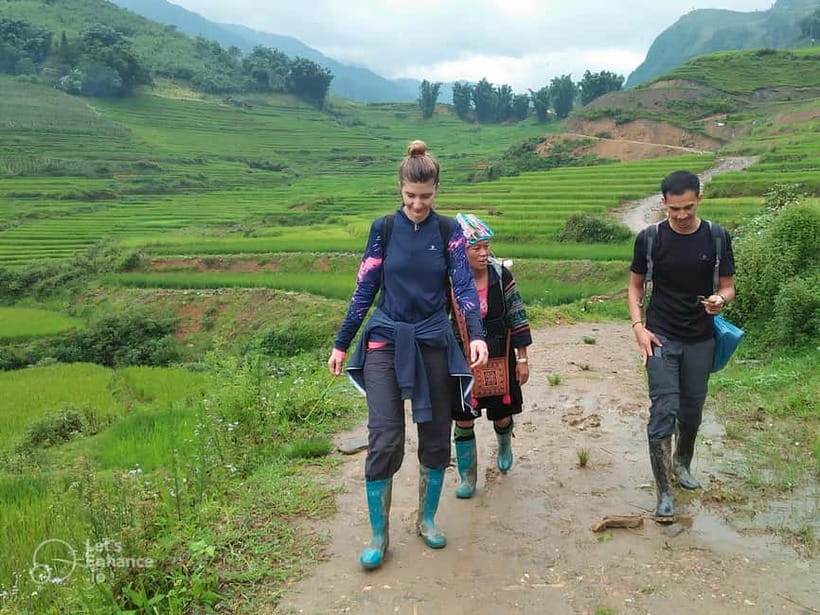
- Muong Hoa Valley rice terraces with river sounds, bridges, and open field paths
- Family lunch in Lao Chai Sang that’s more filling than any snack stop
- Handwoven clothing + natural dyes taught by locals in village craft settings
- Ta Van incense making as a hands-on culture stop before you head back to town
- Small-group guidance with route choices like easier vs steeper paths
9:00 AM in Sapa Town: Fansipan Views Without the Crowds
The day starts at 9:00 AM, right in Sapa town. If you’re the type who hates being herded, this timing helps: you’ll be walking while the mountain air still feels crisp and the view-spot isn’t fully packed.
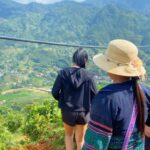
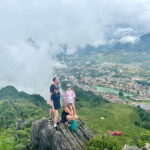
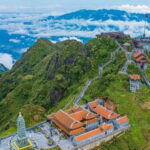
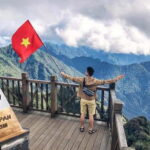
A key early moment is the ride and climb up to a ridge for a panoramic look toward Fansipan, often called the Roof of Indochina. You’re not just looking at a postcard peak—you’re getting your bearings for the whole day. From there, the trail gradually transitions from ridge air to valley walking, so the trek feels like a journey rather than one long grind right from the gate.
One practical point: the tour includes entrance fees for Fansipan national park for Fansipan trekking only. If your chosen plan includes any Fansipan hiking, you may need to provide passport photos for the registration process. If not, you can still enjoy the ridge views without dealing with extra paperwork.
You can also read our reviews of more tours and experiences in Sa Pa.

Muong Hoa Valley Trek: Rice Terraces, Streams, and Y Linh Ho
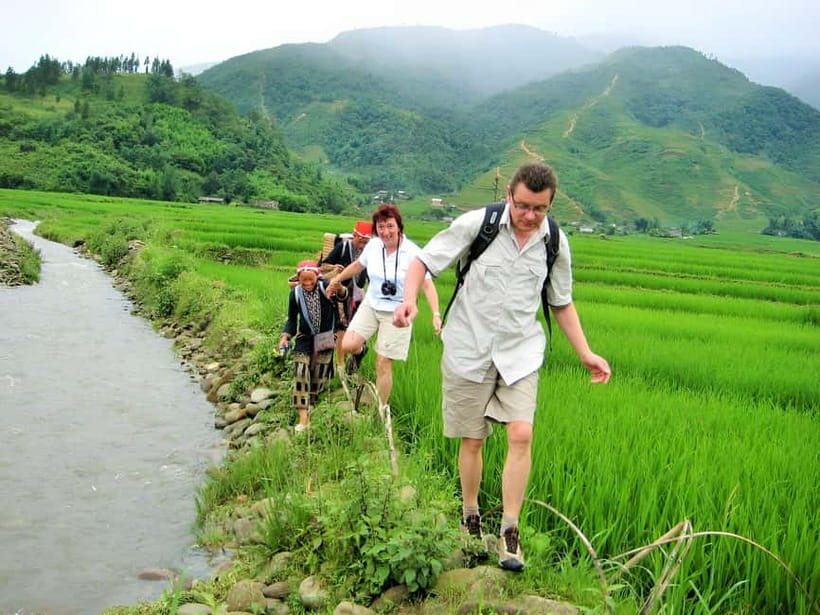
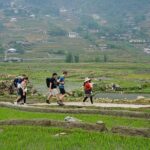
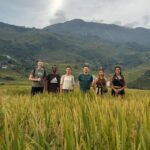
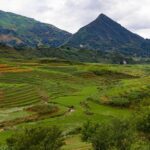
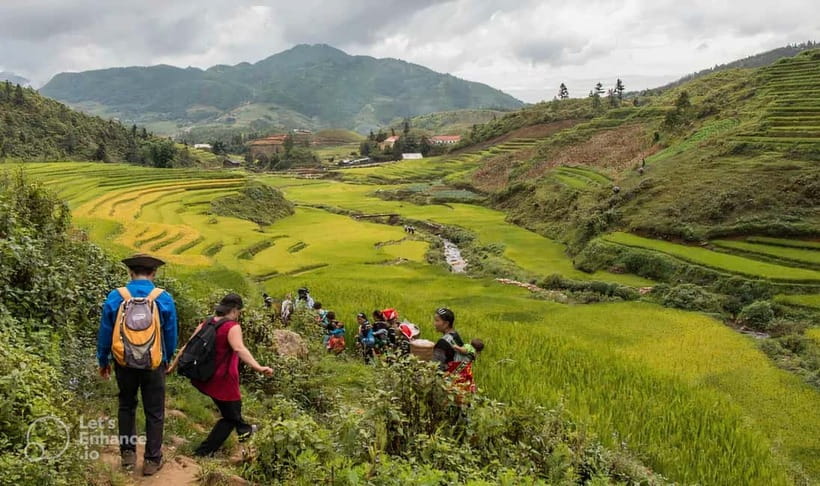
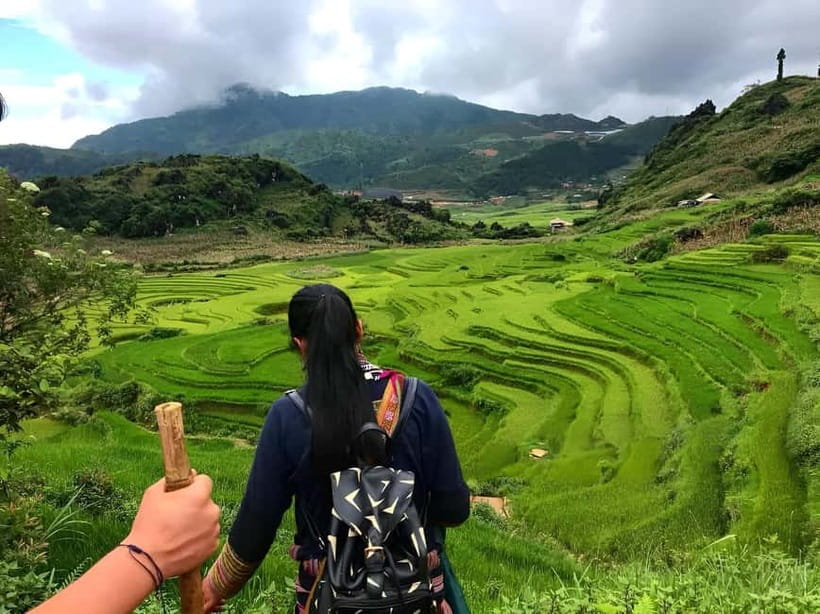
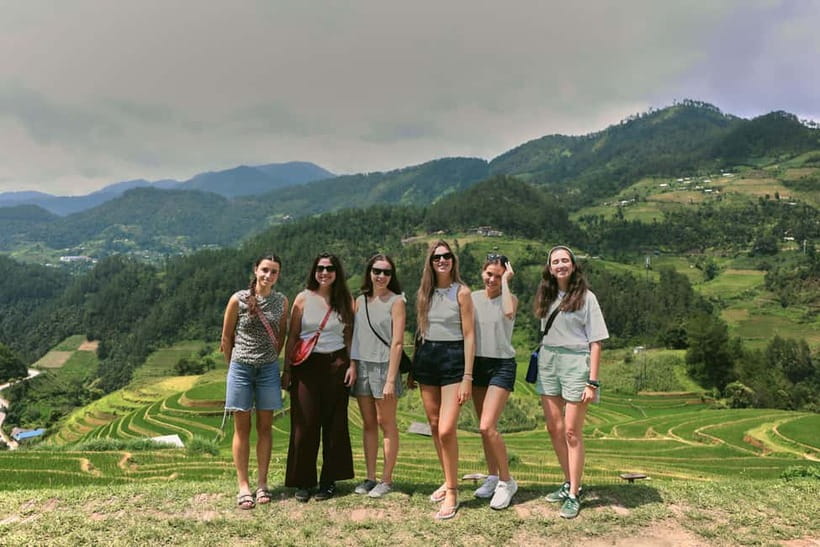
After the ridge viewpoint, you descend into Muong Hoa Valley—this is where the day starts to feel like a working place, not a theme park. You’ll walk through rice terraces that stack down the slopes and along stretches where water and streams are part of the soundtrack.
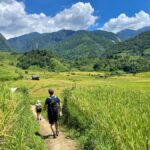
Around 11:00 AM, you reach Y Linh Ho, a Hmong village by a clear river. There’s a classic wooden bridge moment here, and it works because it breaks the long stretches of walking with a change of scenery and a chance to reset your legs. Once across, you continue deeper into the valley through open rice field paths, with towering peaks around you.
This section is also where you’ll feel the real trekking conditions. Multiple guides in the experience have clearly managed pace well—Mao, for example, offered choices for easier vs steeper sections—so you’re not stuck with one “correct” route. Still, expect uneven steps and some muddy stretches if the weather has been wet. That’s not a reason to avoid the trek, but it is a reason to wear proper footwear.
Lao Chai Sang Lunch in Lao Chai Sang: Why the Meal Matters
At about 12:30 PM, you arrive in Lao Chai Sang for lunch with a welcoming Hmong family. This is one of the best parts because it’s not a quick “food stop.” It’s a sit-down moment that slows the day, and it gives context for what you’ve been seeing—rice growing, daily work, and how mountain families actually eat and host.
The tour describes it as home-cooked, family-style, and that lines up with what you’ll feel in your stomach after hours of walking. Reviews also mention the portion sizes being generous and the lunch being delicious, with options to ask for dietary adjustments in advance. If you have any restrictions, let the operator know ahead of time so the family can plan.
One small thing that makes this lunch hit harder: you’re doing it in the middle of the trekking route, not after you’ve already “done the hard part.” That means you’ll re-fuel while the scenery still feels close and alive, not like you’re just trying to survive the rest of the day.
Cloth, Natural Dyes, and the Walk Toward Ta Van
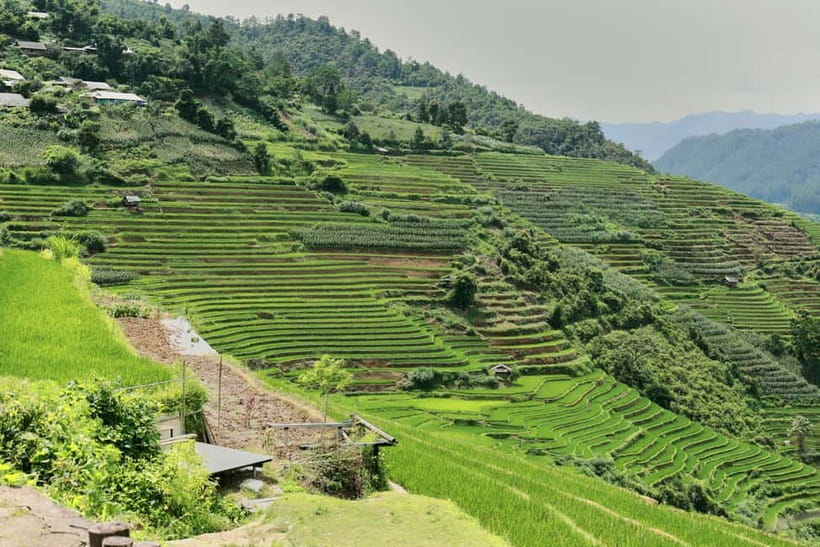
Around 2:00 PM, you make a stop related to traditional clothing—how handwoven fabrics are made and how natural dyes are used. This is valuable because it turns “pretty clothing” into something you can understand. You’ll see the craftsmanship as a skill passed down, not just an item someone happens to sell.
In this same late-afternoon stretch, the trail continues toward Ta Van. The walking rhythm often shifts here: by then you’ve built up some fatigue, so guides who adjust pace—like Sue and Sung in different departures—matter. The best guides don’t just say yes; they actively check comfort and route difficulty so you can keep enjoying the views instead of white-knuckling every step.
A note on timing: the schedule brings you into Ta Van around 3:00 PM. That means you usually still have energy to participate in the culture stop without feeling like you’re rushing through it.
Ta Van Village and Incense Making: A Calm Finish Before the Ride Back
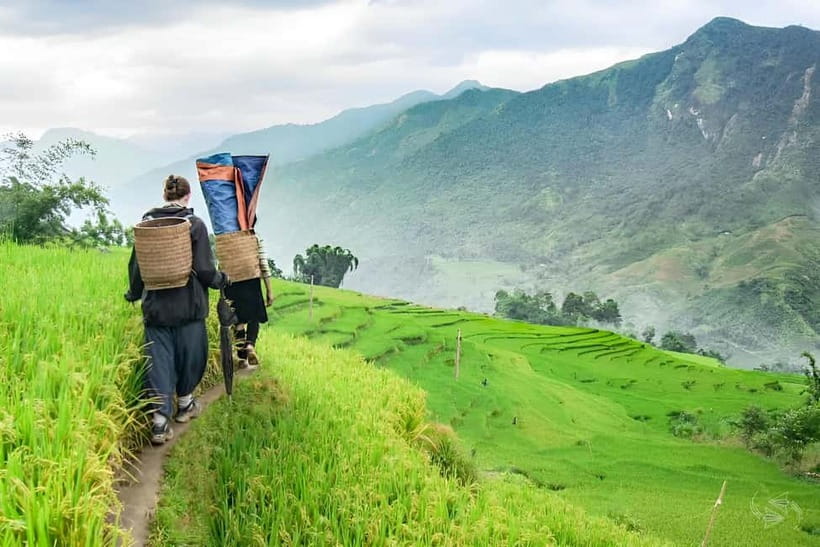
Ta Van village is where the day finishes with a more focused culture stop. The highlight here is learning the traditional art of incense making, which is one of the more practical, hands-on activities you’ll get on a mountain trek.
If you’ve mostly spent the day outdoors—rice terraces, fields, river crossings—incense making adds a different kind of sensory detail. It’s quieter, slower, and more about daily ritual than dramatic views. And it gives you something to take home mentally that isn’t just a photo.
Your driver then meets you in Ta Van and brings you back to Sapa town. In the itinerary you’ll typically be there around 3:00 PM, so you’re not stuck out until late evening. For many people, that’s the sweet spot: a full day worth of walking and culture, but still realistic for dinner plans back in town.


How Tough Is This Trek? Mud, Steps, and Pace Choices
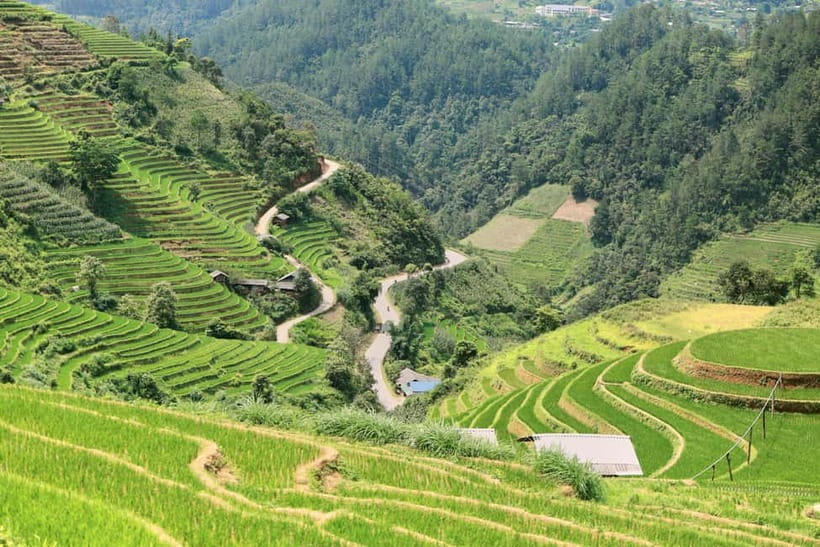
This trek is “long” for a reason. Based on real walking distances described in the experience, you can be looking at about 12 to 15 km, with some climbs and a maximum elevation reported as over 1,100 m in at least one account. It’s doable for plenty of fit people, but you should treat it as hiking, not a stroll.
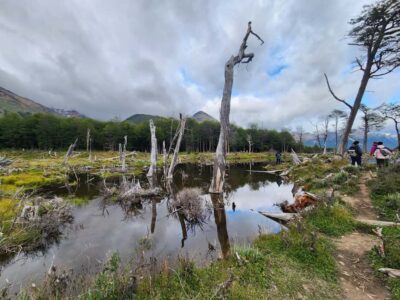
The biggest variable is the ground. When it’s wet, paths can be muddy and slippery, especially in forested or shaded sections. Several guides and reviews specifically call out wearing hiking boots or shoes with grip. Rain gear is also part of the plan: the tour provides rain ponchos/rain coats, and the experience runs rain or shine, so plan on being slightly damp at some point.
A good sign: the guides have shown flexibility. Mao has asked if you want easier or steeper paths, and other guides like Soso and Giang have led groups at a comfortable pace while still hitting the key village and terrace moments. If you’re not sure about your stamina, go slower than your ego. This is the kind of day where pacing yourself makes the experience better, not worse.
And one more “real life” detail: local women may join you along the way and offer crafts. That can be part of the village interaction, but it can also be annoying if you want uninterrupted quiet. If you don’t want to buy, a simple polite stop usually helps. If you do want something, think of it as paying for the story, not just the scarf.
Value at $24: What You Get and What You Might Pay Extra For
At about $24 per person for a 7-hour guided trek, this is strong value—mostly because you’re buying three things at once: a local guide, a route through multiple villages, and included food.
Here’s the practical breakdown:
- Pickup and drop-off at your Sapa town hotel or a pickup point
- A friendly local Hmong guide (English and Vietnamese)
- Village entrance fees are included
- Lunch with a local family is included
- Rain gear and a small bottle of water are included
- Limited group size (up to 10)
What you might pay extra for depends on the version of the day. The tour notes that Fansipan national park entrance fees apply for Fansipan trekking only, and there’s also mention of a picnic lunch at a rest stop on Fansipan for Fansipan trekking only. So if your day includes actual Fansipan climbing, budget for that difference. If your day stays focused on the Muong Hoa valley trek and village loop, the included lunch should be the main food cost you’ll avoid.
Given how many guides earned top marks for pacing, friendliness, and English ability, the value mostly comes from the people running the day. When you get a guide like Pao (warm, attentive, photo stops) or Thao (clear explanations and thoughtful conversation), the trek feels smoother and more meaningful.
Should You Book This 1-Day Sapa Long Trek?
Book it if you want a full, active day that mixes rice terrace walking, village visits, and real meals, without needing to plan logistics yourself. It’s a good fit if you can handle uneven, sometimes muddy paths and you’re genuinely curious about Hmong and Giay village culture—especially the hands-on incense making and the clothing/dye craft stop.
Skip it if you have back problems, heart problems, mobility limitations, or issues that make steep terrain and uneven footing risky. It also isn’t a great match if you’re afraid of heights or have visual impairments, since the route includes climbs and ridge/valley transitions.
If you do book: wear hiking shoes, bring insect repellent, and keep a rain layer in your daypack even if the morning looks clear. Then go slow. When you do, this trek stops feeling like work and starts feeling like Sapa’s real rhythm.
FAQ
What time does the trek start?
The experience starts at 9:00 AM in Sapa town.
How long is the trek?
The duration is listed as 7 hours.
Is pickup and drop-off included?
Pickup and drop-off in Sapa town are included at your hotel (or at the pickup point). If you’re outside Sapa town, pickup may be available with a fee.
Is lunch included?
Yes. Lunch is included and is prepared by local families (either family-style or as a picnic, depending on the route). Dietary restrictions can be catered if you tell the operator in advance.
Do I need to pay entrance fees?
Village entrance fees are included. Entrance fees for Fansipan national park are included for Fansipan trekking only.
What languages do the guides speak?
The live guide speaks English and Vietnamese.
What should I bring for the trek?
Bring sun hat, hat, hiking shoes, insect repellent, and toiletries. You should also come prepared for rain conditions and wear comfortable hiking clothes.
Is the tour affected by bad weather?
The tour runs rain or shine, and rain ponchos/rain coats are provided. It’s still smart to plan for wet, slippery trails in rainy weather.