REVIEW · KATHMANDU
Everest Base Camp Trek
Book on Viator →Operated by Shankar Pandey · Bookable on Viator
Your lungs will earn every view. This is a classic Everest Base Camp trek built around the Lukla flight and big, memorable days like Namche acclimatization and the Kalapatthar payoff. You’ll move through the Khumbu—Phakding, the Dudh Kosi valley, Namche Bazar, then up toward Syangboche and eventually Everest Base Camp.
What I love most is the way the itinerary protects your body early, with that acclimatization day in Namche (not just rushing uphill). I also like the human part: you’re trekking through Sherpa communities, staying in teahouses, and getting real local culture along the way—not just walking and posing. One thing to think about: this trek is highly weather-dependent, and the flight into Lukla (and back out) can be the make-or-break moment.
In This Review
- Key highlights worth getting excited about
- Lukla Flights, Altitude Starts, and the Real Meaning of Day One
- Why this “fly then walk” format is good for you
- Phakding to Namche: Your Acclimatization Plan in Plain English
- What to expect on the trail around Namche
- Syangboche and the Airstrip Stop: When Breathing Gets Honest
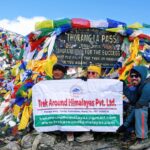
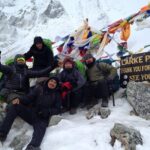
- Kalapatthar and Everest Base Camp: The Payoff Day (With Weather Reality)
- What you should keep expectations realistic
- Sherpa Culture and Teahouses: The Part People Don’t Plan for
- Food basics you can rely on
- Price and Value: Is $1,350 Fair for Everest Base Camp?
- The value equation that matters most
- Gear That Keeps You Warm (and How Not to Overpack)
- Optional acclimatization note you should ask about
- Flights, Disruptions, and Why the Team’s Responsiveness Matters
- Who This Everest Base Camp Trek Is Best For
- Should You Book This Everest Base Camp Trek?
- FAQ
- How long is the Everest Base Camp trek?
- Where does the trek start?
- Does the price include meals?
- What parts of the trip are not included in the price?
- Is trekking gear provided?
- What’s the flight component like?
- What is the maximum weight a porter will carry?
- What fitness level do I need?
- What is the cancellation policy if weather changes?
Key highlights worth getting excited about
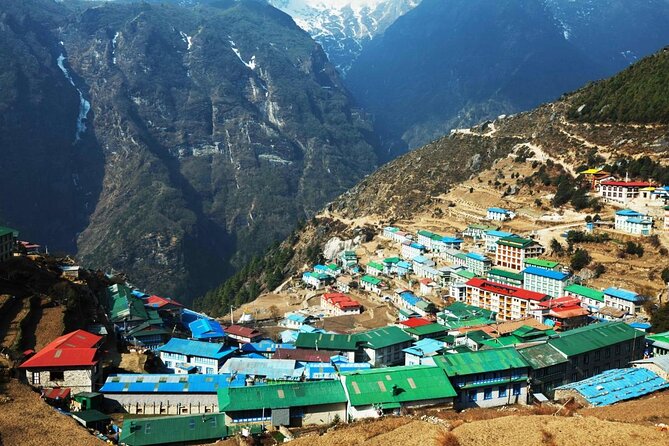
- Scenic Lukla flights that set the whole Everest mood from day one
- Namche acclimatization time so you don’t just grind uphill from scratch
- Kalapatthar viewpoint day for Everest-scale views when skies cooperate
- Sherpa culture in daily routines (tea houses, guidance, local hospitality)
- Experienced guide team support with named guides like Shankar Pandey and Krishna
Lukla Flights, Altitude Starts, and the Real Meaning of Day One
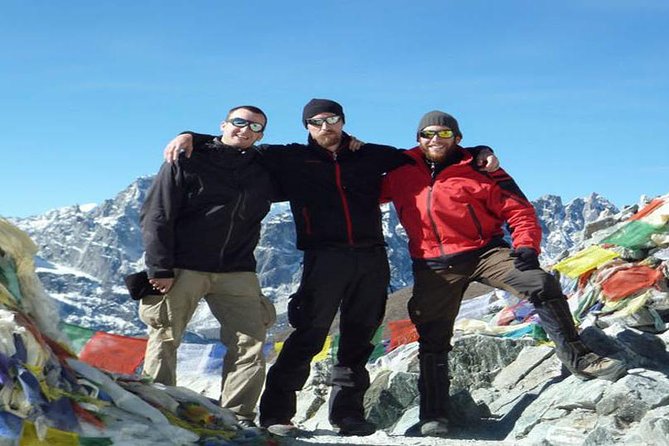
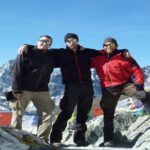
Most people picture Everest as a summit story. This trip starts earlier, with your flight from Kathmandu to Lukla—an actual mountain airstrip experience that feels both thrilling and a little intimidating in the best way. Once you land, you immediately transition from city energy to trail life.
From Lukla, the trek gets underway with around three hours of walking to reach Phakding. This is a smart first stretch because you’re not thrown into deep altitude immediately. It’s a gentler on-ramp where you can feel the pace of the region and start adjusting your breathing.
Then you keep moving north into the Dudh Kosi valley and connect to Namche Bazar. This is where the trekking becomes more than a scenic stroll. Your body starts noticing the altitude, even before the dramatic peaks show up in full force.
You can also read our reviews of more tours and experiences in Kathmandu.
Why this “fly then walk” format is good for you
You’re saving time and gaining access to the Khumbu core quickly. More importantly, you’re also building a realistic rhythm: arrive, walk, settle, then acclimatize. For many trekkers, that’s the difference between feeling okay on day two versus feeling wrecked.
Phakding to Namche: Your Acclimatization Plan in Plain English
Namche Bazar is the main hub for the Everest region. It’s a place to regroup, eat well, and let your body adjust. And in this itinerary, you’re not just passing through—you spend one day for acclimatization.
That acclimatization day matters because Everest is a long game. Even if you feel fine, your body is still adapting to lower oxygen. A scheduled rest day gives you a chance to do light movement, watch how you respond, and get your gear and routine locked in.
You’ll also be moving through a route that’s famous for classic views and steady progression. You start with valleys and villages, then gradually step into higher terrain. The goal isn’t to “win” by day count—it’s to give yourself enough time to function up high.
What to expect on the trail around Namche
- You’ll feel slower, not because you’re unfit, but because altitude changes everything.
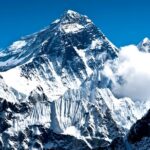
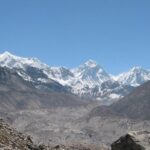
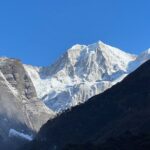
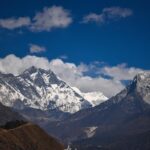
- You’ll likely see more peaks as the air clears, with Everest and neighboring giants becoming more obvious.
- You’ll want to manage your effort: steady beats heroic.
One small practical note: this tour lists tea and coffee during the trek as not included. So bring a little cash buffer if you love warm drinks and want them often. It can add up.
Syangboche and the Airstrip Stop: When Breathing Gets Honest
After Namche, the route moves upward toward Syangboche. This area is known for its airport zone, and it’s one of those “you’re definitely in altitude now” moments. You’ll feel it in your legs and your breathing.
This isn’t a sightseeing-only stretch. It’s part of your climb plan. Think of Syangboche as a checkpoint: you’re gaining elevation, but you’re also shaping your acclimatization timeline for later, especially the big viewpoint day.
If you’re the type who likes to understand what’s happening, pay attention to how your body reacts as you go higher. Some days you’ll feel stronger than expected. Other days you’ll feel the altitude quickly. Either way, the best approach is consistent pacing and listening to your guide.
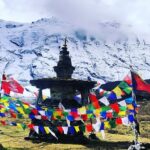
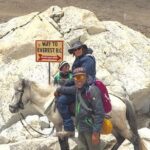
Kalapatthar and Everest Base Camp: The Payoff Day (With Weather Reality)
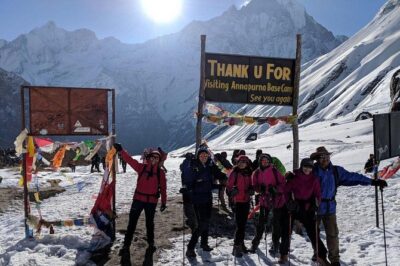
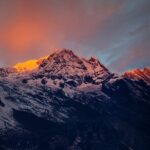
The final stretch is built around Kalapatthar and Everest Base Camp. Kalapatthar is famous for a reason: it’s where your brain finally catches up to what you’ve been trekking toward. Even when you’re tired, it’s the kind of moment that makes you stop, stare, and forget about your sore feet for a minute.
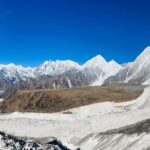
From there, you continue toward Everest Base Camp itself. Your experience here comes from more than one view. You’ll get a sense of scale: the ridgelines, the glacier patterns, and the layered peaks that make Everest region geography feel almost unreal.
What you should keep expectations realistic
This trek requires good weather. You’ll want clear skies for the strongest views. If conditions are poor, the itinerary can shift, and the biggest flight piece matters a lot too.
So here’s the mindset I recommend: treat Kalapatthar and Base Camp as your goal, but don’t treat the weather as something you can control. Instead, let your guide lead the plan for the conditions you get.
Sherpa Culture and Teahouses: The Part People Don’t Plan for
Everest Base Camp isn’t just mountains—it’s daily life at altitude. You’ll see it in the rhythm of tea houses, how meals are served, and how people move through the region as if they’ve done it forever. That’s where Sherpa culture shows up most clearly: not as a performance, but as an everyday way of living and welcoming.
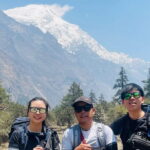
Your itinerary is also guided, and that matters here. Several guide names appear in past group experiences, including Krishna and Shajan as guide-team members, plus Ngathe Sherpa and Gelu Sherpa in other departures. When you’re above 5,000 meters, having people who know the route and how to read the day is a genuine advantage.
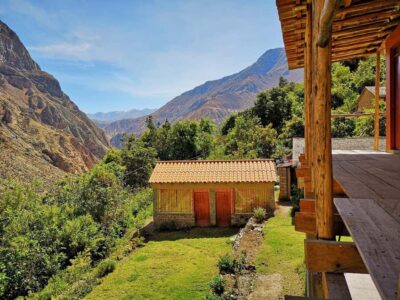
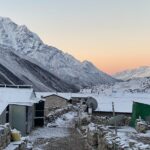
Also, accommodation in this region often means teahouses rather than big hotels. The good news: your team arrangement includes meals, and in past departures, trekkers have noted warm, comfortable teahouse stays. Translation: you can focus on trekking without trying to guess every detail yourself.
Food basics you can rely on
This trip includes:
- Breakfast, lunch, dinner during the trek
It does not include:
- Lunch and dinner in Kathmandu
- Tea and coffee during the trek
So you’ll eat well on the mountain, then handle Kathmandu meals on your own.
Price and Value: Is $1,350 Fair for Everest Base Camp?
At $1,350 per person, this trek sits in the “serious but not reckless” category for Everest region trips. You’re paying for more than footsteps. You’re paying for an organized plan that handles route flow, meals during trekking days, and a real support system.
Here’s what you get that protects your wallet:
- Meals during the trek (breakfast, lunch, dinner)
- A provided clothing and equipment list during booking so you don’t guess
- Trekking gear support: down jackets and down sleeping bags are provided
- A maximum porter load target of 15kgs / 33 pounds, with an explicit porter-rights approach
And here’s what’s not in the price:
- Trekking equipment for you personally
- Travel and rescue insurance (not included, and honestly you should treat this as a requirement)
- Tips for driver, guides, and porters
- Personal expenses like phone calls, laundry, hot showers, battery charging, and bar bills
- Tea/coffee during the trek
The value equation that matters most
If you’re the kind of traveler who wants less uncertainty—someone organizing meals and the trekking logistics while you concentrate on pacing—this price starts to look sensible. If you already have nearly all gear, hate paying guides and tips, and prefer self-guided trekking, you might consider that the support component is where a lot of your money goes.
Gear That Keeps You Warm (and How Not to Overpack)
This operator stresses safe, enjoyable trekking and provides a detailed clothing and equipment list as part of the booking process. That’s useful because Everest trekking gear needs are real. If you show up underprepared, the mountains will remind you.
A few specifics from the kit guidance:
- Footwear: walking boots and wool liner socks
- Layers: waterproof jacket and trousers, plus fleece and thermals
- Cold protection: a mid to heavyweight fleece, and a down jacket plus down sleeping bag support is provided
- Essentials: head torch and extra batteries, sunglasses, sunscreen and lip salve
- Water safety: water purification tablets are listed
They also spell out how baggage works:
- Your main gear goes in a duffel or large backpack, carried by a porter
- Max porter weight: 15kgs / 33 pounds
- You should bring a small padlock for that bag
- Each day you carry a smaller daypack with water, warm layer, camera, and personal first aid items
Optional acclimatization note you should ask about
The equipment list mentions Diamox (optional) for acclimatization. Since altitude medication is personal and medical, treat that as a prompt to consult your doctor before travel—not a casual take-it-and-go recommendation.
Flights, Disruptions, and Why the Team’s Responsiveness Matters
One detail I really like: this operator’s team has handled disruptions in the real world. In past group situations, flight issues led to travel changes, including rerouting with a drive to Ramechhap when Lukla flights were cancelled. Housing and coordination were adjusted accordingly.
That’s not something you want to gamble on. The Everest region can be unpredictable, and your best-case scenario is that your organizer has a plan for when the schedule breaks.
It also helps that this is a private tour. Your group is the only group participating, which reduces the chance of your pace getting crushed by someone else’s itinerary.
Who This Everest Base Camp Trek Is Best For
You need moderate physical fitness. This is not described as a beginner stroll, and altitude adds difficulty fast. If you can hike for multiple hours on uneven terrain, and you’re comfortable moving at a slower pace while you acclimatize, you’ll likely do well.
It’s a strong fit if:
- You want experienced guidance and route knowledge
- You prefer to travel with support rather than plan every meal and timing yourself
- You appreciate Sherpa culture and teahouse life as part of the journey
If you’re dealing with medical constraints, or if you’re not sure your altitude tolerance is ready, you should talk to your doctor before choosing this trek. Altitude doesn’t care about motivation.
Should You Book This Everest Base Camp Trek?
I’d book this Everest Base Camp trek if you want a well-structured plan with a real guide team, provided down gear, and meals handled during the trekking days. The combination of the Lukla flight, the Namche acclimatization day, and the built-in focus on Kalapatthar and Base Camp makes it a classic “do it right” version of EBC.
I’d pause if your schedule is ultra-tight or you’re not comfortable with the weather dependency that affects Lukla flights and peak visibility. Also, if you don’t want to budget for insurance and tips, this trip will feel more expensive once you add what’s not included.
If your priority is authentic trekking—plus dependable organization—this is a solid choice.
FAQ
How long is the Everest Base Camp trek?
The tour runs about 14 days approximately, with trekking time described as around 15 days.
Where does the trek start?
The trek is based in Kathmandu, Nepal, and includes pickup offered. You then fly from Kathmandu to Lukla and start trekking from there.
Does the price include meals?
Yes. Breakfast, lunch, and dinner are included during the trek. Lunch and dinner in Kathmandu are not included.
What parts of the trip are not included in the price?
Not included are extending trips, lunch and dinner in Kathmandu, personal trekking equipment, personal expenses (like phone calls, laundry, hot shower, battery recharge, bar bills, and extra porters), travel and rescue insurance, tea and coffee during the trek, and tips for driver, guides, and porters.
Is trekking gear provided?
Adventure Magic Treks provides down jackets and down sleeping bags. You’ll still need to bring other personal items based on the equipment list provided during booking.
What’s the flight component like?
The itinerary includes a scenic flight to and from Lukla, plus trekking after landing. The experience requires good weather.
What is the maximum weight a porter will carry?
The maximum weight allowance is 15kgs (33 pounds) for the porter-carry portion.
What fitness level do I need?
You should have a moderate physical fitness level.
What is the cancellation policy if weather changes?
You can cancel up to 24 hours in advance for a full refund. If it’s canceled due to poor weather, you’ll be offered a different date or a full refund.