REVIEW · KATHMANDU
Mardi Himal Trek
Book on Viator →Operated by Mission Himalaya Trekking · Bookable on Viator
Mardi Himal gets serious rewards for modest experience. This 11-day Nepal trek targets Mardi Himal Base Camp with big Annapurna views, clean lodge nights, and a route that’s often manageable even if you’re new to hiking. The pacing also gives you altitude breathing room, plus your trip starts smoothly from Kathmandu and Pokhara with flights and transfers already handled.
What I like most is the clear route structure—Deurali, Forest Camp, Low Camp, then the big push to base camp—and the fact you’re not left to guess logistics. I also like that you get a licensed guide and a strong porter team, and that permits are included (ACAP and TIMS), so you spend less time worrying and more time walking.
One consideration: you’ll still be above 3000m for a chunk of the trek, and the final base-camp section can be tough on tired knees and breathing, even if the overall route is beginner-friendly.
In This Review
- Key highlights worth knowing before you go
- Mardi Himal in plain terms: why this trek fits beginners
- Route you’ll walk: from Phedi/Kande to Deurali, Forest, and Low Camps
- Acclimatization days above 3000m: how the schedule keeps you safer
- Mardi Base Camp push: the 4500m day that hits hardest
- Rhododendron, pine, and small-town calm on the descent
- Lwong tea gardens at sunrise and Pokhara’s easy finish
- Kathmandu: a cultural landing after the mountains
- Price and logistics: what you’re really paying for at $1,058
- Gear, cold, and lodge life: staying comfortable without overpacking
- Guides and porters: the difference between a hard trek and a good trek
- Who should book this Mardi Himal Trek?
- Should you book this Mardi Himal Trek?
- FAQ
- How long is the Mardi Himal Trek?
- What is the price per person?
- Where does the tour start and end?
- Are domestic flights included?
- What permits are included for the trek?
- What meals are included during the trek?
- Are trekking gear items included?
- Where do you stay on the trek?
- What is not included in the price?
- Is Kathmandu and Pokhara accommodation included?
Key highlights worth knowing before you go
- Built-in altitude pacing with shorter trekking days above 3000m to help reduce altitude-sickness risk
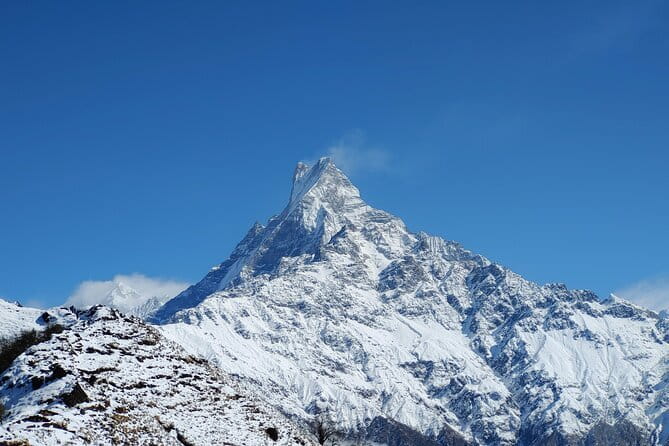
- Mardi Himal Base Camp at about 4500m is the emotional “finish line” people talk about most
- A real mix of scenery: rhododendron and pine, woodland stretches, and mountain viewpoints over the Annapurna area
- Comfort value in the package: lodge stays plus Kathmandu and Pokhara hotel breakfasts
- Gear support on request: down jacket, sleeping bag, and duffel bag are included to help you travel lighter
Mardi Himal in plain terms: why this trek fits beginners
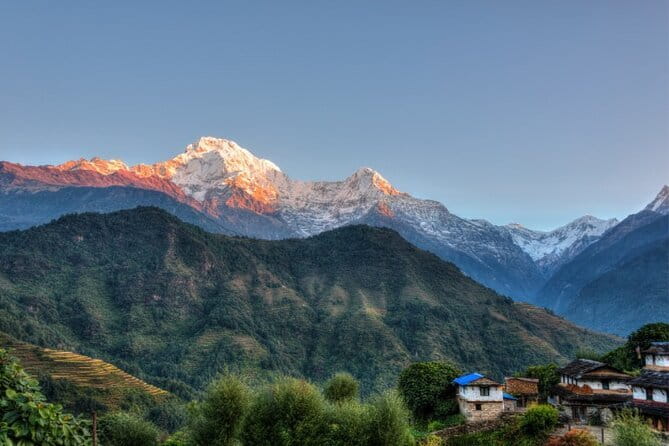
The Mardi Himal Trek is in Nepal’s western region, and it’s popular for a reason: it feels doable compared to bigger, longer treks in the Annapurna area. You still work for the views, but the trail is often described as suitable for beginners, especially when you follow the planned pacing.
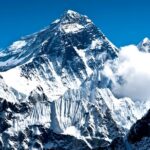
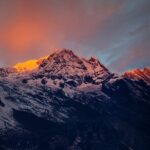
The star of the show is reaching Mardi Base Camp. From the higher camps and viewpoints, you’re looking toward the Annapurna Massif and also seeing Machhapuchhre (the Fish Tail) alongside Mardi Himal. Expect days where the scenery keeps changing, not just one long grind to a single payoff.
You can also read our reviews of more tours and experiences in Kathmandu.
Route you’ll walk: from Phedi/Kande to Deurali, Forest, and Low Camps
Your trek portion starts after you fly from Kathmandu to Pokhara and drive toward the trailhead area near Kande. From there, you ease into the walking with routes that begin relatively easy, which helps you settle in before altitude starts to feel real.
Day 3 takes you from Deurali toward Forest Camp. It’s around a 6-hour trek, and it’s the start of the “real mountain” rhythm: steady uphill effort, then lodge breaks where you can get your body used to the thin-air routine.
Day 4 continues in the mixed woodland zone. Since you’re above 3000m here, the distance may be shorter, and your day includes a lunch stop at Low Camp. This is one of the best parts for beginners because it keeps the hiking effort manageable while you gradually acclimate.
Day 5 is specifically built for altitude adjustment. The plan includes shorter trekking time so you can move without rushing your acclimatization. Hydration is strongly encouraged, because at these elevations, water habits matter as much as fitness.
Acclimatization days above 3000m: how the schedule keeps you safer
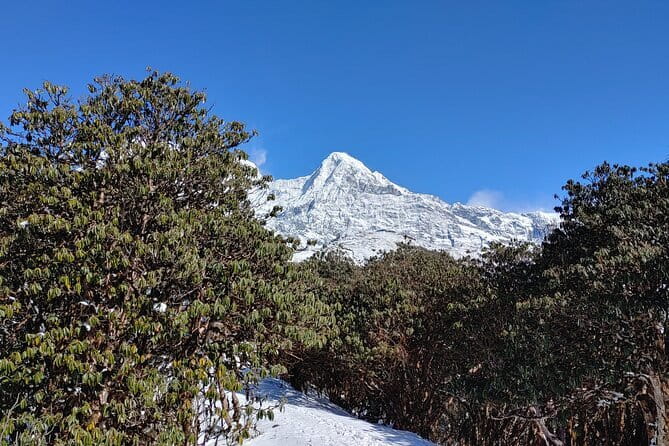
If you’ve never hiked at altitude, you’ll feel the difference fast—head movement, breath rate, and even how your legs “decide” to cooperate. This trek acknowledges that reality by using a couple of shorter days when you’re already high.
On the schedule, those short days show up once you’re over 3000m and again as you work toward higher camps. The point isn’t to make you comfortable; it’s to help you stay functional. And functional at altitude is the difference between enjoying the trek and spending the day bargaining with your lungs.
You also have normal lodge options during the day. That means you can focus on pacing instead of improvising food stops.
Mardi Base Camp push: the 4500m day that hits hardest
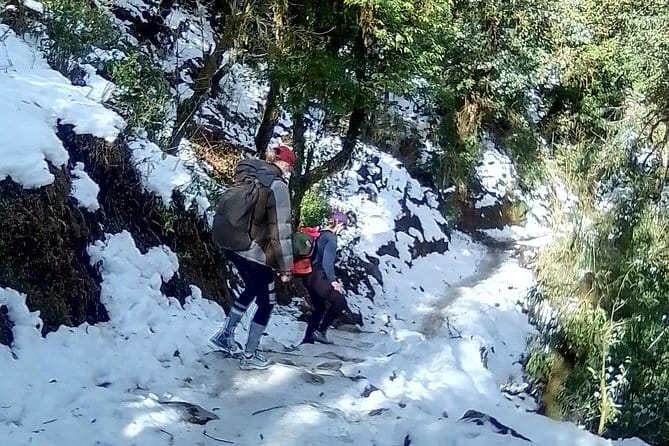
Day 6 is the big one: the trek toward Mardi Himal Base Camp. This is where you trade the “setup” days for the “reward” day, and it usually takes about 7 hours of walking depending on conditions and your pace.
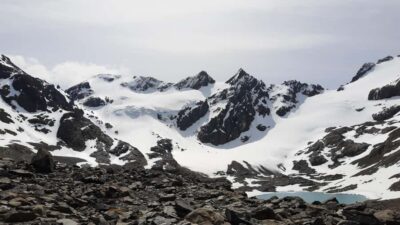
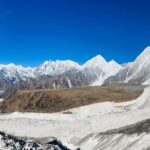
The route includes a viewpoint with panoramic vistas before you go higher. Then, you’re working toward the base camp area around 4500m. This is the segment that hikers often describe as emotionally intense—the kind where you may feel tears, relief, and a very practical thought like: I actually did it.
One practical note from the experience: even with cold-weather gear available (more on that below), plan for real chill up high. People specifically emphasized bringing enough warm clothing for mountain cold, because temperatures can be unforgiving once you gain elevation.
Rhododendron, pine, and small-town calm on the descent
After base camp, the trek turns from “climb mode” to “return mode,” and that’s a different challenge. Your body may feel the difference immediately: less altitude stress, but more downhill strain on knees and ankles.
Day 7 heads toward Sidhing. The walking begins at higher elevation before descending, and the trail passes through areas with rhododendron and pine. In spring, this route can be especially colorful, and even outside peak bloom, you’ll get that woodland feel people come for in this region.
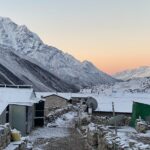
Day 8 is often treated as a highlight. It’s a mostly flat walk along scenic terrain, and it includes a village area—Lwong/Lwangghale area—where you’ll see old ancestral-style houses and slow village life. These are the hours where the trek feels more like moving through Nepal than simply moving through altitude.
Lwong tea gardens at sunrise and Pokhara’s easy finish
After the trek days, Pokhara is a gift. Day 9 includes a morning walk through tea gardens around Lwong with sunrise views, then a return to the guesthouse to reset.
This is where you’re grateful for having a plan. The trek ends, but your body still needs recovery time, and Pokhara makes that easier than jumping straight into a long travel day.
Day 10 is built for sightseeing. You get breakfast at a lakeside spot, then guided time for attractions such as Davis Waterfall and Gupteswor Mahadev Cave. The exact vibe depends on season and weather, but Pokhara is generally the place where you can stop thinking about boots and start thinking about photos, viewpoints, and local meals.
Kathmandu: a cultural landing after the mountains
Day 1 brings you into Kathmandu and drops you in Thamel. After that, your final day (Day 11) includes time back in Kathmandu with a town guide exploring popular destinations. The point is simple: you don’t just disappear back to the airport right after the trek.
If you want to make this trip feel complete, Kathmandu is where you balance mountain effort with culture. Thamel also makes it easy to buy any last-minute essentials you forgot (like extra warm layers) without turning it into a whole quest.
Price and logistics: what you’re really paying for at $1,058
At $1,058 per person for about 11 days, this trek isn’t cheap—but it’s also not just paying for scenery. A big share of the cost is tied to the parts that make a Himalayan trek easier to manage: flights, hotels, guide/porter staffing, permits, and trek lodging.
What’s included:
- Kathmandu and Pokhara 3-star hotel stays with breakfast
- Domestic flights Kathmandu–Pokhara–Kathmandu for you and the guide
- Private vehicle transfers for sightseeing and airport/city legs
- Trek permits: ACAP and TIMS
- Licensed guide plus porter support (with meals, accommodation, insurance)
- Trek lodge accommodations (twin sharing) and a set number of meals (breakfast 10, lunch 8, dinner 8)
- Down jacket, sleeping bag, and duffel bag on request (returned after the trek)
What’s not included:
- International airfare and Nepal visa fees
- Travel and rescue insurance
- Meals in Kathmandu and Pokhara except what’s listed
- Drinks, WiFi, hot shower, tipping, and personal expenses
From a value standpoint, the best part of the package is that it removes the biggest “risk” for first-time trekkers: planning and permits. When permits are included and your guide/porter are arranged, you spend less time coordinating details and more time focused on altitude and trail.
Gear, cold, and lodge life: staying comfortable without overpacking
For a trek like Mardi Himal, your comfort plan needs to start with warmth. This trip can provide a down jacket, sleeping bag, and duffel bag on request, and you return those items after the trek.
That said, mountain cold isn’t only about what you sleep in. You might spend mornings and evenings walking or waiting for breaks, and temperatures can drop fast as you gain elevation. One hiker advice that stuck: bring enough cold protection clothing, even if the package includes key gear.
On the trail, you’ll sleep in lodges with twin-sharing accommodations. Hot showers and WiFi aren’t part of the included deal, so expect simpler amenities. In return, you get steady meals and a place to rest, which matters more than luxury on high days.
Guides and porters: the difference between a hard trek and a good trek
This trek is guided with a government-licensed, ministry-trained trekking guide, plus a strong porter who travels with you and supports meals and accommodation needs. That staffing is more than convenience. It can help keep your pace sensible, your route adjustments reasonable, and your morale steady when weather shifts.
In the feedback I saw, Birendra came up more than once as a guide who leads smoothly and offers warm hospitality, including photo help during the trek. Another set of experiences credited guides named Bikas and Dawa for precision and care. Your actual guide depends on scheduling, but the consistent message is that competent guidance and caring porter support make the trek feel less intimidating.
Also, the itinerary is private to your group. That usually means fewer awkward moments than mixed tours and a simpler rhythm for pacing and meals.
Who should book this Mardi Himal Trek?
This is a strong fit if:
- You’re a beginner or intermediate hiker and want a trek that feels structured and not chaotic
- You want a serious destination (base camp) without a multi-month commitment
- You prefer guided logistics: transfers, permits, flights, hotels, and lodge stays already arranged
It’s less ideal if:
- You hate cold weather and can’t handle altitude conditions at all
- You’re expecting full comfort amenities like hot showers and WiFi on demand
- You want a purely self-guided trek experience with no support staff
Should you book this Mardi Himal Trek?
Yes—if you want a realistic, guided entry into the Annapurna region with a clear payoff at Mardi Himal Base Camp. The package value is strongest when you count the “invisible” things: permits (ACAP and TIMS), guide and porter support, domestic flights, and lodge plus hotel coverage.
My advice: take the acclimatization days seriously and don’t treat the schedule like a suggestion. And pack warmth like you mean it. If you do those two things, Mardi Himal gives you that rare mix of manageable effort and genuine mountain satisfaction—without turning your trip into a logistics headache.
FAQ
How long is the Mardi Himal Trek?
The trek is listed as 11 days approximately, including travel days between Kathmandu and Pokhara.
What is the price per person?
The price is $1,058.00 per person.
Where does the tour start and end?
It starts at Mission Himalaya Treks and Expeditions in Thamel, Kathmandu, and ends back at the same meeting point.
Are domestic flights included?
Yes. Kathmandu to Pokhara and Pokhara to Kathmandu domestic flight tickets are included, including for the guide.
What permits are included for the trek?
The package includes the required permits: ACAP and TIMS.
What meals are included during the trek?
Breakfast (10), lunch (8), and dinner (8) are included as listed.
Are trekking gear items included?
Yes, down jacket, sleeping bag, and duffel bag are available on request and are returned after the trek.
Where do you stay on the trek?
You stay in lodges on the trek with twin sharing, using the best available lodges per the package.
What is not included in the price?
International airfare, Nepal visa fees, travel and rescue insurance, and meals in Kathmandu and Pokhara except mentioned items are not included. Personal expenses, drinks, WiFi, hot shower, and tipping are also not included.
Is Kathmandu and Pokhara accommodation included?
Yes. Accommodation in Kathmandu and Pokhara at a 3-star category hotel including breakfast is included.