REVIEW · KATHMANDU
Manaslu Circuit Trek
Book on Viator →Operated by Nepal Trekking Experts Pvt. Ltd. · Bookable on Viator
One of Nepal’s best quieter treks starts here. The Manaslu Circuit Trek trades the loud crowds of the popular routes for a Himalayan journey with Hindu and Buddhist culture and serious mountain scenery, while keeping logistics sane. You’ll trek with a local guide so you’re not playing guessing games at altitude or with permits.
I like two things a lot. First, the trip handles the big admin pieces—trekking permits and conservation-area paperwork are arranged for you—so you can focus on walking. Second, the on-the-ground support feels built for real trekking: a government registered, English-speaking local guide, plus accommodation and meals during the mountain days.
One consideration: this is not a casual hike. You need a strong physical fitness level, and the altitude challenge is real enough that even motivated walkers should plan carefully.
In This Review
- Key highlights that matter
- Manaslu Circuit: why this trek feels calmer than the more famous routes
- 17 days on the trail: what the pace and duration really asks from you
- Getting there smoothly: Kathmandu logistics, transport, and permits
- Your guide makes the difference: how Nepal Trekking Experts delivers in real life
- Lodges, meals, and the daily rhythm you can count on
- Following the route safely: how “not getting lost” works with a local guide
- What your “day-to-day” can look like across the 17 days
- Price and value: what $1,190 buys you (and what costs extra)
- Packing and expectations: gear you bring, comforts you don’t
- Who should book this trek (and who should think twice)
- Should you book the Manaslu Circuit Trek with Nepal Trekking Experts?
- FAQ
- How long is the Manaslu Circuit Trek?
- What is the price per person?
- Are airport transfers included?
- Does the trek include permits?
- Will meals be included while trekking?
- Is the trek suitable for people with average fitness?
- How large is the group?
- What trekking comfort items are not included?
- What additional costs should I expect?
- What is the cancellation policy?
Key highlights that matter
- Permits handled: Manaslu Special, Manaslu Conservation Area, and Annapurna Conservation Area permits are arranged
- Meals and lodge stays included: accommodation and meals are covered as per the trek days in the itinerary
- Professional local guidance: government registered, English-speaking local guide to help you trek safely and confidently
- Small group size: maximum of 10 people, which helps keep the pace and logistics smoother
- Transport plus pickup/drop-off: airport pick up and drop, plus hotel pickup/drop-off and public transport both ways
Manaslu Circuit: why this trek feels calmer than the more famous routes
The Manaslu Circuit Trek sits in that sweet spot for hiking people who want mountains without the constant shuffle of large crowds. Manaslu isn’t as widely done as some other Nepal routes, which usually means your day-to-day trekking feels more peaceful and human-scale.
You also get a blend of culture and nature that makes the days more than just mileage. The trek runs through areas where Hindu and Buddhist influences overlap in everyday life. You’ll see how religion shows up in practice, not just as a postcard.
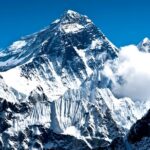
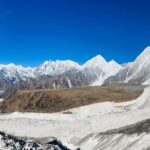
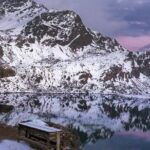
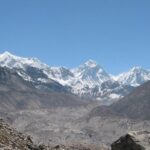
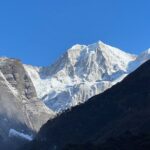
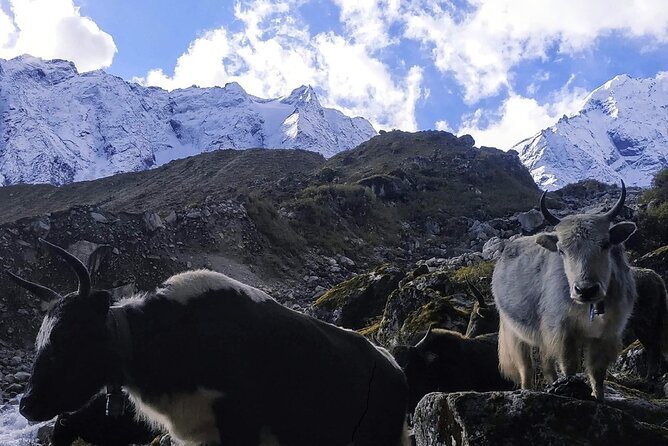
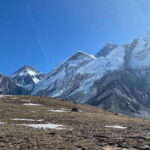
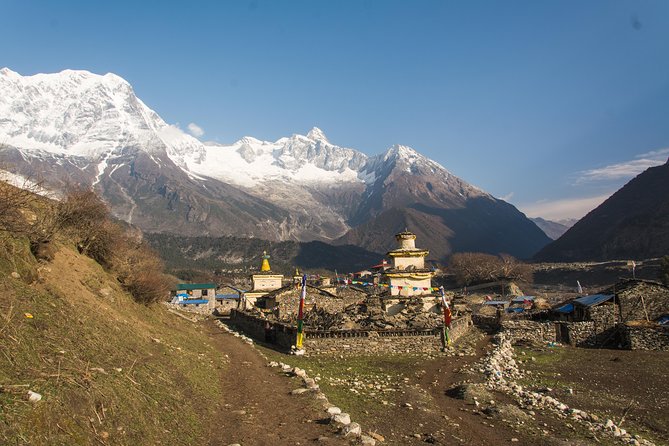
And yes, you’ll spend plenty of time looking at some of the tallest mountains in the world. The point is not only the view. It’s how the scenery changes as you move—from lower villages and prayerful daily rhythms to higher, colder air where you feel the mountain in your lungs.
You can also read our reviews of more tours and experiences in Kathmandu.
17 days on the trail: what the pace and duration really asks from you
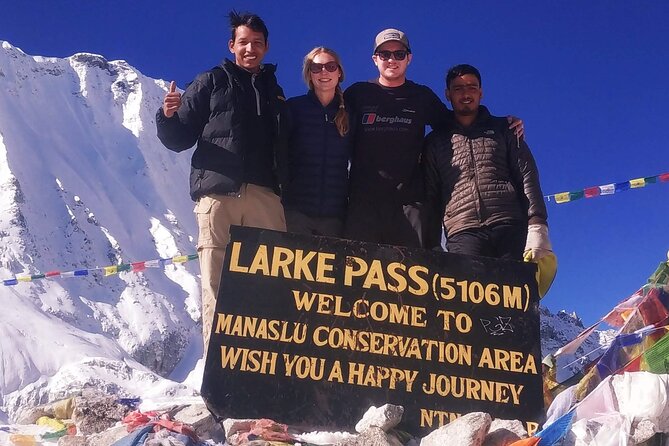
A 17-day trek is long enough to test consistency. This is not a one-week “try it and see” plan. You should expect multiple days of walking where your body learns the routine. Even if the route is well managed, the altitude profile and steepness still matter.
The operator frames it as best for fit, active travelers, with an age range of 10 to 70. That doesn’t mean it’s easy for everyone. It means the trek can work for a wide range of ages if you’re physically ready and you follow pacing advice from your guide.
Here’s the practical way to think about it: you don’t just need fitness to start. You need fitness to keep your form day after day—especially after altitude has you tired in ways that sleep alone won’t fix. If you’ve done steep hikes before, you’ll recognize the pattern. If you haven’t, you’ll want to train for endurance and frequent uphill walking.
Getting there smoothly: Kathmandu logistics, transport, and permits
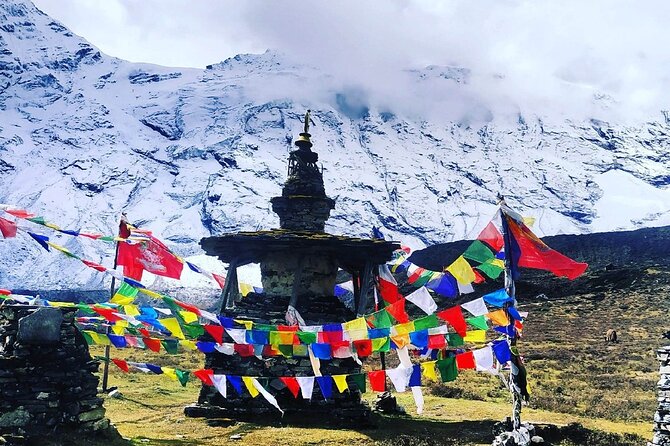
Trekking in Nepal can be chaotic if you handle everything yourself. This plan keeps the big moving parts covered.
You get airport pick up and drop, plus hotel pickup and drop-off. It also includes both ways by public transport, and you’ll receive a mobile ticket. In plain terms: you’re less likely to get stuck trying to figure out who’s meeting you where, which matters in a city where traffic and schedules can be unpredictable.
Then there are the permits—often the part that turns “it’ll be fine” into “where do I even start?” Here, the trek includes:
- Manaslu Special Permit
- Manaslu Conservation Area Permit
- Annapurna Conservation Area Permit
These are arranged for you. That’s valuable because permits aren’t just paperwork. They also connect you to what areas you can trek and how your trip is managed.
Also worth noting: the tour includes trekking permits and conservation-area permits, but it does not include temple or monastery entrance fees. So when you see religious sites you want to visit, you should plan for small extra costs.
Your guide makes the difference: how Nepal Trekking Experts delivers in real life
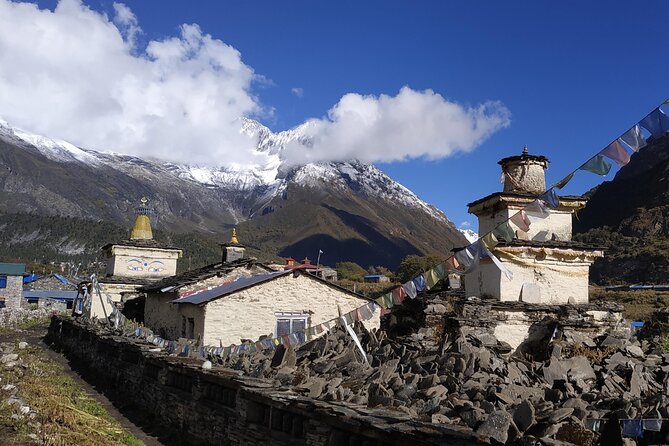
Good trekking guidance is more than pointing a direction. It’s how smoothly your days run, how quickly problems get solved, and whether you feel comfortable asking questions.
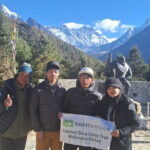
From the experience you shared, names like Rajesh and Dinesh come up for early responsiveness and organization. You also see guide support highlighted with Binod as part of the team. The common thread is clear: communication before you arrive and attention once you’re in Nepal.
Why that matters for you:
- Before the trek, you want quick answers and clear logistics so you can pack correctly and not waste time.
- During the trek, you want someone who understands altitude safety and route management well enough to prevent small issues from becoming big ones.
Your group has a maximum of 10 people. That small size changes the vibe. It makes it easier for the guide to keep track of everyone’s pace and energy, and it reduces the “lost in a crowd” feeling.
Lodges, meals, and the daily rhythm you can count on
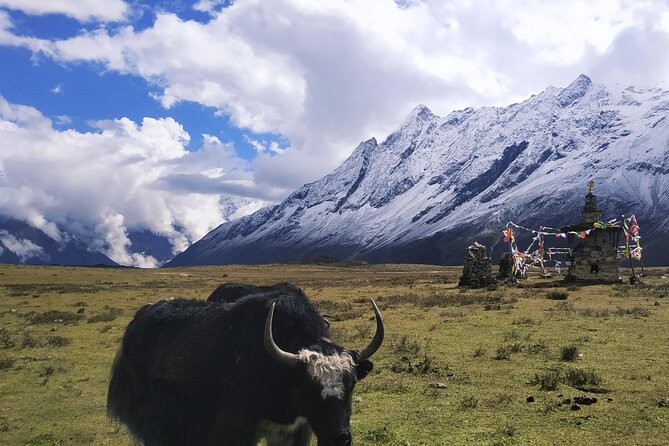
This trek includes accommodation and meals during the mountain days, with meal abbreviations listed as B for breakfast, L for lunch, and D for dinner. That inclusion does two helpful things:
- It removes budget stress day to day.
- It lets you eat on schedule, which is huge when your energy needs are higher.
You’ll want to accept one reality upfront: what’s included is food and lodging, not the modern comforts you might expect at home. Hot shower, WiFi, and battery charging during the trek are not included. You might be able to find services at some stops, but you shouldn’t count on it.
What is available to purchase includes food and drinks unless specified, plus alcohol, mineral water, soda (like cola or Fanta), chocolate bars, and souvenirs photos. That’s normal for trekking areas, but it can quietly balloon your budget if you don’t keep an eye on it.
Practical tip: plan to treat water like a serious item. Even when bottled water exists to buy, it’s smart to budget for it separately since mineral water is listed as available for purchase, not included.
Following the route safely: how “not getting lost” works with a local guide
A lot of trekkers underestimate how much safety is about process. The tour emphasizes trekking safely and without the fear of getting lost by using a local guide. That’s not just reassuring—it’s practical.
When you’re at altitude, fatigue affects decision-making. Weather changes faster than you expect. Trails can fork. In these conditions, a local guide with route knowledge is a safety layer that also makes the trek more enjoyable. You can spend your energy on walking, acclimatizing, and enjoying the view rather than doing map math.
The tour is also designed for a wide age range (10 to 70) and allows service animals. That tells you the operator expects people to come with different needs, so having a structured plan and professional guidance is part of the “why this works” story.
What your “day-to-day” can look like across the 17 days
Because the exact day-by-day village list isn’t provided here, I’ll describe the trek in phases—how it typically feels and what to expect.
Phase 1: Arrival and setup in Kathmandu
You’ll start in Kathmandu with airport pick up and hotel transfer. This is the buffer time where you can get gear sorted, ask questions, and confirm your trekking readiness. If you like calm starts, this helps.
Phase 2: Early walking days in the Manaslu region
The first trek days usually focus on settling into rhythm: steady uphill, regular meal breaks, and acclimatizing gradually. You’re building endurance and learning how your pace should feel.
Phase 3: Middle trek, culture and longer mountain days
This is where the trek’s cultural side becomes more visible. You’ll see the blend of Hindu and Buddhist influences in daily life and religious practice. These days can feel more immersive in the day-to-day routines, not just the big moments.
Phase 4: Higher elevation stretch
As you gain altitude, the big lesson is to go slower than your energy wants. Your guide’s job is to keep you safe and moving at a pace that supports acclimatization. This is also when you’ll feel why a strong fitness level matters: not because you need speed, but because you need control.
Phase 5: Return trek and winding down
On the way back, you’ll feel both the relief of descending terrain and the tiredness that comes from finishing strong. Meals and accommodation are included on the mountain days, so you have predictable recovery.
Final days: Back to Kathmandu
Hotel transfers and transport back are included, so you can end the trip without scrambling to arrange rides. The trek wraps up with airport drop-off covered as well.
Price and value: what $1,190 buys you (and what costs extra)
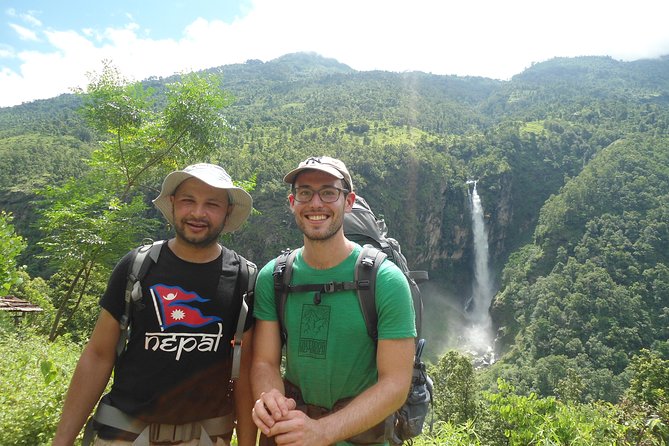
At $1,190.00 per person for about 17 days, the key question is value versus what you still need to pay yourself.
What’s included:
- Accommodation and meals while trekking (as per itinerary)
- All airport pick up/drop
- Hotel pickup and drop-off
- Public transport both ways
- Professional English-speaking local guide
- Manaslu and conservation-area permits arranged for you
- Breakfast/lunch/dinner during mountain days
What’s not included:
- Temple/monastery entrance fees
- Food and drinks unless specified
- Gratuities for staff
- Souvenir photos
- Alcohol and extra drinks
- Hot shower, WiFi, battery charge
- Trekking gear, personal shopping
- Personal insurance
- Nepal visa fees
So you’re paying for the backbone of a trek: guidance, permits, and day-to-day essentials. What you add is mostly personal comfort, personal costs, and travel risk coverage.
If you already own good trekking gear and you budget your meals and water, this can be a very straightforward trip to finance. If you plan to buy lots of snacks and drinks along the way, that extra spending can creep up fast.
Packing and expectations: gear you bring, comforts you don’t
Trekking gear is not included, so you’ll want to show up with the basics that make cold nights and long walking days survivable. The operator also lists that hot shower, WiFi, and battery charging aren’t included. Translation: keep your expectations simple.
Here are the practical things to plan for based on what’s excluded:
- Plan for limited connectivity.
- Plan for limited charging access.
- Plan for cold or variable lodge conditions.
- Bring personal items and any meds you might need because personal insurance is not included.
Also remember that temple and monastery entrance fees can show up. They’re usually not huge, but they are real.
Who should book this trek (and who should think twice)
This trek fits best if you’re:
- Physically ready for a multi-day trek with altitude concerns
- Comfortable trekking with a schedule and group structure
- Interested in a less crowded route with culture and mountain viewpoints
- Happy to trade convenience comforts (WiFi, hot showers) for the real experience
You might want to think twice if you’re looking for a laid-back vacation with lots of modern comforts, or if you don’t yet have a fitness base for sustained hiking.
Should you book the Manaslu Circuit Trek with Nepal Trekking Experts?
If you want a Manaslu Circuit trek that treats logistics as part of the experience, not a headache you manage yourself, I’d book this. The combination of a government registered English-speaking guide, included permits, and meals and accommodation during the mountain days is where the value lands.
Also, the small group size (max 10) and the strong emphasis on organized communication before and during the trek are exactly what helps a long trek feel manageable. You’ll still do the hard work—walking uphill and moving wisely at altitude—but you won’t be left figuring out the rest.
If you’re the type who hates last-minute scrambling, this is a solid match. Just be honest with yourself about fitness, and budget separately for things that aren’t included like gear, visa fees, insurance, water/drinks you buy, and temple entrance costs.
FAQ
How long is the Manaslu Circuit Trek?
The trek duration is about 17 days.
What is the price per person?
The price is $1,190.00 per person.
Are airport transfers included?
Yes. Airport pick up and drop are included.
Does the trek include permits?
Yes. Permits such as the Manaslu Special Permit and conservation area permits (Manaslu Conservation Area and Annapurna Conservation Area) are arranged.
Will meals be included while trekking?
Yes. Accommodation and meals are included as per the itinerary during the mountain trek days (with breakfast, lunch, and dinner listed).
Is the trek suitable for people with average fitness?
The tour states it’s best suited to fit, active travelers, and people should have a strong physical fitness level.
How large is the group?
There is a maximum of 10 travelers in the group.
What trekking comfort items are not included?
Hot shower, WiFi, and battery charge during the trek are not included.
What additional costs should I expect?
Temple/monastery entrance fees, gratuities, drinks and snacks unless specified, souvenirs/photos, trekking gear, personal insurance, and Nepal visa fees are not included.
What is the cancellation policy?
Free cancellation is available up to 24 hours in advance for a full refund. The experience requires good weather, and if canceled due to poor weather you’ll be offered a different date or a full refund.
If you tell me your fitness level, travel month, and whether you already own trekking poles and proper layers, I can help you judge how realistic the pace will feel and what to pack first.