REVIEW · KATHMANDU
Everest Base Camp Trekking
Book on Viator →Operated by Green Valley Nepal Treks & Research Hub Pvt Ltd · Bookable on Viator
Everest Base Camp feels simpler with a guide. This small-group trek (max 10) keeps the planning mostly off your plate, so you can concentrate on acclimatization and the views. I especially like the personal attention and the fact that teahouse accommodation and meals are included, which makes day-to-day decisions easy. One consideration: you still need strong fitness, and the schedule includes early mornings and long, high-altitude walks.
What makes this feel genuinely workable is the human side. Guides and porters come up again and again in feedback, including guides like Biru and Amabar, plus support from porters such as Kanchar. With guidance and a group structure, even rough weather moments (including a serious late-September snowstorm mentioned in feedback) feel more manageable than doing it solo.
In This Review
- Key highlights worth caring about
- Everest Base Camp, Without the Map-Reading Stress
- Price and Value: What $1,350 Covers (and What You Still Need to Bring)
- Kathmandu Day 1: A Smooth Landing at Tribhuvan
- Day 2 Flight to Lukla: Sunrise Views and Mountain-Air Reality
- Days 3–4: Sagarmatha National Park Entry and the Namche Reset
- Day 3 into the park
- Day 4 Namche Bazaar acclimatization day
- Days 5–6: Phorse to Dingboche Gets You Higher, Faster
- Day 5 to Phorse
- Day 6 to Dingboche
- Days 7–8: From Dughla Up Through Khumbu Khola to Chola Lake
- Day 7 climb from Dughla
- Day 8 steep stretches near Chupki Lhara
- Day 9 Thangma Riju: The 360-Degree View Day (Everest Not Yet)
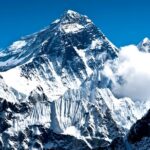
- Day 10 Kala Patthar Sunrise: The Classic Everest-Lighting Chase
- Days 11–12: Descent via the Jame Route and the Suspension Bridge Moment
- Day 11 descent continues
- Day 12 steep rocky trail to the bridge
- Days 13–14: Mountain Flight Back and One Last Kathmandu Loop
- Day 13 Lukla to Kathmandu
- Day 14 departure day
- How to Prepare: Make the Trek Hard Work, Not Fear Work
- Who This Everest Base Camp Trek Fits Best
- Should You Book This Everest Base Camp Trek?
- FAQ
- How long is the Everest Base Camp trek?
- Where does the experience start in Nepal?
- Is pickup from Kathmandu included?
- What’s the maximum group size?
- Are meals and teahouse stays included?
- Do I need a valid passport, and do I need to provide details in advance?
- What kind of traveler is this best suited for?
- Can I get a full refund if I cancel?
Key highlights worth caring about
- Max 10 trekkers means you’re not lost in a crowd when pacing matters
- Teahouse stays + meals included so budgeting your day-to-day hunger is simpler
- Kala Patthar sunrise option gives you a classic early start for big-mountain light
- Acclimatization in Namche with a short hike helps your body adjust before higher passes
- Sagarmatha National Park entry day gives you that real Himalayan “you’re here” feeling
- Guide-led navigation helps you avoid getting lost in a terrain that changes fast
Everest Base Camp, Without the Map-Reading Stress
If you’ve ever looked at Everest Base Camp routes, you know how quickly it turns into a homework assignment. This version is built around a guided plan that’s meant to keep you from thinking about logistics every day. That matters because the real enemy isn’t the trail itself—it’s fatigue stacked on altitude.
The trek is described as best for active, moderately fit travelers, which lines up with how the days are paced: steady walking, frequent altitude gains, and a clear rhythm of climb, acclimatize, then climb again. The small-group cap (max 10) also helps. On a trek like this, you want to move as a team, not as a collection of random walkers who all have different comfort levels.
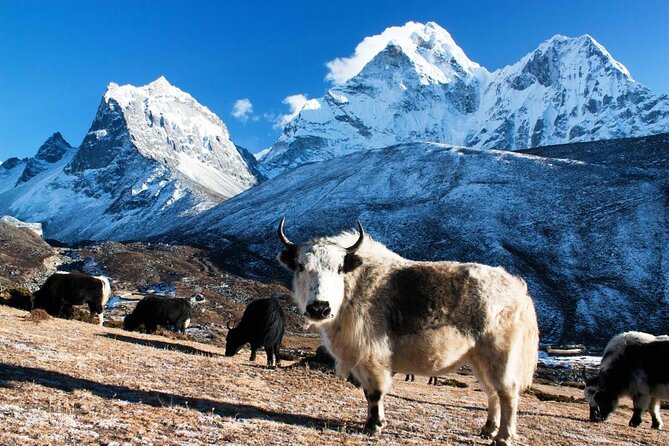
Finally, this trip leans into mountain viewing more than complicated decision-making. You get the sense that the guide is there to help you keep your energy for the “wow” parts—at high viewpoints and during the big sunrise moment later on.
You can also read our reviews of more tours and experiences in Kathmandu.
Price and Value: What $1,350 Covers (and What You Still Need to Bring)
At $1,350 per person for about 14 days, you’re paying for more than a walk in the mountains. Based on the details you’re given, the price structure includes pickup, local transportation, and teahouse accommodation and meals as part of the trek experience. There’s also mention of group discounts and a mobile ticket, which are the kinds of small operational perks that reduce friction.
You’re also paying for time savings. With this setup, you don’t have to figure out where to stay each night or how to coordinate the basic flow from Kathmandu to Lukla and back. That’s not “luxury.” On an Everest trek, it’s risk reduction.
What you should watch for: the info provided doesn’t spell out what’s included in terms of trekking gear, boots, or specialty cold-weather layers. And because the trek “operates in all weather conditions,” you should assume you’ll be outside for long stretches, including when it’s cold. So yes, the package covers the big logistics—but you still need to show up prepared.
Kathmandu Day 1: A Smooth Landing at Tribhuvan
Day 1 is about getting you into the right starting mode, not cramming sightseeing. An airport representative meets you at Tribhuvan International Airport, then you get a drop to your hotel by private tourist vehicle. After that, you can rest—or meet the team at their office to go over details.
This is a smart start for an Everest trek because Kathmandu can throw your schedule off fast (traffic, late flights, jet lag). Getting a representative right away reduces stress and helps you feel organized before you fly out toward Lukla.
Day 2 Flight to Lukla: Sunrise Views and Mountain-Air Reality
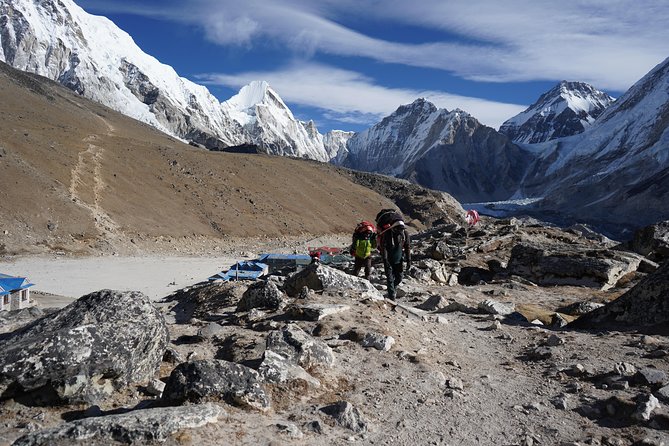
The next morning starts with an early drive from your hotel to the domestic airport terminal after breakfast. Then comes the flight to Lukla, tied to outstanding sunrise views over snowcapped mountains. You land at Tenzing-Hillary Airport, and that’s your “we’re really going now” moment.
A practical note: flights like this often run on tighter schedules than people expect, and weather can be a factor. Even though the trek is listed as operating in all weather conditions, flight timing is part of the reality of the Khumbu region. So be ready for early starts and remain flexible on pace.
Days 3–4: Sagarmatha National Park Entry and the Namche Reset
Day 3 into the park
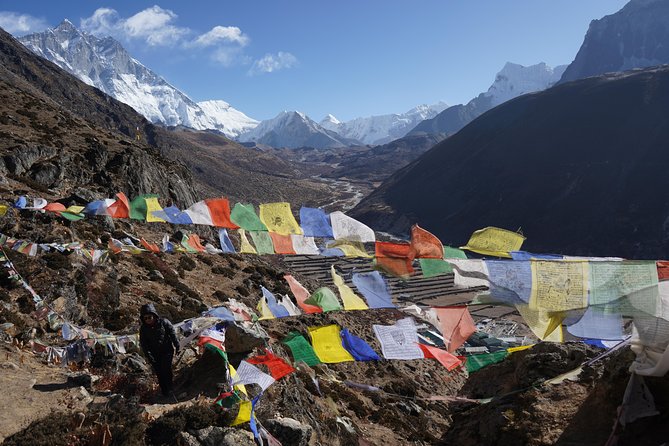
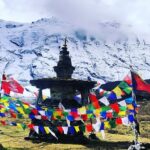
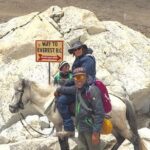
Day 3 follows a route through pine forests, alongside the Dudh Koshi River, with views of Mount Thamserku along the way. After passing settlements, there’s a check post and the entrance to Sagarmatha National Park.
This is one of those days where the trekking feels like you’re gradually stepping into a different world. Even without “the biggest mountains” staring at you yet, the environment signals the change: higher elevation, thicker mountain presence, and a clearer sense of place.
Day 4 Namche Bazaar acclimatization day
Then you reach Namche Bazaar, described as the biggest settlement in the Khumbu region, with ATMs, internet cafes, and restaurants and bakeries. Even better, it’s an acclimatization rest day.
But rest day doesn’t mean do nothing. The plan includes a short hike to a nearby viewpoint, which is exactly what your body needs: movement without pushing too hard. The viewpoint hike is a good reminder that acclimatization isn’t just about waiting. It’s about sending your body the right signals while you still protect your energy.
Also, Namche is where you can do small morale repairs—hot food, checking messages, stocking up on what you might have forgotten. Those simple comforts matter when you’re planning for colder days ahead.
Days 5–6: Phorse to Dingboche Gets You Higher, Faster
Day 5 to Phorse
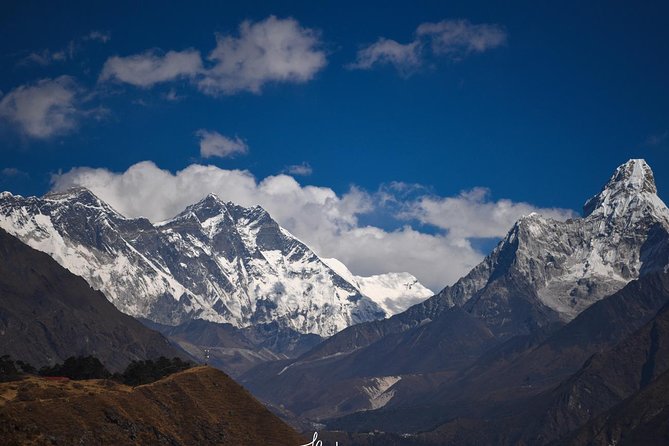
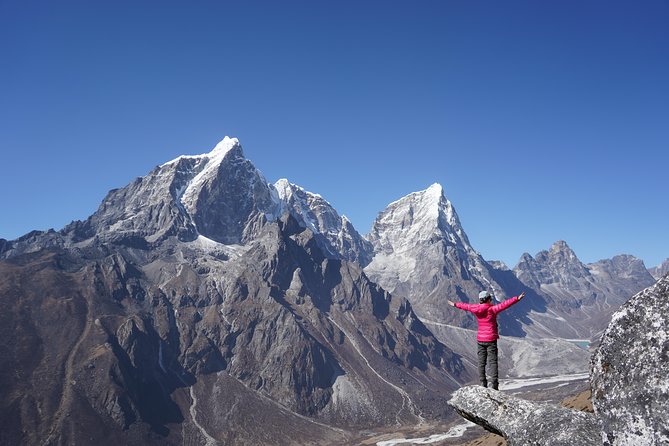
From Namche, Day 5 heads toward Phorse. The route is described as passing through areas where you can reach Mugla Pass and catch glimpses of Mount Ama Dablam, Mount Khumbu, and Mount Thamserku. Then you descend toward the Dudh Koshi and cross the river.
What I like about this kind of day is that it balances effort and reward. You’re not just climbing for the sake of climbing. The pass and mountain glimpses help you feel progress, even when your legs are clearly working.
Day 6 to Dingboche
Day 6 takes you from Phorse toward Dingboche, with a visit to the biggest Buddhist monastery in the region. Then the trek continues through alpine forests toward upper Pangboche and further onward through villages along the way.
Dingboche is a key acclimatization town, so expect the day’s rhythm to feel more “getting ready for bigger altitudes” than “just trekking.” It’s also the point where the air can feel thinner and colder in a hurry, even if the day starts out pleasant.
Days 7–8: From Dughla Up Through Khumbu Khola to Chola Lake
Day 7 climb from Dughla
Day 7 starts the climb from Dughla through the Khumbu Khola valley. On the route, you pass places like Dusa, a yak herders place, plus Phulong Karp, the camp of the first successful Everest expedition in 1953.
That historical reference adds a special kind of meaning to the day. You’re walking through a corridor that has seen big dreams and real expedition effort. It also helps you understand why guides keep talking about pacing: you’re traveling through a landscape loaded with stories.
The day also includes a stop at Chola Lake, with time to enjoy mountain views.
Day 8 steep stretches near Chupki Lhara
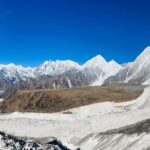
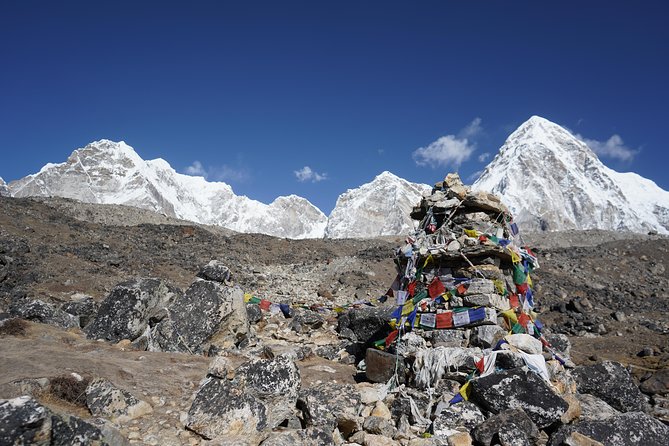
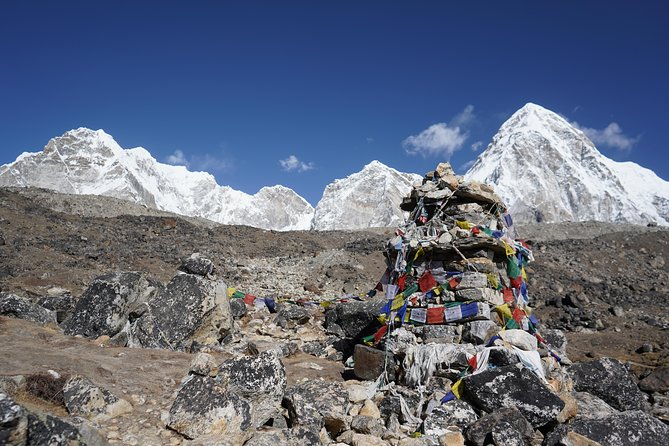
Day 8 focuses on a steep part after walking up the terminal moraine of the Khumbu glacier. The ascent to Chupki Lhara involves boulders, and you’ll come across prayer-flag stone collections.
This is where you’ll feel the change from “nice trekking” to “this is serious terrain.” Stones, steep sections, cold air, and altitude mean your body needs steady steps and slower breathing. If you ever wondered why guides tell you to move with intention, this is the answer.
Day 9 Thangma Riju: The 360-Degree View Day (Everest Not Yet)
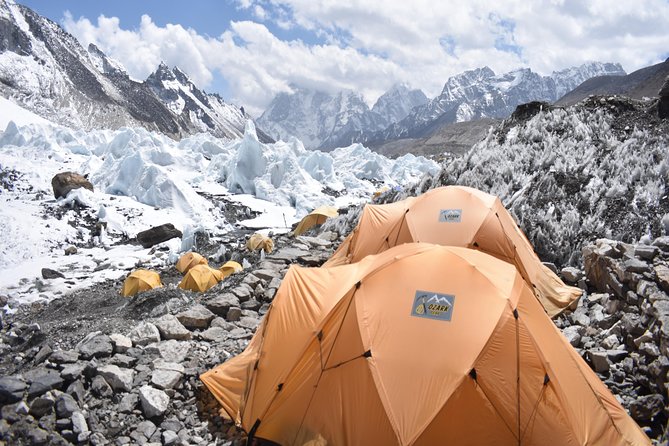
Day 9 is flagged as one of the most important days on the route. You reach Thangma Riju, where you can experience 360-degree panoramic mountain views.
One key detail: Mount Everest is not seen from here. That might sound disappointing at first, but it actually sets expectations for what comes next. You’re building altitude, earning the next viewpoint, and collecting wide-angle Himalayan drama before you lock onto the iconic peaks.
This is also a strong acclimatization-style day mentally. When you’re high and you can see so much, you understand why this trek is so loved—even before Everest is directly in view.
Day 10 Kala Patthar Sunrise: The Classic Everest-Lighting Chase
Day 10 is where the trek’s big moment comes into focus: an early start so trekkers can witness Everest in the light shift from dusk into bright morning. You also stop at Kala Patthar for sunrise view, with the info noting a 30 minutes stop and admission ticket free.
Even if you’ve seen photos, sunrise at Kala Patthar has a unique effect: it’s not just about seeing a mountain. It’s about seeing how the light changes the shape and mood of the whole region. This is the day most people point to when they say the trek was worth it.
Practical reality: the earlier you start, the more important it is to be dressed in layers and keep your pace controlled. You don’t want to burn your energy before the sunrise even arrives.
Days 11–12: Descent via the Jame Route and the Suspension Bridge Moment
Day 11 descent continues
Day 11 starts with descent through the Jame route back toward the terminal moraine at Dughla. Along the way, you pass Pheriche and Orsho, along with Shomare, then continue to Pangboche, where you can explore an old area described in the plan.
Descent days are deceptive. They can feel easier because you’re not climbing as much, but your knees and ankles still work hard on uneven ground. On top of that, descending at altitude doesn’t automatically make you feel better. It just changes where your discomfort shows up.
Day 12 steep rocky trail to the bridge
Day 12 includes a last day of trekking with a steep downward trail. You’re advised to walk really slowly and in a controlled balanced manner on steep rocky terrain until you reach the suspension bridge over Dudh Koshi.
This is the day where trekking poles (if you use them) can become your best friend. The suspension bridge is a great “we’re on the way out” marker too. It’s the kind of moment that feels both practical and emotional.
Days 13–14: Mountain Flight Back and One Last Kathmandu Loop
Day 13 Lukla to Kathmandu
Day 13 brings a mountain flight from Lukla to Kathmandu. After landing, you get time to shop and walk around the city, and the evening is for celebrating the successful completion of the trek.
This is where you’ll feel a mix of relief and quiet satisfaction. After days of focusing on steps, it’s nice to switch gears to streets, food choices, and regular conversation.
Day 14 departure day
On the final day, you’re given time for sightseeing and shopping around the Kathmandu Valley before leaving for Tribhuvan International Airport on the scheduled flight time.
It’s a good ending because you don’t rush out immediately. You absorb what happened on the trail, then convert it into photos, souvenirs, and stories you’ll keep repeating.
How to Prepare: Make the Trek Hard Work, Not Fear Work
This trek is listed for active, moderately fit travelers, and you’re told you should have a strong physical fitness level. That’s the foundation. But you’ll also want to prepare for cold, wind, and changing weather because it operates in all weather conditions and you’re asked to dress appropriately.
Here’s what I’d focus on before you go:
- Train for repeated uphill days. Think stairs, hiking with a pack, and long walks that feel like a slow burn.
- Plan for altitude pacing. Even when days look “moderate” on paper, breathing changes fast at height.
- Bring practical layers. On colder days, the difference between being comfortable and being miserable is often just your clothing system.
- Respect slippery descents. The steep rocky sections near the end are where good footwork matters most.
If you’re the type who likes clear structure and values safety through guidance, this trek format fits you well.
Who This Everest Base Camp Trek Fits Best
This is a strong choice if you:
- Want a guided, small-group (max 10) Everest Base Camp trek with teahouse meals and lodging included
- Prefer someone handling navigation and day-to-day logistics while you focus on trekking and views
- Are active and moderately fit, and you’re ready for early starts and altitude pacing
It may not fit you if you want a totally independent adventure with zero group structure. The whole point here is safety and “don’t get lost” guidance—so you’re joining a system, not improvising your own route.
Should You Book This Everest Base Camp Trek?
If you like your mountain trips organized, this one is worth serious consideration. The value comes from having the core pieces covered: guide-led route safety, teahouse accommodation and meals, and the structured Kathmandu-to-Lukla-to-EBC flow with a classic Kala Patthar sunrise moment. The small-group size adds comfort when altitude makes every choice feel bigger.
Book it if you want an authentic Everest Base Camp experience without turning your vacation into logistics work. Skip it—or at least double-check your readiness—if you’re not comfortable with the physical demands of steady walking in high elevation and unpredictable weather.
FAQ
How long is the Everest Base Camp trek?
The trek is listed as 14 days approximately.
Where does the experience start in Nepal?
It starts at Tribhuvan International Airport in Kathmandu.
Is pickup from Kathmandu included?
Yes. Pickup offered is included in the experience details.
What’s the maximum group size?
The trek has a maximum of 10 travelers.
Are meals and teahouse stays included?
Yes. The trek includes teahouse accommodation and meals.
Do I need a valid passport, and do I need to provide details in advance?
Yes. You need a current valid passport, and you must provide passport name, number, expiry, and country at booking for all participants.
What kind of traveler is this best suited for?
It’s best suited to active and moderately fit travelers, and the info advises you should have a strong physical fitness level.
Can I get a full refund if I cancel?
Yes, free cancellation is available. You can cancel up to 24 hours in advance for a full refund.