REVIEW · CUSCO
Salkantay Trek To Machu Picchu 5 Days And 4 Nights
Book on Viator →Operated by Action Peru Treks · Bookable on Viator
This trek hits big Andean drama fast. You hike the Salkantay route to Machu Picchu, with bilingual guide support, meals, camping gear, and transport handled for you. It’s the kind of trip where you spend your energy on the trail, not on figuring out the trail.
What I like most is the all-in feel of the camp setup: tents (with mattress and pillows), kitchen and dining tents, even a toilet tent with a portable toilet. You also get a proper buffer for altitude and readiness thanks to the pre-departure briefing and a small-group format, with bilingual guidance all the way through.
One drawback to plan around: you still need to arrive early and hike hard. The schedule starts very early (meeting at 4:30 am), and Day 2 includes the Salkantay pass at 15,252 ft, so fitness and acclimatization matter.
In This Review
- Key highlights you’ll feel on this trek
- The big win: you carry your effort, not the whole operation
- Getting started: Cusco pickup, Mollepata, and Soraypampa timing
- Day 2: the Salkantay Pass is the whole point
- Day 3: rain forest walking and the Santa Teresa river detour
- Day 4: Llactapata ruins, first Machu Picchu sighting, then Aguas Calientes
- Day 5: Machu Picchu walking tour and the Huayna Picchu choice
- What’s included (and what you must bring) matters more than you think
- Price and value: $690 is doing real work here
- Who this trek suits best (and who should think twice)
- The guide and crew touch: why your experience feels smoother
- Should you book Salkantay to Machu Picchu with this package?
- FAQ
- What time does the trek start?
- Is a sleeping bag included?
- What meals are included during the trek?
- How difficult is the trek, and what altitude is the highest point?
- Do I stay overnight near Machu Picchu?
- Do I need a bus ticket to Machu Picchu?
Key highlights you’ll feel on this trek
- Humantay Lake in the morning light after a long-drive start from Cusco-area pickup
- Salkantay Pass (15,252 ft) plus an offering moment tied to Inca culture
- Rain-forest walking along the Santa Teresa river and a memorable waterfall on the way
- Coffee plantation tour right at camp time on Day 3
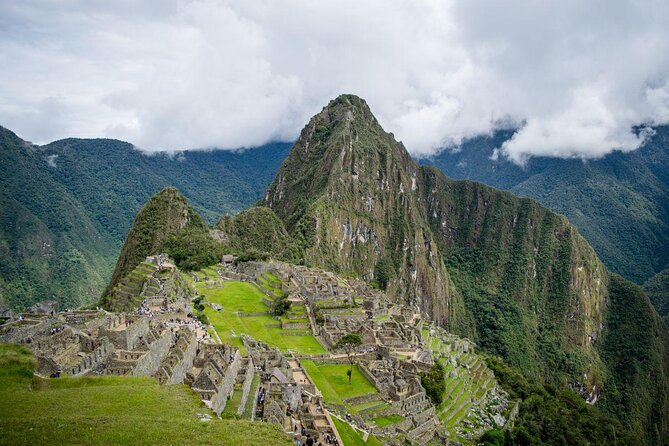
- Llactapata ruins and the first far view of Machu Picchu
- Two-hour guided walk at Machu Picchu plus optional Huayna Picchu timing
The big win: you carry your effort, not the whole operation
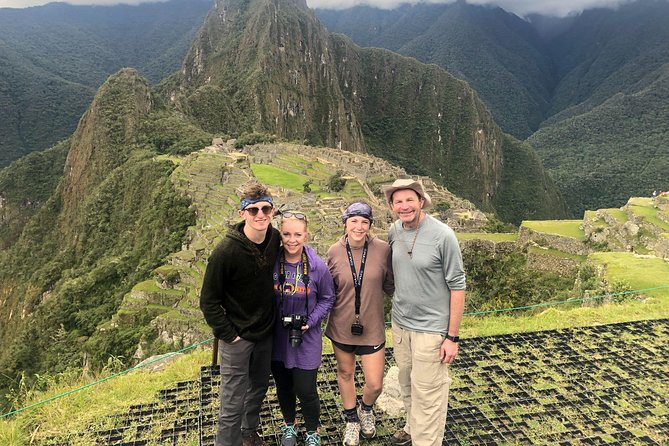
This trek works because the heavy stuff isn’t on your back. The included support team brings the camping equipment, kitchen setup, dining tables and chairs, and portable toilet service—so you can focus on the hike and the views.
You’ll still hike in altitude and steep sections, but you get structure. A bilingual guide keeps the day moving, explains what you’re seeing, and helps you manage pacing. For me, that matters on the Salkantay route, because the difference between a draining day and a memorable day is often timing and tempo.
You can also read our reviews of more tours and experiences in Cusco.
Getting started: Cusco pickup, Mollepata, and Soraypampa timing
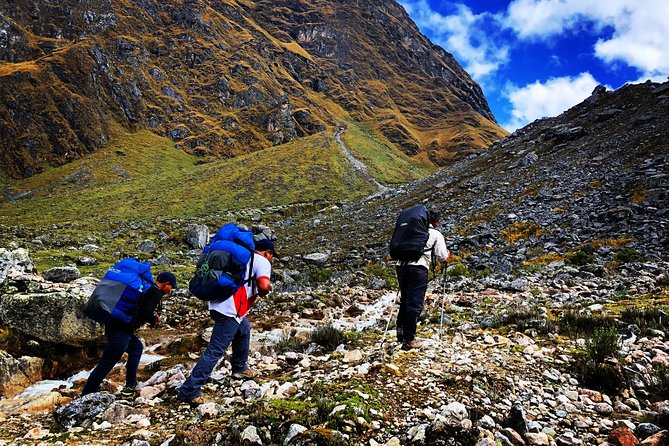
The experience begins with an early start—meeting time is 4:30 am—and then pickup from your hotel. From there, you’re in a long scenic drive: about 3 hours to Mollepata, then breakfast at a local house, and then another 1 hour 45 minutes to Soraypampa.
This day is designed to ease you in while still giving you the punchy mountain scenery right away. On the drive, you get your first views of the Salkantay and Humantay Mountains, and reaching Soraypampa at 12,467 ft makes the elevation feel real early.
At Soraypampa, you meet the support staff and see how the trek logistics click into place. Equipment gets packed and loaded onto horses, plus there’s a horse option for 8 kg of your personal belongings, so you don’t have to bring a giant load.
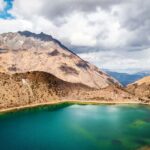
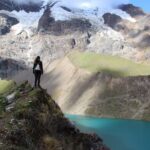
Then comes the signature Day 1 excursion: Humantay Lake. You’ll do about a 2-hour walk/excursion there, with time to take in the dramatic high-altitude setting. The trail can feel like a warm-up for what’s coming next—beautiful, but also a taste of altitude.
Day 2: the Salkantay Pass is the whole point
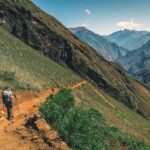
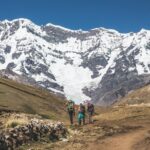
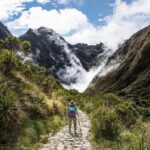
Day 2 is where the trek earns its reputation. You start after breakfast with a push of about 1 hour uphill to the Salkantay pass at 15,252 ft.
At the top, the group pauses for an offering connected to Salkantay and you’ll hear how this spot connects to Inca culture. That’s not just a photo stop. It gives the day meaning, and it also helps you slow down at the point where your lungs are telling you to slow down.
After that, the day turns into controlled downhill work. You descend about 2 hours to Huayrac (12,464 ft) for lunch, then keep going downhill for around 4 hours until you reach camp at Colpapampa (10,170 ft).
This is the day you should respect. Even with support and horses carrying the big gear, this is physically serious walking. The best approach is simple: take the uphill slow, eat and drink when it’s offered, and trust that the hardest part is one section, not the whole trek.
Day 3: rain forest walking and the Santa Teresa river detour
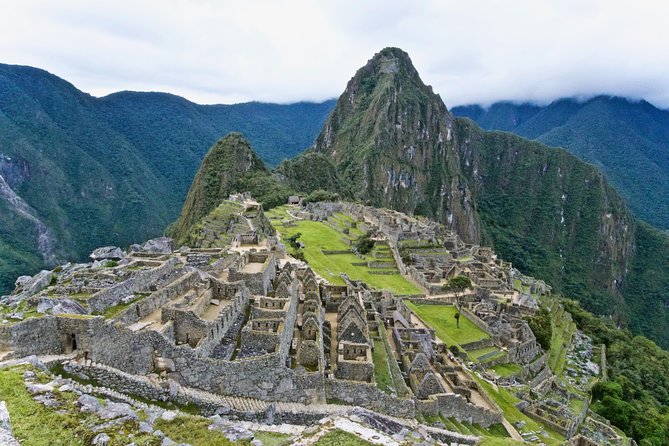
Day 3 tends to feel kinder, and it’s one reason the Salkantay trek is so loved. After breakfast, you walk for about 6 hours on gentle up-and-down segments through rain-forest terrain.
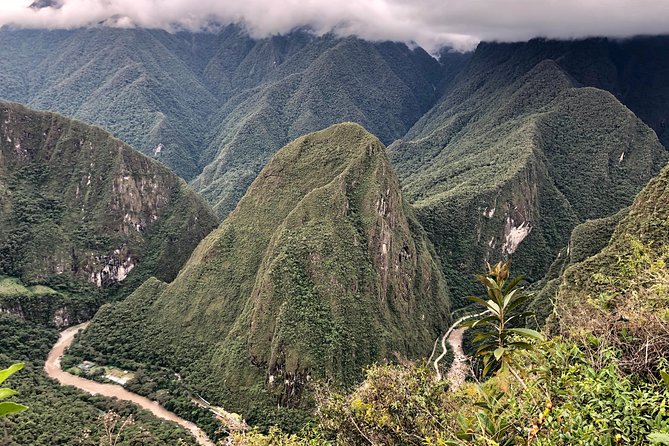
You’re following the path along the Santa Teresa river, and the day includes a beautiful waterfall you’ll reach along the way. The change of scenery is noticeable—less exposed sky, more green, and a different rhythm to your breathing.
You’ll reach the campsite at Lucmabamba around noon. After lunch, there’s a coffee plantation tour at a plantation adjacent to the campsite, which is a great change of pace from hiking-focused time.
What makes this stop valuable is timing: you’re not rushed into sightseeing at the end of a brutal day. You’re already at camp for the afternoon, so you can actually enjoy the coffee tour instead of just ticking it off.
Day 4: Llactapata ruins, first Machu Picchu sighting, then Aguas Calientes
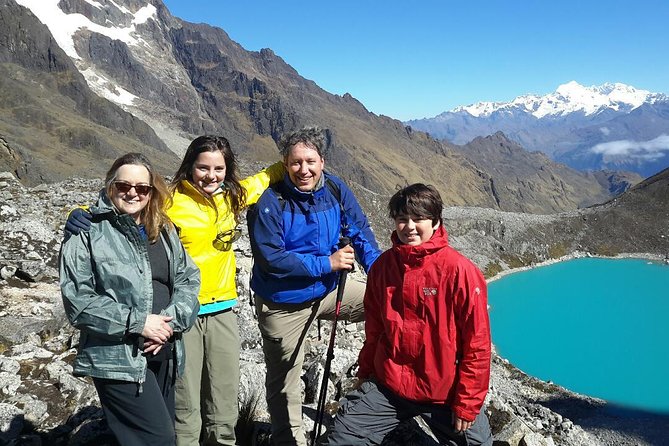
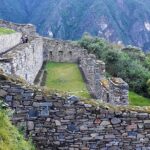
Day 4 blends hiking, ruins, and a jump into the Machu Picchu zone. You wake up early, have breakfast, and begin with a 3.5-hour moderate climb through the rain forest to Llactapata (8,856 ft).
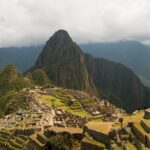
At Llactapata, you get a thorough tour of the ruins. This is also the point where you’ll have your first distant view of Machu Picchu, which is such a strong psychological moment. It’s like your brain finally gets the final destination.
After Llactapata, you descend for about 2.5 hours to Hydro, where you’ll have lunch. Then the late-day transit changes the feel of the trek: at 3 pm you board the train to Aguas Calientes.
Once you arrive, you check into your hotel for the night and dinner is included at a restaurant. This is a useful decompression point. After days of mountain hiking, you get real rest before Machu Picchu day.
Day 5: Machu Picchu walking tour and the Huayna Picchu choice
Your final day starts with breakfast at your hotel. Then you take a bus up to Machu Picchu.
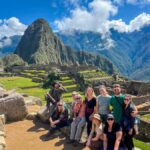
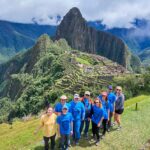
At the site, you get a 2-hour walking tour. This is the time to pay attention: the guide’s explanations help you understand how the terraces, water, and structures relate to daily life in Inca times.
You also have a decision point. If you selected the Huayna Picchu climb (not included in this package), that hike begins at 10:00 am. If you didn’t choose it, you’ll have some time at Machu Picchu beyond the walking tour to wander at a slower pace before heading back down to Aguas Calientes.
Afterward, you take the train from Aguas Calientes to Ollantaytambo or Poroy, then transfer by private van back to Cusco. That last stretch turns the experience from physical effort into a clean landing back in real life.
What’s included (and what you must bring) matters more than you think
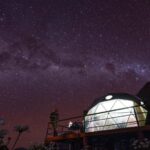
This trek includes a lot that most people end up paying for separately on other trips. For camping, you get a four-person tent for two people, plus a mattress and pillow. You also get a kitchen tent, a dining tent with tables and chairs, and a toilet tent with a portable toilet.
Food support is real here too: an expert chef and assistant chef, with multiple meals included across the trek. Breakfasts and lunches are included on the hiking days, plus dinner is included, and you’ll also have dinner in Aguas Calientes on night 4.
Water and basic comfort are supported. You get hot water for washing, and daily morning boiled and cold water for filling your bottles. On top of that, there’s an emergency kit and an oxygen bottle, which is a reassuring layer for altitude travel.
Two things to plan around: you’ll want the right cold-weather sleep system, and you’ll need day-of hiking items. A sleeping bag is not included, but it can be rented from the trip operator. Hiking poles are recommended and can also be rented, but they’re not included.
Also, the round-trip bus ticket to Machu Picchu is not included. The tour day is set up with the bus, but you should assume you’re responsible for that ticket unless your booking states otherwise.
Price and value: $690 is doing real work here
At $690 per person, this isn’t a budget trek, but it’s also not just paying for views. You’re paying for the logistics: bilingual guiding, pre-departure briefing, hotel night in Aguas Calientes, camping gear, chef service, horses to move equipment, and the train plus private transfers at the end.
For a trek that includes tents with mattress and pillow, a full kitchen and dining setup, toilet service, and daily water support, the value calculation shifts. The cost is largely what keeps you from carrying heavy camp gear and from arranging the complex movement between trailheads, camps, and trains.
If you’re comparing options, don’t compare price alone. Compare what’s already wrapped into the service: equipment, meals, and the end-of-trip train transfer. Those are the items that usually cost time, energy, and extra money when you piece things together yourself.
Quick practical note: the booking includes free cancellation up to 24 hours before the experience start time, so you get some flexibility if plans change.
Who this trek suits best (and who should think twice)
This trek is built for people with moderate physical fitness who can handle altitude and uphill/downhill days. Day 2 includes a major high point at 15,252 ft, and even with support, your legs and lungs need to cooperate.
If you’re the type who hates carrying a heavy pack and wants meals and camp comforts to be taken care of, this fits well. You’ll enjoy the pacing of a small group (maximum 16 travelers), with hands-on guidance from the guide team.
If you’re dealing with severe mobility limits or you know altitude isn’t something you tolerate well, you should think carefully. The data provided recommends moderate fitness, and the itinerary includes high-elevation walking, so this is not the kind of “easy hike.”
The guide and crew touch: why your experience feels smoother
On this trek, the guide team can make or break the feeling of the days. Guides like Christian and Eddie/Edy (and sometimes Ericsson) are highlighted for making the walk more than just physical effort—tying the scenery to history, culture, and what you’re seeing in the natural world.
The chef team also plays a big role. Meals are repeatedly described as multi-course and satisfying, with attention to the group’s needs, which matters when your body is working hard every day.
And there’s the behind-the-scenes support: wranglers and horses that move camp equipment, plus an emergency horse if it’s needed. That’s one of those details you don’t notice until you realize how smoothly the camp appears each night.
Should you book Salkantay to Machu Picchu with this package?
If you want a trek where you get strong support, camp comfort, and a clear route to Machu Picchu, this is a solid choice. You’ll likely love it if you want the challenge of the Andes but not the headache of planning every logistical piece.
I’d book if these match your style:
- You like small-group guiding with bilingual support
- You’re comfortable hiking steep days, especially Day 2
- You want camping setup handled well, including beds and meal service
- You care about reaching Machu Picchu with enough time to actually absorb it
I’d hesitate if you’re sensitive to altitude or if you’re trying to travel ultra-light without paying for the right sleep system. Make sure you handle the sleeping bag and the Machu Picchu bus ticket, and you’ll be set.
FAQ
What time does the trek start?
The start time is 4:30 am. Pickup from your hotel happens early on Day 1 to get you to the trek route and Humantay Lake.
Is a sleeping bag included?
A sleeping bag is not included. You can rent one from the operator.
What meals are included during the trek?
Breakfast (5), lunch (4), and dinner (4) are included. Dinner is also included when you stay in Aguas Calientes on night 4, but Day 5 lunch in Aguas Calientes is not included.
How difficult is the trek, and what altitude is the highest point?
You hike to the Salkantay pass at 15,252 ft on Day 2. The trek includes steep uphill and long downhill walking, so it’s best for people with moderate fitness who can handle high altitude.
Do I stay overnight near Machu Picchu?
Yes. You have lodging in Aguas Calientes on night 4 of the trek (double occupancy).
Do I need a bus ticket to Machu Picchu?
The round-trip bus ticket to Machu Picchu is not included. You’ll be taking the bus as part of the Day 5 plan, but you should budget for that ticket separately.