REVIEW · CUSCO
Ancascocha Trek To Machu Picchu 4 Days And 3 Nights
Book on Viator →Operated by Action Peru Treks · Bookable on Viator
A waterfall and an Inca ruin on day one. That is exactly how the Ancascocha trail in Peru plays out, starting near Cusco and building toward Machu Picchu with big Andean views and plenty of hands-on history. I like that you’re hiking past real villages and ruins instead of following the same conveyor belt routes.
I really value the small-group feel. You get more attention from your guide, and the experience can feel more personal when the team includes people like Lino, Lina, Christian, or Eddy, plus dedicated chefs and horse handlers (names like Oskar, Elsa, Eliquin, Joel, and even Super Mario show up in the stories). The food is also a standout, with proper buffet-style meals on the trail and lunch timed to your climbing pace.
One thing to weigh carefully: this trek is demanding at high altitude, and the tour specifically asks for strong fitness. If you’re prone to altitude issues, plan for slower effort and take it seriously.
In This Review
- Key highlights you will care about
- Why Ancascocha feels different from the big Machu Picchu routes
- Day 1: Cusco to Soqma, Perolniyoc waterfall, then up to Rayan and Kuychiccasa
- Soqma to Perolniyoc cascade lookout
- Perolniyoc Inca site (cliff-top history break)
- Lunch at Rayan, then a steep climb toward Kuychiccasa
- Top-of-pass break and the downhill to camp
- Day 2 and Day 3: the trekking rhythm through villages and Inca remnants
- Day 4: Machu Picchu ruins tour, plus the one important transport detail
- The food and camps: why this matters more than a long checklist
- Guides, support teams, and why “small group” isn’t just marketing
- Value and price: is $730 a good deal for this kind of trek?
- Who this trek suits best (and who should think twice)
- Should you book the Ancascocha Trek to Machu Picchu?
- FAQ
- What is included in the price?
- Do I need to bring camping gear?
- Where does the trek start?
- What about meals during the trek?
- Is the Machu Picchu visit guided?
- Do I need bus tickets from Aguas Calientes to Machu Picchu?
- Can I get a full refund if plans change?
Key highlights you will care about
- Day-one Perolniyoc waterfall + Inca ruins: you get both early, not as an afterthought.
- High pass scenery: you reach the Kuychiccasa pass (14,599 ft) and get a big panorama break.
- Small group, more guide time: the max group size is 30, so you’re not lost in a crowd.
- Camp comfort is handled: campsites are set up for you when you arrive, with warm clothing changes ready.
- Food + chef energy: buffet lunches and dinners keep you fueled for the next climb.
Why Ancascocha feels different from the big Machu Picchu routes
The Ancascocha trek is one of those Peru trips that feels like it’s quietly doing its own thing. Instead of going full “famous trail” with wall-to-wall hikers, you’re choosing the less crowded road—still headed to Machu Picchu, but on a route that passes Inca sites, Andean farming areas, and rugged viewpoints.
The big win for you is flow. You’re not just checking Machu Picchu off a list. You’re spending days moving through the Sacred Valley region at walking speed, where the trail teaches you the rhythm of altitude, wind, and steep angles.
It also helps that the trip is run with a team approach. You don’t just “show up and hike.” You have a local guide, chefs, and support staff whose job is to keep your day working: cooking, managing gear, and handling camp so you can focus on breathing and walking.
You can also read our reviews of more tours and experiences in Cusco.
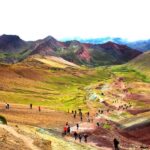
Day 1: Cusco to Soqma, Perolniyoc waterfall, then up to Rayan and Kuychiccasa
Your day starts with a hotel pickup in Cusco, then a drive of about 1 hour 45 minutes to Soqma (10,512 ft), the trek’s starting point. If you want a realistic expectation: the day begins with movement, then shifts fast into hiking. You’ll want to start calm, not heroic.
Soqma to Perolniyoc cascade lookout
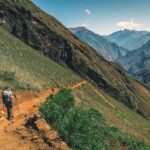
From Soqma, you hike for about 2 hours to reach the Perolniyoc cascade lookout. This is your first “wow” moment, and it matters because it sets the tone: the route is built around views, not just distance.
If you’re the type who gets tired of looking at the back of someone’s hiking pole, you’ll like this segment. It’s long enough to settle into your pace, but scenic enough that the time passes. Bring layers for cool air, because high passes often mean a big temperature swing even when the sun is out.
Perolniyoc Inca site (cliff-top history break)
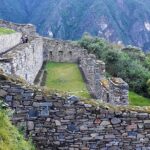
After the lookout, it’s another 45 minutes to visit the Inca site of the same name. This ruin sits perched above the valley, and your guide shares context so you’re not staring at stone with no idea what you’re seeing.
The practical value here is that ruins become easier to understand when you experience them from the same terrain the Incas used. You’re standing in the right place, at the right altitude, with the same sightlines.
Lunch at Rayan, then a steep climb toward Kuychiccasa
Next comes a steep ascent of about 1 hour to lunch at Rayan (12,139 ft). This is where the chef work starts to pay off. You sample lunch after the climb—so fuel happens while your body can still use it, before you push into the pass.
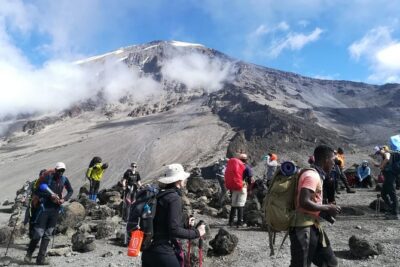
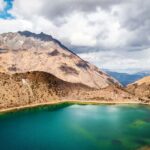
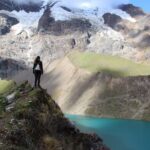
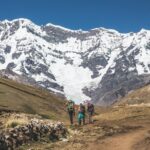
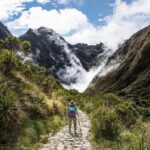
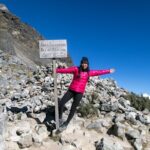
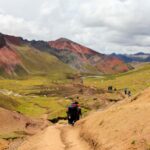
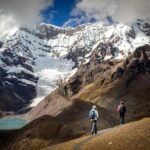
Then you face about a 3-hour uphill hike to reach Kuychiccasa pass (14,599 ft). Along the way you pass rustic farming houses, see llamas, and get regular bursts of panorama featuring snow-capped peaks called the Nevadas.
Top-of-pass break and the downhill to camp
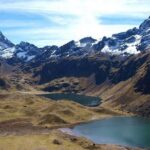
Once you hit the top, you take a break to soak in views over the Chancachuco Valley. Then it’s an easy-ish 45-minute downhill to your campsite in the valley (14,147 ft). The wording easy is relative here; your legs will still notice it, but downhill is a relief after altitude climbing.
When you arrive, the campsite is prepared, and you can change into warmer clothing. That small detail matters more than you might think. It’s not just comfort. It helps your body recover while the sun drops and the air cools fast.
Day 2 and Day 3: the trekking rhythm through villages and Inca remnants
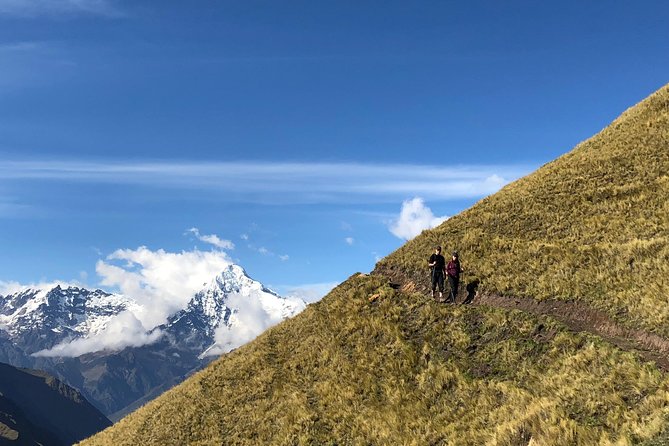
The itinerary for the remaining days is less stop-by-stop in the details, but the shape is clear: you’re hiking through varied terrain, past ancient Inca ruins and traditional Andean villages, with scenery that shifts as you gain and lose altitude.
This is where the Ancascocha route earns its “avoid the crowds” promise. Even when the big famous trails are busy, you’re not stuck in that same river of hikers. Your trail day feels more like a local journey, with quiet corners and fewer photo delays.
Practically, you should expect a day-by-day pattern like this:
- Morning walking where you settle into your pace
- Midday fuel breaks timed to the climbs
- Afternoon time spent pushing through high points and descending toward camp or the next overnight
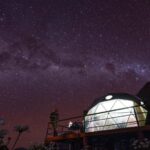
Also, you know you’re camping for two nights total. That changes the feel. You’re sleeping outside in the Andean cold, but you’re not doing it alone. The trip includes camping gear and meals, which means you’re not juggling extra weight and logistics.
And because the trek ends with an overnight in Aguas Calientes (at a B&B), you’re building toward Machu Picchu with an organized transition. You’re not just sprinting to the finish line; you’re getting set up for a good day at the ruins.
Day 4: Machu Picchu ruins tour, plus the one important transport detail
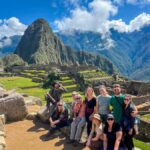
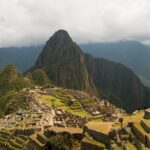
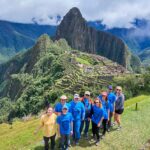
On day 4 you do Machu Picchu, starting from Aguas Calientes. The tour includes a guided visit to the Machu Picchu ruins, so you’re not left to figure out the story of the site on your own.
One key logistics note: round trip bus tickets from Aguas Calientes to Machu Picchu on day 4 are not included. That doesn’t make the trip worse—it just means you’ll budget extra for that transport step and plan your timing.
This last day is also where the payoff is emotional, not just visual. After several days of hiking, the stones of Machu Picchu stop being “a destination” and start feeling like the end of a journey you actually earned on foot.
The food and camps: why this matters more than a long checklist
This is one of the trips where meals and camp setup quietly determine your success. The included program covers breakfast, buffet lunch, buffet dinner, and two nights of camping, plus national park fees. You’ll also have camping gear taken care of, so you can travel lighter and spend more energy where it counts: walking.
From the stories you can infer a consistent pattern: camps are set up when you arrive, and support staff do the behind-the-scenes work so you can recover. That shows up again and again in how people describe the team, including chef-driven meals and guide attention during the tough segments.
One practical caution: alcohol isn’t included. It’s available to purchase, but if you want good sleep and easy morning hikes, treat it like a reward, not a requirement.
Guides, support teams, and why “small group” isn’t just marketing
Action Peru Treks keeps the group size capped at a maximum of 30. That number sounds big until you’re on a trail at altitude. In practice, small-group tours usually mean:
- Easier pacing across mixed fitness levels
- Less waiting around for everyone to regroup
- More personal explanation at ruins and viewpoints
The other thing you’ll notice is that people connect the quality of the trek directly to the guide and the team. Names that pop up include Lino, Lina, Christian, and Eddy/Eddie, and people also highlight roles like chefs and horse handlers such as Oskar and Elsa. You’re likely to feel looked after in the way the team adjusts when someone is struggling or needs to slow down.
That said, you should still manage your own expectations. Even with a great guide, altitude is altitude. If you take the climb seriously and pace smart, the group dynamic becomes a support system instead of a pressure cooker.
Value and price: is $730 a good deal for this kind of trek?
At $730 per person, this trek sits in the “serious activity” category. The good news is that the cost isn’t just for walking.
Your price includes:
- Hotel pickup and drop-off
- Two nights camping
- National park fees
- Camping gear, plus meals (breakfast, lunch, dinner)
- One night at a B&B in Aguas Calientes
- A local guide
- A guided tour of Machu Picchu ruins
The part you should budget separately is the Aguas Calientes to Machu Picchu bus on day 4. Also, any excess luggage charges (where applicable) and alcoholic drinks are not included.
When you look at it this way, the value comes from what’s covered on your behalf: national park fees, meals, camp setup, and the Aguas Calientes overnight. For many travelers, that’s the difference between a trek that feels doable and one that turns into extra money and last-minute planning.
If you’re comparing options, think in total experience cost, not just the hiking days. This one is priced as a guided, staffed, organized trek with real meals and overnight planning built in.
Who this trek suits best (and who should think twice)
You’ll enjoy Ancascocha most if:
- You want Machu Picchu but prefer a less crowded trail route
- You like hiking with historical stops, not just scenery photos
- You’re okay with high altitude and you have strong physical fitness
- You want camping handled for you, not a DIY setup
You should think twice if:
- High altitude regularly knocks you out, even on shorter hikes
- You want a fully low-stress walk with minimal climbs
- You dislike cold nights (you’ll be changing into warmer clothing at camp)
The good part: since the trek is organized with a guide and support team, you’re not thrown into uncertainty. The challenge is real, but the trip is built to help you handle it.
Should you book the Ancascocha Trek to Machu Picchu?
I think you should book it if your top goals are fewer crowds, strong guide support, and an authentic hiking route that leads you to Machu Picchu with context. The combination of day-one Perolniyoc waterfall and ruins, a high pass like Kuychiccasa, and the included meals and camp setup is exactly the kind of value that makes a trek feel worth it.
Book with extra care if altitude is your main worry. This isn’t framed as a casual walk. It’s a serious trek on a mountain route, and the tour asks for strong fitness for a reason.
If you want Machu Picchu without spending all your energy on crowds and logistics, the Ancascocha route is a smart choice.
FAQ
What is included in the price?
The tour includes two nights camping, national park fees, breakfast, buffet lunch and buffet dinner, a local guide, hotel pickup and drop-off, and one night at a B&B in Aguas Calientes.
Do I need to bring camping gear?
Camping gear is included. That means you should not have to plan for major equipment for the trek nights.
Where does the trek start?
The trek drive is about 1 hour 45 minutes from Cusco to Soqma (10,512 ft), which is the starting point of the trek.
What about meals during the trek?
Meals are included: breakfast plus buffet-style lunch and dinner during the camping days. Alcoholic drinks are not included.
Is the Machu Picchu visit guided?
Yes. You get a guided tour of the Machu Picchu ruins.
Do I need bus tickets from Aguas Calientes to Machu Picchu?
Round trip bus tickets from Aguas Calientes to Machu Picchu on day 4 are not included, so you’ll need to budget for that.
Can I get a full refund if plans change?
Yes. Free cancellation is available up to 24 hours in advance for a full refund. If you cancel within 24 hours of the start time, the amount paid will not be refunded.