REVIEW · HANOI
From Hanoi: Trek and Stay: 3-Day Sapa Highlands Adventure
Book on GetYourGuide →Operated by Mountain Light Homestay · Bookable on GetYourGuide
Sapa highlands move at a slower, human pace. This 3-day trek and stay plan trades big-city rushing for village trails and hands-on ethnic community time with an English-speaking guide. I especially like the combo of a real Ta Van homestay experience and the way local guides explain what you’re seeing as you walk. One thing to factor in: the Sapa-side hotel is functional rather than fancy, and the Hanoi–Sapa night bus can feel tight for some people.
You start early from the Hanoi Old Quarter, ride a sleeper bus to the mountains, then spend two days hiking between Sapa villages like Cat Cat, Sin Chai, Y Linh Ho, Lao Chai, Ta Van, and Red Dao areas around Giang Ta Chai. You’ll eat well on schedule, and entrance fees are handled, so you can focus on the trail instead of paperwork.
If you’re expecting a quiet, totally private trek with lots of downtime and warm, cushy comfort, this may not be your match. This is a group adventure with trekking as the main event, plus backpack-style homestay living for one night.
In This Review
- Key things I’d circle on your plan
- From Hanoi Old Quarter to Sapa on a sleeper bus
- Day 1: Cat Cat Village, a waterfall stop, and Sin Chai
- Day 2: Y Linh Ho and Lao Chai to Ta Van homestay
- Day 3: Giang Ta Chai and Supan, then back to Hanoi
- The guides: the reason this trek feels smooth
- Comfort and reality checks: hotel basics, dorm nights, cold air
- Price and value: what $98 buys you in the mountains
- Who should book this Sapa trek
- Should you book this 3-day Sapa Trek and Stay?
- FAQ
- What is the tour duration?
- Where does pickup happen in Hanoi?
- What villages do you visit?
- How much trekking is involved?
- What meals are included?
- What kind of accommodation is provided?
- Is there an English-speaking guide?
- What’s included in the transportation?
- Are there extra charges for holidays or solo travelers?
Key things I’d circle on your plan

- English-speaking local guides who explain daily life while you hike (names you may hear include Pang, Khu Ly, Peng, Phin, Thao thi sò, and Cha)
- One night in a Ta Van village homestay with dorm-style sleeping and simple, hearty meals
- A practical 3-day route that links Sapa highlights and lesser-visited village communities
- Clear walking segments including a 6 km + 3 km day and an 8 km trek on Day 3
- Included meals and entrance tickets so your costs stay predictable
- Cat Cat Village time that’s worth it if you treat it as a stop, not the goal
From Hanoi Old Quarter to Sapa on a sleeper bus
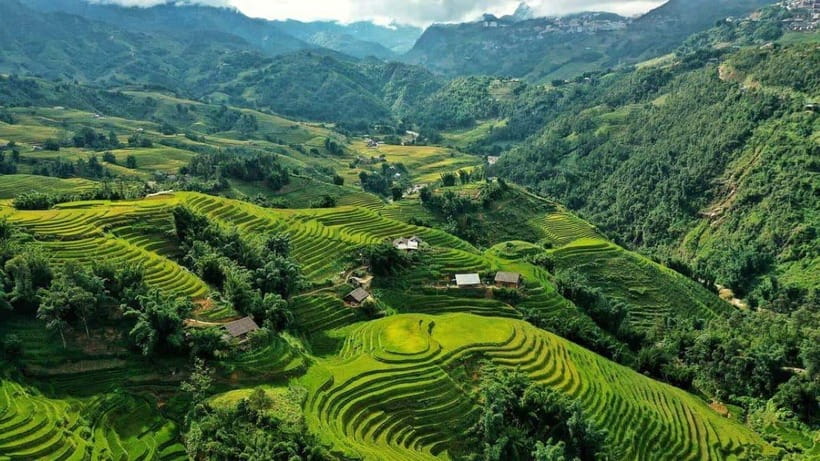
Your day starts with a pickup from Hanoi Old Quarter hotels between 06:00 and 06:30. If your hotel isn’t in the Old Quarter, you’ll need to get to the office at 54 Hang Tre, Hoan Kiem, Hanoi. Either way, you’ll be moving fast toward the mountains.
The ride runs via the Noi Bai – Lao Cai highway, with a break in Lao Cai City around 10:00. Expect a long travel window before you’re actually in Sapa: you arrive roughly 13:00–13:30, and lunch happens soon after. This is important because it sets your energy. You’re not starting a deep trek the moment you land. You get a real buffer—scenery first, walking second.
Most people like that the sleeper bus is described as modern, which helps for a long night of sitting. Still, plan with flexibility. Some experiences on the road can feel narrow or crowded depending on the vehicle and the group load. Bring a small pillow if you’re picky about sleep, and keep water and layers in easy reach.
You can also read our reviews of more tours and experiences in Hanoi.



Day 1: Cat Cat Village, a waterfall stop, and Sin Chai
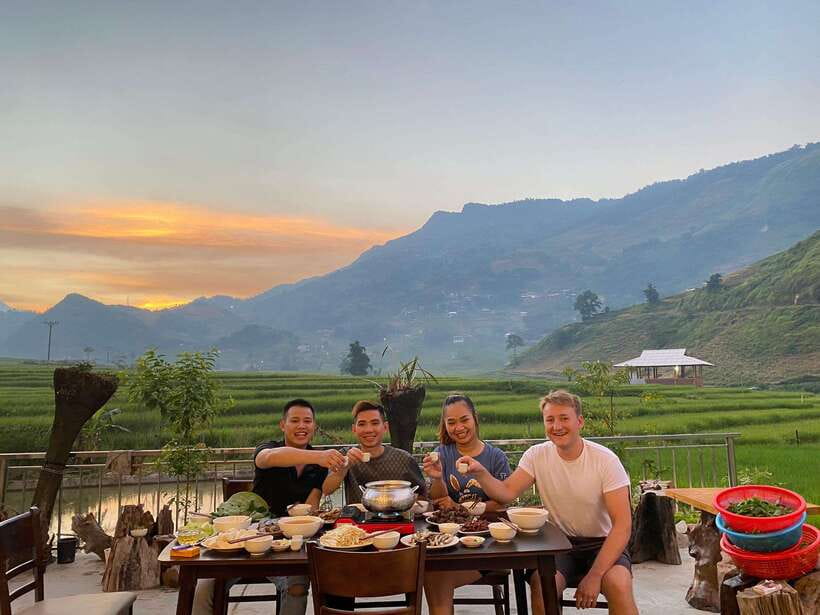
After lunch in Sapa town, the tour shifts into “walking mode” right away. Your first village stop is Cat Cat Village (around 14:30). This is a popular area, and for good reason: you can see local life up close, and the route includes a waterfall visit plus the Historic Hydraulic Power Station area.
Here’s the practical way to handle Cat Cat Village: treat it as your first taste of Sapa culture, not the main course. The area can have a tourist feel, with lots of storefront activity. If you go in expecting photos plus a quick cultural look, you’ll enjoy it more. If you want pure quiet village life from minute one, you’ll likely feel the contrast.
By late afternoon you’ll head to Sin Chai village (around 17:00). This timing matters. You arrive when the light often softens, and you get a more calm village vibe after the initial Cat Cat sightseeing flow. Then you return to Sapa town for dinner and free time, staying overnight at a chosen 3-star hotel in Sapa town (shared rooms, 2 people per room).
What I like about this Day 1 setup: you land, eat, walk, and still end with a normal dinner and a real bed. It’s the kind of pacing that keeps you from feeling wrecked before the real trekking days begin.
Day 2: Y Linh Ho and Lao Chai to Ta Van homestay
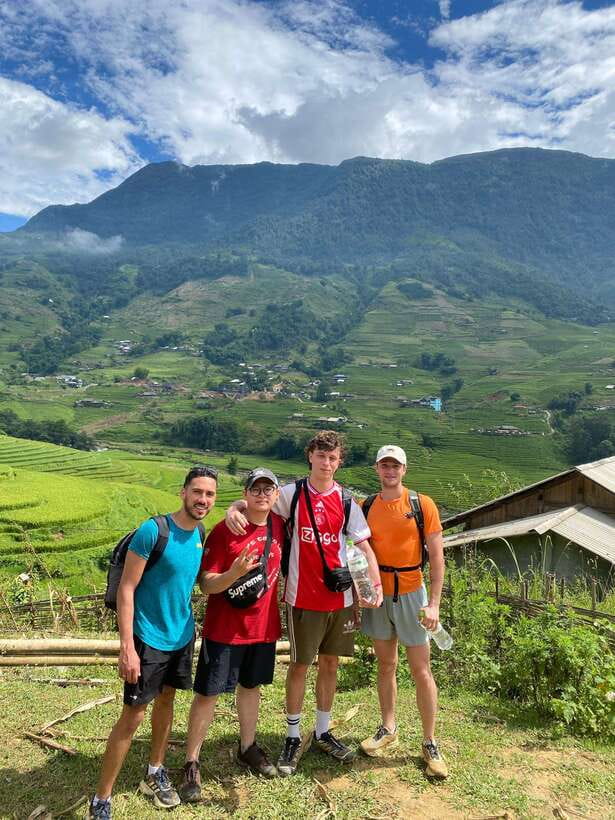
Day 2 is where you earn your altitude views. Breakfast starts around 07:00–08:00 at the hotel. Then you start a trek route that’s broken into clear chunks:
- 6 km trek to Y Linh Ho
- 3 km onward to Lao Chai
You’ll work up an appetite. Lunch is planned for around 12:00–12:30 in Ta Van village, which gives you a solid mid-day refuel before the homestay rhythm kicks in.
After lunch, you check in and rest. The afternoon is for visiting local villages at a comfortable pace, then you return to the homestay around 17:00. Dinner follows, and you sleep in Ta Van for the night.
The homestay format is part of the point. Expect a rustic, shared-vibe setup (dorm-style sleeping), not hotel comfort. Reviews and guides consistently emphasize that you’re fed well and welcomed warmly, and that the experience feels lived-in rather than staged. You may also spend time with the people who help run the day-to-day flow in the village, which is where you get the real context behind the outfits, routines, and trail stories.
A common practical note: if the weather is wet, the trails can get muddy. You’ll be glad you packed footwear that can handle sloppy ground. Some people suggest rain boots when conditions are damp.
Day 3: Giang Ta Chai and Supan, then back to Hanoi
The final day starts at the homestay with breakfast around 07:00. Then it’s village time early. You visit Giang Ta Chai village and Supan starting about 08:00–08:30. You’re not done yet though; the bigger trekking segment comes right after.
You’ll do an additional 8 km trek to Giang Ta Chai, associated with the Red Dao community. This is the day that tends to feel like your “main hike,” so pace yourself. Bring water, and keep a steady rhythm rather than sprinting up any steeper sections.
By 12:00, lunch and downtime at the homestay are scheduled. Then you shift from hiking to transport: around 14:00 you’ll be picked up by car to return to Sapa town. From there, the group boards the bus back to Hanoi at about 15:00–15:30, arriving in Hanoi around 21:00.
This timing is great if you want a full Sapa experience without losing two extra days to travel. It’s also a reminder that Sapa is “time-dense.” You’re always moving between physical effort, village contact, meals, and transport beats.
The guides: the reason this trek feels smooth
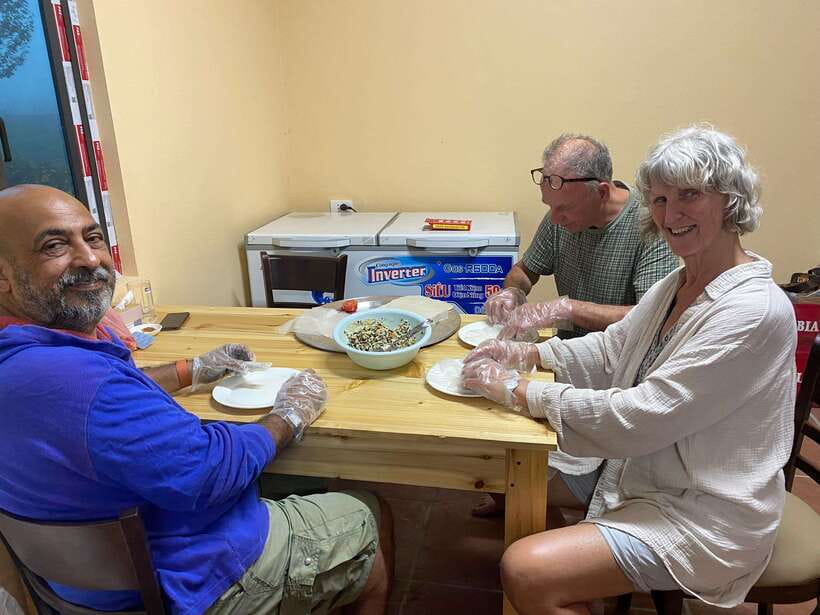
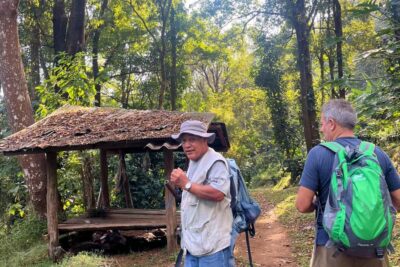
The biggest repeat praise for this kind of Sapa trek isn’t the views. It’s the person guiding you through them. In this program, you’re traveling with an English-speaking guide in the Sapa portion, and the difference shows fast: you’ll know what you’re looking at, and you’ll understand the “why” behind costume choices, farming areas, and village routines.
Names that come up frequently in this experience include Pang, Khu Ly, Peng, Phin, Thao thi sò, and Cha. Even when the names change, the pattern doesn’t: guides are local, so they’re comfortable on the trails and quick to explain how life works beyond the photo moments.
I also like that the guidance style is practical. You’re not just being shown a checklist. You’re getting real explanations while walking through places like Cat Cat’s historic site, or the village chain that connects Y Linh Ho → Lao Chai → Ta Van, or the Red Dao areas around Giang Ta Chai.
If you care about learning without sitting in a classroom, a strong guide is the best value you can buy in Sapa.


Comfort and reality checks: hotel basics, dorm nights, cold air
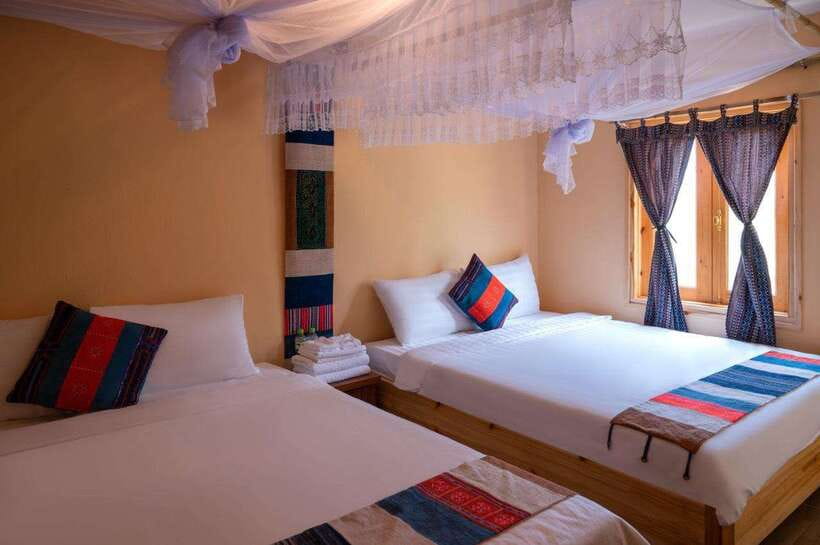
This experience includes two lodging types, and they’re not the same:
- Night 1 in Sapa town at a 3-star hotel, shared rooms (2 people per room)
- Night 2 in Ta Van at a homestay with dorm-style sleeping
The Sapa town hotel is described as clean and functional in typical cases, but don’t expect boutique luxury. A few people note minor issues like basic-room limitations, and some mention that Sapa hotel comfort can feel only okay.
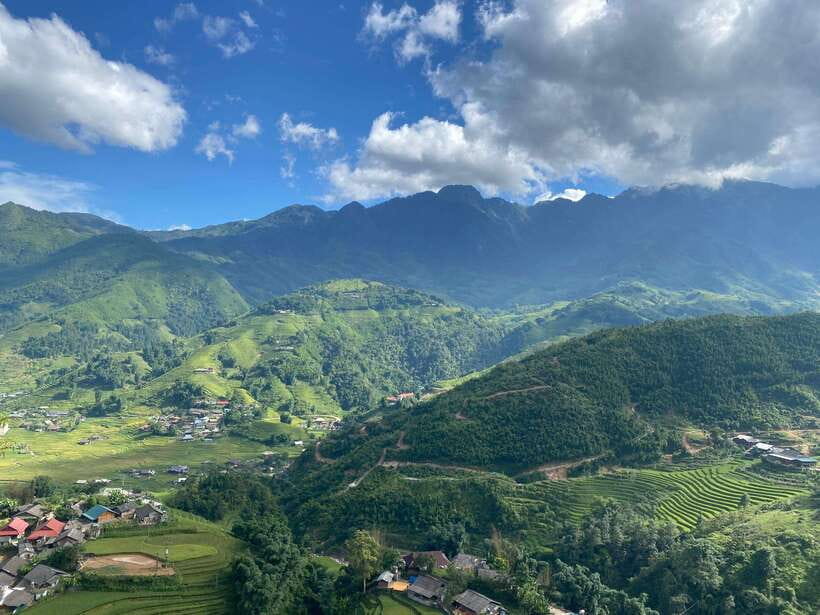
The homestay is where the vibe changes. It’s welcoming, with views and local energy, but it’s not a private resort. You’ll feel the backpack-style setup: shared sleeping arrangements, village routines, and a more rustic feel. That’s not a bug. It’s what makes this tour worth it for many people.
Weather is the other reality check. Sapa can be cool and misty, especially outside peak summer. Bring warm layers even if Hanoi feels hot. Also, heating may not be reliable in homestays, so think cozy, not just stylish.
Price and value: what $98 buys you in the mountains

At $98 per person, the value depends on how you compare it to DIY travel. Here’s what’s packaged in:
- Sleeper bus transport Hanoi ⇄ Sapa
- English-speaking guide service in Sapa
- 1 night in a 3-star shared hotel in Sapa town
- 1 night in a Ta Van homestay (dorm-style)
- Meals: 3 lunches, 2 dinners, 2 breakfasts
- Entrance tickets as needed for stops
When you price that out separately, you’re paying less for the logistics and more for the human side: a guide who can lead you along the right paths and explain village life. That’s the hidden part of “value.” Trekking in Sapa isn’t hard only because of distance. It’s hard to do well without local context.
Two cost notes to plan around:
- There’s a 40% public holiday surcharge during key holiday dates (especially Tet, and 29 April to 1 May).
- If you’re solo, there can be a single supplement of 400,000 VND unless the operator can match you with another solo traveler to share.
Who should book this Sapa trek
This tour fits best if you:
- Want a guided village trekking experience rather than DIY navigation
- Don’t mind group pacing
- Like the idea of one night in a Ta Van homestay even if it’s dorm-style
- Value English explanations and local guidance while walking
It might not fit if you:
- Want a private, slow, luxury-style hike
- Hate dorm sleeping or simple bathrooms
- Are extremely sensitive to long bus rides and early starts
That said, even people who found the first hotel basic usually felt the overall experience was worth it because the guides and village connections do the heavy lifting.
Should you book this 3-day Sapa Trek and Stay?
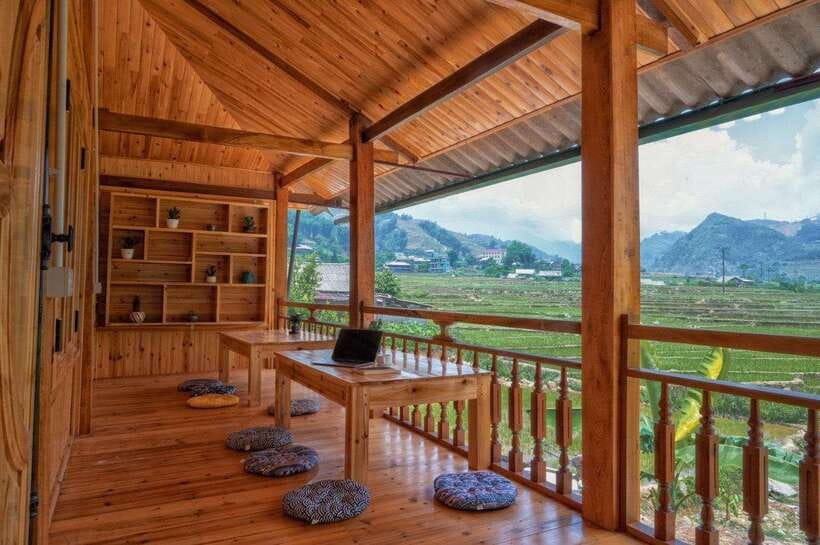
If you want the core Sapa experience in a tight time window, I’d say this is a solid pick. The route links the most meaningful areas you’d want to see without turning the trip into a logistics nightmare. You get guided explanations, real village contact, included meals, and a homestay night that actually feels like part of village life.
Just go in with the right expectations: the Sapa town hotel is practical, the homestay is rustic, and the bus ride is long. If you’re ready for that trade, you’ll come away feeling like Sapa is more than scenery.
If you want, tell me your travel month and your fitness level (easy walk vs. comfortable with hills). I can help you decide whether this exact trek length will feel fun or just exhausting.
FAQ
What is the tour duration?
The experience runs for 3 days.
Where does pickup happen in Hanoi?
Pickup is included from hotels in the Hanoi Old Quarter. If your hotel isn’t in the Old Quarter, you’ll need to go to 54 Hang Tre, Hoan Kiem, Hanoi.
What villages do you visit?
You’ll visit Cat Cat Village and Sin Chai on Day 1, then Y Linh Ho, Lao Chai, and Ta Van on Day 2. On Day 3, you visit Giang Ta Chai Village and Supan, then trek toward Giang Ta Chai (Red Dao).
How much trekking is involved?
The trek includes 6 km to Y Linh Ho plus 3 km to Lao Chai on Day 2, and an 8 km trek to Giang Ta Chai on Day 3.
What meals are included?
Meals included are 3 lunches, 2 dinners, and 2 breakfasts.
What kind of accommodation is provided?
You stay one night in a shared 3-star hotel in Sapa town (2 people per room) and one night in a Ta Van homestay in a dorm room.
Is there an English-speaking guide?
Yes. An English-speaking tour guide is provided during the Sapa portion of the trip.
What’s included in the transportation?
You get a sleeping bus ticket for Hanoi to Sapa and back, and it includes modern facilities on the bus.
Are there extra charges for holidays or solo travelers?
Yes. A 40% public holiday surcharge applies during certain periods, especially Tet (including 29 April to 1 May). Solo travelers may have a single supplement of 400,000 VND unless the operator can arrange sharing with another solo traveler.