REVIEW · HANOI
Hanoi – Sapa 2 Days 1 Night Overnight At Homestay
Book on Viator →Operated by Sapa May Travel · Bookable on Viator
Sapa feels like a different Vietnam than Hanoi. In just 2 days, this trip strings together village walks (Y Linh Ho, Lao Chai, Ta Van, Giang Ta Chai, Su Pan) and a real homestay night in Ta Van Village, plus a cooking class. I especially like how the meals and transfers are bundled, so you’re not constantly figuring out what comes next. One drawback: the timing is long on travel days, and the hike can be weather-dependent.
If you like small-group travel, you’ll feel the difference here: the group max is 12 travelers, with a local English-speaking guide on the walking portions. The pace is active, but it’s built for people who want authentic villages without adding extra logistics of your own.
In This Review
- Key Highlights at a Glance
- Entering Sapa’s Village World in Just 2 Days
- The $89 Value Check: What You’re Really Paying For
- Getting There and Back: Hanoi–Sapa Timing That Affects Your Energy
- Day 1: From Sapa Town to Muong Hoa Valley Villages
- Arrival, lunch, and where you drop your bags
- Leaving big luggage before the hike
- Muong Hoa valley trek: Y Linh Ho and the early village rhythm
- Lao Chai: timing for village time
- Ta Van Village homestay check-in and cooking class
- Day 2: Giang Ta Chai and Su Pan, Then Back to Sapa Town
- Breakfast and leaving the homestay
- Morning trek: Giang Ta Chai Village and Su Pan
- Lunch in Su Pan and a little rest
- Short free time in Sapa town
- Luggage, bus back, and arrival in Hanoi
- Guides, Group Size, and Why the Human Factor Matters
- Hiking and Weather Reality: Plan Like Sapa Is Sapa
- Meals, Homestay Night, and What This Means Day to Day
- Price and Expectations: Who This Tour Fits Best
- Should You Book This Sapa–Ta Van 2 Days 1 Night Tour?
- FAQ
- What is the duration of the Hanoi–Sapa tour?
- How much does the tour cost?
- Do you get round-trip transportation between Hanoi and Sapa?
- Where are you picked up in Hanoi?
- Where do you stay overnight in Sapa?
- What meals are included?
- Is there a cooking class?
- Is the hike suitable for all fitness levels?
- Are drinks included?
Key Highlights at a Glance
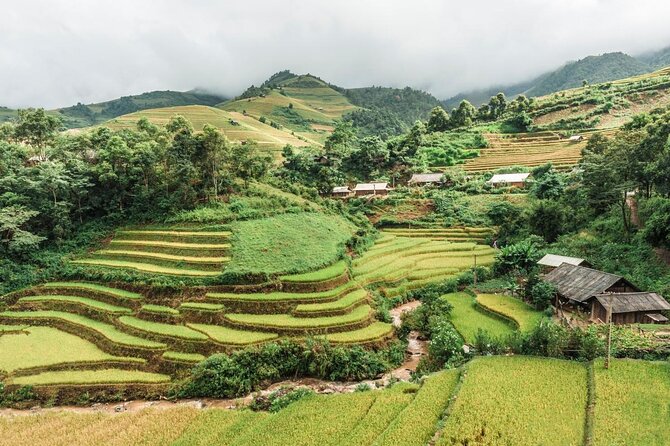
- Ta Van homestay night in a private room, with a included cooking class
- Small-group size (max 12) for easier hiking and a more personal feel
- Four included meals across both days, so your budget stays predictable
- Multiple village stops: Y Linh Ho, Lao Chai, Ta Van, Giang Ta Chai, Su Pan
- VIP cabin Hanoi–Sapa–Hanoi transport, plus hotel/bus-station transfers
- Full-day trekking loop in short bursts, not one giant all-day slog
Entering Sapa’s Village World in Just 2 Days
This is the kind of Sapa trip that works because it’s time-smart. You start with a morning shuttle from the Hanoi Old Quarter, then you move into the mountains early enough to spend daylight walking and exploring. The payoff is simple: you get village life and mountain views without needing a full multi-day trek.
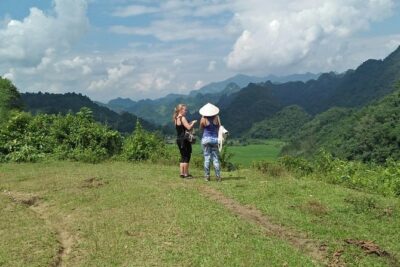
On Day 1, you walk from the Muong Hoa valley area toward Y Linh Ho, then continue to Lao Chai, and finish by settling into Ta Van Village. On Day 2, you hike again to Giang Ta Chai Village and Su Pan, then you return to Sapa town for a short window of free time.
The walking is the heart of the experience. If you’re hoping for a lot of downtime, this won’t be that. If you want to see rural routines, meet your guide in the villages, and come home with photos you actually want to look at later, this format is well built.
You can also read our reviews of more tours and experiences in Hanoi.


The $89 Value Check: What You’re Really Paying For
At $89 per person, the value comes from bundling the things that usually add up fast: round-trip VIP cabin transport, transfers, a private room homestay, a local English-speaking guide for the trekking sections, and four meals (two lunches, one dinner, one breakfast) plus a cooking class.
What matters most is that you’re not paying extra at every step. You still need to cover drinks and personal spending, and there’s no guide on the bus rides either way. But compared with piecing together Sapa transportation, hiring a guide separately, and arranging homestay and meals on your own, this package is designed to be budget-friendly.
It also helps that the group size is limited. For a tour at this price point, max 12 travelers makes the hike feel less like a conveyor belt.
Getting There and Back: Hanoi–Sapa Timing That Affects Your Energy
The day starts early. You’ll be picked up around 06h15–06h30 from Hanoi Old Quarter hotels, then transferred to a meeting point before getting on the big bus to Sapa.
On the return, the schedule is long: you’ll get back around 22h00–22h30 in Hanoi and then handle the last step to your hotel on your own. That matters because it turns this into a full travel day, even though your hiking is only two days.
One practical note: the transport is listed as VIP cabin bus with a sleeper-style setup, and past groups report about 6 hours each way with two bathroom breaks. So pack snacks you can handle, bring water if you prefer it (drinks aren’t included), and plan to treat the bus ride as part of the itinerary, not something you’ll mentally ignore.
Day 1: From Sapa Town to Muong Hoa Valley Villages

Arrival, lunch, and where you drop your bags
You arrive in Sapa around 13h00–13h30, then transfer to your hotel for lunch. The included hotel name is Sapa Retreat Condotel, and lunch is at the hotel restaurant.
This matters because it prevents the classic problem: arriving in Sapa hungry and disorganized. You eat first, then start the walk when your energy is still decent.



Leaving big luggage before the hike
Before hiking, you’ll leave your big luggage at the hotel lounge area. That keeps your trek manageable. For a two-day trip, this is a big deal: you don’t want to be carrying extra bags for hours just to walk to the first village.
Muong Hoa valley trek: Y Linh Ho and the early village rhythm
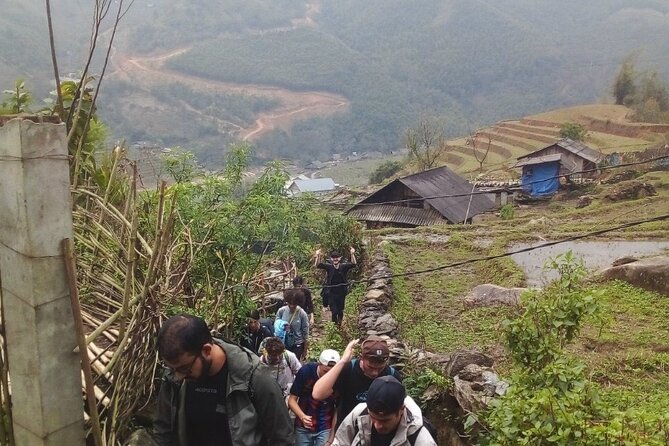
The first walking block runs from about 14h30, and the route heads along the slopes of Muong Hoa valley toward Y Linh Ho. The trek is listed as about 5 km, with a general 2-hour duration.
Even if you only think of this as the start of a longer day, it’s also your “warm-up” section. You’ll ease into the rhythm of village paths, meet your guide on the ground, and see how the scenery shifts as you leave the town behind.
Lao Chai: timing for village time
Around 16h00, you reach Lao Chai, a commune of Sa Pa about 8 km from town. You’ll have about 1.5 hours there.
This stop is valuable because Lao Chai is one of those places where a quick look isn’t enough. You get a real chunk of time to slow down, walk the village lanes with your guide, and understand how daily life fits into the terrain.
Ta Van Village homestay check-in and cooking class
By 17h30, you arrive in Ta Van Village, then check in to your homestay. The format here is a private room at the homestay, and you get an included cooking class.
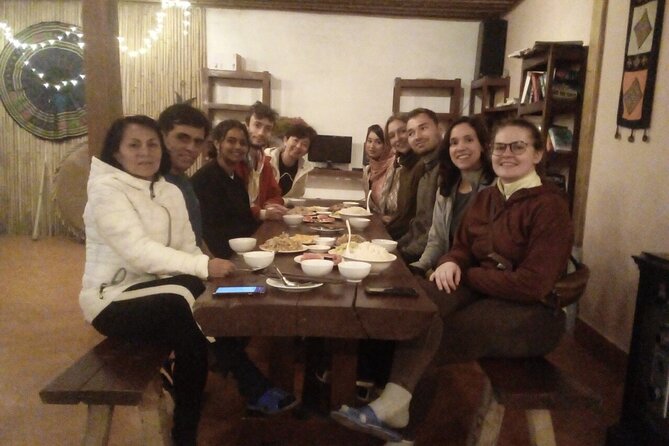
This is one of my favorite parts of the trip design: you hike in the afternoon, then you switch from outdoor mode to home-kitchen mode. If the weather turns, the cooking class gives you a structured indoor activity while you’re still in the village community setting.
In real life, the quality often comes from the people teaching you. Some groups have had guides/hosts such as Sue or Mao, who share personal stories about home village life and traditional practices. You might not get the same person, but it’s clear the tour works hard to connect the cooking to real community knowledge, not just a demo.
Day 2: Giang Ta Chai and Su Pan, Then Back to Sapa Town
Breakfast and leaving the homestay
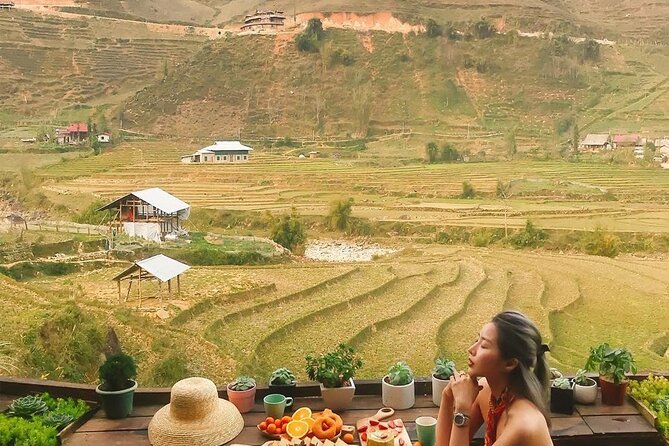
You’ll have breakfast at the homestay between 07h00–08h30, then check out and head back into trekking mode.
This timing is helpful because it prevents the “ghost morning” feeling where you’re up early with no structure. You eat, you prepare, and you move on.
Morning trek: Giang Ta Chai Village and Su Pan
At 09h00, your local guide takes you on an 8 km trek to Giang Ta Chai Village and Su Pan, listed as about 5 hours.
This second day is where your legs get their second test. If your Day 1 hike already felt long, pace yourself on the first hour of Day 2. The goal isn’t speed. It’s steady walking so you can enjoy the village parts when you arrive.
Lunch in Su Pan and a little rest
Around 12h30, you reach Su Pan. Lunch is included at a local restaurant, and you also get a short rest break.
This is a practical inclusion. People underestimate how much “just eating and sitting” can change your energy for the last stretch of the day, especially after an 8 km morning trek.
Short free time in Sapa town
Then it’s back to Sapa town around 13h30, with about 1.5 hours to explore freely.
This isn’t a full town tour, so think of it as time to orient yourself and do light shopping or photos if you want them. If you’re a museum-and-cafés person, you may wish you had more time here. If you’re more into markets and local streets, this window can be enough.
Luggage, bus back, and arrival in Hanoi
You’ll return to the hotel around 15h15 to prepare your luggage before boarding. The bus ride runs from about 15h30–16h00 departure, arriving in Hanoi around 22h00–22h30.
Because the back-to-Hanoi portion is late, plan for a simple dinner near your hotel rather than trying to fit in extra activities that evening.
Guides, Group Size, and Why the Human Factor Matters
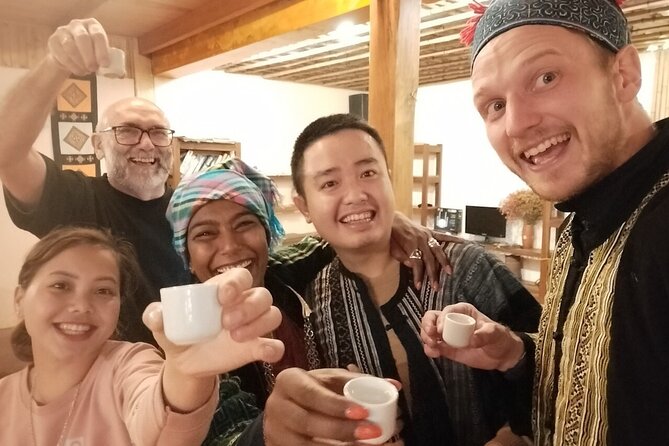
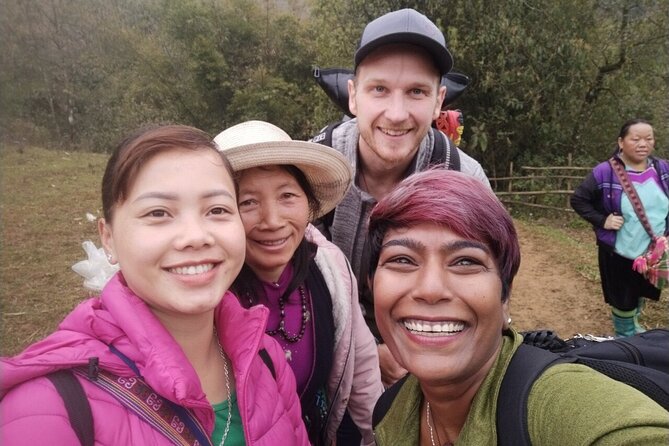
This tour is built around a local English-speaking guide for the walking sections. That matters because village walks can be confusing when you don’t know what you’re seeing. A guide helps you connect what you notice—paths, fields, housing styles, daily work—to the life behind the views.
The group size cap of 12 travelers is another advantage. It keeps the hiking sections from feeling like a stampede. It also makes it easier for your guide to manage questions and keep the timing workable.
If you care about cultural explanation, pay attention during the cooking class too. In the experiences shared by other visitors, guides and hosts have been genuinely warm and willing to talk about daily routines and village traditions. That kind of conversation is where the “why this matters” part usually lands.
Hiking and Weather Reality: Plan Like Sapa Is Sapa
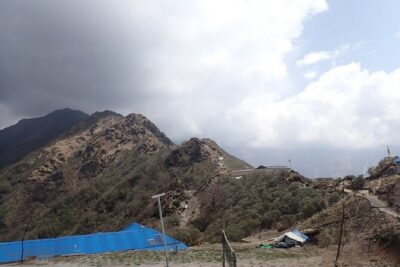
Sapa weather can change fast. The trip involves trekking multiple days, and conditions can vary widely. If you’ve ever walked in foggy hills or after rain, you already know what to expect: slippery patches, reduced visibility, and a slower pace.
You should come with strong physical fitness for a guided hike that includes several village-to-village segments. Also pack for layers. Even if the day starts mild, temperatures in the hills can feel different than the town.
Most importantly: treat the hikes as the main event, and keep expectations flexible. Even when visibility isn’t perfect, village time and the homestay experience still deliver.
Meals, Homestay Night, and What This Means Day to Day
This package includes four meals: two lunches, one dinner, and breakfast. That’s good value, because meal planning in rural areas can be expensive or unpredictable without guidance.
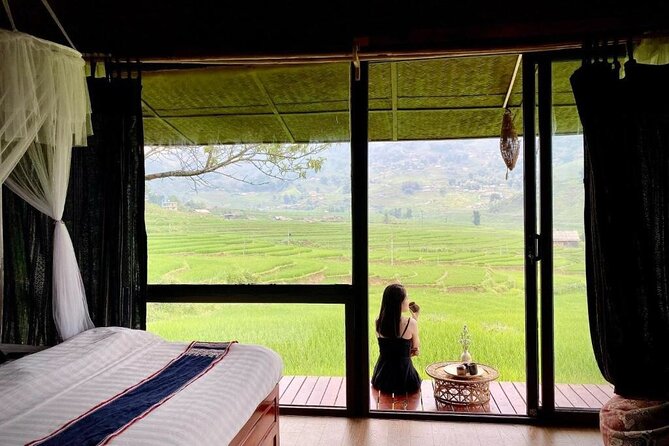
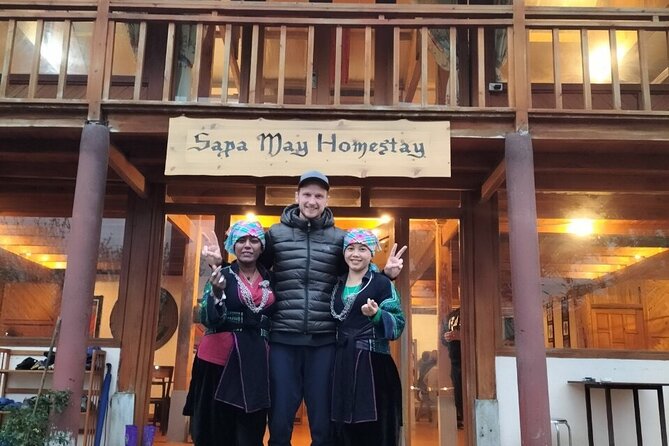
Your overnight is a private room at a homestay in Ta Van Village. That’s not a resort setup. It’s more about community life and being part of the village day-to-day. If you want a simple bed, a chance to reset your body, and a cultural exchange in a real home setting, this fits well.
The cooking class is included and tends to be the moment when the experience stops being only about walking. You learn how food is prepared and why it fits the local routine.
Price and Expectations: Who This Tour Fits Best
I think this tour is a strong match if you:
- Want two days of guided village hiking without planning each segment yourself
- Prefer a small group (max 12) over a huge bus-and-trail crowd
- Are excited by homestays and a cooking class tied to village life
- Like guided explanation during hikes so you get more meaning than just photos
It may not be ideal if you:
- Hate long travel days and late returns
- Want a lot of free time or a lighter itinerary
- Need guaranteed perfect weather views (Sapa doesn’t do guarantees)
Should You Book This Sapa–Ta Van 2 Days 1 Night Tour?
Yes—if your priority is village hiking, a real Ta Van homestay night, and included meals that keep the budget simple. The combination of VIP cabin transport, local guide support, and a cooking class makes it feel like a complete package rather than a “hike with extras.”
If you’re sensitive to timing or weather, just go in prepared: expect a long day on the bus, bring layers and grippy footwear, and treat the hikes as the main event. Do that, and this is a very solid way to experience Sapa beyond the town.
FAQ
What is the duration of the Hanoi–Sapa tour?
The tour runs for about 2 days (2 days 1 night).
How much does the tour cost?
The price is $89.00 per person.
Do you get round-trip transportation between Hanoi and Sapa?
Yes. It includes 2-way VIP cabin bus from Hanoi to Sapa and back, plus transfers on the Sapa side.
Where are you picked up in Hanoi?
Pickup is offered from any hotels in the Hanoi Old Quarter, followed by a shuttle to the meeting point at Hà Nội Văn phòng Xe G8 Open Tour, Ly Thai To, Hoàn Kiếm, Hanoi.
Where do you stay overnight in Sapa?
You stay in a private room at a homestay in Ta Van Village.
What meals are included?
The tour includes breakfast x1, lunch x2, and dinner x1, for a total of four meals.
Is there a cooking class?
Yes. A cooking class is included during the homestay experience.
Is the hike suitable for all fitness levels?
The tour notes that travelers should have a strong physical fitness level. You should be ready for trekking on the village routes.
Are drinks included?
No. Drinks are not included.