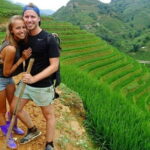
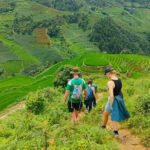
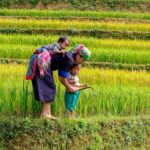
One night in the mountains changes your pace. This 2-day, 1-night Sapa tribal trek pairs rice terraces and river trails with an overnight stay that feels more human than hotel-tour. You also get a private, English-speaking native guide who helps you follow quieter paths and understand what you’re seeing.
What I really like is how personal the guiding feels, especially with guides such as Giang and Xa, who explain village life, rice fields, and local culture with clear context. I also appreciate that the homestay setup includes practical comforts like hot showers and wifi, while still keeping the real stay-the-night vibe with your host family around a fire.
The one thing to consider is fitness. This is a moderate trek, so if your hiking days are usually short and easy, you’ll want to pace yourself and choose the easier option your guide offers.
In This Review
- Key highlights you’ll care about
- Why this Sapa trek feels less like a tour and more like a visit
- Meeting in Sapa at 9:00: how pickup and starting point work
- Day 1: rice terraces, Muonh Hoa Stream, and a Black Hmong village stop
- Overnight homestay: wifi, hot showers, and real conversations
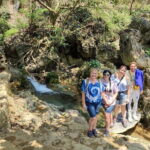
- Day 2: breakfast at 8:00, Ta Van bamboo forests, waterfalls, and Zay tribe contact
- Price and value: what $105 gets you (and what it does not)
- Who should book this Sapa tribal trekking experience
- Weather matters more than you think in Sapa trekking
- Should you book Sapa Tribal Trekking for 2 days and 1 night?
- FAQ
- What time does the trek start in Sapa?
- Is there pickup available?
- What does an overnight stay include?
- What happens on Day 2?
- How would you describe the fitness level needed?
- What if weather is bad?
Key highlights you’ll care about
- Private, English-speaking native guide who can tailor the pace (easy, medium, hard options are offered)
- Homestay night with hot showers and wifi, plus time to chat with your host family around an open fire
- Day 1 river-and-terrace hiking along Muonh Hoa Stream and into a Black Hmong village
- Day 2 Ta Van route through bamboo forests, then waterfalls, and time with the Zay tribe
- Food included at breakfast and lunch during the active days
- Focused routes that try to avoid common tourist paths unless you request otherwise
Why this Sapa trek feels less like a tour and more like a visit
Sapa trekking can go two ways: either you’re shuffled along the same trail as everyone else, or you get time to notice details. This experience leans hard toward the second option. You’ll hike with a private guide and get enough control to take the day at your pace.
The standout for me is the combination of structure and flexibility. You start with a clear plan each day, but your guide can steer you through choices on the trail. In the past, guides like Giang have been praised for giving multiple difficulty options based on how tired you feel, which is exactly what you want when your group includes a mix of walkers.
And then there’s the home part. The overnight isn’t just a bed in a guesthouse. You’ll spend time with the family, talk with them, and get a slower rhythm than a quick photo stop.
You can also read our reviews of more tours and experiences in Hanoi.
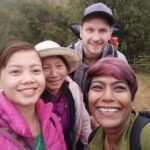
Meeting in Sapa at 9:00: how pickup and starting point work
The trek starts at 9:00 a.m. in Sapa. You meet at 690 Đường Điện Biên Phủ, TT. Sa Pa, Sa Pa, Lào Cai, Vietnam, and the activity ends back at the same meeting point.
If you’re already staying nearby, pickup is offered so you can start from your homestay or hotel. If you’re coming in by train, you can also arrange to meet your guide from Lao Cai train station, which is the closest station to Sapa. That matters because it prevents the common headache of arriving late, hunting for the right bus, or losing the first part of your day.
This is also set up as a private tour/activity, so only your group participates. That’s a quiet quality-of-life upgrade if you like your conversations to stay personal and not diluted into a big group dynamic.
Day 1: rice terraces, Muonh Hoa Stream, and a Black Hmong village stop
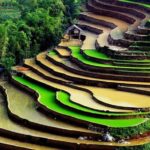
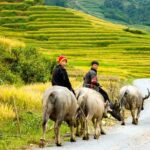
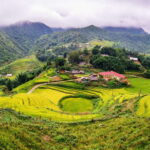
Day 1 kicks off at 9:00 a.m., and the first big reward is scenery with structure. You’ll move through rice terraces and follow the Muonh Hoa Stream route. That’s a good start because it’s both scenic and gradual, giving your legs time to wake up without an aggressive climb on day one.
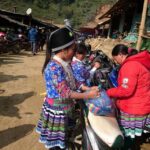
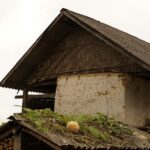
The trek then takes you into a Black Hmong village of La (spelled as shown in the tour details). This is where the guide’s role gets practical. A guide like Giang has been praised for linking what you see—crops, village life, and local history—to what it means for the people living there. So instead of just looking at homes or terraces, you get a framework for understanding the day-to-day rhythm.
Two other details worth noting:
- Your guide is there to choose a quieter route when possible, which often means fewer interruptions for photos and fewer crowds in your walking time.
- You’ll be trekking in a way that’s described as short and easy to explore compared with longer, harder options. That doesn’t remove the need to walk, but it keeps the day from feeling like a forced endurance contest.
Overnight homestay: wifi, hot showers, and real conversations
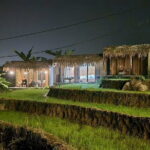
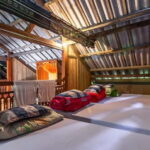
The best part of a trek like this is often the night, and this one is built for it. After your day hiking, you’ll stay in a homestay arrangement. You can expect options including wifi and hot showers, which makes a big difference if you want to stay connected or just avoid the discomfort of a very basic setup.
You can also choose to stay in a local house with a local family instead of the homestay model. Either way, the goal is the same: you’re not just passing through scenery. You’re sharing time with people who live there.
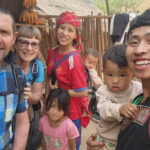
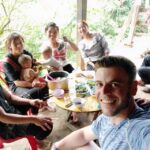
One of the more memorable elements is how the evening is structured around connection. You’ll huddle around an open fire, chat with your host family, and learn about life from their point of view. That kind of time helps you understand the area beyond the walking route. Even if your Vietnamese is limited, the conversation isn’t about perfect language. It’s about curiosity and listening.
And because the schedule includes those comforts (wifi, hot shower), you don’t have to choose between an authentic night and basic livability.
Day 2: breakfast at 8:00, Ta Van bamboo forests, waterfalls, and Zay tribe contact
Day 2 begins with breakfast at 8:00 a.m. Then you pack up and say goodbye to your host family. This is a normal flow for homestay treks, but it still lands emotionally. You’ll likely feel like you’re leaving friends you’ve known for a short time, which is exactly why these stays work.
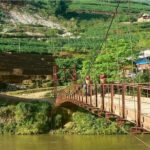
Next, you trek to Ta Van Village. The route includes exploring beautiful bamboo forests, which is a nice change from rice terraces. Bamboo gives a different sense of movement and sound, and it often makes the walking feel calmer than the more open terrace areas.
From there, you’ll trek through waterfalls and have the chance to meet the Zay tribe. This is the second cultural anchor of the trip: not just watching from afar, but getting direct contact during the walk’s natural rhythm.
There’s also an easy-to-underestimate benefit here. Because you’re walking from place to place, your guide can time explanations when you’re actually seeing the context. That’s how you end up feeling like you learned something practical, not just heard a speech.
Lunch is enjoyed in the early afternoon, and then the activity ends back at the meeting point in Sapa.

Price and value: what $105 gets you (and what it does not)
At $105 per person, this trek is positioned as a guided, two-day, one-night cultural hike with lodging and two meals. For many travelers, that price feels fair because you’re not just paying for a route on a map—you’re paying for:
- A private English-speaking guide (and guide-level flexibility on difficulty)
- A full overnight stay with homestay arrangements
- Breakfast and lunch built into the timing
- A route that tries to avoid common tourist paths when possible
What you should treat as optional or separate is anything not explicitly included in the schedule or listed features. The details you do have focus on active-day meals and the homestay night, not extra add-ons like personal transport from distant parts of Hanoi.
Also, keep expectations realistic. This is not a luxury spa weekend. It’s a cultural trek experience where comfort is improved compared with the most basic trekking setups, but it’s still a mountain village sleep.
Still, if you want authenticity without going fully “rough it,” this package hits a nice balance.
Who should book this Sapa tribal trekking experience
This is a strong fit if you:
- Want a private guide with good English and local context
- Prefer rural paths over the busiest, most predictable routes
- Like the idea of staying with a family and spending time together after hiking
- Have at least moderate fitness and can handle a two-day walking schedule
It’s also a great choice if you’re traveling as a couple, a small group, or friends who want their own pace. The private setup helps, and the guides’ ability to offer easy/medium/hard variations is especially helpful when you’re not all at the same fitness level.
If you’re expecting a fully flat walk, or you want a “look, take a photo, leave in 10 minutes” itinerary, this isn’t that. The value here comes from time on foot and time at the homestay.
Weather matters more than you think in Sapa trekking
The experience depends on good weather. That’s not just a line in the fine print. In a place with waterfalls and streams, bad weather can change what’s safe or comfortable on the route. The good news is that if it’s canceled due to poor weather, you’ll be offered a different date or a full refund.
If you’re planning around tight timelines, try to build in a little flexibility so you’re not forced to accept a weather-based reschedule that breaks your bigger plan.
Should you book Sapa Tribal Trekking for 2 days and 1 night?
I’d book this if your priority is a real meeting with Sapa village life, not just a checklist of views. The biggest selling points for me are the private English-speaking guides (including standout reputations like Giang and Xa), the warm homestay night with hot showers and wifi, and the day-to-day structure that takes you through rice terraces, Ta Van bamboo forests, waterfalls, and into contact with the Zay tribe.
If you’re very sensitive to walking time or you’re not comfortable with a moderate trek, pause and choose your pace carefully before committing. But if you can walk and you want your trip to feel personal, this is exactly the style of experience that turns into a lasting story.
FAQ
What time does the trek start in Sapa?
The activity starts at 9:00 a.m. The meeting point is 690 Đường Điện Biên Phủ, TT. Sa Pa, Sa Pa, Lào Cai, Vietnam.
Is there pickup available?
Yes. Pickup is offered, and you can meet your guide at your homestay or hotel in Sapa, or at Lao Cai train station (the closest station to Sapa).
What does an overnight stay include?
You will stay in a homestay with options such as wifi and hot showers, or you can choose to stay in a local house with a local family.
What happens on Day 2?
Day 2 includes breakfast at 8:00 a.m., a trek to Ta Van Village, time exploring bamboo forests, trekking through waterfalls, meeting the Zay tribe, and enjoying lunch in the early afternoon before returning to the meeting point.
How would you describe the fitness level needed?
This trek is for people with a moderate physical fitness level. If you have any medical problems, you should consult your doctor before booking.
What if weather is bad?
This experience requires good weather. If it’s canceled due to poor weather, you’ll be offered a different date or a full refund.