REVIEW · KATHMANDU
14 Days Private Tour Everest Base Camp Trek
Book on Viator →Operated by Nepal Mountain Adventure · Bookable on Viator
Everest Base Camp is the kind of trip that sticks with you. This private 14-day trek from Kathmandu to Everest Base Camp is built around one big thing: getting you high, safely, and with enough structure to handle the tough days. I like the way the route mixes classic highlights with smart acclimatization breaks instead of rushing.
Two standout bonuses for me are the included logistics and the team setup. You get door-to-door airport transfers in Kathmandu, Kathmandu–Lukla round-trip flights, national park/permit handling, and a guide+porter arrangement that’s designed to keep you trekking instead of managing everything. The other big win is the human factor: the guide and porter support is repeatedly praised in the feedback I saw, with names like Tek, Dil, Ram, Som, and Mingmar showing up as the kind of people who keep the mood up and the pace realistic.
One drawback to plan for: this is still an altitude-heavy grind. Even with acclimatization days, you’ll be making long hiking days, sleeping at altitude, and dealing with cold and thin air—so you need solid fitness and patience with your own body.
In This Review
- Key things that matter on this Everest Base Camp plan
- Entering the trek: the Kathmandu Thamel start that sets your tone
- Kathmandu to Lukla: the short flight that changes everything
- Lukla to Namche Bazaar: bridges, checkpoints, and that first Everest angle
- The Namche rest day: how acclimatization actually works on a real schedule
- Tengboche and the monastery stop: culture and calm in the middle of altitude work
- Dingboche and Nangkartsang: your second acclimatization push that actually earns its place
- Lobuche Pass, Everest Memorial, and the road toward base camp
- Kala Patthar sunrise: the day you earn the clearest Everest view
- The return loop: Namche and Tengboche on the way back down
- Price and logistics: what you’re paying for, and what you still handle yourself
- Guide and porter setup: why it shows up again and again in the feedback
- Quick reality check: who this trek fits best
- Should you book this Everest Base Camp private tour?
- FAQ
- Are flights between Kathmandu and Lukla included?
- What part of the trek includes acclimatization time?
- What permits and fees are included?
- Who carries the gear, and is porter support included?
- What medical and safety gear is included?
- What if weather forces cancellation?
Key things that matter on this Everest Base Camp plan
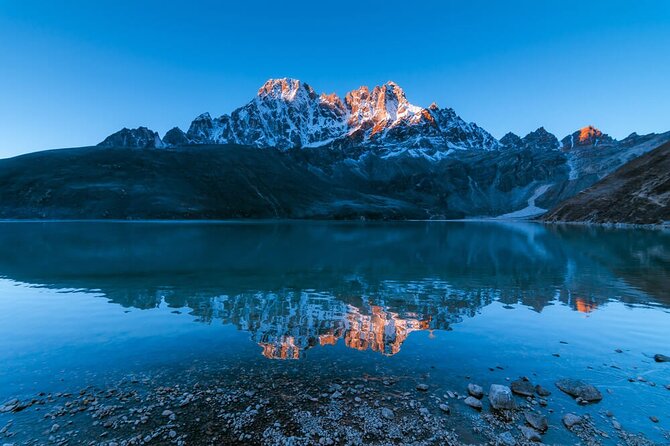
- Private group, private pacing: Only your group participates, so you’re not stuck behind random speeds.
- Smart acclimatization built in: Namche Bazaar includes a rest day, plus a second acclimatization hike via Nangkartsang Peak above Dingboche.
- Licensed guide and strong porter support: You’re guided by a government licensed holder, and porters carry gear using a 2:1 method (one porter for two members’ bags).
- Altitude monitoring included: A first aid kit is included with an oximeter and pulse meter checker.
- Classic cultural stops are part of the trek: Tengboche monastery is a scheduled highlight, not a random detour.
- The price covers the hard-to-organize parts: Flights KTM–Lukla, permits/fees, standard tea house trekking stays, and Kathmandu hotel nights with breakfast are included.
Entering the trek: the Kathmandu Thamel start that sets your tone
Most Everest trips rise or fall on the first 24 hours, and this one starts with a calm landing. When you arrive at Tribhuvan Airport, a representative meets you and moves you to a pre-arranged hotel in Thamel, the hub where trekkers actually compare notes over tea.
Before you sleep, you’ll get a quick meeting focused on trekking and prep. That matters more than it sounds. In a trip like this, you’ll do better if you understand the big basics early: what to expect from altitude, why slow walking helps, and what kind of discomfort is normal versus a warning sign.
You also get three nights in Kathmandu with breakfast, plus a welcome and farewell cultural dinner. I like that because it gives you a soft landing before you vanish into the mountains.
You can also read our reviews of more tours and experiences in Kathmandu.
Kathmandu to Lukla: the short flight that changes everything
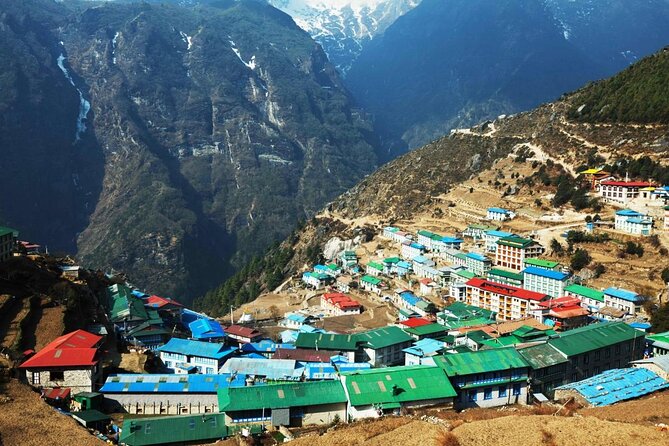
Day 2 is where the trip starts feeling real. Early on, you head from Kathmandu to the airport and fly to Lukla. The flight is short, but it’s famous for the views—Kathmandu valley from above, then a growing wall of Himalayan ridgelines as you approach Lukla.
Once you land, you begin the first trek segment to Phakding. The hike is described as straightforward, starting with a rocky downhill before you work your way toward Cheplung and the Dudh Koshi River edge. Then it’s uphill into Phakding.
This first hiking day is about rhythm, not heroics. You’re building the habit of stepping consistently, not sprinting uphill. If you treat Day 2 as a warm-up, the later altitude days feel more manageable.
Lukla to Namche Bazaar: bridges, checkpoints, and that first Everest angle
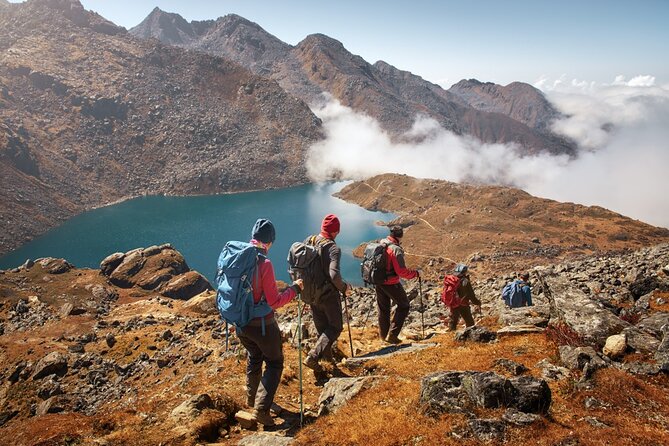
The route from Phakding to Namche Bazaar is classic Khumbu trekking. You cross rivers and valleys using suspension bridges, which makes the day both fun and mentally active—you’re constantly turning your head to keep balance and line up your next steps.
Along the way, you pass through Benkar, and Mt. Thamserku’s sight is called out as a standout moment. You’ll also reach the Sagarmatha National Park checkpoint, where your permits are handled with guide support.
When you finally enter Namche, you’re not just arriving at a town. You’re stepping into the main trading center of the Khumbu region—busy, practical, and full of trekking history. This is where you’ll get used to the idea that you’re living at altitude, not just visiting it.
The Namche rest day: how acclimatization actually works on a real schedule
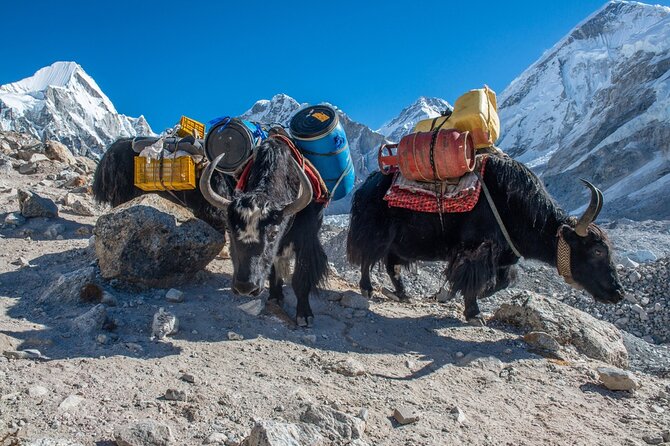
Day 4 is your acclimatization day in Namche Bazaar. This is one of the most important pieces in the entire plan. It’s not a random free day. It’s there because altitude sickness is a real risk as elevation climbs, and your body needs time to adjust.
You don’t do a huge new summit push here. Instead, you get time to settle, breathe, hydrate, and move gently. In practical terms, this kind of rest day helps you avoid the all-too-common mistake of feeling fine on Day 3, then paying for it on Day 5.
If you’re thinking about skipping rest days on principle, this is the part where I’d urge you to follow the plan. On Everest routes, the schedule is part of the safety system.
Tengboche and the monastery stop: culture and calm in the middle of altitude work
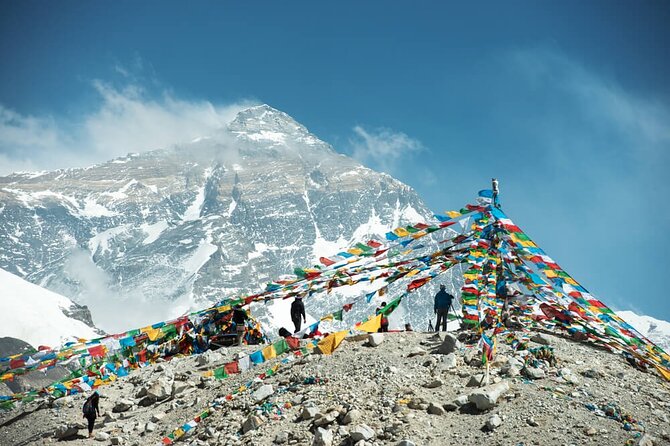
From Namche to Tengboche, the trek is described as challenging with irregular terrain and high elevation after an initial dip. You pass Kyanjum and enter a rhododendron forest, then descend to the Phungi Thenga River banks.
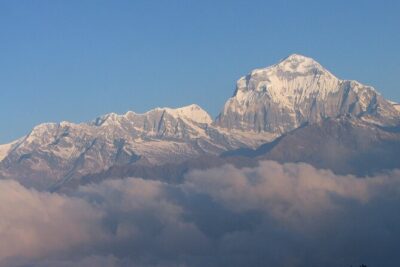
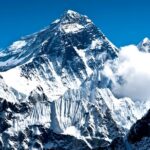
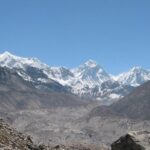
The key reward is big mountain visibility—Everest, Nuptse, Lhotse, and Ama Dablam show up along the way. That’s a common Everest expectation, but the way this trek treats it helps: you get those views as you work through real trail, not as a staged postcard moment.
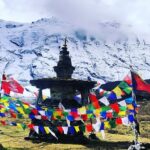
Tengboche includes the monastery, and it’s specifically mentioned as the largest Tibetan Buddhist gompa in the Khumbu region. You can visit and soak in the quiet. For me, that balance is crucial. When you’re hiking hard every day, having one calm, cultural stop helps your mind keep pace with your legs.
Dingboche and Nangkartsang: your second acclimatization push that actually earns its place
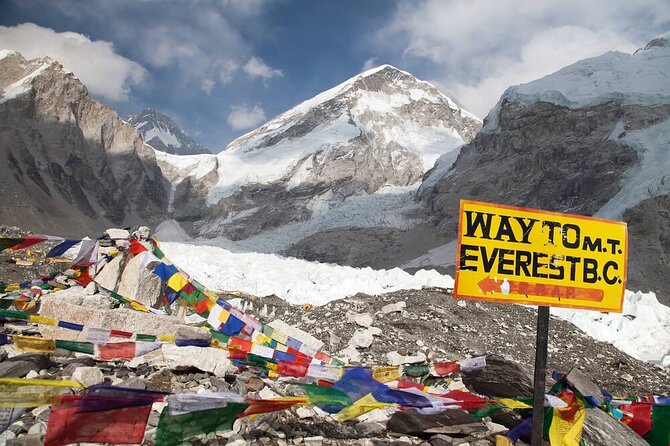
Day 6 takes you to Dingboche, and it’s another scenic-and-demanding segment. The trek passes glaciers and snowy mountain country, with a route that includes a descent toward Deboche village, a stone-carved wall, then a suspension bridge into the other side of the valley.
Ama Dablam can be seen up close around here. That’s not just impressive—it gives you a strong sense of scale. You’re not just walking toward an idea of Everest. You’re surrounded by the real thing.
Day 7 is the second acclimatization day. You hike up to Nangkartsang Peak above Dingboche. This one divides the valleys (Imja valley toward Chukkung on one side, Lobuche valley toward the other), and the views of peaks like Lhotse, Makalu, Cho Oyu, and Ama Dablam are part of the payoff.
You go up, you take the view, and then you return to Dingboche on the same trail. That “go high, come back” pattern is a smart way to acclimatize without turning the day into an all-out summit attempt.
Lobuche Pass, Everest Memorial, and the road toward base camp
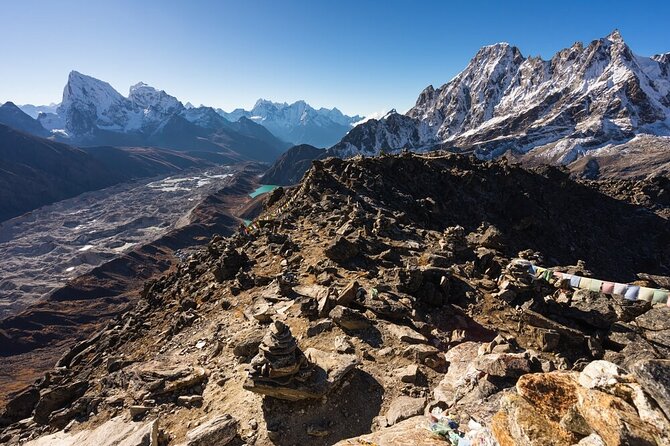
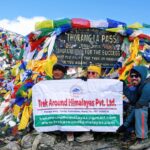
Day 8 moves to Lobuche, and the plan calls out that this day is a bit difficult. You climb to a moraine, hike toward Pheriche, then cross Thukla. After a long ascent, you reach Everest Memorial and the Khumbu glacier area, then continue on to Lobuche.
That memorial stop is meaningful. It’s constructed in memory of climbers who died while attempting to reach Everest’s summit. Even if you’re only trekking to base camp, it puts the whole mountain story into context fast.
On Day 9, you push onward toward Everest Base Camp, building higher as you go. The route is described as a gradual climb with less steep slopes, and it includes two segments: one to Gorakshep (the trek’s highest elevation and a single-village stop) and another path leading toward base camp.
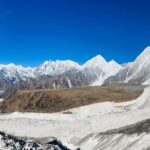
You’ll hike across Lobuche Pass to reach Gorakshep, and the trail includes time beside the Khumbu glacier. The plan also suggests you may be able to view the summit of Mt. Everest as you continue. That’s the kind of moment that makes all the earlier slow days feel worth it.
Kala Patthar sunrise: the day you earn the clearest Everest view
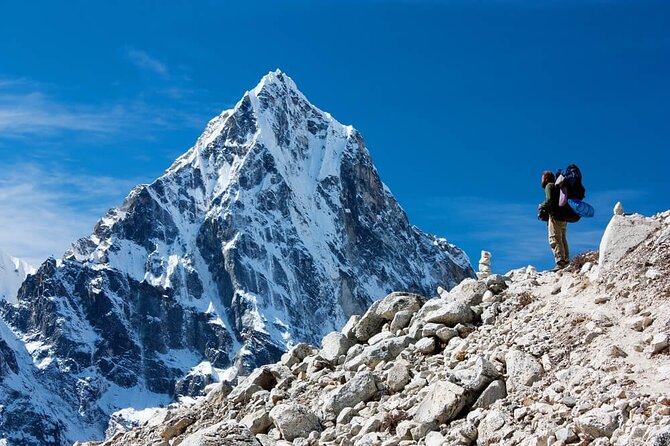
Day 10 is early. You head out in the early hours to catch sunrise from Kala Patthar. This is one of the most iconic parts of the Everest trek experience because sunrise often brings the clearest views, and you’re walking through thin air to get there.
The route to Kala Patthar is described as simple to follow, but the trail itself is still difficult. Once you arrive, the feeling is very direct: standing beneath the world’s highest mountain and taking in the pristine Himalayas is the point of the day.
Then you return along the same route, trek back down to Gorakshep for breakfast, and continue on to Pheriche. I like that the plan doesn’t leave you stranded at the top. It gives you a structured descent day, which matters because you’ll likely feel both energized and tired by the time sunrise passes.
The return loop: Namche and Tengboche on the way back down
The return is not a victory lap. It’s still work, just in reverse. Day 11 takes you from Pheriche to Namche Bazaar. The route goes via Pangboche and continues through Tengboche via the earlier track, then into Namche again.
Day 12 continues the descent toward Lukla, with a stop in Phakding along the way. You travel through several settlements, then spend the day getting back to Lukla. Again, you’ll appreciate the structure here because the terrain is easier downhill, but it can still beat up your legs if you rush.
Then Day 13 shifts back to Kathmandu. You fly or travel from Lukla into Kathmandu, check in to your hotel in the city, and recharge after the trek. Day 14 is your final return to the airport for your flight out of Kathmandu.
Price and logistics: what you’re paying for, and what you still handle yourself
At $1,600 per person for 14 days, this private Everest Base Camp plan isn’t cheap—but it includes a lot of the stuff that makes Everest stressful if you have to DIY it.
Here’s what’s included that reduces headaches:
- Kathmandu hotel nights (3) with breakfast
- KTM–Lukla and Lukla–KTM flights
- Airport pick-up and final departure transfers by private vehicle
- Welcome and farewell cultural dinner
- Standard tea house accommodation during the trek days
- Permits and national park fees handled through the route’s checkpoint process
- A first aid kit including an oximeter and pulse meter checker
- A licensed guide, plus porter support using a 2:1 bag-carrying style
- Meals during the trek are listed (breakfast, lunch, dinner counts are included)
Where you’ll still spend money:
- Tips for guide and porter (not included)
- Personal expenses like phone/camera charging and hot shower, plus wifi
- Drinks and beverages like mineral water and other shop items
- Lunch and dinner during your stay in the city
For value-minded trekkers, the key question is this: do you want to spend time managing flights, permits, and the “what’s next” details? If you’d rather focus on walking and altitude, this price buys you a system.
Guide and porter setup: why it shows up again and again in the feedback
One of the most consistently praised parts in the feedback I saw is the people behind the trek. Names that show up include Tek, Dil, Ram, Som, and Mingmar. The common thread is practical help: patience on tougher moments and support that keeps the days running smoothly.
Your plan also includes an arrangement built for balance. You’ll have a government licensed guide with meals and accommodation included, and porters are used so you’re not hauling everything yourself. The plan states one porter carries the bags for two members, including porter meals and more.
That doesn’t mean you’ll hike with zero fatigue. You still carry a personal daypack if you choose to. But it does mean you’re less likely to start the day dragging yourself under a heavy load.
Quick reality check: who this trek fits best
This trek is described for travelers with moderate physical fitness, and it’s also positioned as an active 14-day high-altitude trek. If you handle long hiking days, you’ll probably enjoy it. If you need frequent stopping and recovery, you can still do it—but you’ll want to respect the pace and acclimatization.
It also helps if you’re okay with basic comforts. Tea houses are included, but you shouldn’t expect hotel-level amenities. Hot showers and extra comforts are treated as personal add-ons.
And if you like structure, you’ll appreciate the private group format. It’s only your group participating, which makes it easier to match the pace to the people you’re actually trekking with.
Should you book this Everest Base Camp private tour?
Book it if you want a guided, structured Everest Base Camp trek with flights, permits, and porter support handled for you. The included oximeter/pulse meter kit and the built-in acclimatization days are practical touches that help you take altitude seriously without panicking.
I’d pause before booking if you know you’re prone to overexertion or you’re not ready for cold, long days, and the mental patience altitude demands. This route is demanding even with good organization.
If you can commit to slow pacing on the acclimatization days and you’re excited by real trekking days plus clear mountain moments, this is a strong fit.
FAQ
Are flights between Kathmandu and Lukla included?
Yes. The package includes Kathmandu to Lukla flights and the return flight from Lukla back to Kathmandu.
What part of the trek includes acclimatization time?
You get an acclimatization day in Namche Bazaar, plus a second acclimatization day in Dingboche with a hike to Nangkartsang Peak above the town.
What permits and fees are included?
The tour includes the needed permit and national park fees, with guide help at the Sagarmatha National Park checkpoint.
Who carries the gear, and is porter support included?
You’ll have a strong porter setup included. The plan specifies a porter carries the two members’ bags (2:1), along with porter meals and related support.
What medical and safety gear is included?
A first aid kit is included with an oximeter and a pulse meter checker.
What if weather forces cancellation?
This experience requires good weather. If it’s canceled due to poor weather, you’ll be offered a different date or a full refund.