REVIEW · KATHMANDU
Everest Base Camp Trek -14 Days
Book on Viator →Operated by Alpine Ramble Treks · Bookable on Viator
Lukla to Everest is a fast reality check. This Everest Base Camp trek in Nepal pairs big scenery with small-group control (max 12) and practical planning, so you spend less time wrangling logistics and more time hiking. I especially like the way the package covers the heavy lift: return flights Kathmandu–Lukla, paperwork, and a government-licensed guide from start to finish.
You’ll also get a proper Kathmandu reset with a hotel night and dinner after the trek, not just a rushed airport send-off. One drawback to think about is that the trek price doesn’t cover day-to-day add-ons you’ll feel on the trail, like water and drinks, Wi-Fi, and tips for guides and staff.
In This Review
- Key things I’d clock before you go
- Entering Kathmandu: Thamel pickup, a welcome that feels personal
- Lukla flight day: the 35-minute jump that starts the trek for real
- Days 3 to 6: pine forest walking, first Everest views, and Tengboche’s calm
- Days 7 to 9: Dingboche rest, Chukpo Lari memorials, and walking onto the glacier world
- Kalapathar sunrise: the 360-degree reward you plan for all trek
- Days 11 to 12: back down through Sherpa villages and over suspension bridges
- Day 13: fly back to Kathmandu and get your day off
- Price and logistics: what $1,420 buys (and what you’ll still pay)
- Guides and group vibe: why a small team can change everything
- Who should book this Everest Base Camp trek (and who should pause)
- Should you book Alpine Ramble for Everest Base Camp?
- FAQ
- What is the highest point on this Everest Base Camp trek?
- How long is the trek?
- Where does the trek start and end?
- Are meals included?
- Are flights included to Lukla?
- Do I have a guide?
- Are permits and trekking paperwork included?
- Is a porter included?
- What costs are not included?
- Cancellation Policy (brief)
Key things I’d clock before you go
- Small group, max 12 keeps the pace calmer and helps you actually meet people.
- Lukla flights round-trip are included, plus departure taxes, which makes the itinerary feel more predictable.
- Paperwork included (TIMS + Everest National Park) means less chaos before you even start walking.
- Trekking lodge full-board meals help you fuel up without constantly hunting for food.
- Altitude support in the kit includes a basic first-aid box with Diamox for altitude sickness.
- Guides who show up in the details, with names like Dil, Sujal, Amer, Nir, Laxman, Ram, Saugat, and Subash appearing across past trips.
Entering Kathmandu: Thamel pickup, a welcome that feels personal
Kathmandu is where your trip finds its rhythm. You start in Thamel, a convenient base that also keeps you close to everyday Nepal life while you’re waiting for the next big move. The tour includes a pickup and a transfer to your hotel, so you’re not trying to figure out drivers, routes, and timing after a long flight.
What stands out for me is the human touch. In previous groups, you’ve been met at the airport with marigold garlands, and that kind of warm landing matters. It turns day one from stressful admin into “okay, I’m here, I’m safe, I’m starting.”
On top of that, the package is built around “less friction.” You get official documents handled, a guide assigned, and you’re not left guessing how the trek will run on a daily basis. If you’re traveling solo or you don’t want to negotiate every step, that’s a real value.
You can also read our reviews of more tours and experiences in Kathmandu.
Lukla flight day: the 35-minute jump that starts the trek for real
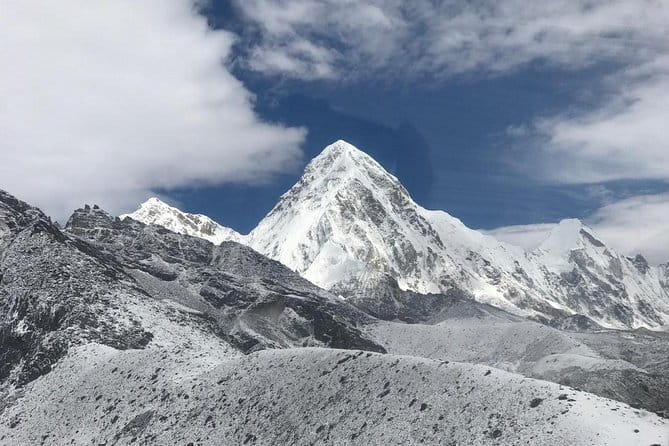
Your second day begins with an early scenic flight to Lukla (about 35 minutes). That short time in the air packs in a lot: you go from Kathmandu logistics to the Khumbu region’s trekking world almost immediately.
Once you land, you’ll be in Sherpa country and introduced to the crew carrying your luggage during the trek. The itinerary also includes a couple hours of acclimatization after you start the hiking phase from Lukla, which is smart. Even if you feel fine that first day, this is your first chance to let your body adjust a little before the altitude stacks up.
One thing to expect: early days can feel a bit “basic.” Lodges along this route are simple by design, and at the start you might find comfort levels vary. In past experiences, people have noted that not every early stop is the same quality, including places around Lukla. In other words: don’t book this for luxury. Book it for mountains and motion.
Days 3 to 6: pine forest walking, first Everest views, and Tengboche’s calm
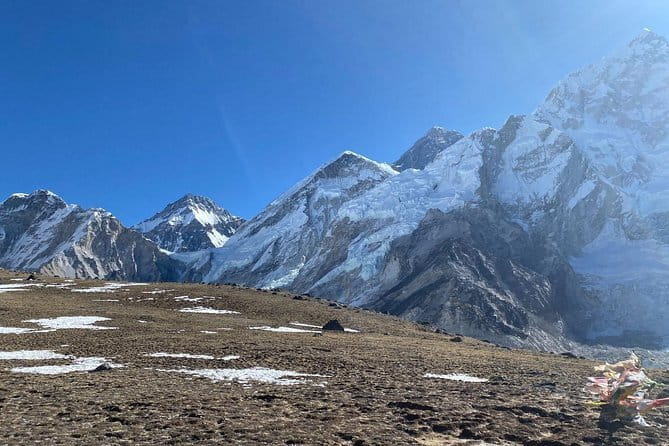
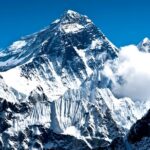
Day 3 begins with a classic trekking rhythm: wake up, breakfast with hot drinks, then get moving through lush pine forest. You’ll cross the Dudkosi River, and the trek starts delivering its first real eye-candy—an early view of Mount Everest along with the surrounding peaks. This is the day where the trip stops being planning and starts being wonder.
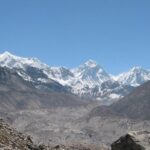
Day 4 is described as rest and acclimatization, but it also includes ascending to a lookout with a huge panorama. You’re in for a stacked view list, including Everest and Lhotse, and also other nearby giants like Ama Dablam, plus peaks such as Thamserku, Kwangde, and Khandala. This sort of day works for me because it gives your body a chance to adjust while your camera roll tries to keep up.
Day 5 leans into the famous feel of the route: trekking along the high way of Everest, with the descent to the Dudh-Koshi River and an ascent through rhododendron areas. That mix—downward to a river, then back up through forest—keeps the walking varied instead of monotonous.
Then Day 6 adds a cultural moment. You’ll visit Tengboche monastery early, when the mountains can look clean and bright. After breakfast, you’ll trek through forest described as Merlin’s Forest in the itinerary notes, which is a fun detail because it signals that the trail isn’t just about climbing—it’s about mood. This is also where you might feel the group quietly get softer. People often slow down here because the views and the setting make you forget your mileage for a minute.
Potential drawback across these early days: you’re still building altitude. Even when the route looks “manageable” on paper, the higher you go, the more you notice breath and pace. The guide matters here, and this tour includes a professional licensed guide.
Days 7 to 9: Dingboche rest, Chukpo Lari memorials, and walking onto the glacier world
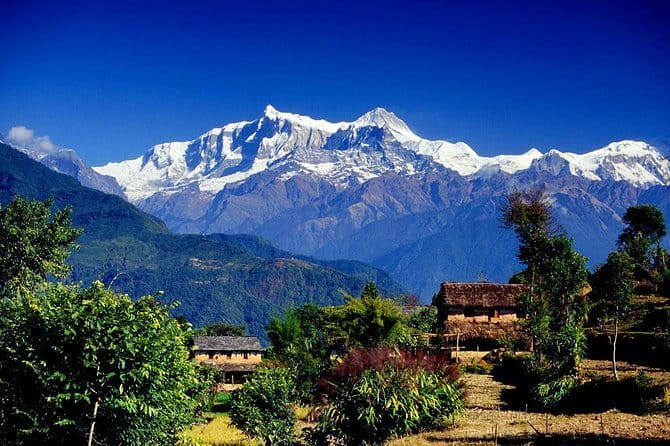
Day 7 is a rest day at Dingboche. This is one of those stops that makes the whole trek make more sense. Dingboche sits in a high-altitude village setting with fields enclosed by stone walls to protect crops. It’s a real break from the constant climb, and it’s also a common hub for people heading toward Everest, Ama Dablam, or Imja Tse. In a small group, that rest day is where you’ll likely talk with fellow hikers and share trail lessons—snack plans, what worked, what didn’t.
Day 8 brings a steady climb first, with Duglha along the way, then a steep effort up to a ridge at Chukpo Lari. Here, you’ll see memorials honoring climbers who died on Mount Everest. This section isn’t just scenic—it’s reflective. For me, that’s a key part of EBC trekking that many people treat like a checklist. It changes how you think about the mountain.
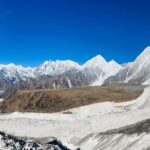
Day 9 is the long-awaited glacier day. The route described begins from Lobuche, goes along flat meadow sections, then follows the Khumbu Glacier northwards, with short climbing and movement onto the lateral moraine. This is where the Everest Base Camp trek feels different. You’re not just walking through villages and forests anymore. You’re walking into the glacier landscape.
One practical consideration: glacier sections can be visually dramatic and emotionally intense, but they also require steady footing and patience with the pace. This is where a good guide helps you keep going without turning the day into a frantic power hike.
Kalapathar sunrise: the 360-degree reward you plan for all trek
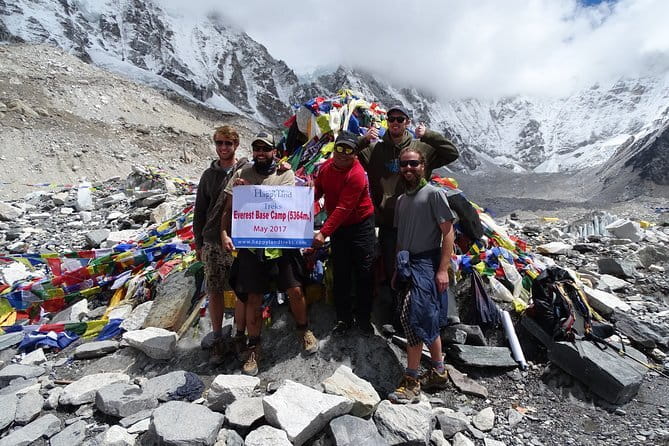
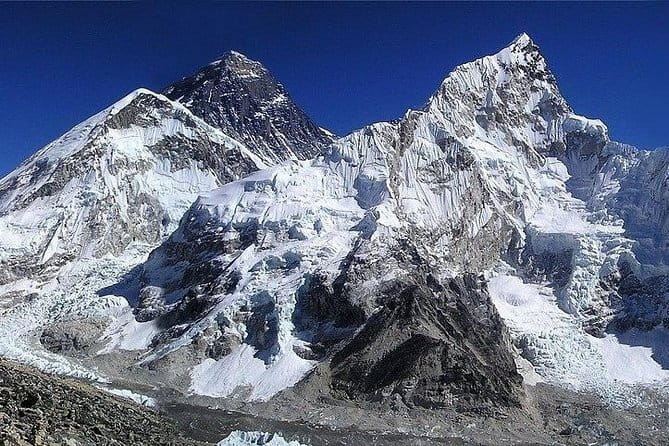
Day 10 is early. You wake up, then climb for about 2 hours to Kalapathar, described as the bottom of Mount Pumori. From Kalapathar, the itinerary promises sunrise in a 360-degree view range, including Everest, Nuptse, and peaks starting with Lol… (the itinerary text cuts off there, but the point is the full surrounding panorama).
This is the day I’d mentally prepare for on day one. Sunrise at Kalapathar is famous for a reason: it stacks the reward on top of effort. Also, it’s a natural photo moment, but it’s more than that. It’s a physical milestone that tells you you’re close to the trek payoff.
Day 10 also matters for pacing. Since you’ll have already climbed and acclimatized earlier, Kalapathar is less about brute force and more about finishing strong with control. The earlier your body learns slow effort on ascent, the smoother this day tends to feel.
Days 11 to 12: back down through Sherpa villages and over suspension bridges
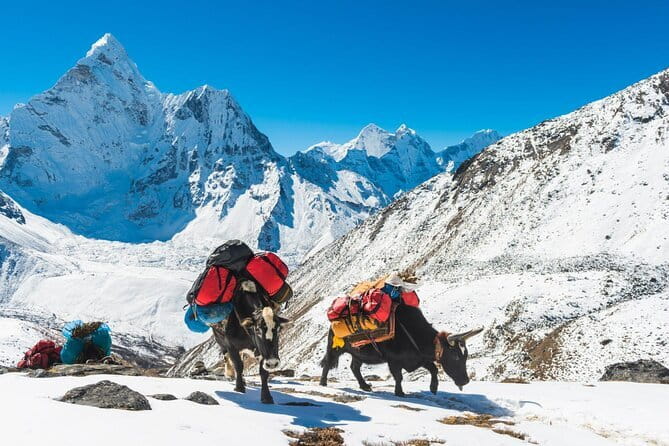
After the big high point, the route shifts into descent and reconnection with villages. Day 11 descends through Sherpa villages and tracks toward Dingboche, then continues toward Tengboche, crossing the Dudkosi River and returning through forest areas.
Day 12 is described as descending steep sections back through a route that includes Jorsalle, Manjo, Benkar, and Phakding, plus walking with several suspension bridges over the Dudh Koshi. This is often the day where your legs feel a little jolly on the way down, then grumpy on the rebound. It’s also a nice chance to notice how much you’ve already walked and how quickly the valley towns blur together when you’re not looking up.
One realistic comfort note: lodge life is simple on this trail. Expect basic rooms and limited creature comforts. The tour includes lodge accommodations, but you’ll still be living in the constraints of the Khumbu. For me, that’s part of the deal. Just don’t expect hotel-style amenities.
Day 13: fly back to Kathmandu and get your day off
You end with a flight back to Kathmandu (Day 13) and then leisure time in the city. This is where the itinerary gives you breathing room. After days of trail focus, you can finally eat without thinking about altitude, and you can clean up properly.
The overview also includes a night at a top Kathmandu hotel and dinner as celebration. That sounds like a small thing until you’ve sat through cold nights and dusty mornings. Having one “real” meal and a comfortable bed at the right moment is morale work.
Price and logistics: what $1,420 buys (and what you’ll still pay)
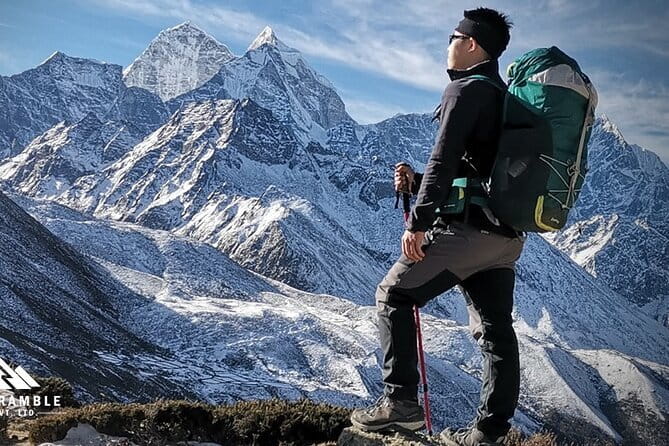
At $1,420 per person, the value is mostly about what the package handles for you. The included list covers the expensive and annoying-to-organize parts: round-trip flights Kathmandu–Lukla, departure taxes, trekking documents (including TIMS and Everest National Park permits), lodge stays during the trek, and full-board meals (breakfast, lunch, dinner).
You’re also not walking unassisted. The trek includes a professional, experienced, friendly government-licensed guide, plus a first-aid medical kit. The kit even includes Diamox listed in the basic first-aid box for altitude sickness.
But don’t ignore the extras that add up on the ground:
- You pay for water and drinks, plus Wi-Fi if you want it.
- Your price doesn’t cover Nepal entry visa fees (or international flights).
- Hot shower and other personal expenses are on you.
- Tipping/gratitude for guides and staff is not included.
For me, that’s the real budgeting lesson. The headline price includes the core infrastructure. Your daily spending mostly covers comfort items and convenience.
Also, note that the itinerary mentions porters/crew in the trekking flow, but the price list says “local porter if you need it” is not included. So if you know you want extra carry help, ask questions early so you don’t end up bargaining mid-trek.
Guides and group vibe: why a small team can change everything
This trek is capped at 12 travelers. That’s the sweet spot for meeting people without feeling like you’re in a slow-moving airport bus. You’ll likely form a mini-community with shared pacing and shared snacks.
More importantly, the guide quality comes through in the pattern of names connected to past trips. People have credited Dil (the owner), and guides including Sujal, Amer, Nir, Laxman, Ram, Saugat, and Subash for attention and flexibility. Some accounts highlight how responsive Dil is with answers before you go. Others mention guides making the hike feel easier for different ages, including teenage trekkers (one report includes ages 15 and 17).
That matters because Everest Base Camp isn’t a race. It’s a long sequence of days where small adjustments—pace, breaks, mental focus—can make a huge difference.
Who should book this Everest Base Camp trek (and who should pause)
You’ll probably love this tour if:
- You want pre-booked logistics for flights to Lukla and the permits.
- You’re okay with basic lodge conditions and living simply while you hike.
- You like small groups and want an easier time meeting people.
- You want a licensed guide and a structured acclimatization approach.
You should think twice if:
- You want a “fully all-inclusive” price with no add-ons. Water, drinks, Wi-Fi, and tips are not covered.
- You’re expecting luxury comfort. The trek is about huts, air, and mountains.
- You’re not ready for altitude. This route reaches 5,364 meters / 17,598 feet at its peak elevation listed.
A final practical nudge: have moderate fitness. The tour states you should have a moderate physical fitness level, so be honest about your current base.
Should you book Alpine Ramble for Everest Base Camp?
If you want the classic Everest Base Camp experience with fewer moving parts to manage yourself, this is a strong option. The biggest win is that it covers the core trip mechanics—Lukla flights, permits, licensed guiding, and lodge meals—so you can focus on walking and acclimatizing instead of paperwork and bargaining.
I’d book it if you’re comfortable with the real-world costs that come with trekking (water, drinks, Wi-Fi, tipping) and you understand that lodges are simple. I’d skip it if you need maximum creature comforts, or if you’re not ready for high-altitude effort.
In short: if you want a well-run, small-group EBC trek with support you can count on, this fits the bill.
FAQ
What is the highest point on this Everest Base Camp trek?
The itinerary lists Everest Base Camp at 17,598 feet (5,364 meters) above sea level.
How long is the trek?
The tour is described as a 14-day Everest Base Camp trek, and the provided itinerary runs across Day 1 through Day 13, with an end in Kathmandu.
Where does the trek start and end?
The meeting point is Thamel, Kathmandu 44600, Nepal. The activity ends back at the same meeting point.
Are meals included?
Yes. The trek includes full-board meals during the trek: breakfast, lunch, and dinner.
Are flights included to Lukla?
Yes. The package includes round trip flights between Kathmandu and Lukla, including departure taxes.
Do I have a guide?
Yes. A professional, experienced, friendly government-licensed guide is included.
Are permits and trekking paperwork included?
Yes. The package includes all trekking documents, including Everest National Park and TIMS card paperwork.
Is a porter included?
A local porter is not included if you need one. The trek also mentions a crew that carries your luggage during the trek, so if you specifically want extra porter support, confirm what’s covered for your group.
What costs are not included?
Not included are Nepal entry visa fees, international flights, accommodations and foods before and after the trek, local porter if needed, and personal expenses such as hot shower, hot and cold drinks, snacks, water, and Wi-Fi, plus tipping/gratitude.
Cancellation Policy (brief)
Free cancellation is offered if you cancel at least 24 hours in advance for a full refund.
You Might Also Enjoy
 Batur Volcano Sunrise Trekking, Rice Teracce & Bali Coffee Plantation Tour
 Yogyakarta :selogriyo temple, rice field trek& nepalvan java
 10 Days Annapurna Base Camp Trek from KathmanduUnforgettable Everest Base Camp Trek with Third Rock Adventures! 🌄
I recently completed an incredible journey to Everest Base Camp with Third Rock Adventures, and I can’t recommend them enough! From starRead more
10 Days Annapurna Base Camp Trek from KathmanduUnforgettable Everest Base Camp Trek with Third Rock Adventures! 🌄
I recently completed an incredible journey to Everest Base Camp with Third Rock Adventures, and I can’t recommend them enough! From starRead more