REVIEW · KATHMANDU
12 Days Everest Base Camp Trek
Book on Viator →Operated by Himalayan Social Journey · Bookable on Viator
Everest Base Camp with fewer moving parts. This guided route keeps logistics tight from Kathmandu to Lukla, and the licensed English-speaking guide plus planned acclimatization means you spend energy on walking, not guessing. I also like that national park fees and permits are included, so you’re not hunting paperwork at the last minute.
I’m a fan of the built-in rhythm: round-trip transfers, tea-house guesthouses, and an early push for Kala Patthar. Plus you get that Kathmandu buffer night at Gokarna Forest Resort as listed in the highlights, which helps you settle before high altitude starts making demands.
One thing to double-check before you book: the fine print is a little inconsistent about Kathmandu accommodation and even breakfast. The highlights say a one-night stay at Gokarna Forest Resort is included, but the details also state Kathmandu lodging (and breakfast) are not included—so I’d email and confirm what you’re actually paying for in writing.
In This Review
- Key things I’d circle before you go
- What this Everest Base Camp plan does for your nerves (and your altitude)
- Price and Logistics: $1,099 plus what you’ll likely budget anyway
- Days 1–3: Kathmandu to Lukla, Phakding, and Namche acclimatization
- Days 4–6: Tengboche monastery to Dingboche and Nangkartshang Peak
- Days 7–9: Thukla Pass, Gorakshep, Everest Base Camp, and Kala Patthar
- Days 10–12: back down through Namche and the Lukla return flight to Kathmandu
- Guide and porter support: what it means when the air thins
- Guesthouses, tea houses, and what comfort looks like at altitude
- Who should book this Everest Base Camp trek (and who should train more)
- Should you book this tour?
- FAQ
- How long is the Everest Base Camp trek?
- Where does the trek start and how do you get to Lukla?
- How many people are in the group?
- Do I get a guide and porter?
- Are national park fees and permits included?
- What accommodation is provided during the trek?
- Do I need travel insurance, and what else should I bring?
- What happens if weather is bad?
Key things I’d circle before you go
- Guide-led, no-navigation-stress trekking: you’re following a planned route with a licensed guide, which matters on this trail.
- Acclimatization built into the schedule: Namche Bazaar, Syangboche, Dingboche, and a hike toward Nangkartshang Peak all help your body adjust.
- Kala Patthar timing for sunrise photos: you start early, then descend—so the day has a clear purpose.
- Sagarmatha National Park entry covered: you don’t have to worry about permits at the last moment.
- Porter support (1 porter for 2 travelers): you’ll hike with less load, which is huge at higher elevations.
- Small-group cap of 30 travelers: not a private trek, but not a cattle-car either.
What this Everest Base Camp plan does for your nerves (and your altitude)
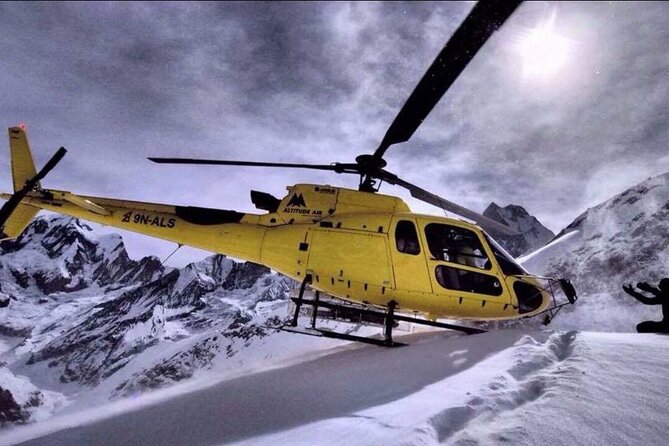
The big value here is not the mountain. You’re already going to see Everest. The real win is structure. When you’re above the cloud line and everything feels slightly harder—breathing, sleep, walking—your mind wants certainty. A guide-led itinerary keeps day-to-day decisions simple.
This trek also takes acclimatization seriously. You don’t just steamroll toward Everest Base Camp. You spend time in Namche Bazaar and then add another view-and-adjust hike from Syangboche, and later repeat the pattern in Dingboche. That’s the difference between a trek that feels like a grind and one that feels like a plan.
You can also read our reviews of more tours and experiences in Kathmandu.
Price and Logistics: $1,099 plus what you’ll likely budget anyway
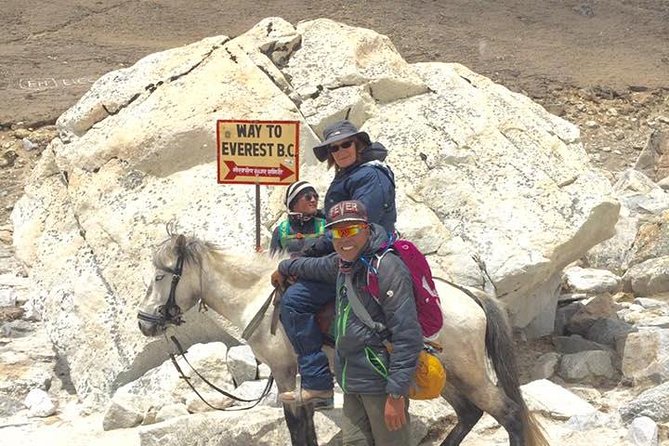
At $1,099 per person, this package includes a lot of the “stuff that usually surprises people.” You get domestic flights between Kathmandu and Lukla (via Ramechhap depending on what’s scheduled), plus Sagarmatha National Park fees, Lukla entrance fees, and local tax. You also get a licensed English-speaking guide and porter support (1 porter for 2 travelers), along with a first aid kit and government taxes/office expenses.
What’s less clear in the provided details is your meal coverage and the Kathmandu hotel line-item. The included section states guesthouses during trekking days include breakfast on a twin-sharing basis, but the exclusions list breakfast, lunch, and dinner as not included. Meanwhile, the highlights say a Kathmandu night at Gokarna Forest Resort is included, but the exclusions say accommodation in Kathmandu is not included.
So here’s the practical move: before you pay, ask one question in plain language—Which meals are included (breakfast only, or breakfast + lunch + dinner), and is the Gokarna Forest Resort night definitely included for my dates? You want that confirmed for your departure.
Also note the flight reality: Lukla flights are weather-dependent. The policy says you’ll be offered a different date or a full refund if poor weather cancels the trek. You can’t control the sky, but you can plan for it with patience.
Days 1–3: Kathmandu to Lukla, Phakding, and Namche acclimatization
Day 1 is all about the gateway moment. You fly from Kathmandu to Lukla (about an hour), then start trekking downhill into the Phakding area. This first stretch runs through pine forests and Sherpa villages, and it’s long enough to get your legs moving but not so steep that you’re wrecked. You’ll check into a tea house and use the remaining daylight to wander Phakding a bit.
What I like about this start: it helps you learn your rhythm without pretending you’re already at Everest Base Camp fitness. What to watch: the first day can still feel tiring because you’re adjusting to altitude and a new routine at the same time.
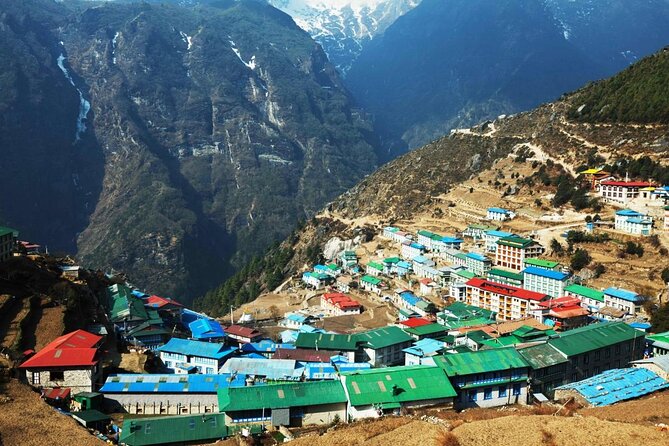
Day 2 pushes you into Namche Bazaar. The route follows suspension bridges and passes Monjo, where you verify entry into Sagarmatha National Park. You’ll walk alongside the Dudh Koshi River, then tackle a steep ascent after the Tenzing Hillary Suspension Bridge. Namche is the Khumbu region’s main town—busy enough to feel alive, with shops and services that make high-altitude life easier.
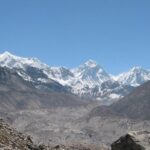
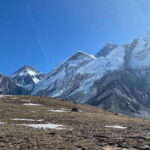
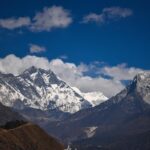
A good sign on this day: the views get serious as you climb, with peaks like Thamserku and Everest appearing in the mix. A realistic consideration: Day 2 is long (about 12 hours in the schedule), so treat breaks like part of the job. Don’t “push through” because the air will punish you for bravado.
Day 3 is your acclimatization reset. You stay in Namche and add another climb to Syangboche / Hotel Everest View for extra adjustment. This day isn’t about distance as much as letting your body catch up. It also gives you a chance to shop, recharge, and look at the mountains from a different angle than Day 2.
This is where guides earn their keep. The schedule is built around safety, but how you handle water, rest, and pacing is what keeps altitude from turning into a stress test.
Days 4–6: Tengboche monastery to Dingboche and Nangkartshang Peak
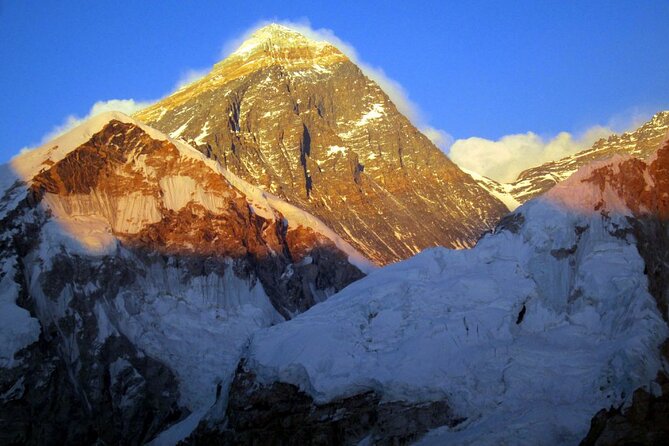
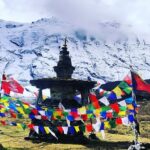
Day 4 brings you to Tengboche, one of the emotional highlights of the trek. You ascend toward Tengboche village (around 5–6 hours), known for the Tengboche monastery—described as the biggest in the Everest region. Afterward, you move toward Deboche, crossing the Imja River and sleeping in a tea house.
The monastery stop matters because it’s more than a photo backdrop. It’s a pause in the trek’s physical tempo. You’ll feel the change in atmosphere—mountain walking outside, ritual spaces and calm inside. Practically, it’s also a good point for your guide to talk through how the next altitude steps work.
What to consider: that day includes a bigger climb, and Day 4 plus altitude can leave your breathing feeling “workier” than you expect.
Day 5 takes you to Dingboche. The trail descends through forests of birch, conifers, and rhododendron, then continues toward the Imja Valley and Lobuche River before ascending to Dingboche (about 5–6 hours). The higher you go, the more the views sharpen—Everest, Lhotse, and Ama Dablam show up repeatedly.
Day 6 is the acclimatization day with a purpose. You rest and explore Dingboche, then hike to Nangkartshang Peak for added adjustment and views of Makalu, Lhotse, Cholatse, Tawache, and Ama Dablam. This is a great example of how your schedule is designed: you’re not just resting—you’re resting intelligently.
A small practical note from real-life trekking: Dingboche-type elevations mean your sleep can be light and your appetite can wander. If that happens, don’t panic. Your body is recalibrating. Keep sipping water, eat what you can, and let your guide’s pacing guide you.
Days 7–9: Thukla Pass, Gorakshep, Everest Base Camp, and Kala Patthar
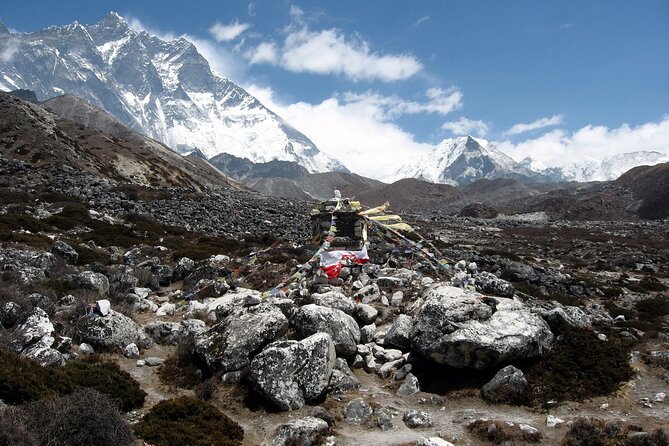
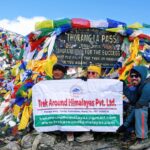
Day 7 heads toward Lobuche as you get closer to Everest Base Camp. The terrain turns rougher and the air gets thinner. The schedule includes an ascent toward Thukla Pass for panoramic views of Pumori and Nuptse, lunch at Thukla, then continuing on to Lobuche.
This is one of those days where your pace is everything. You don’t need speed; you need steady breathing and consistent effort. The reward is that pass viewpoint—those big mountain faces start to feel close enough to touch.
Day 8 is the classic two-step day. You go from Lobuche to Gorakshep (the last settlement before Everest Base Camp), then you continue to Everest Base Camp through the Khumbu Glacier area. You’ll check into a tea house for a quick lunch and then make the Base Camp push, with time for photos when you arrive, before trekking back to Gorakshep.
If you’re worried about “luxury” expectations, calibrate your brain. Tea houses at this altitude are functional, not fancy. The big “luxury” is that you’re here and moving with a plan.
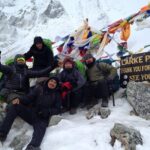
Day 9 begins with an early start at Kala Patthar. You’re up early to catch sunrise over the Himalayas, then you descend back to Gorakshep and continue onward to Pheriche. The day combines a signature viewpoint moment with a long-feeling travel day after the sunrise effort (the schedule lists roughly 12 hours).
Kala Patthar is your “wide-angle Everest” day. Sunrise is cold and dark and early, but once the light hits, the payoff is real. The key is keeping warm layers accessible and trusting your guide’s timing.
Days 10–12: back down through Namche and the Lukla return flight to Kathmandu
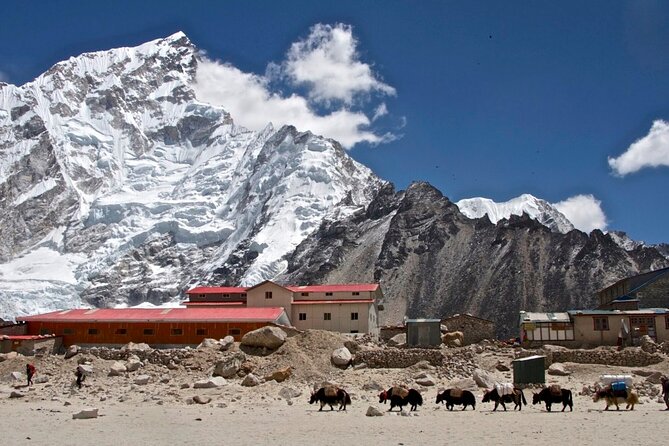
Day 10 starts your descent to Namche Bazaar. Going down to lower altitudes feels like relief to many people, and it’s true: the air is easier and your body usually stops feeling like it’s fighting the day. You’ll retrace parts of the route with familiar villages and a more relaxed rhythm.
Day 11 drops you back to Lukla. You descend from Namche after breakfast, stop for teas along the way, and continue to Phakding for lunch before finishing the walk toward Lukla and checking into a tea house. The route is scenic and repetitive in the best way—you’re tired enough to enjoy it, not so tired that you’re counting the steps.
Day 12 is your flight back to Kathmandu. You fly from Lukla to Kathmandu in the morning, then get transferred to your trip hotel. This last day can feel strangely quiet after so many dramatic view days. Plan to treat it like a reset: eat well, sleep hard, and remember to hydrate.
Guide and porter support: what it means when the air thins
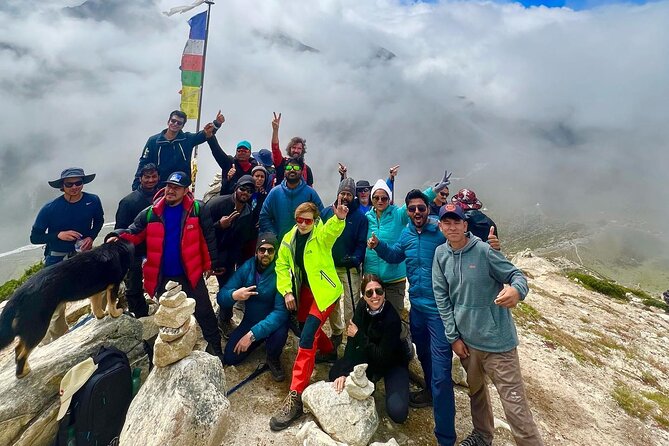
This program runs with a professional, licensed English-speaking guide plus porter support at a common ratio of 1 porter for 2 travelers. That’s not just a convenience. It’s risk reduction in a small way—less weight on your body means you can keep your stride and avoid turning the trek into a constant battery drain.
The guide also helps with the “human stuff” that turns into a headache when you’re tired: pacing decisions, tea house choices, and daily talk about what to wear and how to handle the day. On treks like this, guidance isn’t a luxury; it’s how you prevent small issues—wrong layer, slow pace, too-fast start—from becoming problems.
You may also cross paths with experienced Sherpa leaders and local guides. Teams often include names like Mingmar, Kilraj, Indra, Dawa Sherpa, Santosh, Sonam, Sushma, and Nema—people who are used to managing the rhythm of the Khumbu trail.
Guesthouses, tea houses, and what comfort looks like at altitude
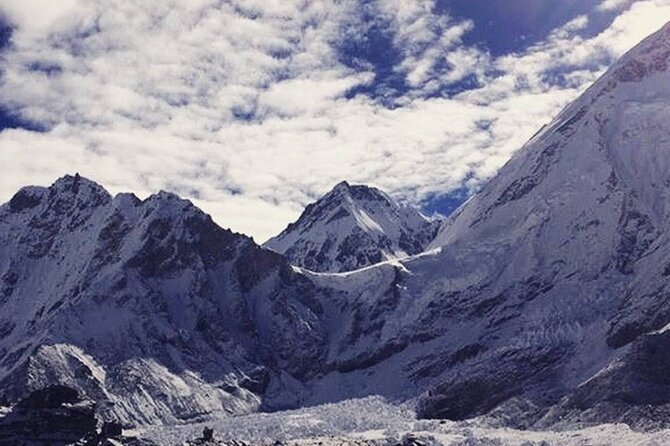
You’ll sleep in guesthouses/tea houses during trekking days with breakfast included on a twin-sharing basis as listed in the included details. That means simple rooms, shared bathrooms sometimes, and a strong emphasis on warmth and rest rather than comfort upgrades.
At high elevations, even “good” can feel basic. One practical reality from this region: accommodations around the 5,000m range can feel uncomfortable, but that’s part of the deal when you’re far from the comforts of home. Don’t judge the place; judge your expectations.
Also remember that you can buy alcohol along the way, but it’s not included in your package. Tea houses usually run on cash, so keep some ready. Your guide will tell you where to spend and what to plan for each day.
Who should book this Everest Base Camp trek (and who should train more)
This trek is best for active travelers with some mountain trekking experience. That doesn’t mean you need to be a hardcore climber, but you do need comfort hiking for long days and handling steep sections without freezing up.
If you’re newer to trekking, you’ll want extra preparation before you go—basic endurance training, practice hiking with a pack, and confidence moving downhill and uphill for hours. The schedule includes long days and altitude acclimatization pushes, so the body needs to be ready.
If you’re experienced, this plan still works because it gives you a clear route, guide support, and the kind of rest/acclimatization structure that helps you keep enjoying the views instead of constantly managing symptoms.
Should you book this tour?
Book it if you want a guided, organized Everest Base Camp trek where the route, timing, permits, and key logistics are taken care of—especially if you’d rather spend your focus on walking and photos instead of planning navigation and chasing paperwork.
Don’t book it (or at least slow down) if you hate unclear “what’s included” details. The Kathmandu accommodation and meal inclusions conflict in the provided information, and that’s easy to fix with a quick email confirmation. Also, if you’re expecting hotel-style comfort at altitude, adjust your expectations now.
If you confirm the meal plan and Kathmandu lodging in writing, this looks like strong value for a once-in-a-lifetime destination.
FAQ
How long is the Everest Base Camp trek?
The trip is listed as about 12 days.
Where does the trek start and how do you get to Lukla?
You start in Kathmandu, then fly to Lukla from Kathmandu airport. The package also references Kathmandu/Ramechhap to Lukla and back.
How many people are in the group?
The tour has a maximum of 30 travelers.
Do I get a guide and porter?
Yes. You get a professional and licensed English-speaking guide, plus porter support with a ratio of 1 porter for 2 travelers.
Are national park fees and permits included?
Yes. Sagarmatha National Park fees, Lukla entrance fees, and local tax are included.
What accommodation is provided during the trek?
During trekking days, you stay in guesthouses on a twin-sharing basis and breakfast is listed in the included details.
Do I need travel insurance, and what else should I bring?
You should bring your original passport and your travel insurance. Personal trekking clothing and equipment are not included.
What happens if weather is bad?
The experience requires good weather. If it’s canceled due to poor weather, you’ll be offered a different date or a full refund.