REVIEW · NICOLOSI
Mount Etna: Central Crater (3,340 meters) with Jeep and Trek
Book on GetYourGuide →Operated by ETNA TOURING DI PIETRO LA ROSA · Bookable on GetYourGuide
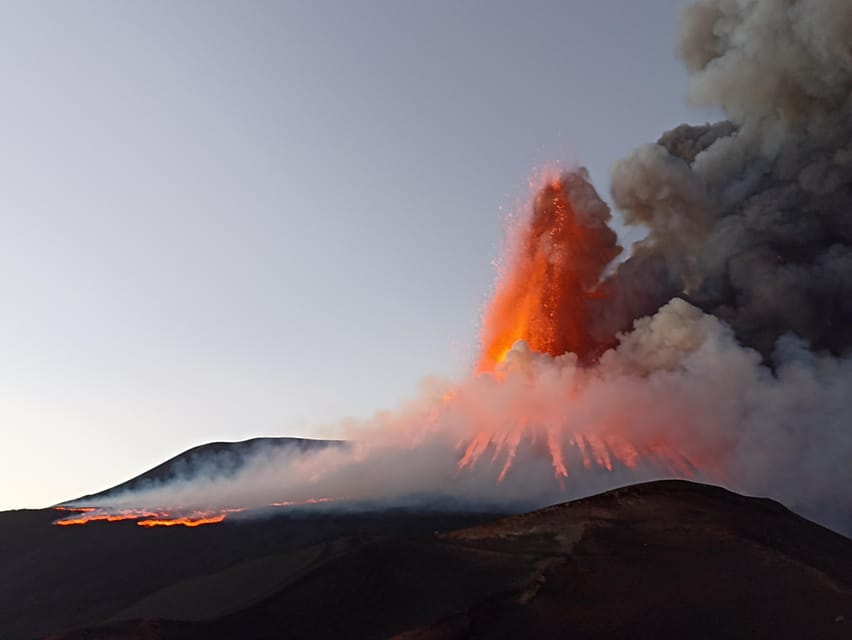
Etna smells like sulfur and awe. This half-day trip pairs a 4×4 ride up Mount Etna with a volcanologist-led trek to the Central Crater, where you can observe gas, fumaroles, and the drama of four active craters. I like that it’s not about waving pictures at you from far away; you get up close to the volcanic terrain. One key consideration: you should not expect to see glowing red lava flows. What you’ll more reliably get is smoke, heatless fumes, and a summit that can feel brutally cold with rough wind.
You’ll start at Piano Provenzana Etna Nord, get outfitted with trekking shoes, helmet, poles, and a wind jacket, then drive up to about 2,930 meters before the walking begins. It’s small-group (up to 10) and guided in French, English, or Italian, which matters on Etna where conditions and access rules can shift fast.
In This Review
- Key Things to Know Before You Go (Quick Hits)
- Getting Up To 2,930m by 4×4, Then Walking Toward the Central Crater
- The Summit Feel: What You Can See at the Central Crater Area
- Four Active Craters on One Route: South-East, Bocca Nuova, North-East, and Central
- Trek Mechanics: Lava Flows, Bombs, and Why Your Shoes Matter
- Your Volcanologist Guide Sets the Tone (And the Pace)
- Lunch Break Reality: Bring Food and Plan for the Cold
- Price and Value: What You Pay, What You’ll Pay On Site
- Who Should Book This Etna Trek (And Who Should Skip It)
- Should You Book Central Crater Etna With Jeep and Trek?
- FAQ
- Where is the meeting point?
- How long is the tour?
- What time does the tour start?
- Is the 4×4 jeep included in the price?
- What equipment is included?
- Do I get to see all four active craters?
- What languages are the guides?
- What should I bring?
Key Things to Know Before You Go (Quick Hits)
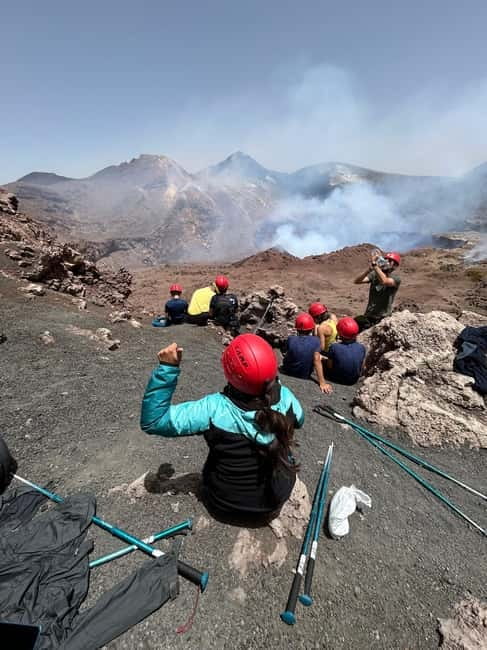
- You climb high fast: 4×4 to roughly 2,930m, then a trek that reaches up to the Central Crater area around 3,350m.
- Four active craters in one experience: South-East, Bocca Nuova, North-East, and Central.
- A real volcanologist guide: expect focused explanations tied to what you’re seeing on-site.
- Cold, windy summit conditions are common: plan for below-freezing temperatures and sharp wind.
- Central Crater access can vary: sometimes it’s limited due to recent activity, but guides adjust the route.
- Jeep round-trip ticket is on site: the stated price covers the trek and included equipment, while the 4×4 ticket is paid separately.
Getting Up To 2,930m by 4×4, Then Walking Toward the Central Crater
The biggest value here is how the day is paced. You don’t spend the entire time grinding uphill from sea level. Instead, you start at Piano Provenzana and hop into a 4×4 vehicle to about 2,930 meters. That lift saves your legs so the trek portion feels like the main event, not a warm-up.
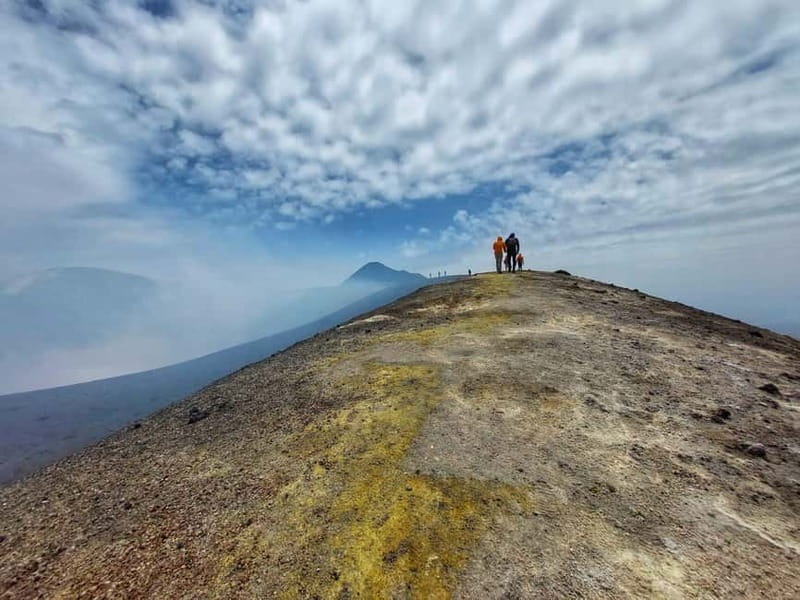
Once you transition from vehicle to walking, you’ll head for the Central Crater area (around 3,350m). This section walks through volcanic material from past eruptions—lava flows, volcanic bombs, and volcanic waste. It’s the kind of terrain that makes Etna feel less like a landmark and more like a living machine.
Timing is built for a half-day: you’re out for roughly 5.5 hours, with a total on-the-ground schedule that stretches to about 5–6 hours when you count the breaks. That’s just long enough to feel like you did something serious, without eating your whole day.
You can also read our reviews of more tours and experiences in Nicolosi.
The Summit Feel: What You Can See at the Central Crater Area
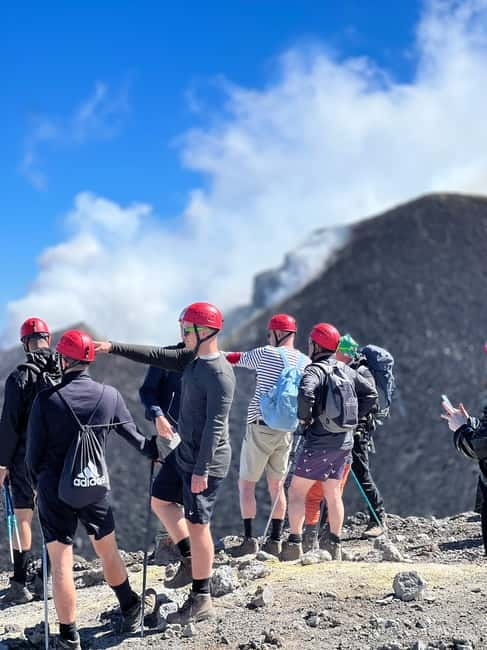
The core moment is reaching the crater viewpoints and absorbing what an active volcano looks like up close—without needing special gadgets or fancy gear. At the top, you’ll focus on volcanic signals like gas emissions and fumaroles. Those are the practical clues your guide will connect to Etna’s current behavior.
Views also play a role. When weather cooperates, you can see across Sicily up to the coast, and sometimes even toward the Aeolian Islands. That matters because Etna isn’t just vertical drama; it’s an entire system. Looking outward helps you understand scale.
Expect summit weather to be the curveball. One strong theme from recent experiences is the icy wind and sulfur vapor at altitude—plus temperatures that can drop below zero. Even with a wind jacket provided, you’ll want to dress like you mean it: long pants, gloves, and a warm hat. If you ignore the cold, your photos might still work. Your body will not be happy.
Four Active Craters on One Route: South-East, Bocca Nuova, North-East, and Central
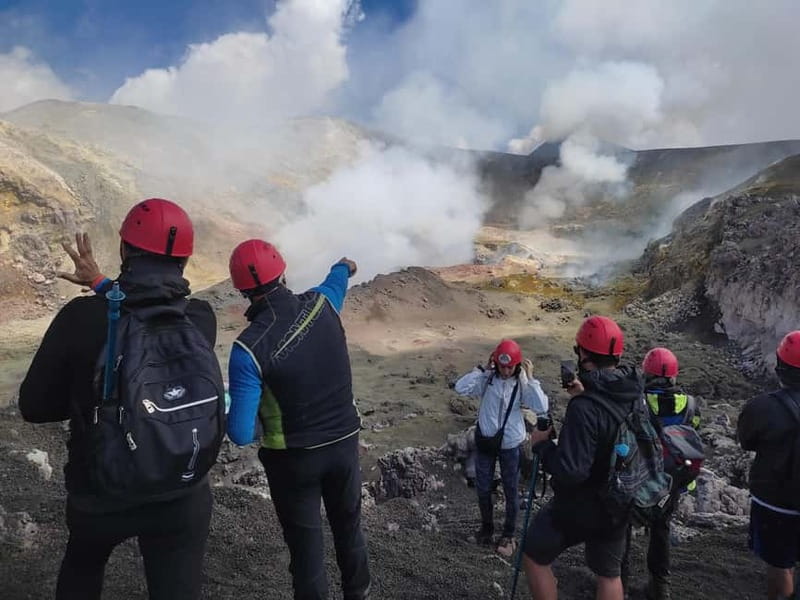
Most Etna trips promise a crater. This one aims for four. The names are specific—South-East, Bocca Nuova, North-East, and Central—and that matters because each crater reflects different activity patterns and volcanic pathways.
On the ground, you’re not chasing a single perfect photo angle. You’re working with a volcanologist guide who helps you interpret what you’re seeing and smelling. That’s where the four-crater focus becomes more than a checklist. You learn how activity can show up as different behaviors across vents and zones at the same time.
There is one practical caution: access and visibility can change. In some outings, the Central Crater may be closed due to recent volcanic activity. When that happens, guides handle it by adjusting on the fly to keep the tour meaningful. So don’t treat the crater names as a guarantee of every step being identical on every departure.
Trek Mechanics: Lava Flows, Bombs, and Why Your Shoes Matter
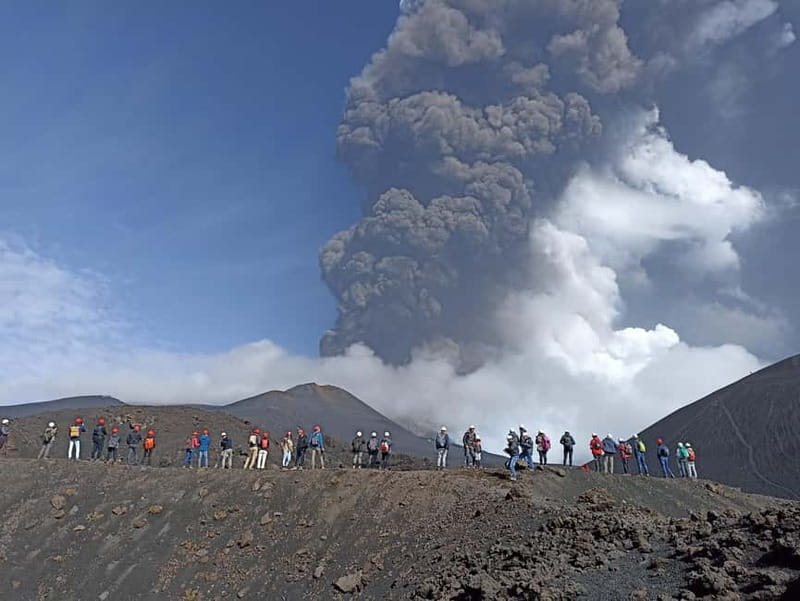
The walking portion is long enough to matter. You’ll spend about 100 minutes on foot to reach the summit/crater area, with another roughly 100 minutes on foot later. Add in time for a photo stop, guided explanations, and time at the crater point.
The terrain can be uneven. You’re walking across volcanic remnants—lava flows and rough debris—so traction isn’t optional. The good news: trekking shoes are included, and they’re there for a reason. Use the boots or shoes you’re given. One consistent piece of real-world advice is to rely on the hiking shoes provided and not substitute with whatever sneakers you wore to dinner the night before.
Also, don’t overestimate how “short” the last climb feels. Several experiences point to the trek to the highest point having a slightly harder finish—often described as the final 10–15 minutes being the toughest. That doesn’t mean it’s impossible. It means you should pace yourself, keep your breath steady, and trust the guide to manage group speed.
If you like hiking, you’ll enjoy this part. If you mainly want views, you’ll still get them—but your feet will be part of the deal.
Your Volcanologist Guide Sets the Tone (And the Pace)
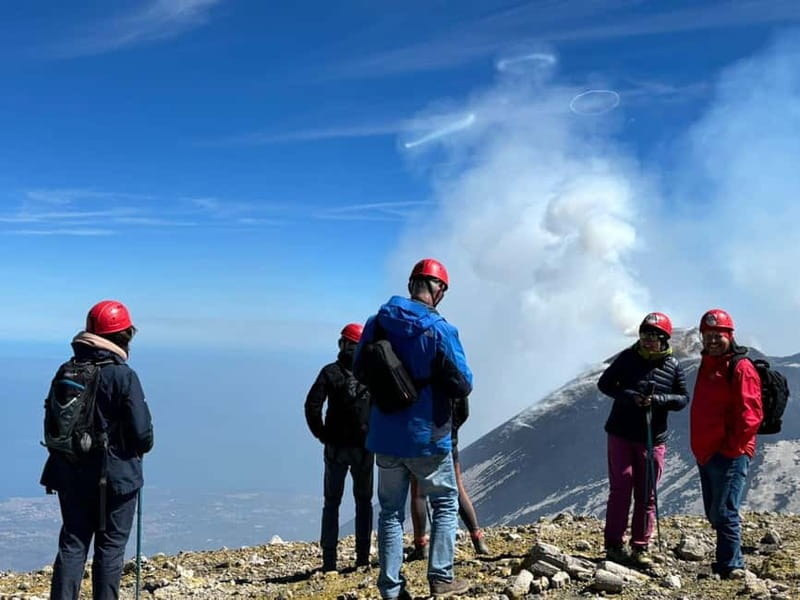
This is not a generic “walk and look.” It’s a volcanologist-guided outing, with instruction in French, English, or Italian. Guides also manage group energy carefully, adjusting walking pace to match the group’s fitness.
That pacing matters on Etna because conditions can be unforgiving. At altitude, wind and cold make breathing feel harder than it usually does. A skilled guide helps you stay focused on the important things: what gases mean, what fumaroles indicate, and why certain vantage points matter more than others.
It also helps when plans shift. One recent group experience highlighted that the team responded quickly if someone developed mountain sickness, and they kept the group together. Another experience noted that a guide may be able to add a crater stop when access rules allow. Those are the signs of an operation that thinks in real time, not just on paper.
You might meet guides such as Daniele, Mario, Giuseppe, or others associated with the operator. Either way, expect detailed explanations and a practical approach that keeps people safe while still delivering the goods.
Lunch Break Reality: Bring Food and Plan for the Cold
There’s a lunch break included, but the key detail is that packed lunch is not included. So you’ll want to bring food and drinks with you. Even if you’re not hungry, you’ll want energy for the walk and for the cold time at altitude.
Think of summit time like a gym session: you’ll feel cold faster once you stop moving. A wind jacket is provided, but your layers still matter. If you tend to get chilly, bring a warm hat and gloves. One experience specifically recommended SPF too—smart call if the sky is bright and sun reflects off volcanic ground.
Short version: eat, drink, then bundle up before you linger near the crater points.
Price and Value: What You Pay, What You’ll Pay On Site
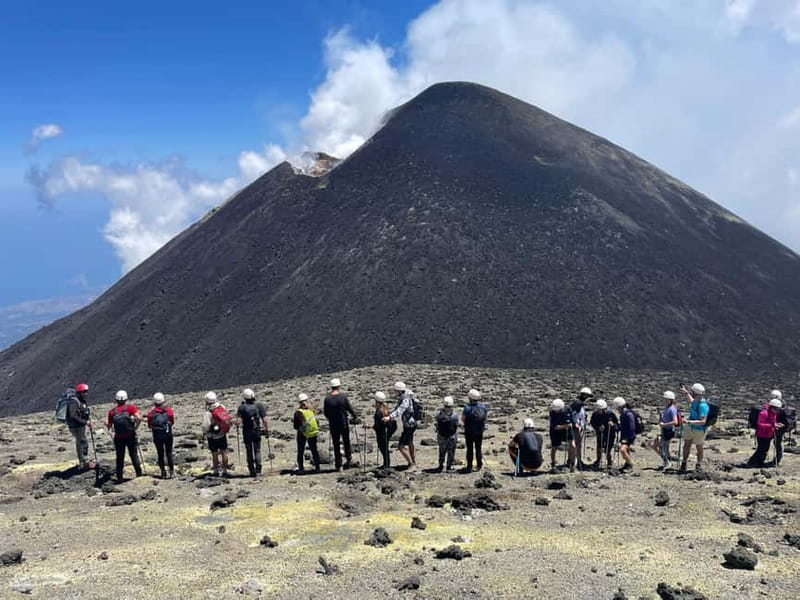
The listed price is $59 per person for the experience. What makes this feel like good value is that the trek portion is guided by an alpine and volcanological guide, and the included equipment package is substantial: helmets, trekking shoes, trekking poles, and wind jackets.
The part to watch is the 4×4 jeep round-trip ticket. That is not included and is paid on site. So if you’re budgeting, treat the $59 as the base cost for the trek + equipment + guidance, then add the on-site 4×4 ticket amount when you arrive.
For many people, that extra payment is still worth it because it directly buys you a big altitude jump before the real hike starts. And on Etna, saving your legs is how you get the best possible time at the crater.
If you’re choosing between a more budget hike and this combined jeep + trek format, I’d pick this one if your goal is time at the active-crater area, not just endurance hiking.
Who Should Book This Etna Trek (And Who Should Skip It)
This tour isn’t for everyone, and the restrictions are clear. It’s not suitable for:
- Children under 8
- People with mobility impairments
- Wheelchair users
- People with heart problems
- People with respiratory issues
- People over 75
- People with low fitness
So who is a good fit? If you can handle cold wind, walk on uneven ground, and manage a slightly tough uphill finish, you’ll likely have a great day. The route is long enough to feel real, but the pacing and included poles help.
I also think it suits travelers who want the “active volcano” part to be explained, not guessed. If your idea of fun is learning what gases and fumaroles mean while standing in the volcanic zone, this matches that style perfectly.
Should You Book Central Crater Etna With Jeep and Trek?
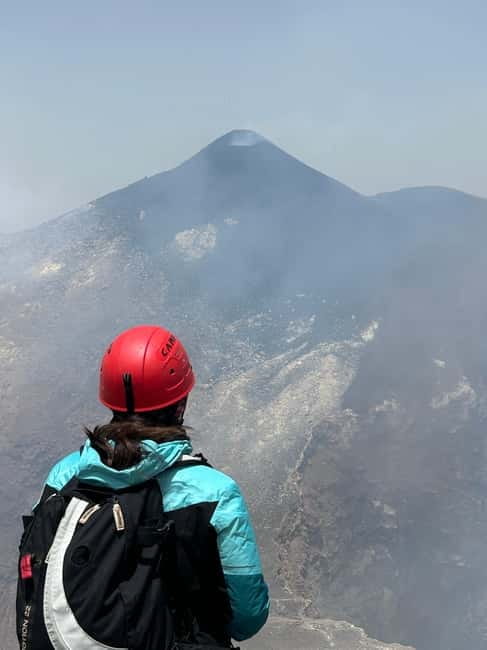
Book it if you want a guided, high-altitude Etna experience that mixes transportation and hiking so you actually reach the crater zone and can focus on what matters—active craters, gases, and close-up volcanic terrain.
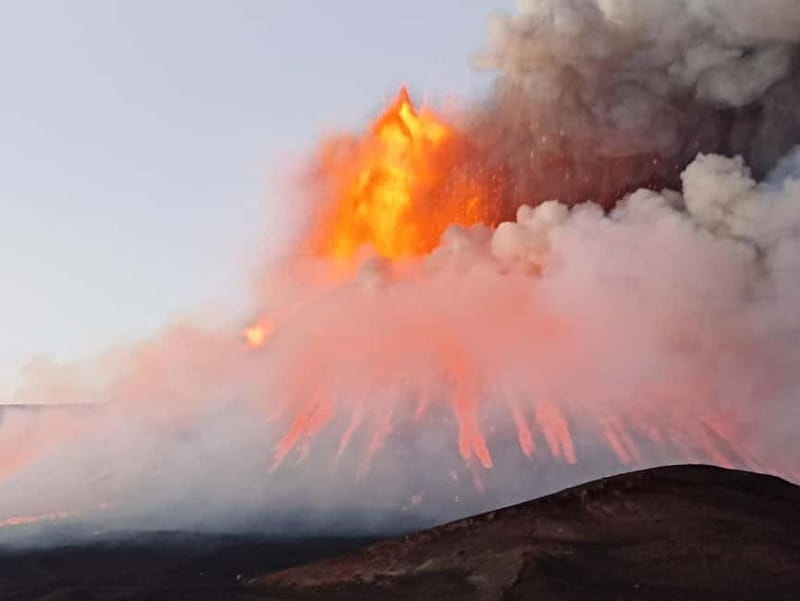
Skip or reconsider it if cold wind and sustained walking at altitude are deal-breakers for you. Also, if you’re hoping for dramatic red lava flowing in front of you, adjust expectations. You’re more likely to see smoke, gas, and crater behavior than glowing lava.
If you do book, prepare like a pro: use the provided trekking shoes, wear long pants, and pack warm layers even in shoulder seasons. Bring food and drinks for the lunch break, and consider gloves and a warm hat. Then let the guide do their job—slow pace up, smart explanations at the top, and a safe descent back to Piano Provenzana.
FAQ
Where is the meeting point?
You meet at Piano Provenzana Etna Nord (Piano Provenzana). The meeting location is provided by the operator’s map link.
How long is the tour?
The duration is listed as about 5.5 hours, with a total exclusion time of around 5–6 hours.
What time does the tour start?
Starting times vary. You’ll need to check availability to see the exact departure time for your chosen date.
Is the 4×4 jeep included in the price?
The jeep 4×4 round-trip ticket is not included. You pay the jeep ticket on site.
What equipment is included?
The equipment package includes helmets, trekking shoes, trekking poles, and wind jackets.
Do I get to see all four active craters?
The tour is designed around the four active craters: South-East, Bocca Nuova, North-East, and Central.
What languages are the guides?
The live tour guide is available in French, English, and Italian.
What should I bring?
Bring sunglasses, food, and drinks, plus comfortable clothes and long pants.