REVIEW · KATHMANDU
Annapurna base camp trek 5 Days
Book on Viator →Operated by Alpine Ramble Treks · Bookable on Viator
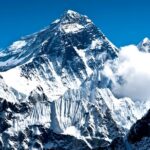
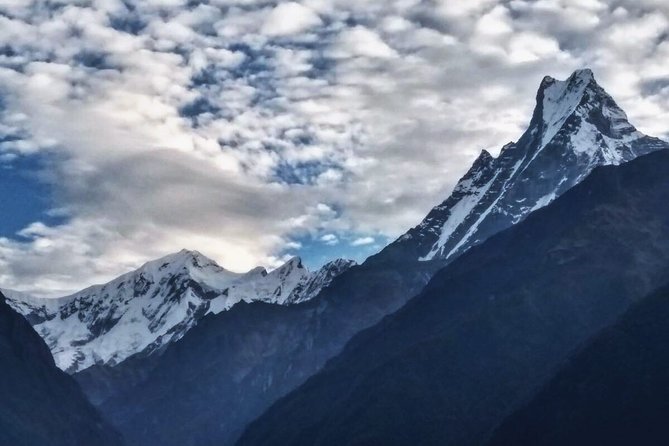
Fish Tail and Annapurna views hit early. This short Annapurna Base Camp trek blends an easy logistics package from Kathmandu to Pokhara with classic Himalayan walking through forests and up to the base camp view of Machhapuchare.
I especially like the way the trip bundles the stuff that can bog you down—tea house accommodation, meals on trek, permits, and an English-speaking guide—so you can focus on hiking and scenery.
The second thing I like is the “small group” feel, capped at 12 travelers, plus down jacket and sleeping bag provided for the trek. It’s one less gear headache, and it helps you travel lighter if you’re coming in from home.
One drawback to consider: the package includes trekking support, but at least some past guests flagged lapses around water purification and guide preparedness. Before you go, I’d confirm the water treatment plan in writing and assume you may want your own backup.
In This Review
- Key Things I’d Focus On
- Annapurna Base Camp in 6 Days: What This Short Trek Really Means
- Kathmandu to Pokhara: A Scenic Start That Sets the Tone
- Pokhara Lakeside Night: Where You Recharge Before the Climb
- Day 2: Birethati and the Push Toward the Trail Network
- Day 3: Sinuwa Hilltop and the Sunrise Lens
- Day 4: Reaching Annapurna Base Camp (The Big Payoff Day)
- Day 5: Upper Sinuwa Again—Sunrise Over Machhapuchare and Annapurna
- Day 6: Back Through Chhomrong to Jhinu Hot Spring (Then Siwai and Jeep)
- What’s Included: Where $699 Can Actually Feel Fair
- What’s Not Included: The Stuff You’ll Still Pay For
- Gear and Lodging: Comfort That’s Built Into the Plan
- Water, Tablets, and Guide Readiness: A Practical Checklist
- Price and Value: Why $699 Might Be a Smart Deal
- Who This Trek Suits Best (And Who Should Rethink It)
- Book It or Pass: My Honest Recommendation
- FAQ
- How long is the Annapurna Base Camp trek?
- What is the group size for this trek?
- Does the price include transportation from Kathmandu and to Pokhara?
- Is accommodation included on the trek?
- Are meals included?
- What trekking permits are covered?
- What gear is included for cold weather?
- What is the cancellation policy?
Key Things I’d Focus On
- Short-route planning: A route that includes travel from Kathmandu to Pokhara plus about five trekking days to Annapurna Base Camp.
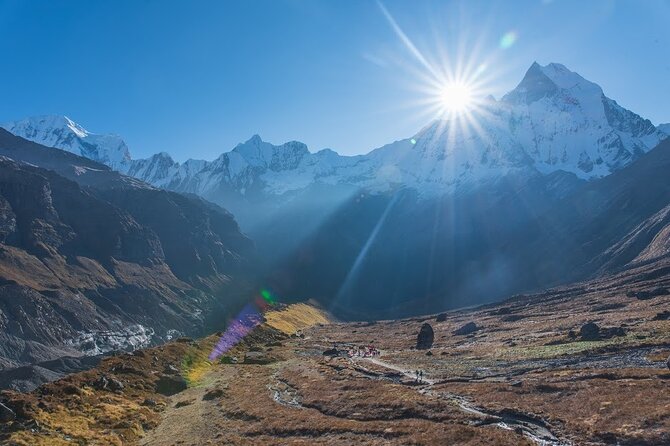
- Mountain icons up close: Regular chances to see Machhapuchare (Fish Tail) and Annapurna from hilltops and along the walk.
- Less guesswork, more included logistics: Transfers, tourist bus to Pokhara, permits, guide, and on-trek meals are built into the price.
- Comfort support: Tea house stays plus down jacket and sleeping bag included, which matters in cold nights.
- Quality check before departure: Past issues around water tablets and guide readiness mean you should verify your water setup early.
Annapurna Base Camp in 6 Days: What This Short Trek Really Means
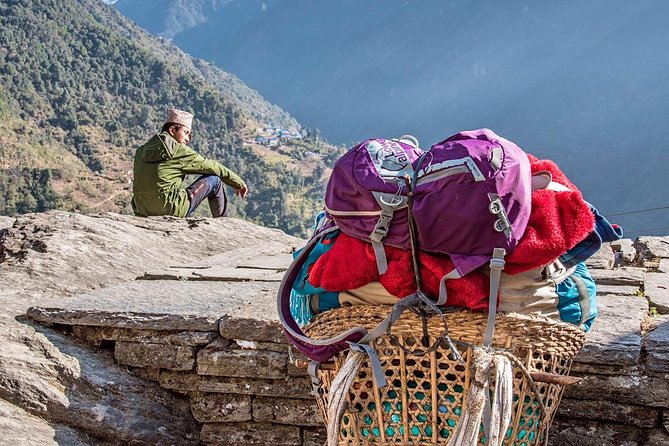
This is marketed like a 5-day Annapurna Base Camp trek, but the full plan runs about 6 days because Day 1 is all about getting you from Kathmandu to Pokhara and setting you up for the trail. That structure is smart if you want the big-name Annapurna Base Camp goal without turning the whole trip into a long, multi-week operation.
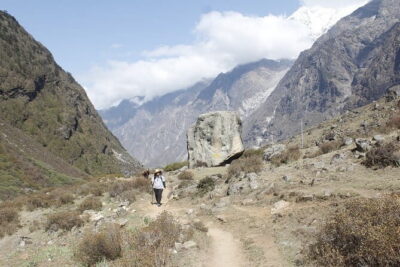
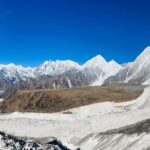
Your trek days are the part that counts: you’ll travel through the Annapurna Range on foot, with forests along the way (rhododendron, bamboo, and oak are specifically mentioned) before reaching Annapurna Base Camp. The view package is the main reason people choose this route: Machhapuchare (Fish Tail) is highlighted, along with multiple towering peaks in the region.
The pace is aimed at travelers with moderate physical fitness. That doesn’t mean it’s effortless. It means the plan is designed for people who can handle daily hiking and elevation changes without needing an athletic, ultra-long itinerary.
You can also read our reviews of more tours and experiences in Kathmandu.
Kathmandu to Pokhara: A Scenic Start That Sets the Tone
Day 1 is about travel, not trekking. You’ll head from Kathmandu to Pokhara by tourist bus along the Prithvi highway, then you’ll spend time around Pokhara Lakeside—an easy way to soak in Nepal’s trekking-town vibe before you climb higher.
The ride is listed at about 7 hours, and that matters. If you’re prone to feeling stiff after long bus days, treat this first day as your warm-up. Don’t book a tight sightseeing schedule afterward. Keep it simple: hydration, an early dinner, and an honest night’s sleep.
One practical advantage here is that airport transfers are included. That reduces the awkward gap that often happens when you land in Nepal and immediately need to arrange transport. You get picked up, you get to Pokhara, and you can focus on the next phase.
Pokhara Lakeside Night: Where You Recharge Before the Climb
After you arrive, you’ll go around the Lakeside area. I like this approach for short treks because it gives you a “landing pad” before the first walking day. Pokhara is built for trekkers. Even if you don’t plan major sightseeing, it’s where you can get your head in the right place: clean layers, quick shoe check, and a plan for the first trail segment.
Just note what is not included: food in Kathmandu and Pokhara is listed as not included. Meals on trek are covered, but your city days are on you. That’s normal for many trekking packages, but it’s worth budgeting so you don’t end up surprised on Day 1.
Also, the package provides a mobile ticket, which usually makes it easier to coordinate without printed paperwork. It’s a small thing, but for first-time travelers, it helps.
Day 2: Birethati and the Push Toward the Trail Network
Day 2 starts with breakfast at your Pokhara hotel, then you drive to Siwai by local jeep (about 2 hours). Before you reach Siwai, there’s a stop at Birethati, which is described as an entry point.
That jeep segment can be a relief. On short itineraries, you don’t want to spend every day fighting logistics. Instead, you want the walking days to be the star. This plan does that by using a vehicle to bridge part of the route, then putting you back on foot.
The included structure here is also helpful: there’s an on-trek guide to handle arrangements. If you like knowing who’s in charge of timing and connections, you’ll appreciate it. If you prefer to self-navigate, that’s a different style—but with permits, routes, and lodging, a guided plan usually pays off.
Day 3: Sinuwa Hilltop and the Sunrise Lens
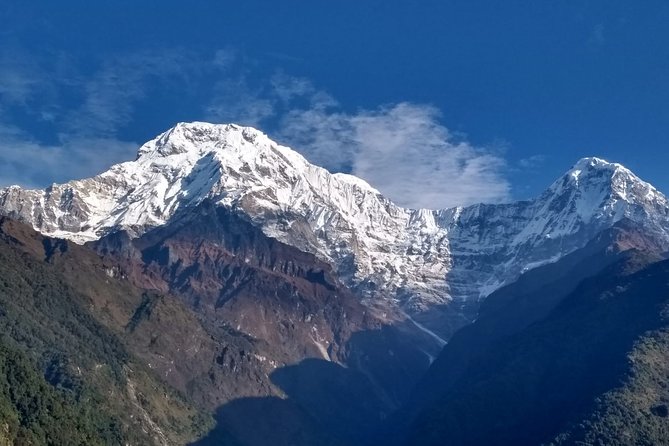
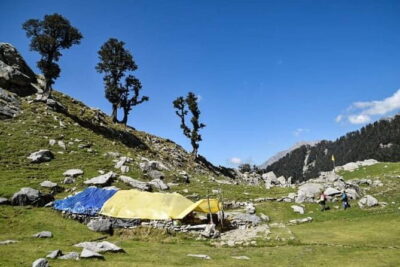
Day 3 centers on Upper Sinuwa (Sinuwa hilltop lodge and restaurant). You wake up with tea and a sunrise view, depending on weather. That weather caveat is real in the Himalaya, but it’s also where hilltop lodges earn their keep. Morning light often makes the peaks look sharper and more three-dimensional.
The itinerary mentions you descend after breakfast. In practice, that usually means this day is about getting lower terrain rhythm while still staying on the route toward camp. I like this kind of middle-day structure because it avoids turning every day into a max-effort grind.
For your comfort: because your package includes a down jacket and sleeping bag, you’re less dependent on finding winter gear in Kathmandu last minute. That’s especially useful if you’re traveling in with limited luggage space.
Day 4: Reaching Annapurna Base Camp (The Big Payoff Day)
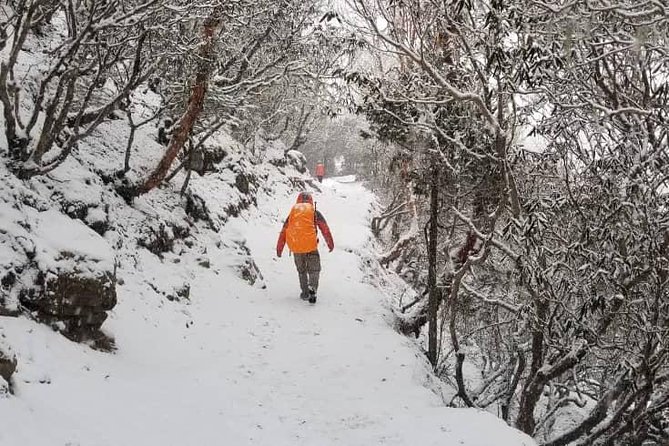
Day 4 is the headline day. You start with breakfast and then hike to Annapurna Base Camp, described as an exciting day because you reach on foot the base camp of the 10th tallest mountain in the world (as stated in the plan).
This is the day where the trek becomes more than exercise. The route is set up to deliver the big-picture Himalaya moments: tall snowy peaks and the iconic Machhapuchare (Fish Tail) look are explicitly part of the trek’s promise. Even if clouds play with visibility, the whole Annapurna Base Camp goal is about being in that high-elevation zone where the mountains dominate your sky.
Two practical thoughts for you:
- Bring layers even if daytime feels fine. Base camp can feel cold faster than you expect.
- Expect a long day of feeling “on.” Once you arrive, you’ll want to slow down, take photos, and absorb it—without rushing the rest of your afternoon.
Also, your permits are included, which is a genuine value point. For many trekkers, permits are one of the annoying, paperwork-heavy parts of planning. Here, that burden is removed.
Day 5: Upper Sinuwa Again—Sunrise Over Machhapuchare and Annapurna
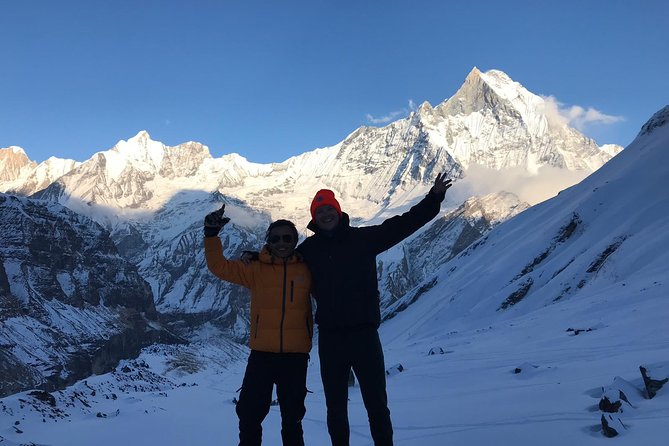
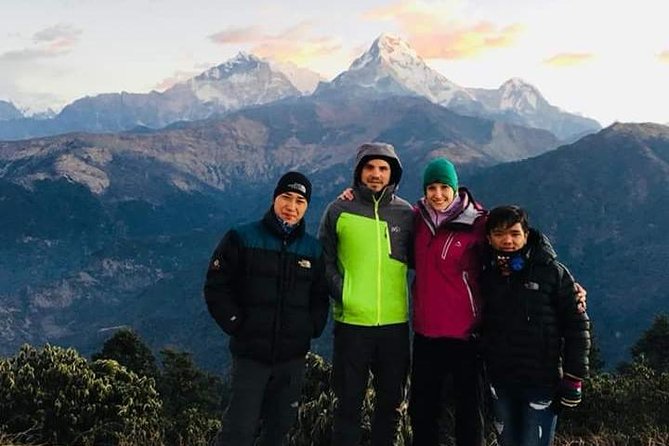
Day 5 brings you back to Sinuwa hilltop lodge and restaurant. The morning includes a walk up a bit to experience the sun rising over Machhapuchare and Annapurna towering above you.
This is the kind of “repeat location” design I actually like on short treks. It gives you another morning chance for clear views, which matters because mountain weather can change quickly. If your Day 3 sunrise was a bust, this is another shot.
The itinerary mentions breakfast after the short exploration, which helps you keep the day from feeling like nonstop climbing. The goal here isn’t to win a summit race; it’s to enjoy the high-altitude scenery and then set up for the return descent.
Day 6: Back Through Chhomrong to Jhinu Hot Spring (Then Siwai and Jeep)
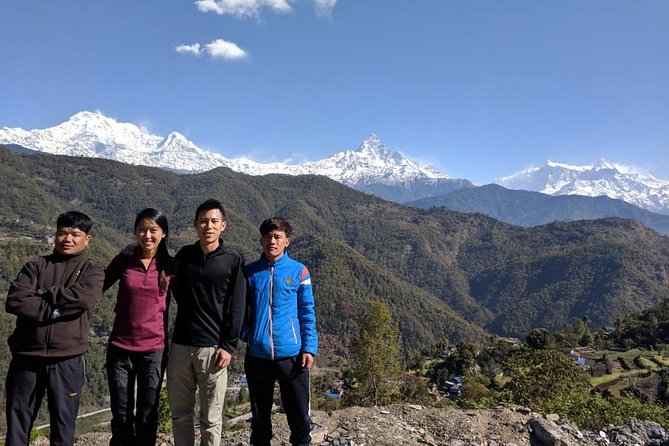
Day 6 is a return day, but not a boring one. You follow the same trail until Chomrong, then the route descends steeply to Jhinu hot spring. From Jhinu dada, you trek down to Siwai for about 2 hours, then take a local jeep back.
This structure is practical: you get the comfort of a different kind of payoff on the descent. Steep sections are hard on knees, so having a hot-spring stop in the plan is a nice morale move. Even if you don’t turn the hot spring into an all-day soak, the simple fact that it’s there can help you push through the toughest walking segment.
One thing to remember: steep descent can be more tiring than the uphill for some people. If you know your knees get cranky, use trekking poles if you have them. The package includes key cold-weather items, but it doesn’t explicitly mention poles in the provided details.
What’s Included: Where $699 Can Actually Feel Fair
Let’s talk value, because the price is where many people get stuck. At $699 per person, you’re not just paying for a guide and a bed. The package lists a lot of essentials as included:
- Airport pick and drop
- Tourist bus from Kathmandu to Pokhara
- All ground transportation
- Trekking guide (local English speaking friendly)
- Trekking permits
- Tea house accommodation on the trek
- Meals on trek: 5 breakfasts, 5 lunches, 5 dinners
- Down jacket and sleeping bag
- Insurance, equipment, food, transportation, and the guide salary (as listed in the package)
- A farewell dinner
- ART’s free t-shirt (hiking t-shirt)
- Certificate of achievements
- Mobile ticket
That bundle is why this feels like more than a “cheap trek.” Permits, transport, and guided logistics add up quickly when you price them separately. If you’re traveling without trekking gear, the jacket and sleeping bag being included is a real savings point too.
What’s Not Included: The Stuff You’ll Still Pay For
Your package explicitly does not include:
- Extra accommodation behind the schedule
- Food in Kathmandu and Pokhara
- Arrival visa fees
- Tips for guide and staff
- Travel insurance
I’d treat those as your main budget line items beyond the trekking fee. Tips are common on guided treks, and while the amount varies, you should plan for it. The same goes for travel insurance: if something happens, you don’t want to discover at the worst time that you had no coverage.
Also, if you arrive early or want a longer buffer in Kathmandu or Pokhara, extra nights become your responsibility. A short trek can be tight on timing, so give yourself a bit of slack if possible.
Gear and Lodging: Comfort That’s Built Into the Plan
A standout on paper is the inclusion of down jacket and sleeping bags. That’s not just nice—it’s risk reduction. Cold nights can drain you, and being cold makes everything harder the next day.
Tea house accommodation is included on trek. That means you’re not booking every lodge yourself, which saves time and stress. What you get in return is predictability: meals, lodging, and routing are coordinated around your guide and the itinerary.
One small note: while the package is set up to reduce friction, you’ll still want to bring everyday basics like a headlamp, decent trekking shoes, and a water bottle. Those items aren’t listed as included in your details.
Water, Tablets, and Guide Readiness: A Practical Checklist
Here’s the part I think you should take seriously. Some past experiences pointed to issues with water purification tablets—the guide forgetting them and then being reluctant about correcting it, including a situation where you might end up paying for water or dealing with a scramble later.
I can’t control how your specific guide handles things. But I can help you reduce the odds of a stressful fix-on-the-fly moment.
Before you start, ask your guide or organizer clearly:
- Are water purification tablets included on the trek, and in what amount?
- Where do you expect to purchase or replace them if you run out?
- What’s your plan for treating drinking water each day?
If the answer is vague, I’d bring your own purification backup. Even a small personal supply can save your day if something gets missed.
Also, one negative theme was about guide preparedness—being unsure about the trek plan at the start. That’s not something you want to deal with once you’re already hiking. I’d request a quick walkthrough of the day-by-day plan before leaving, even if it feels repetitive. It’s your time too.
Price and Value: Why $699 Might Be a Smart Deal
You’re paying for a lot of “invisible” logistics: permits, transportation, guide time, lodging coordination, and a big chunk of your on-trail food. On a trek like this, those costs are usually the difference between a smooth trip and a trip where you spend more time negotiating than moving.
The group size cap of 12 travelers is also part of the value. It’s not a massive crowd where you’re always stuck waiting, and it’s not so tiny that you feel like you’re stuck with one person who didn’t plan well.
Still, value isn’t only about the price. It’s about execution. Because you have explicit package inclusions, you should expect them to happen. If your trip starts with missing essentials like water treatment, that’s where value can evaporate fast. That’s why your pre-trip check matters.
Who This Trek Suits Best (And Who Should Rethink It)
This works well if:
- You want Annapurna Base Camp on a short timeline
- You’d rather rely on an English-speaking guide for permits and logistics
- You don’t want to source gear yourself because jacket and sleeping bag are included
- You can handle moderate daily hiking and elevation changes
You might rethink if:
- You’re extremely sensitive to guide changes or prefer total independence
- You know you need strict certainty about water treatment and staffing readiness
- You’re planning to add extra city nights without accounting for the fact that extra accommodation isn’t included
If you’re a first-time trekker, this is a solid “managed intro” to the Annapurna area—just come prepared to verify the basics.
Book It or Pass: My Honest Recommendation
I’d book this trek if you want a guided, short Annapurna Base Camp experience with a clear plan, included permits, and gear support. The structure from Kathmandu to Pokhara, the hilltop mornings, and the final push to base camp are all aligned to deliver the iconic mountain moments without a long slog.
I wouldn’t book it blindly. Do two things:
- Confirm the water purification plan and bring a backup if needed.
- Make sure your guide can explain the day-by-day flow so you’re not guessing while you’re on the move.
If those checks are solid, the package can be good value for a classic Annapurna goal.
FAQ
How long is the Annapurna Base Camp trek?
The itinerary runs about 6 days, with Day 1 for travel from Kathmandu to Pokhara and the next days focused on trekking to Annapurna Base Camp and back.
What is the group size for this trek?
This experience has a maximum of 12 travelers.
Does the price include transportation from Kathmandu and to Pokhara?
Yes. Airport pick and drop off are included, and a tourist bus to Pokhara is included as part of the trip.
Is accommodation included on the trek?
Yes. You get tea house accommodation during the trek.
Are meals included?
Yes. Breakfast (5), lunch (5), and dinner (5) are included as part of the trek package. Food in Kathmandu and Pokhara is not included.
What trekking permits are covered?
Trekking permits are included in the package.
What gear is included for cold weather?
A down jacket and sleeping bags are included.
What is the cancellation policy?
Free cancellation is available. You can cancel up to 24 hours in advance for a full refund. If canceled less than 24 hours before the start time, the amount paid is not refunded. If canceled due to poor weather, you’ll be offered a different date or a full refund.