REVIEW · KATHMANDU
Everest Panorama Trek
Book on Viator →Operated by Epic Adventures Pvt. Ltd. · Bookable on Viator
Everest views without the full grind. This 8-day Everest Panorama trek lines up big Everest panoramas from the Sherpa trail circuit around Lukla, Namche Bazaar, and Tengboche, and you can stay focused on walking because meals and overnight stays are included. You get the famous mountain silhouette moments without signing up for the full, punishing Everest Base Camp climb.
The one trade-off to plan for is altitude plus early starts. You’re looking at a 5:00 am start and an early Lukla flight, so even though the route is considered gentler, you’ll still want to move at a steady pace and dress for cold mornings and nights.
In This Review
- Key highlights to care about before you go
- Everest Panorama Trek: what you’re really signing up for
- Price and value: what $1,225 buys you here
- Day 1 in Kathmandu: airport greeting and a calm start
- Day 2: Lukla flight and the first trek to Phakding
- Day 3: pine forest, Dudh Koshi bridges, and Namche Bazaar
- Day 4: Tengboche and the classic Everest viewpoint lineup
- Day 5: descending toward Monjo via wildlife-friendly forest
- Day 6: the lower-altitude finish toward Lukla
- Day 7: fly back to Kathmandu
- Day 8: farewell and what you take home
- Guides and crew: why it can feel easy (or not)
- How fit do you need to be for this Everest Panorama route?
- What’s the best part of the route for photos and wonder?
- Should you book this Everest Panorama Trek?
- FAQ
- How long is the Everest Panorama Trek?
- How much does the trek cost?
- Where does the trek start?
- What’s the maximum group size?
- Are meals included?
- What fitness level do I need?
- What if the weather is poor?
Key highlights to care about before you go
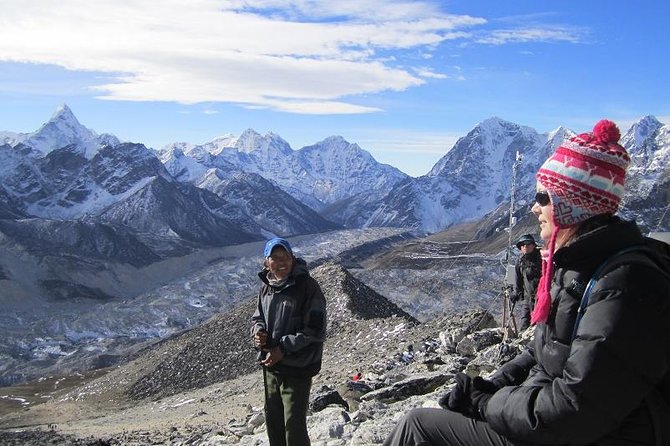
- Panorama route, not base-camp grinding: you still see Everest and the classic Everest ridge angles from village viewpoints and the Tengboche area.
- Suspension bridge day (with Hillary Suspension Bridge): the Dudh Koshi river crossings are a real “I’m here” moment.
- Tengboche lodge night on a monastery-focused route: hilltop views and the spiritual tone of the area shape the best photos.
- Meals and overnight stays included: less admin stress, more time to enjoy the trail.
- Small group size (max 15): easier pacing and smoother logistics on a tight mountain schedule.
- Guide support shows up by name: people have praised guides and crews such as Ramkumar, Anil, Basu, OM, Gyanashwor Adhikari, Nima (and porter Santosh) for motivation and care.
Everest Panorama Trek: what you’re really signing up for
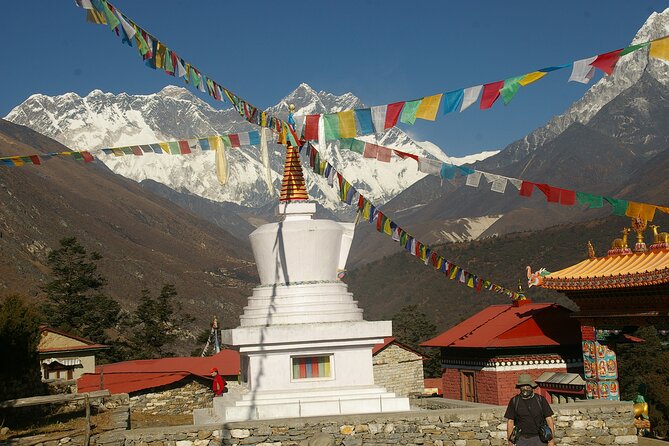
If you want “Everest” but you don’t want the hardest version of the trek, this is the honest middle ground. You’ll walk through the Everest region on a multi-day route that’s designed to be less arduous than the classic Base Camp slog, while still delivering dramatic views of the world’s tallest peak.
The catch is that “gentler” doesn’t mean “easy.” You’re still trekking in high terrain with a lot of ups and downs, and you’re also working around early flights and mountain weather. Think of it as a guided, scenic high-altitude trek where the goal is perspective: Sherpa villages, monastery views, and those iconic Himalaya lookouts that make people stare at the horizon for long minutes.
This trip also makes practical sense for many travelers. It’s run as a small group (up to 15), includes meals and overnight stays, and uses a straightforward Kathmandu-to-Lukla-to-Kathmandu flow. If you like having your days organized and want to spend your energy on the trail instead of logistics, you’ll probably appreciate the structure.
You can also read our reviews of more tours and experiences in Kathmandu.
Price and value: what $1,225 buys you here
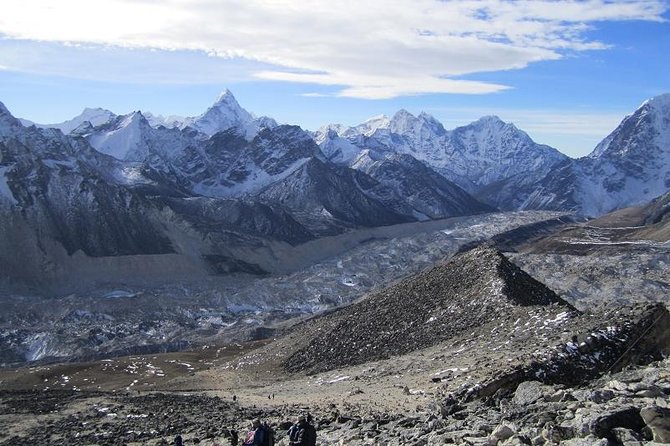
At $1,225 per person, the smart question isn’t whether it’s “cheap.” It’s whether you’re paying for something real. In this case, you are: you’re paying for a guided trek package that handles the core moving parts that usually add up fast in Nepal—transport to the trekking start, the domestic flights into the region, and day-to-day support with meals and overnight stays along the way.
You also get extras that reduce friction. Pickup is offered, and you’ll have a mobile ticket. Group discounts are mentioned, which matters if you’re traveling with friends and want to keep costs reasonable.
What I can’t confirm from the provided details is whether items like personal snacks, bottled drinks, trekking gear, or tips are included—so plan your budget for those “everyday” mountain expenses. Also, weather can affect operations, and the experience runs as a weather-dependent trek.
Day 1 in Kathmandu: airport greeting and a calm start
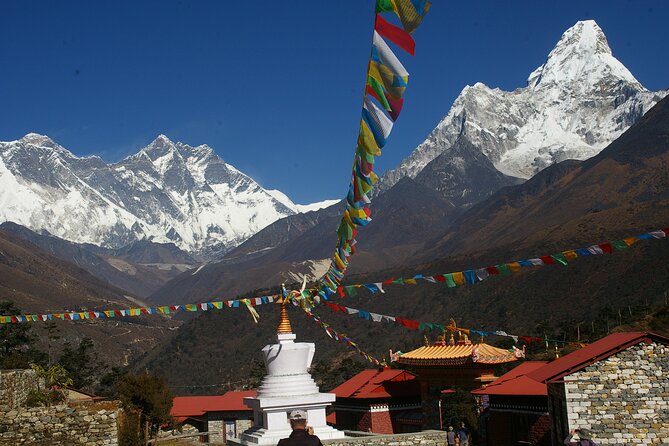
You’ll land in Kathmandu and be met by a representative holding your name at the arrival gate. Then it’s a transfer to your hotel. That sounds simple, but it’s a big deal when you’re arriving after a travel day and you’re not sure how quickly you’ll find the right person in a busy airport.
This day is also your chance to do the unglamorous stuff well. Eat something normal, drink water, and keep your sleep schedule as steady as possible. You’re not hiking today, but you are gearing up for a very early morning the next day.
Since the hotel area is described as near public transportation, you’ll have an easier time if you need to pick up anything small and last-minute.
Day 2: Lukla flight and the first trek to Phakding
The adventure properly starts after breakfast. You’re escorted to Kathmandu’s domestic terminal for an early morning flight to Lukla (2,800m / 9,186ft). Lukla is the gateway, and once you land, you begin the trek through the prosperous village of Lukla, then continue toward Phakding.
The walking time is about 3 to 4 hours to reach Phakding. This is your warm-up day—long enough to feel like a trek, short enough to let your body settle in. You’ll likely notice the air feels thinner than at sea level, even if you don’t feel dramatic symptoms. That’s your cue to keep your effort moderate.
A practical tip: early flights can tighten your morning routine. Pack for comfort the night before so you’re not scrambling at dawn.
Day 3: pine forest, Dudh Koshi bridges, and Namche Bazaar
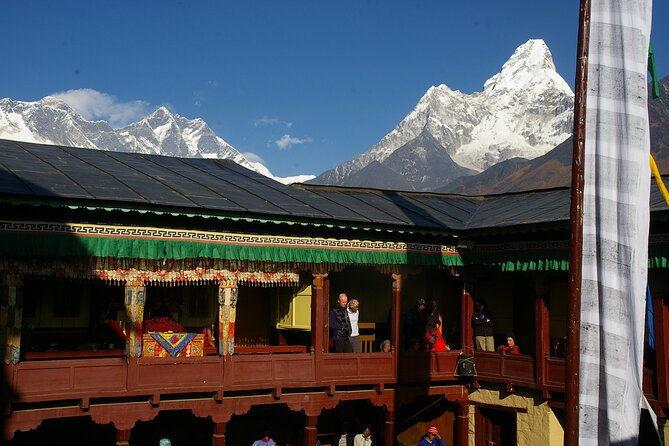
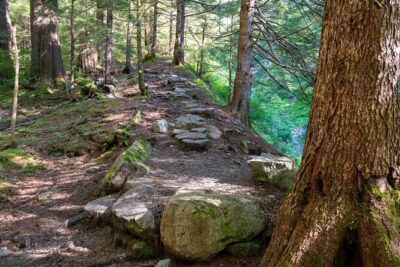
Today is about 5 to 6 hours of trekking. The trail works through a beautiful pine forest and follows the Dudh Koshi River. You cross multiple suspension bridges, including the famous Hillary Suspension Bridge.
This is the day where the Everest region starts to feel like a “system” rather than a destination. The river valley gives you constant movement, and the bridges keep breaking up the scenery in a good way—so even if you’re walking at a steady pace, you’re rarely bored.
You’ll also catch a wonderful prospect of Mt. Thamserku (6,618m) during the trek. Even without Everest directly overhead, these peaks start to frame your worldview: big mountains in layers, with details you can’t see from far away.
Overnight is in Namche Bazaar. Namche is the core Sherpa hub and a true base for the region’s culture and trading. You’ll have a lodge night here, which helps your body adjust before the bigger view days.
Day 4: Tengboche and the classic Everest viewpoint lineup
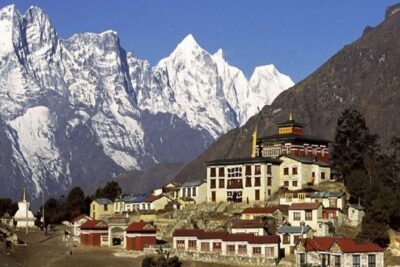
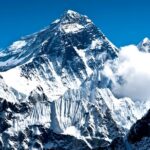
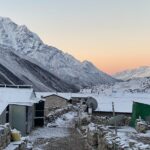
Day 4 is another 5 to 6 hours, moving toward Tengboche. This is the day built for scenery and the kind of panoramic stares that make people pause mid-trail.
You’ll enjoy superb views of:
- Mt. Everest
- Mt. Nuptse
- Mt. Lhotse
- Mt. Ama Dablam
Plus a close-up look at Thamserku.
Lunch is described as a relaxed stop at Phunki Thenga, then you climb a bit more through pine forests to reach Tengboche lodge. It’s a slightly tougher segment, but the reward is how the trail “opens” toward the peaks as you gain elevation.
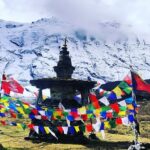
Why Tengboche matters: it’s tied to hilltop monastery atmosphere. Even if you’re not religiously minded, you’ll feel the change in rhythm when you’re walking near these spiritual sites—calmer, more reflective. It’s also a very photogenic place, because the viewpoints tend to be wide and clean.
If you tend to get cold easily, this is a day to stay warm while you’re walking and then layer up quickly when you stop.
Day 5: descending toward Monjo via wildlife-friendly forest
This day is again 5 to 6 hours. The trail runs along a steep wooded slope beyond Kyangjuma, winding through several bends. It’s one of those sections where your brain focuses on footing more than scenery, but that doesn’t mean the day is dull.
The route description includes wildlife spotting possibilities such as mountain goats, snow leopards, and colorful pheasants while passing through the forest. Obviously, wildlife sightings aren’t guaranteed, but the fact that the route supports these animals tells you you’re walking through real habitat, not just a paved “tour corridor.”
Then you get a steep descent from Namche Hill to a suspension bridge crossing the Dudh Koshi River near the confluence of the Dhudh Koshi and Bhote Koshi Rivers. This river junction is a big geographic moment—where the valley energy feels especially strong.
You’ll overnight in Monjo. Here’s a small operational detail that actually matters for the overall trip feel: the descent also means the porters have a less strenuous walk back toward Lukla the next day. That’s a sign the route is managed with the whole team in mind, not only the hikers.
Day 6: the lower-altitude finish toward Lukla
Day 6 is 4 to 5 hours, and it’s described as your last walk at lower altitude in the Everest region. That shift is real. You’ll still walk, but the day’s mood is more “closeout” than “push.”
Most of the track is flat, mixing open plains with rhododendron and pine forests, with Kwangde Peak in the distant background. Flat doesn’t mean effortless—your stamina still matters—but it’s usually easier on your breathing than steep uphill days.
This is also the last evening in the mountains for many people. The plan notes that some group members may not be returning with you to Kathmandu, which gives the day a natural closure feeling. In practical terms, it’s often when you realize how much your crew has helped you get through the week—guides and porters keep the pace manageable, and they also help you handle the small problems that pop up in high terrain.
You’ll overnight back in Lukla.
Day 7: fly back to Kathmandu
Today is a flight back to Kathmandu. After days of walking, it feels strange to move faster than your legs—but it’s also a welcome reset. Use the remaining time in Kathmandu to get a decent meal, shower fully, and let your body cool down from the trekking rhythm.
Day 8: farewell and what you take home
Your final day is described as Farewell Friend. That’s the emotional end point, but the “real” takeaway is usually the mountain perspective you didn’t expect to gain.
Most people don’t come away saying they mastered Everest. They come away feeling they understood the region better—its villages, monastery areas, and those huge panoramic frames where Everest is the headline but not the only star.
Guides and crew: why it can feel easy (or not)
One of the most praised parts of this overall style of trek with Epic Adventures is the way guides support the group day to day. Names that come up include Ramkumar, Anil, Basu, Shree, OM, Gyanashwor Adhikari, and Nima. Porters are also highlighted, including Santosh.
Here’s what that usually means for you as a hiker:
- You get clear communication, which helps on days with steep descents or confusing sections.
- You may get motivation and pacing that keep you from blowing energy too early.
- If you’re feeling low or physically strained, you’re not left to figure it out alone.
Some reviews also mention guide humor and help with local context or even local lingo. Even when you’re tired, that kind of conversation makes the day feel more human.
Of course, guide assignment can vary, and you’re still the one climbing. But it’s encouraging that the service team gets recognized by name for exactly the things that keep high-altitude days from turning into chaos.
How fit do you need to be for this Everest Panorama route?
The tour lists a moderate physical fitness level. That’s not a marketing word. It generally means you should be comfortable hiking for 4 to 6 hours with changing terrain, and you should be able to handle chilly mornings and uneven footing.
Because the itinerary includes multiple 5 to 6 hour days, your goal is to practice consistency more than heroics. If you go too fast early, you’ll pay later—especially around altitude and cold.
Practical pacing I’d use if I were training for this:
- Take fewer “hero sprints” and more steady steps.
- Use trekking poles if you have them. Descents are hard on the knees, and you’ll have steep down days.
- Start warm, but don’t overheat. Layering matters more than one “big jacket.”
You’ll also want to keep your hydration steady, since you’re at higher elevation and walking hard. If you’re prone to altitude headaches or nausea, talk to your guide early and follow their advice. This trek has guides whose support style is specifically praised, including for taking care of people who feel unwell.
What’s the best part of the route for photos and wonder?
It’s not just one view. The itinerary is structured so you get mountain moments in different styles:
- Bridge-and-river drama along the Dudh Koshi
- Town energy in Namche Bazaar
- A monastery-style hilltop viewpoint in the Tengboche area
- Descent angles that show how the valleys connect back toward Lukla
So even if you’re not the type who plans your “perfect shot,” you’ll still end up with plenty. The big peaks are the headline, but the setting—pine forests, rhododendron, suspension crossings, and village stops—makes the photos tell a story instead of just showing a mountain.
Should you book this Everest Panorama Trek?
Book it if you want:
- Everest views without the full strain of a base-camp mission
- A guided, organized itinerary with meals and overnight stays handled
- A smaller group size (max 15) and the kind of crew support that gets called out by name
- Cultural stops tied to Sherpa villages and the Tengboche monastery area
Consider skipping (or choosing a different Everest format) if:
- You know early starts and domestic flights stress you out.
- You’re hoping for a truly “low effort” walk. This is still high-altitude trekking.
- You want guaranteed wildlife sightings. The route may support them, but it’s not promised.
One more practical note: the experience is listed as requiring good weather. If weather affects operations, you’ll be offered a different date or a full refund, and you can cancel up to 24 hours in advance for a full refund.
If your goal is the Everest region’s big panoramas, Sherpa culture, and those hilltop monastery views—this is a strong fit.
FAQ
How long is the Everest Panorama Trek?
It’s listed as 8 days approximately.
How much does the trek cost?
The price is $1,225.00 per person.
Where does the trek start?
After an early flight from Kathmandu to Lukla (2,800m), the trek begins in Lukla.
What’s the maximum group size?
The tour lists a maximum of 15 travelers.
Are meals included?
Dinner and breakfast are included (with breakfast listed for 6 days). The trip also states meals and overnights are included.
What fitness level do I need?
Travelers should have a moderate physical fitness level.
What if the weather is poor?
The experience requires good weather. If it’s canceled due to poor weather, you’ll be offered a different date or a full refund.