REVIEW · MOUNT ETNA
Etna: Craters of the 2002 Eruption Trekking Experience
Book on GetYourGuide →Operated by Guide Vulcanologiche Etna Nord · Bookable on GetYourGuide
Etna’s 2002 wounds are still visible. I really like the way this guided trek takes you to the 2002 eruption craters on Etna’s north side, walking through forest, lava streams, eruptive fractures, and the summit theater formed by the blasts that destroyed Piano Provenzana. I’m also a fan of the Calabrian Coast views—and the guides, like Daniele and Vincenzo, make the science easy to follow with humor and real on-mountain explanation.
The main thing to watch is effort and footing: the volcanic ground can be inconsistent, and you’ll walk near crater edges, which may cause dizziness for some people. If you’re prone to vertigo or you don’t have solid hiking shoes, take this warning seriously.
In This Review
- Key highlights I’d circle on your map
- Where you start: Chiosco Bar Mareneve and the Piano Provenzana road
- What the hike feels like: forest steps, lava streams, and eruptive fractures
- The Hotel dell Betulle stop: one ruin that makes 2002 real
- Learning the north-side story: morphologies linked to flank eruptions
- Hornitos and cinder cones: the small vents that matter
- Summit craters: looking over the edge, then stepping into the sandy channel
- Price and value: why $41 can be a fair deal (if you’re prepared)
- What to bring so the trek stays fun (not stressful)
- Who should book this Etna trek—and who should skip it
- Quick practical tips from what guides do well
- Should you book this trek to see the 2002 craters?
- FAQ
- How long is the Etna: Craters of the 2002 Eruption trek?
- Where do I meet the guide?
- What’s the tour price and what’s included?
- What does the tour not include?
- Do I need to rent trekking shoes?
- Is this trek suitable for kids or for people afraid of heights?
- What if it’s snowy?
Key highlights I’d circle on your map
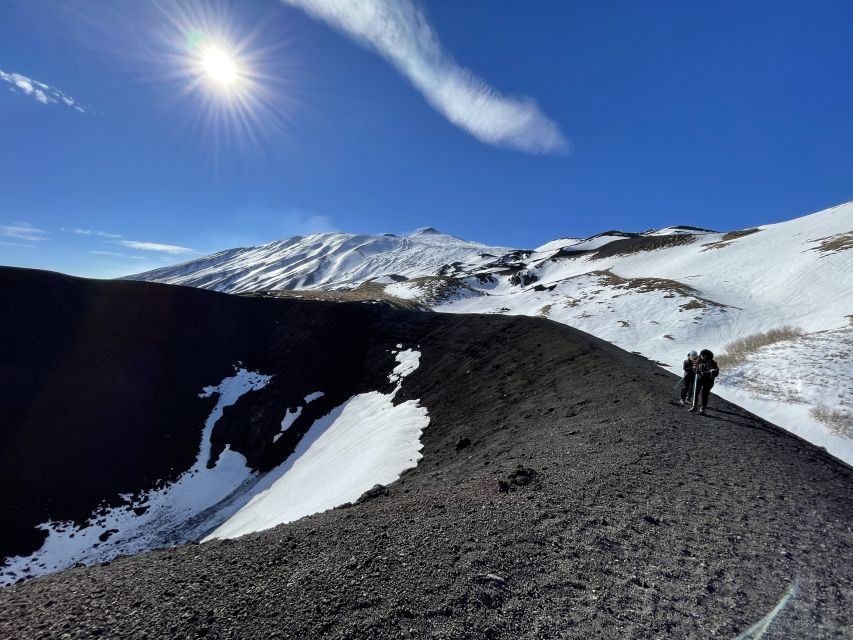
- Crater-edge walking tied to the 2002 eruption: you don’t just look from far away
- Eruptive theater views plus the sea: summit moments feel big and open
- Ruins at the Hotel dell Betulle: the only visible structure from the 2002 flow
- Hornitos and cinder cones: small “ovens” with big clues about how Etna vents
- Time with an official volcano guide: explanations are part of the hike, not an add-on
- A quieter feel: you’re in the volcanic terrain without the mega-crowd vibe
Where you start: Chiosco Bar Mareneve and the Piano Provenzana road
This is a 3-hour guided trek on Etna’s north side, and it begins at the Chiosco Bar Mareneve—make sure it’s Mareneve, not Chiosco Bar Etna Nord in the lower parking lot. The meeting point matters because the chairlift area is nearby and it’s easy to end up at the wrong bar if you follow the wrong sign.
Once you’re with the group, you’ll start moving along a dirt road route that runs from Piano Provenzana up toward the summit craters. That approach is part of the experience: you gradually feel the change from more sheltered ground toward the harsher volcanic features near the craters.
One small logistics note that actually affects your day: there’s a parking ticket that costs 3€ for the whole day, and you pay it after the excursion. It’s not included, so plan on having the cash/card ready when you finish.
You can also read our reviews of more tours and experiences in Mount Etna.
What the hike feels like: forest steps, lava streams, and eruptive fractures
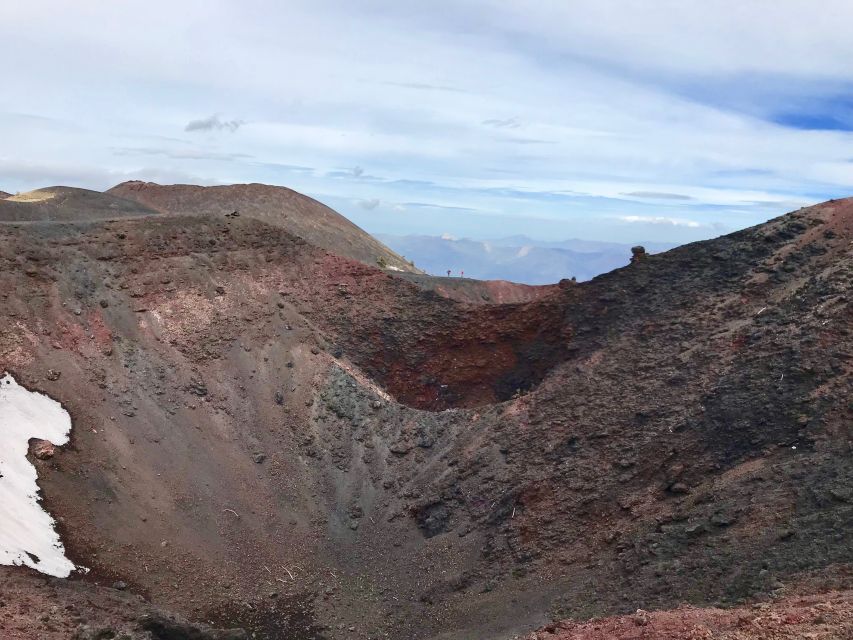
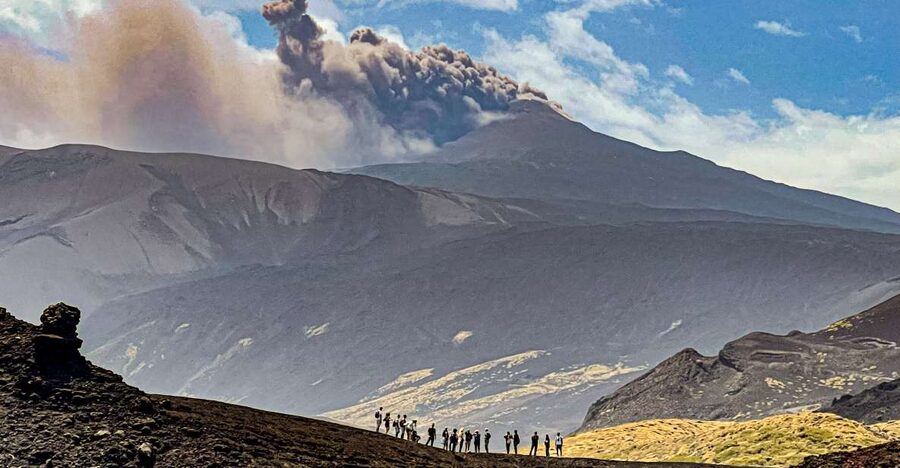
The core of the trek is a guided walk through a chain of volcanic formations. You’ll spend time in the forest, then transition into stark, volcanic surfaces where the ground tells a story—lava streams, eruptive fractures, and other features formed by activity over time on Etna’s north side.
What I like about this structure is that the tour doesn’t treat Etna as one big “wow.” Instead, you get to compare multiple shapes and textures as you move. The guide helps you connect what you’re seeing to how volcanoes release energy—especially through cracks and flows.
You’ll also hear about the 2002 event in a way that stays grounded to what’s physically around you. The crater region you reach at the top is tied to that eruption, but the walk up is also about how flank activity leaves evidence along the north side.
The Hotel dell Betulle stop: one ruin that makes 2002 real
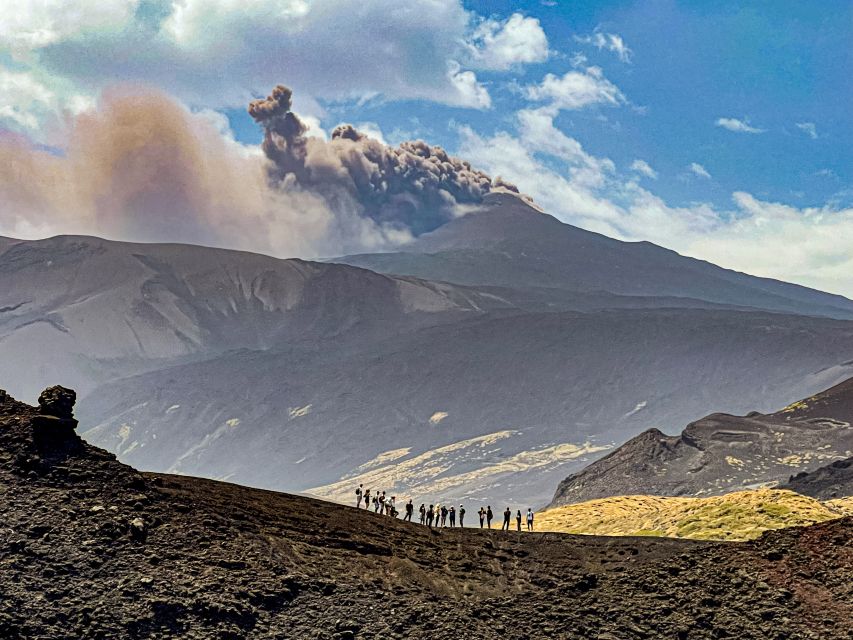
At some point on the route, you’ll stop to see the ruins of the Hotel dell Betulle. This is described as the only visible structure standing from the 2002 lava flow, so it’s not just a random photo stop.
For me, that kind of stop is what turns a “volcano tour” into something you remember. You’re looking at the scale of the eruption without needing imagination. You can walk the surrounding route and then picture how quickly a landscape can change when lava and ash move through a lived-in area.
If it’s windy, this stop can also feel like a true wind-at-the-face moment—because you’re often near open volcanic terrain. Bring your wind layer seriously.
Learning the north-side story: morphologies linked to flank eruptions
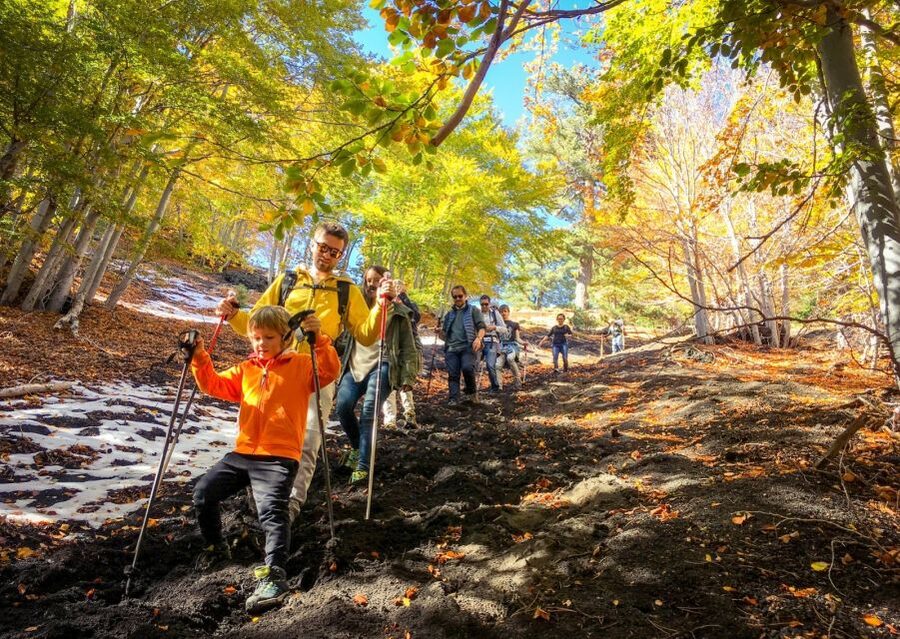
The walk includes time to “read” volcanic morphologies along the route—shapes in the terrain you can study with the guide explaining what they signal. The emphasis here is on flank eruptions, since those leave the most evidence on Etna’s north side.
A key reference point is the idea that the most recent flank eruption threatened the city of Linguaglossa. Even if you don’t know the place before your trip, it adds urgency to the geology. You’re not only seeing a scientific feature—you’re seeing how an eruption can affect real neighborhoods.
This is also where the official guide format matters. You’re not just told what to photograph. You’re guided through why one feature exists where it does, and how different eruption styles shape the ground.
Hornitos and cinder cones: the small vents that matter
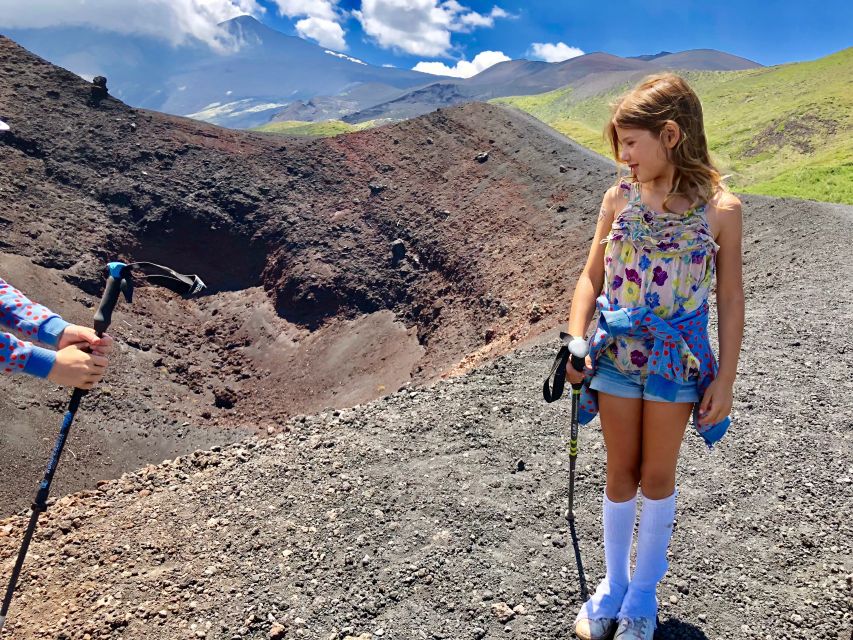
One of the most interesting sections is the visit to the structures called Hornitos. The name means something like small “ovens,” which fits what you’ll be looking at: small over-structures tied to how gases and material rise and vent.
From there, the trek goes up along cinder cones. This part of the hike tends to feel more “volcanic” underfoot—looser material, sharper slopes, and the sense that you’re moving across the immediate aftermath of eruption activity.
If you’re trying to decide whether this is too hard, think of it as a steady climb with pauses for explanations. The guides adjust the pace based on conditions, but the route includes an ascent and walking along crater edges. That means you should be comfortable with uneven ground and short stretches that make you work.
Summit craters: looking over the edge, then stepping into the sandy channel
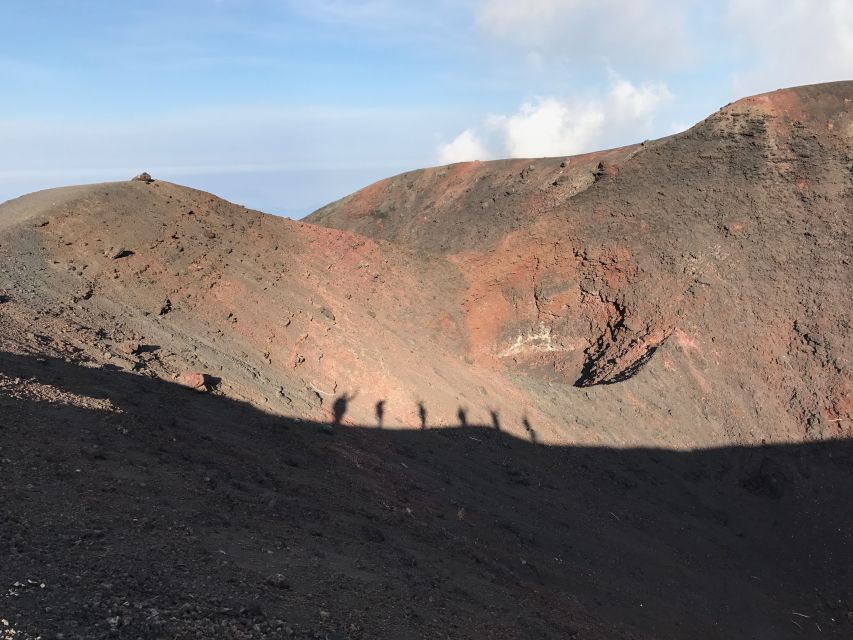
When you reach the summit craters area, you get a very direct view of the crater edges. You’ll look over the rim into what’s formed by the eruptive activity, then descend back toward the start.
A unique detail here is that you’ll go down inside a sandy channel to return. It’s not described as a technical descent, but it does mean you’ll be navigating shifting sand underfoot—so good shoes really matter.
This is also where dizziness and height fear can become an issue. The activity is specifically flagged as not ideal for people who are afraid of heights or who have vertigo. Even if you’re an experienced hiker, being near crater edges can mess with your balance if you’re sensitive to drops.
Price and value: why $41 can be a fair deal (if you’re prepared)
At $41 per person, this trek is priced for a short, guided geology session—3 hours with an official volcano guide and accident insurance.
Here’s the value math that matters most: you’re paying for expert guidance in a real volcanic environment, plus insurance coverage that depends on you having appropriate footwear. You’re not paying for luxury extras like transport from your hotel, trekking sticks, snacks, or water.
What’s not included (so budget a bit for it):
- Transport from your accommodation to the start
- Trekking sticks
- Trekking shoes (rent on-site at authorized rentals for €5 per pair)
- Windbreaker
- Gloves or hats in colder months (especially winter/spring/autumn)
- Snacks and bottled water
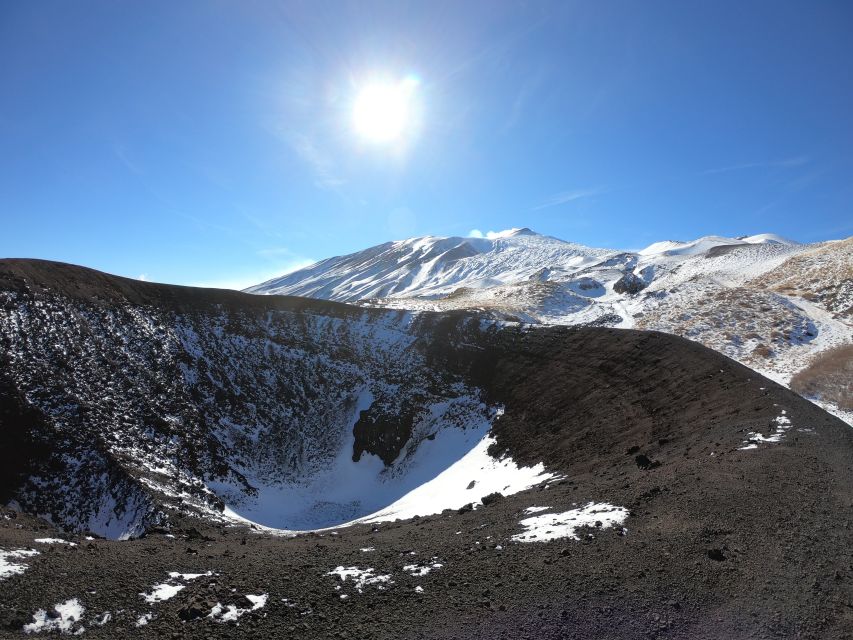
- Snowshoes if needed in winter months (Dec–Mar): €12 per person rental
For many people, the biggest “hidden” cost is shoes and what you’ll bring to stay comfortable. If you plan properly and rent footwear if needed, the $41 price feels reasonable for a guide-led crater and lava-forms experience.
What to bring so the trek stays fun (not stressful)
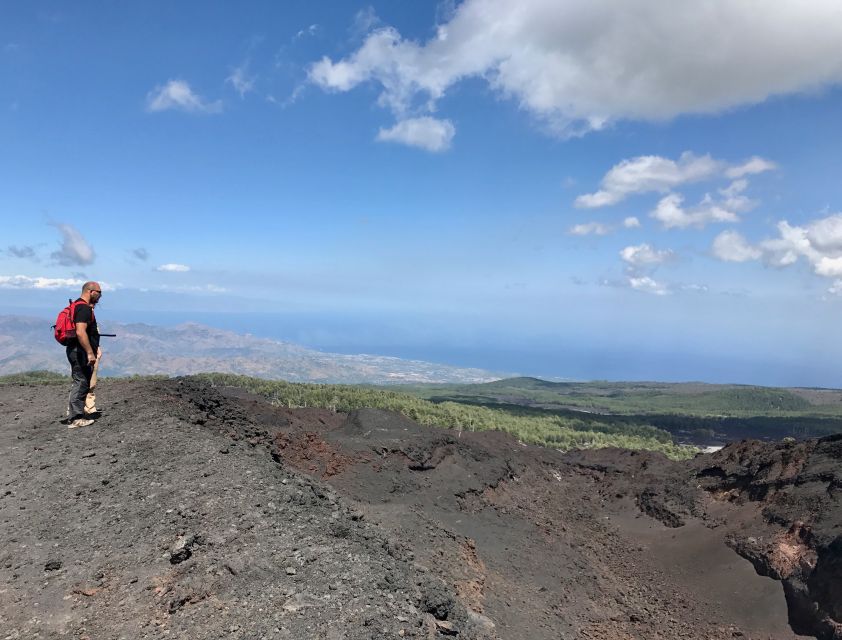
You’ll have the best time if you treat this like a serious hike, even though the duration is only 3 hours.
Bring:
- Hiking shoes with grip (no sandals, no flip-flops)
- Windbreaker, especially if weather turns
- Sunglasses and sunscreen
- Water plus snacks (those aren’t included)
- A jacket and comfortable clothes
- A daypack
Avoid:
- High-heeled shoes, sandals/flip-flops
- Baby strollers, luggage, and large bags
- Skirts and slippers
Also, plan for conditions. The trek can vary at the guides’ discretion if environmental, climatic, or volcanic conditions change. That flexibility is normal on volcano days, and it’s one reason you should pack for wind and temperature swings.
Who should book this Etna trek—and who should skip it
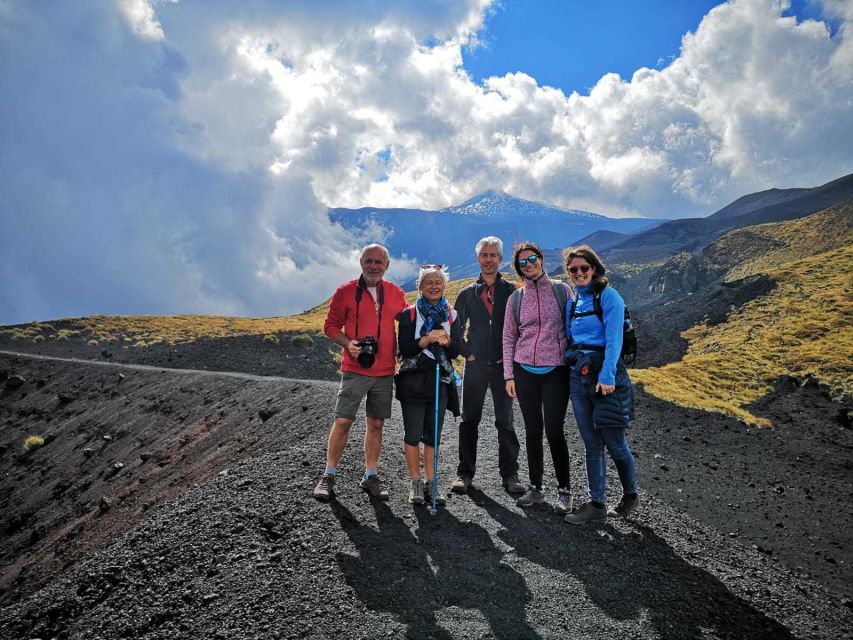
This is a guided hike reserved for hikers with medium training. It’s not set up for a casual stroll. If you do regular physical activity, you’ll likely find it manageable, even if the climb and crater-edge walking slow you down.
It’s a good match if:
- You want authentic geology on the north side of Etna, including the 2002 eruption features
- You like learning from a guide on-site, not just reading plaques
- You want epic views (eruptive theater and sea) without joining an overwhelming crowd
I’d think twice if you:
- Have vertigo, fear of heights, or dizziness sensitivity
- Have significant back problems, heart problems, respiratory issues, epilepsy, or mobility impairments
- Are pregnant
- Don’t do regular physical activity
Age fit: it’s not suitable for children under 6.
Quick practical tips from what guides do well
A few things help make this trek feel smoother:
- Show up at the right bar: Mareneve, not Etna Nord
- Wear proper shoes before you start—insurance coverage is tied to adequate footwear
- If you forget a layer, many guides carry spare options. It’s not guaranteed, so still pack your wind protection
- Expect wind. Several guides note it can be a factor, and it can change how comfortable the summit section feels
Should you book this trek to see the 2002 craters?
Book it if you want a short, high-impact Etna walk focused on real eruption evidence—especially the crater edges, lava streams, fractures, and the 2002-linked features like the Hotel dell Betulle ruins and the hornitos/cinder cone area. The official volcano guide format and the mix of science with a human, sometimes humorous tone (I’ve seen guides like Daniele, Vincenzo, Davide, and Niko lead similar groups) make it feel like more than just sightseeing.
Skip it if you’re not comfortable with crater-edge walking, uneven volcanic ground, or strong weather. Also don’t plan on wearing inadequate footwear. On Etna, “fine for a photo” becomes “dangerous underfoot” fast.
If you’re the type who enjoys hands-on learning and don’t mind a real hike for views, this one is a solid pick.
FAQ
How long is the Etna: Craters of the 2002 Eruption trek?
It lasts about 3 hours, though the exact trail time can vary depending on the group pace.
Where do I meet the guide?
Meet at Chiosco Bar Mareneve (not Chiosco Bar Etna Nord). It’s near the winter chairlift area and is the second house in the parking lot.
What’s the tour price and what’s included?
The price is $41 per person. Included are the official volcano guide and accident insurance.
What does the tour not include?
Transport to the start isn’t included, and you also need to plan for trekking sticks, snacks, bottled water, parking ticket (3€), trekking shoes rental, and weather clothing like a windbreaker. Snowshoes are extra in winter months.
Do I need to rent trekking shoes?
Trekking shoes are not included, and insurance depends on having adequate shoes. You can rent shoes on-site for €5 per pair at authorized rentals.
Is this trek suitable for kids or for people afraid of heights?
It’s not suitable for children under 6. It’s also not recommended for people afraid of heights or for those with vertigo.
What if it’s snowy?
During winter months (December, January, February, March), snowshoes are available to rent on-site for €12 per person. The tour notes this as recommended in snow.