REVIEW · MOUNT ETNA
Etna: summit craters trekking with volcano guide 3350mt
Book on GetYourGuide →Operated by Ashàra Etna & Stromboli Guides · Bookable on GetYourGuide
Etna looks unreal from the crater rim. The big draw here is the way you mix summit hiking with cable car and a 4×4 ride, getting you up near 2,800 meters before you even start walking. I like that the day is built around the active-vulcano reality of Mount Etna, so your stops are always about what’s happening right now, not just what used to happen.
I also love the focus on the geology from a real certified volcano guide. Guides such as Antonio, Massimo, and Giacomo show up repeatedly in feedback as the kind of people who explain what you’re seeing in plain language, then keep the group moving at a pace that feels safe on uneven, sandy ground. You get real field gear too: boots, a helmet, walking sticks.
One consideration: the tour price does not include the cable car and 4×4 jeep tickets, and those are €65 per person paid in cash on the spot.
In This Review
- Key highlights worth getting excited about
- The Etna summit craters day: what you’re really signing up for
- Getting there the Etna South way: Rifugio Sapienza to 2,800 meters
- The main hike on volcanic ground: from lunar terrain to Central Crater
- Valle del Bove and the descent feel: why the back half matters
- The ride back: cable car timing and why you should keep your energy
- What’s included vs what costs extra (and how to judge the value)
- Guides, safety, and real-world group pacing
- What to bring so the day feels doable (not miserable)
- Difficulty level and who should skip it
- Price, timing, and the reality of active-volcano logistics
- Should you book this Etna summit craters trek?
- FAQ
- How long is the Etna summit craters trekking experience?
- What does the price include, and what costs extra?
- How high do you go on this trek?
- Where do you meet the guide?
- What kind of hiking difficulty should I expect?
- What should I bring, and what’s not allowed?
Key highlights worth getting excited about
- Cable car + 4×4 start: ride up to about 2,800 m, then start your summit hike from there
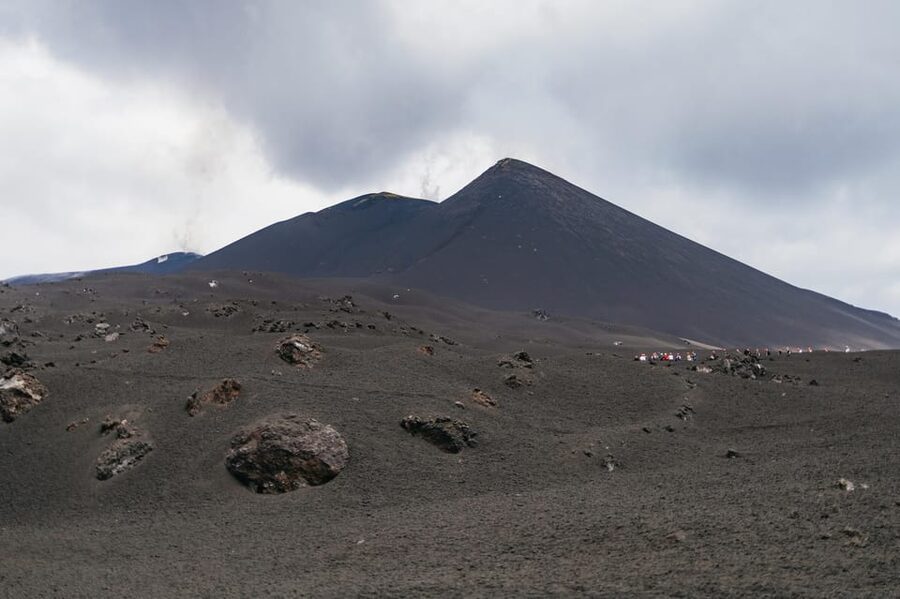
- Central Crater rim walking: views over the Northeast and Southeast Craters, with key photo stops
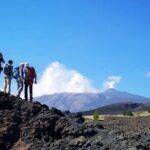
- Lava channel crossing: you’ll step through and around volcanic terrain that feels lunar
- Valle del Bove time: a big, dramatic walk during the descent phase
- Safety-first route changes: if conditions are risky, you’ll adjust and still keep the day valuable
The Etna summit craters day: what you’re really signing up for
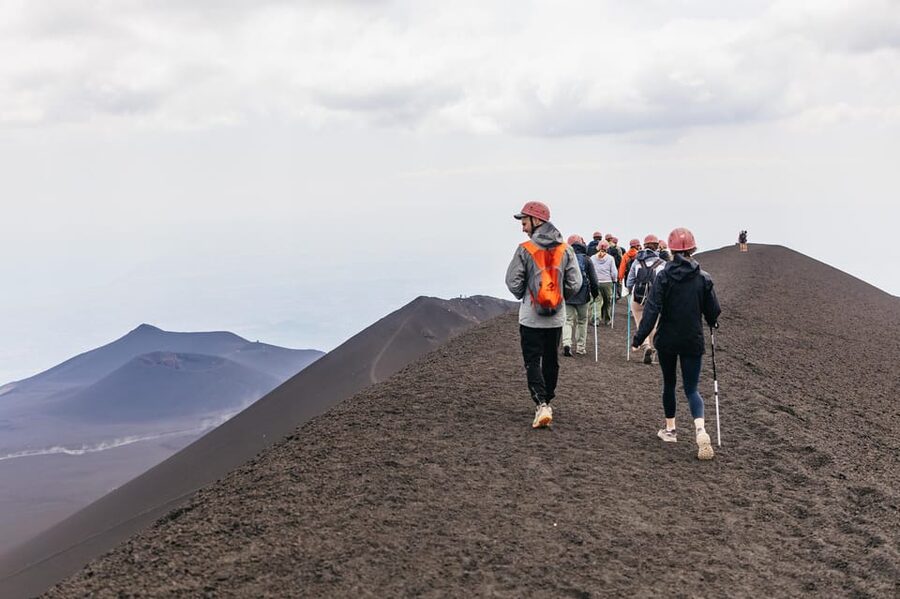
This is not a casual nature walk. It’s an active-volcano hike aimed at people who can handle moderately trained effort on sandy or uneven terrain at high altitude. The route centers on the summit crater area and related sights like lava channels and Valle del Bove, which is where Etna’s scale really hits you.
The best part is also the most important part: an active volcano means the day can change. On calm days, you’re working toward the crater rim. On rough days, you might stop short of the planned summit craters and still get a solid program up to the maximum altitude allowed that day. That adaptability is built into the experience, not treated as a backup plan.
You can also read our reviews of more tours and experiences in Mount Etna.
Getting there the Etna South way: Rifugio Sapienza to 2,800 meters
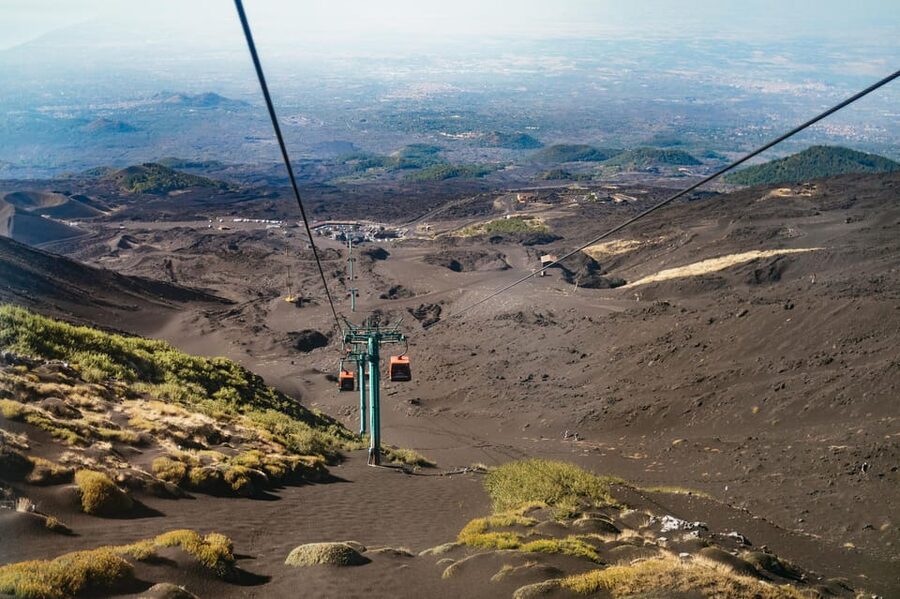
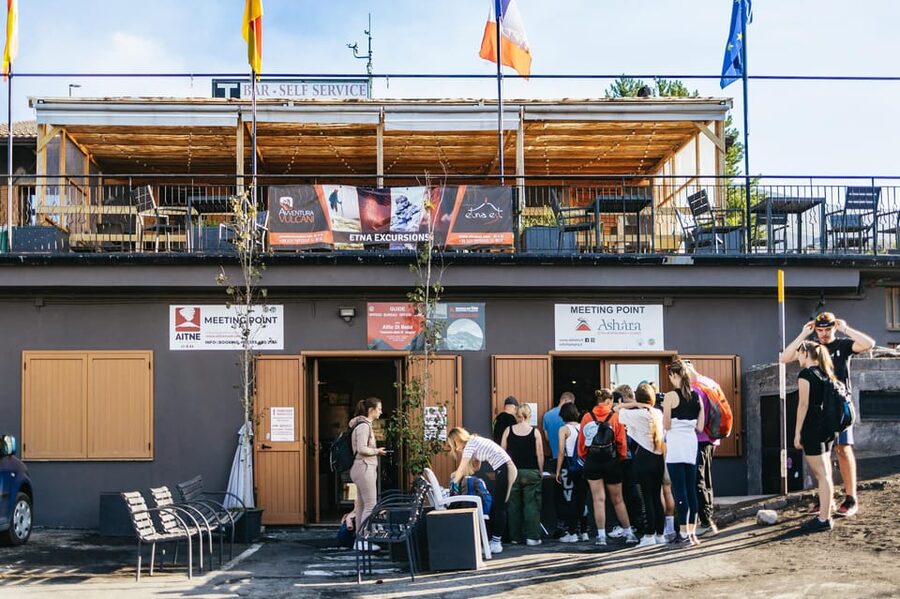
The day starts at Ashàra’s info point at Rifugio Sapienza on Etna’s South side, near the Terrazza dell’Etna restaurant. This matters because it puts you close to the action from the start: you’re not spending hours just reaching the mountain trailheads.
Then comes the signature rhythm:
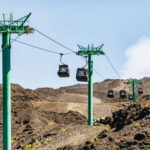
- Cable car (about 25 minutes) up
- Jeep/SUV 4×4 (about 30 minutes) to roughly 2,800 meters
- A short viewpoint walk before the main hiking section
Why I think this format works: Etna is high, and time matters when conditions get windy. Using the cable car and 4×4 cuts down on the “getting to altitude” part, so you can spend your energy on the rim views, lava terrain, and the crater-area story your guide will explain.
Plan for cold and wind even in warm Sicily. Reviews repeatedly mention wind-chill up high and the need for proper layers, including gloves or wind protection. If you only pack for beach weather, Etna will correct you fast.
The main hike on volcanic ground: from lunar terrain to Central Crater
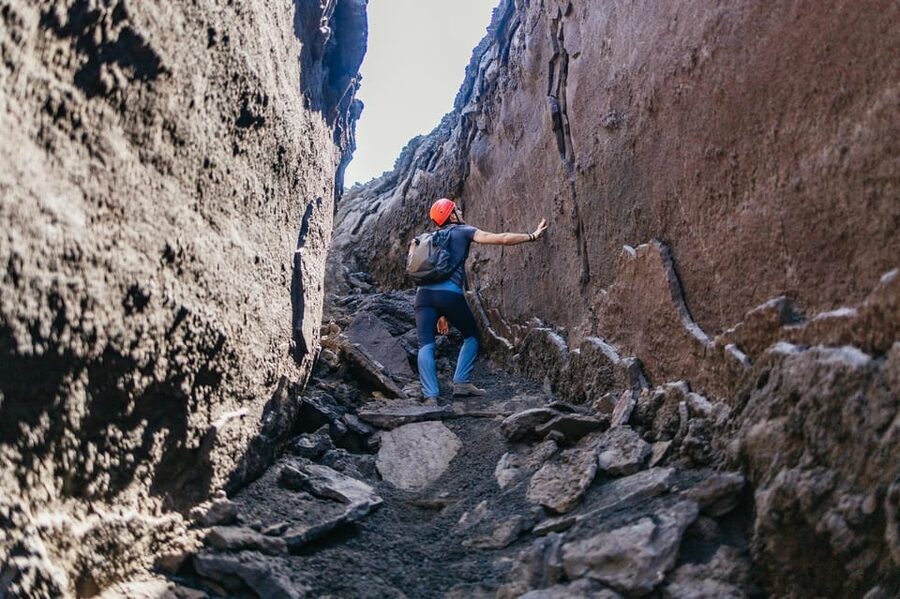
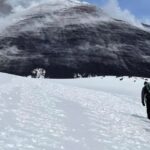
After the vehicle ride, you’ll start your roughly 2-hour walk toward the summit crater area. This is where the day becomes physical. The terrain you’re walking across isn’t paved, and it can include volcanic sand and uneven surfaces.
Your stops are also the point:
- You’ll pause for scenery and guidance along the way toward the Cratere Centrale dell’Etna.
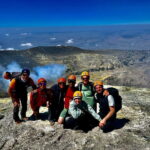
- You’ll reach the Mount Etna summit craters, where you’ll get a guided tour plus a break and photo time.
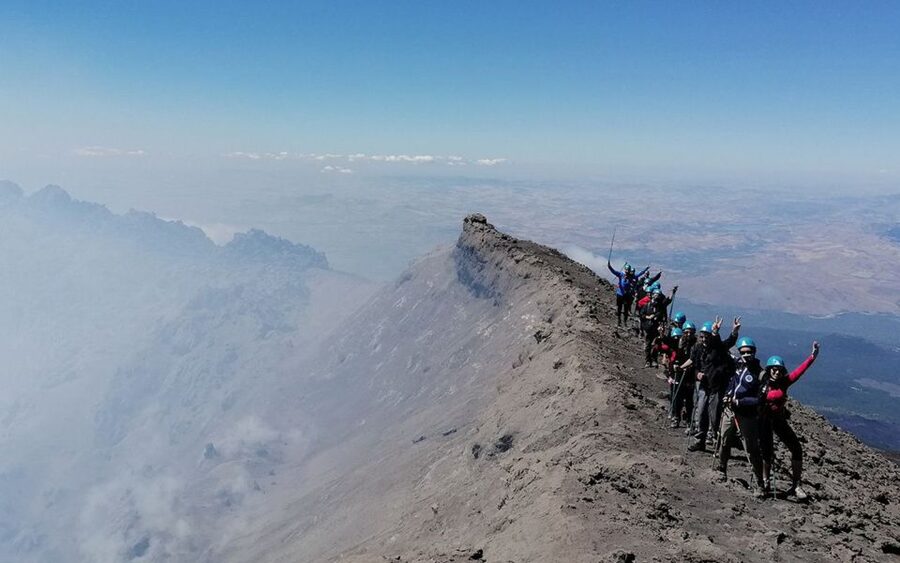
The Central Crater rim is the star. From there, you can look down into the Northeast Crater and the Southeast Crater—especially the Southeast Crater associated with recent impressive eruptions. Even when you don’t see a dramatic eruption, the crater rim gives you the best “Etna is a working system” perspective.
And the guide’s explanations matter here. You’re walking through gas-emission territory and volcanic material, including details like volcanic bombs and sulfur-heavy colors from sublimation. That’s one of those things that sounds abstract until you’re standing there and someone points out what you’re looking at.
Valle del Bove and the descent feel: why the back half matters
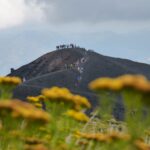
Once the summit-crater segment is done, the day turns toward the descent and the wider Etna story. You’ll visit the Barbagallo craters, then cross a lava flow channel, and continue on to Valle del Bove.
This section is a big reason to book. Valle del Bove gives you scale—broad views, dramatic drop-offs, and the feeling that you’re inside a volcanic system shaped by real forces over long time periods. It’s also a good contrast to the tightness of crater-rim walking. After the concentration of the summit, Valle del Bove helps your brain reset and take in the whole shape of the volcano.
Expect this part to feel like “still hiking, just different hiking.” Your legs will be tired, but the terrain and views keep it interesting.
The ride back: cable car timing and why you should keep your energy
You’ll head back to around 2,500 meters and climb aboard the Etna cable car again for the return. The second cable car ride is short, about 25 minutes, but mentally it’s important: it’s your “you did it” moment after a high-altitude hike day.
Two practical notes:
- Eat and drink during breaks. Food and water are not included, so plan snacks in advance.
- Dress for wind and temperature swings. Even if Catania is warm, the crater area can feel brutally cold at altitude.
What’s included vs what costs extra (and how to judge the value)
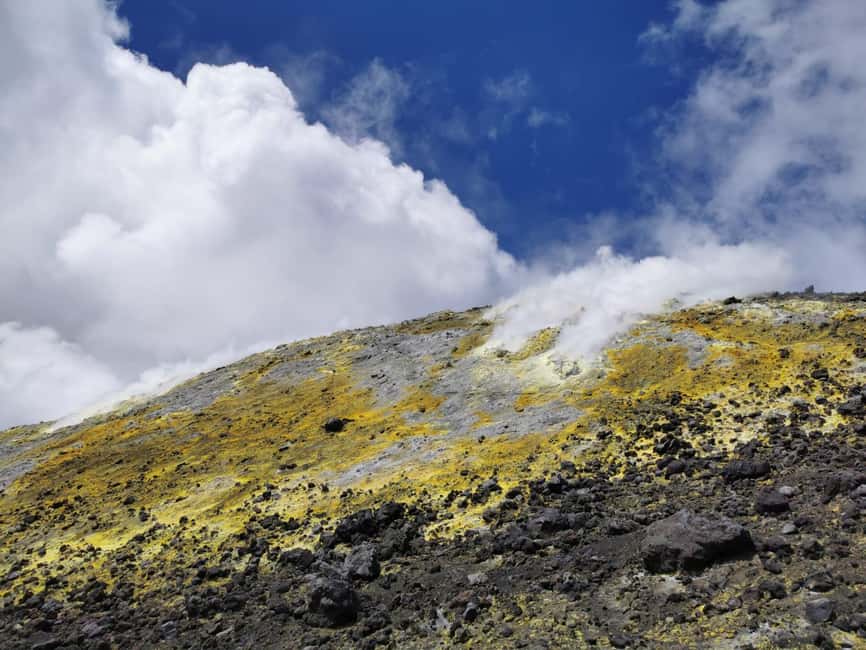
The hike price is listed at $77 per person for the core experience. Included items are a big part of the value:
- Hiking tour and a volcano or alpine multilingual guide
- Hiking boots, rock helmet, and walking sticks
- RCT insurance
What’s not included is the cable car and 4×4 jeep tickets: €65 per person, payable on the spot in cash only. Food and water are also not included.
So how do you judge value? For me, the value formula looks like this:
- You’re paying for more than walking. You’re paying for high-altitude logistics (cable car + 4×4), active-volcano safety coordination, and gear.
- You’re also paying for the guide’s role in reading the day—weather, wind, and volcanic restrictions—and adjusting the plan.
Yes, the add-on cost means you should budget more than the advertised $77. But you’re also getting a real guided crater hike setup instead of renting gear last-minute or trying to improvise on an active volcano.
Guides, safety, and real-world group pacing
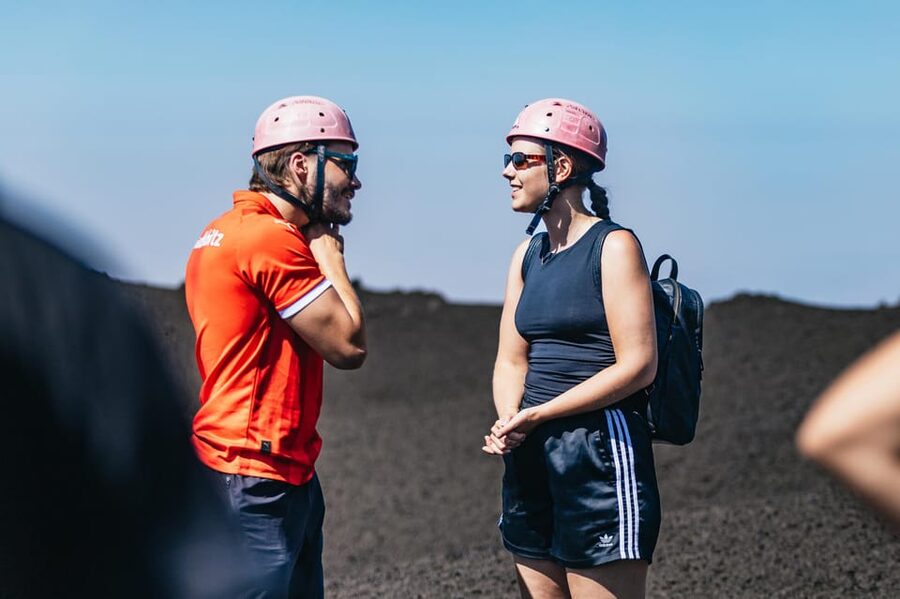
This is where Etna tours can make or break. Here, safety and pacing show up strongly in feedback.
In particular, guides like Antonio, Massimo, Giacomo, and Giovanni are repeatedly praised for:
- keeping people safe when wind or volcanic conditions limit access
- explaining volcanic mechanics in a way the group can follow
- using humor and clear instruction to reduce stress on steep, windy segments
- adjusting pacing with breaks so less-experienced hikers still feel in control
You’ll also see examples of itinerary changes in response to high winds or eruption warnings. One day might mean you stop short of the crater rim. Another day might swap the order of sights. The common thread is that the guide stays in charge of decision-making based on safety and what’s permitted.
One more practical detail: group size can vary. A smaller group often means faster transitions and less waiting for outfitting. A larger group can mean more time putting on boots and helmets. Either way, show up ready to start on time and you’ll feel the flow go smoother.
What to bring so the day feels doable (not miserable)
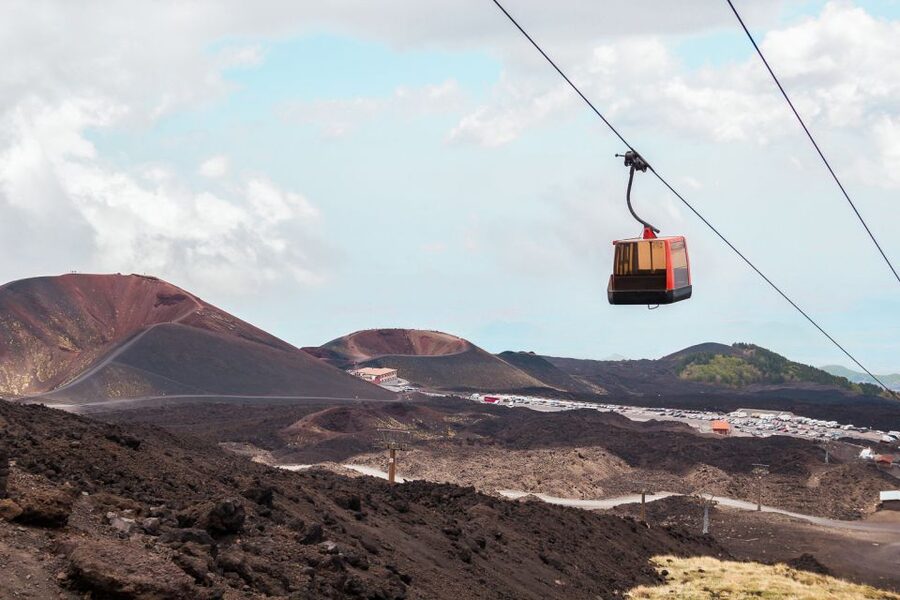
The tour provides boots, walking sticks, and a helmet, but you still need to show up properly packed. The essentials list is straightforward, and it matches what people recommend after freezing on the summit.
Bring:
- Sunscreen, sunglasses, and a sun hat
- A jacket and long pants (shorts aren’t allowed)
- Socks and a T-shirt (plus an extra T-shirt so you can change if you sweat)
- Daypack (about 10–20L)
- Snacks and a packed lunch, plus water and drinks
And add two things you’ll be glad you have:
- Gloves: wind can be cold even when it’s warm in Catania
- A face covering: at altitude, plus dusty volcanic ground, it helps with grit and chill
Also note what’s not allowed: pets, baby strollers, luggage or large bags, and shorts.
Difficulty level and who should skip it
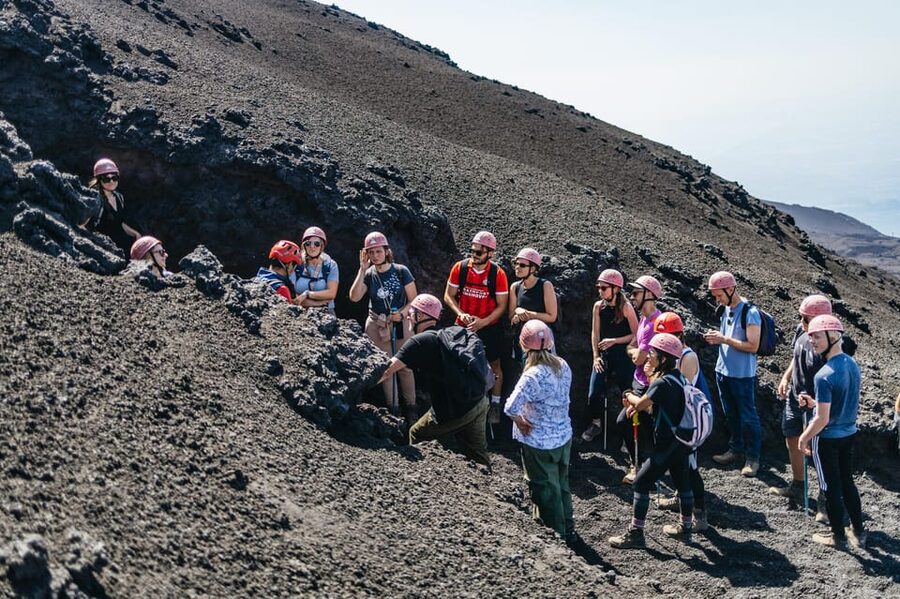
This hike is rated medium-high difficulty. You should feel comfortable hiking on sandy, uneven terrain and moving at altitude.
It’s not suitable for:
- children under 11
- pregnant women
- people with back problems
- people with heart problems
- people with vertigo
- people with respiratory issues
- people with high blood pressure
If any of those apply, you’ll enjoy Etna more by choosing a lower-impact option.
If you’re generally healthy and you don’t mind working uphill for a few hours, you can still do this day—but you’ll want to respect the altitude and go slow.
Price, timing, and the reality of active-volcano logistics
The tour runs about 6 hours. That time includes cable car and 4×4 segments plus hiking, guided stops, and descent.
One thing to understand up front: the summit crater access can be restricted. If the summit craters are forbidden due to strong volcanic activity, the plan changes. If they can’t reach the top, the route may stop at around 3,000 meters and you may take the cable car only for the final portion. That’s not a failure state; it’s how you keep the day safe on an active mountain.
Also, cable car and 4×4 tickets are cash-only on the spot, so have the money ready. If you show up without cash, you create a problem for yourself and everyone else.
Should you book this Etna summit craters trek?
Book it if you want Etna at its most dramatic: crater rims, lava channels, and the chance to understand an active volcano up close with a guide who can adjust to conditions. It’s also a great fit if you like photo stops and want a structured day instead of guessing at what’s safe.
Skip it if you need a gentle hike, you deal with vertigo, or you can’t handle cold, wind, and uneven volcanic ground at altitude.
If you’re deciding between Etna options, this one is for people who like a real challenge and want the summit story—without pretending Etna will always cooperate.
FAQ
How long is the Etna summit craters trekking experience?
The duration is listed as 6 hours, including the cable car and jeep ride, guided hiking segments, breaks, and the return cable car.
What does the price include, and what costs extra?
The $77 price includes the hiking tour, a volcano or alpine multilingual guide, hiking boots, RCT insurance, a rock helmet, and walking sticks. The cable car and 4×4 jeep tickets cost €65 per person and are paid in cash on the spot, and food and water are not included.
How high do you go on this trek?
You ride the cable car and 4×4 up to about 2,800 meters, then hike up toward the summit craters. If conditions don’t allow reaching the top, you may stop at around 3,000 meters and take only the cable car.
Where do you meet the guide?
Meet at Ashàra’s info point located at Rifugio Sapienza on Etna’s South side, close to the Terrazza dell’Etna restaurant.
What kind of hiking difficulty should I expect?
It’s aimed at moderately trained hikers comfortable on sandy or uneven terrain. The difficulty is described as medium-high, with some effort needed on volcanic ground and at altitude.
What should I bring, and what’s not allowed?
Bring sunglasses, sun hat, sunscreen, jacket, long pants, socks, snacks, food, water, and a daypack (10–20L), plus layers for warmth. Shorts, pets, baby strollers, and luggage or large bags are not allowed.