REVIEW · CUSCO
Salkantay Trek Challenge – 3 Days / 2 Nights
Book on Viator →Operated by Salkantay Trekking · Bookable on Viator
Machu Picchu, reached the hard way. This 3-day Salkantay Trek Challenge pushes from Cusco up over the Salkantay Pass, then drops into warmer rainforest before you hit Machu Picchu from Aguas Calientes.
I love two things most: the route is tightly run (so you’re hiking, not managing), and you’re not stuck carrying everything. You get a duffel bag carried by horses (up to 5 kg / 11 lb) and the group stays small, up to 12 people, which makes the days feel more personal.
The main tradeoff is intensity. Expect early starts, high altitude stress, and not much sleep, so this is best when you’re excited about working for the view, not when you want a casual stroll.
In This Review
- Key things I’d bank on before you go
- A fast Salkantay route to Machu Picchu
- Cusco pickup at 2:30–3:00 a.m.: the alarm clock tax
- Soraypampa and the climb toward Abra Salkantay Pass
- Descent into the high Amazon and night at Mountain Sky View
- Santa Teresa Valley hike and the La Playa coffee experience
- Hidroelectrica, the Urubamba River walk, and reaching Aguas Calientes
- Machu Picchu Circuit 2 (or 3/1) plus the train to Ollantaytambo
- What’s included (and why it lowers your stress)
- Gear and comfort basics
- Food and hydration
- Safety and communications
- Guides, cooks, and staff support
- Price and value: does $680 feel fair?
- Altitude reality check (and who this suits best)
- Packing and prep that actually helps on these days
- Should you book the Salkantay Trek Challenge?
- FAQ
- What time does the trek start from Cusco?
- How many meals are included?
- Where do you sleep during the trek?
- Is Machu Picchu admission included, and which circuit?
- How do you get to Machu Picchu from Aguas Calientes?
- What train ride is included after Machu Picchu?
- Do you need to carry all your gear?
- Are vegetarian or vegan meals available?
Key things I’d bank on before you go
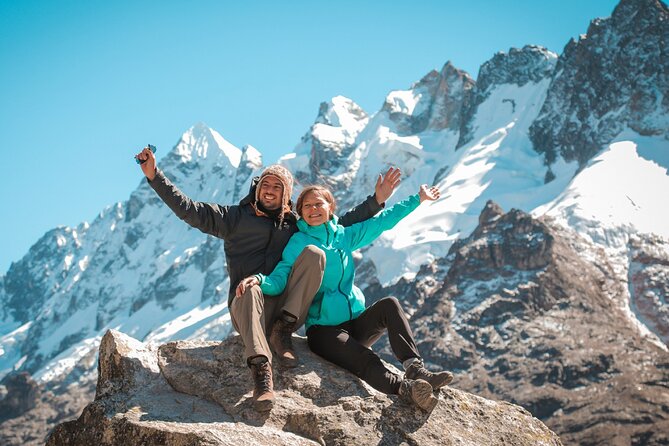
- Three days, two nights: a compressed version of the classic Salkantay concept that still hits the big altitudes
- Salkantay Pass day: breakfast, the climb via the 7 Serpents Trail, then a long descent toward warmer jungle air
- Mountain Sky View camp (Collpapampa): one night off the grid, with dinner served under the stars
- Coffee stop in La Playa: waterfalls, orchids, coffee plantations, plus an artisanal coffee-making demonstration
- Machu Picchu guided circuit included: Circuit 2 for many bookings, with Circuits 3 or 1 if Circuit 2 isn’t available
A fast Salkantay route to Machu Picchu
This is a short version of the longer Salkantay trek plan, and that’s the whole point. In just 3 days (about), you go from Cusco’s high-altitude world to Machu Picchu’s cloud-forest magic, while still getting that classic “Andes to jungle” feeling.
The structure is built around momentum. You start early, hike hard, then transition to the next phase quickly: camping night first, then a proper hotel night, and finally a guided Machu Picchu visit with a train ride back toward Cusco. If you like your trips to feel like a story with forward motion, you’ll likely enjoy this format.
You can also read our reviews of more tours and experiences in Cusco.
Cusco pickup at 2:30–3:00 a.m.: the alarm clock tax
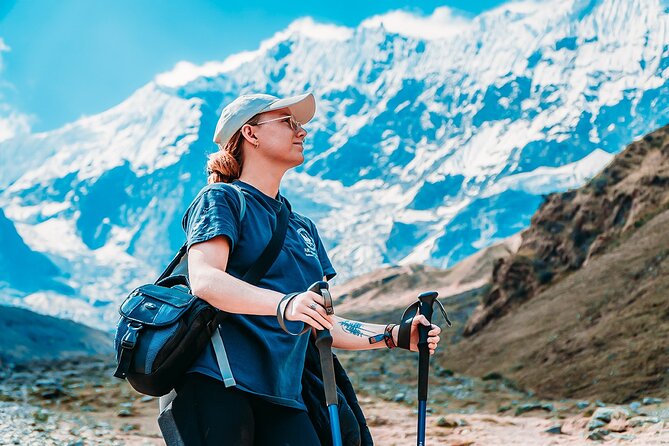
Day 1 begins brutally early. You’re picked up in Cusco around 2:30 a.m., with the official start time listed at 3:00 a.m. Either way, you’re waking up before the city fully turns on.
Why it matters: you’ll be at trail altitude fast, so you’re not wasting your best hiking hours just riding and waiting. The flip side is obvious—you won’t feel rested. Bring layers for the cold morning air and plan on using breakfast and snacks early to stay steady through the first climb.
Soraypampa and the climb toward Abra Salkantay Pass
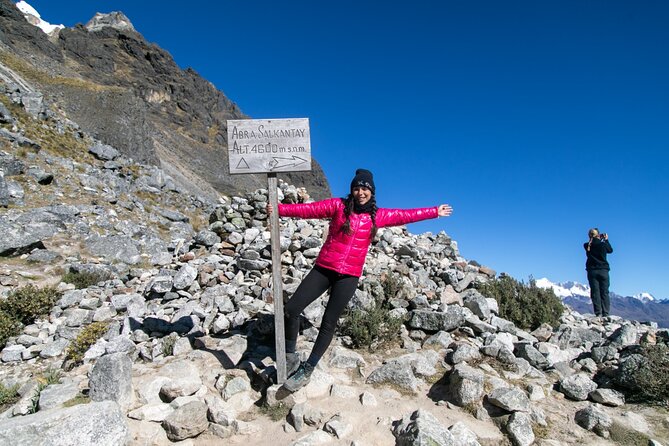
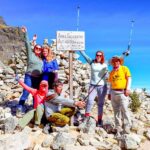
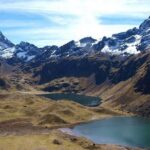
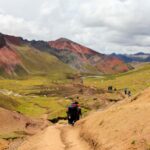
After pickup, you head to Soraypampa (3,900 m / 12,795 ft). It’s where the trek’s altitude story begins, and where the day’s pace becomes clear: you’re not walking in a relaxed way. You’re working toward Abra Salkantay (4,630 m / 15,190 ft).
Here’s the day’s rhythm:
- You eat breakfast before the ascent.
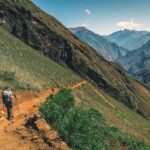
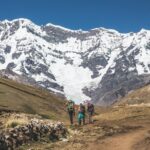
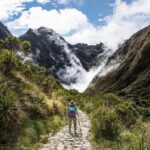
- You climb along the 7 Serpents Trail to the pass.
- You then eat lunch in Wayracmachay.
- After that, you start descending.
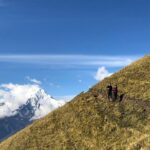
The pass day is the one that tests most people. High altitude can make simple effort feel harder than it should. Your best defense is boring but effective: slow down, drink water, and don’t treat the first push like a race.
One practical note: the tour provides water, tea time, and snacks on the trail, plus safety gear like a first aid kit and oxygen supply. Still, I’d keep your own extra snacks handy and sip regularly—this is exactly the kind of day where a little personal buffer helps you feel in control.
Descent into the high Amazon and night at Mountain Sky View
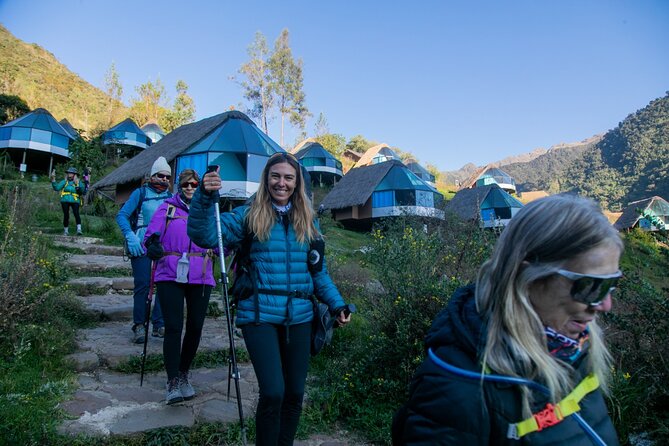
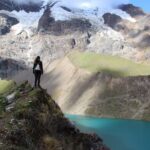
After the high point, the terrain shifts fast. You descend into what’s described as the high Amazon rainforest, where it warms up and the air feels different. That change is more than “nice”—it’s part of why this trek stands out as a route, not just a workout.
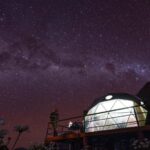
By the end of Day 1, you reach Mountain Sky View camp at Collpapampa (2,950 m / 9,678 ft). You sleep at a campsite setup with private camping facilities (dining room, kitchen, tables, and chairs), so you’re not stuck in a chaos tent-world.
Then comes dinner under the stars. Even when you’re tired, there’s something grounding about eating after a long day and actually looking up at a sky that feels close.
One more real talk point: this trek is challenging, and your body will notice it overnight. Expect the night to be helpful, not restful-perfection.
Santa Teresa Valley hike and the La Playa coffee experience
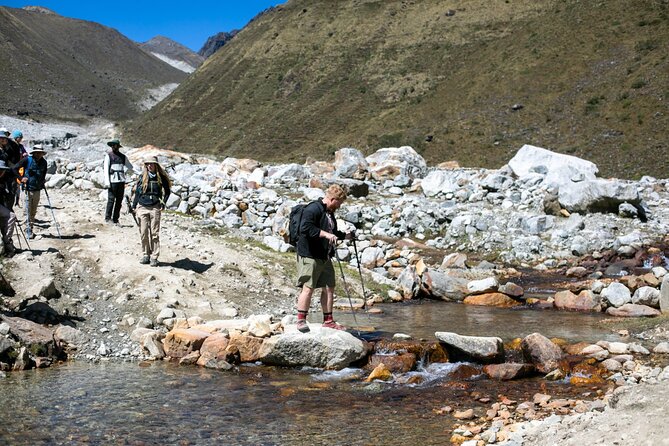
Day 2 starts with breakfast at Mountain Sky View, and then you transition into a “more walking, less climbing” phase. You’ll hike through the Santa Teresa Valley—about 1 hour on the schedule—so you get a change of pace.
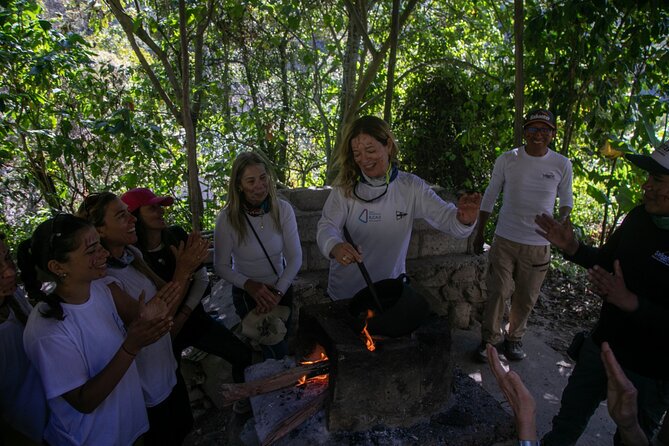
Then you head to the Lucmabamba Coffee Experience. This is one of the more enjoyable breaks in the trek’s rhythm. You walk through areas with waterfalls, orchids, and coffee plantations, then reach La Playa.
What you do there:
- You enjoy a lunch made with local products.
- You get a demonstration of artisanal coffee making.
Why I like this stop for your trip: after a big altitude and pass day, it’s refreshing to spend time moving through working countryside and see how people earn a living here. It also gives you a mental reset before the long “transition day” toward Aguas Calientes.
Hidroelectrica, the Urubamba River walk, and reaching Aguas Calientes
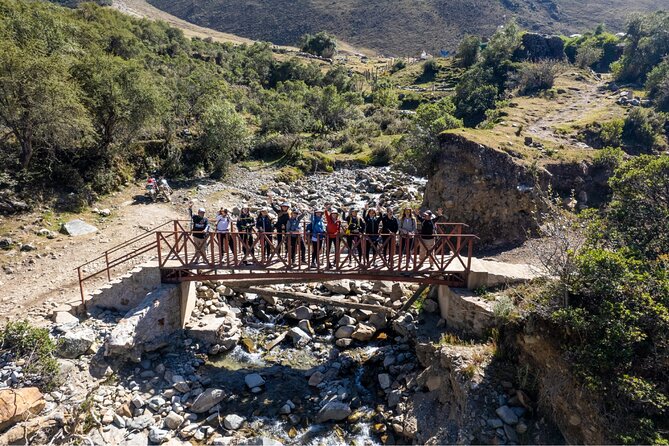
From La Playa, you travel to Hidroelectrica. Then you continue on foot along the Urubamba River, described as tropical jungle, for about 3 hours.
This section is usually where you feel the trek’s overall fatigue. You’ve been moving for two days already, and now you’re in a warmer, more humid zone. The upside is that the day doesn’t feel like climbing. It feels like controlled endurance.
Eventually, you arrive in Aguas Calientes and check into a comfortable hotel. You’ll rest, then share dinner with the group and get ready for Machu Picchu.
This “hotel night” is a big deal for value. It’s not luxury, but it helps you recover enough to enjoy the final day instead of just surviving it.
Machu Picchu Circuit 2 (or 3/1) plus the train to Ollantaytambo
Day 3 is the payoff day.
You start with a light breakfast in Aguas Calientes, then take the bus up to Machu Picchu. As you climb through mist of cloud forest, the atmosphere shifts fast—expect that emotional surge people talk about, but also expect cold mornings and changing weather.
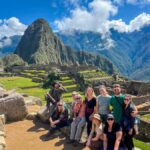
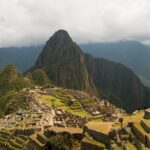
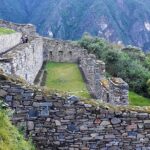
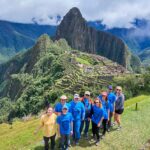
Once you arrive, you get a 2-hour guided tour of the Historic Sanctuary of Machu Picchu, focused on temples, terraces, and sacred sites.
Admission detail that matters:
- Included is Machu Picchu entrance for Circuit 2 for many bookings.
- If Circuit 2 isn’t available, you use Circuit 3, and if that’s unavailable, Circuit 1.
After the tour, you return to Aguas Calientes for lunch. In the afternoon, you board a tourist class train from Aguas Calientes to Ollantaytambo (listed as Voyager or Expedition). Then private transportation brings you back to Cusco.
Why this flow is smart: you don’t spend your trip second-guessing transport. Bus to the site, guided time inside, then a scenic train back through the Sacred Valley area toward a Cusco landing.
What’s included (and why it lowers your stress)
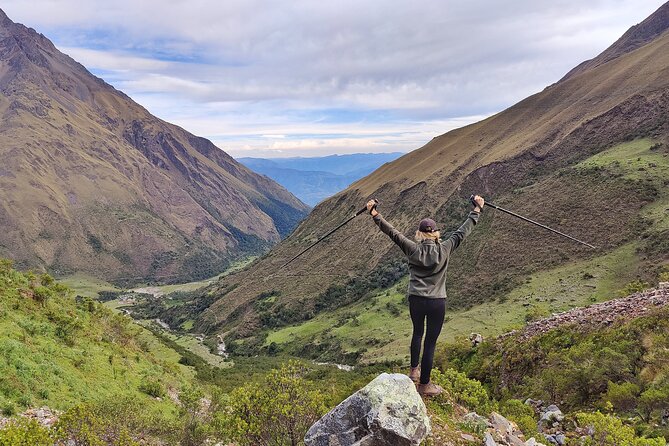
This tour packs in a lot of “hidden” value. When you’re trekking at altitude, stress is your enemy. The more they handle, the more you can focus on pace and breathing.
Gear and comfort basics
- Sleeping bag and trekking poles
- Backpack cover and a rain poncho
- A duffel bag carried by horses (up to 5 kg / 11 lb)
That horse service is huge. It means you can keep your day pack reasonable, and your back stays happier on the steep parts.
Food and hydration
You get:
- 3 breakfasts
- 2 lunches (Day 1 after Wayracmachay, and Day 2 at La Playa)
- 2 dinners (including dinner at the Mountain Sky View camp and dinner in Aguas Calientes)
Lunch and dinner on the last day are listed as not included, so plan for that budget piece.
Also included:
- Water, tea time, and snacks on the trail
Safety and communications
This route includes practical safety items:
- First aid kit
- Oxygen supply
- Walkie talkies
- Emergency satellite phones
At high altitude, these details matter because they reduce uncertainty. You still have to manage your body, but you’re not going into the remote parts without backup.
Guides, cooks, and staff support
You’ll have an experienced mountain guide, plus cooks and horsemen/porters. The tour also includes a pre-departure briefing, which is worth paying attention to—especially if you’re new to altitude trekking.
Finally, note the small cap: maximum 12 travelers. That tends to make the hiking days feel less crowded and more coordinated.
Price and value: does $680 feel fair?
At $680 per person, this is not a cheap impulse buy. But for three days that include guide leadership, entry fees, camping setup, transport between key points, and Machu Picchu admission, it can feel fair—especially if you’d otherwise have to hire multiple pieces separately.
Here’s what you’re getting for the price, in plain terms:
- A full Cusco → trek → Machu Picchu day → return toward Cusco transport chain
- Machu Picchu entrance included (Circuit 2, or 3/1 if needed)
- Hotel in Aguas Calientes plus camp night at Mountain Sky View
- Trek support: guide, cooks, porters/horsemen, gear like poles and sleeping bag
- Safety gear that isn’t typical in DIY trekking
Where the cost might feel less worth it is if you’re the kind of person who wants deep cultural instruction for hours and expects long lectures. The schedule gives you hiking time, scenic walking time, and a guided Machu Picchu tour—but it’s still a trek challenge first.
Altitude reality check (and who this suits best)
This is a challenging trek and you should come with strong physical fitness. The reason is simple: you cross very high altitude, climb toward the pass, and then hike for multiple days.
It’s especially important that you:
- Arrive in Cusco at least 2 days early to adjust to altitude.
- Bring a pace that matches how your body handles elevation.
If you’re a beginner to trekking, you can still do it, but you’ll want to commit to the basics: slow down at the pass, keep drinking, and take breaks before you feel wiped.
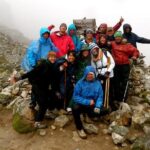
For people who want a workout with a clear reward: this can be a life highlight. The experience is also a social one. The group setting can feel like a small team by the end, which helps on the tough day.
One more consideration: this trip is intense enough that sleep isn’t guaranteed to feel long or easy. If you’re the type who needs perfect recovery nights, the compressed schedule may feel demanding.
Packing and prep that actually helps on these days
You’ll be given some key trekking gear, but you still need your own hiking clothing and personal items.
Based on what’s included, I’d plan to pack:
- Your personal hiking clothing and gear (listed as not included)
- Layers for early-morning cold in the Andes, then lighter clothes for warmer jungle air
- Rain readiness, since you get a rain poncho but weather can still be unpredictable
- A small personal stash of snacks for the pass day (even with trail snacks provided)
Pre-departure briefing matters here. Use it to ask how they suggest you pace the pass. If your guide is someone like Marco, Guido, or Cesar Quispe (names that show up in past departures), you can often count on a supportive vibe and clear instructions for getting safely through the hardest section.
Should you book the Salkantay Trek Challenge?
Book it if you want:
- A 3-day trek that reaches Machu Picchu without dragging the trip out longer
- A guided, well-supported route with gear provided and staff handling the heavy lifting
- The “Andes up high, then warmth down low” experience in a tight schedule
Think twice if you:
- Want a slow, relaxed hike with lots of downtime
- Struggle with altitude even after proper Cusco adjustment
- Need lots of sleep and don’t do well with early wake-ups
If you’re fit, altitude-ready, and excited to work for Machu Picchu, this is a strong value bet—especially because the trip handles the big moving parts so you can focus on the trail and the view.
FAQ
What time does the trek start from Cusco?
Pickup is listed for about 2:30 a.m., and the activity start time is shown as 3:00 a.m. Either way, you should plan for a very early morning.
How many meals are included?
You get 3 breakfasts, 2 lunches, and 2 dinners. Lunch and dinner on the last day are not included.
Where do you sleep during the trek?
You sleep one night at Mountain Sky View (Collpapampa) and one night in a hotel in Aguas Calientes.
Is Machu Picchu admission included, and which circuit?
Yes. Admission is included as Circuit 2 for many bookings. If Circuit 2 isn’t available, the plan uses Circuit 3, and if that’s not available, Circuit 1.
How do you get to Machu Picchu from Aguas Calientes?
You take a one-way bus Aguas Calientes → Machu Picchu, which is included.
What train ride is included after Machu Picchu?
The tour includes a tourist class train Aguas Calientes → Ollantaytambo (listed as Voyager or Expedition).
Do you need to carry all your gear?
No. Your personal gear goes in a duffel bag carried by horses (up to 5 kg / 11 lb). You still bring your personal hiking clothing and gear.
Are vegetarian or vegan meals available?
Yes. Vegetarian or vegan options are available if you request them at booking.