REVIEW · CUSCO
Salkantay Trek 4 Days to Machu Picchu by Glamping Sky Lodge Dome
Book on Viator →Operated by Quechuas Expeditions · Bookable on Viator
Salkantay is tough; this version is smarter. You get the classic mountain-to-cloud-forest-to-jungle route to Machu Picchu, but with glamping domes and a sunrise-friendly approach on Day 4. The result feels like an adventure first, with comfort built in where it counts.
I love the mix of people power and planning: bilingual guides (with an assistant guide when the group is over 8) plus cooks and horsemen running camp logistics so you can focus on walking and breathing. I also like the practical package—meals all but two spots, warm drinks, and dome-style sleeping at altitude, which changes the whole mood after a cold day.
One drawback: you still face real altitude and real cold. Even with a dome, Day 2 can be demanding, and nights near the top can feel bitter.
In This Review
- Key highlights in plain terms
- Entering The Salkantay Dream: What Makes This Trek Worth It
- Price and Logistics: What the $761.91 Is Really Covering
- Day 1: Cusco’s Early Rush to Cruzpata and Soraypampa
- Day 2: The Salkantay Pass at 4,650 m and Cloud Forest Payoff
- Day 3: Upper Jungle, Lluskamayo River Crossings, and La Playa
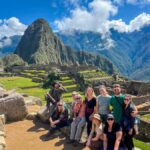
- Day 4: Machu Picchu, Sunrise Options, and a Guided Orientation
- Sky Lodge Dome Glamping: Comfort That Matters at Altitude
- Guides, Food, and Camp Rhythm: The Real Secret Sauce
- What to Pack (and What to Skip) for Salkantay Conditions
- The Best Fit: Who This Trek Suits
- Should You Book This Salkantay Trek to Machu Picchu?
- FAQ
- What time do you start on the first day?
- What kind of accommodation is included during the trek?
- Are meals included?
- How hard is the trek, especially for altitude?
- Do I need to bring a sleeping bag?
- If I cancel, do I get a refund?
Key highlights in plain terms
- Glamping Dome Sky Lodge keeps you off the ground and helps you sleep better after big climbs
- Day 2 starts with a high pass at 4,650 m, with sweeping views and possible snow
- Chef-led camp food with included dinners and lunches that actually fuel you
- Machupicchu timing options: walk up (about 1.5 hours) or take the first bus at 5:30
- Small group size (max 19) plus a guide team that can adapt to different fitness levels
- Everything moves with you: hotel in Aguas Calientes, train back, and Machu Picchu entrance fee included
Entering The Salkantay Dream: What Makes This Trek Worth It
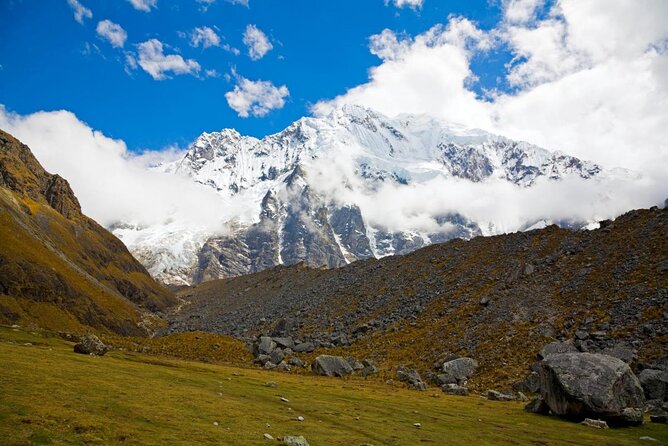
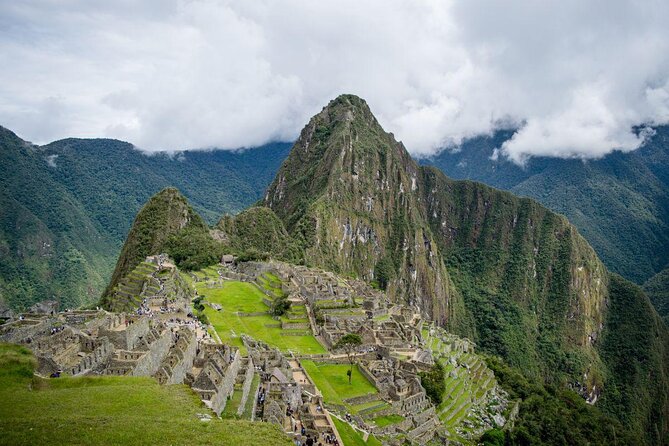
Salkantay Trek is one of Peru’s most popular ways to reach Machu Picchu without doing the Inca Trail. The famous payoff is the variety: snow peaks at first, then cloud forest, then a greener, wetter jungle feel as the days go on. This 4-day plan compresses that whole story into a manageable timeline—long enough to feel like a trek, short enough that you’re not living in logistics hell for a week.
What makes this specific version stand out is that it meets you where you’re tired. Instead of camping on the ground every night, you sleep in a Sky Lodge Dome, and camp life is set up for you: cook, cook equipment, horsemen/porters for gear, and a guide team managing the trail rhythm. You still earn every view, but you’re not fighting your tent at 3 a.m.
I also like that the Day 4 arrival is designed with sunrise in mind. If you want that early-Machu-picchu magic, you’re not guessing how to do it; you’ve got a walk-up option or the first bus departure at 5:30 to reach Machu Picchu.
You can also read our reviews of more tours and experiences in Cusco.
Price and Logistics: What the $761.91 Is Really Covering
At $761.91 per person, this isn’t a budget-only trek. But it’s not just a guided hike either. Your price includes major cost items that add up quickly for independent planning:
- Hotel night in Aguas Calientes with private shower and bathroom
- Expedition train back from Aguas Calientes to Ollantaytambo and bus back to Cusco
- Machupicchu entrance fee
- Meals: 3 breakfasts, 3 lunches, 3 dinners, plus 3 afternoon hot teas
- Guide team, plus cook, horseman/porters, and camp cooking equipment
- Machu Picchu transit support: including tourist bus from Cusco toward the trailhead area
The parts you should plan around: breakfast on Day 1 and lunch on Day 4 are not included. Also, you have extra entrance fees related to Salkantay and Humantay listed as 20 soles plus PEN 20 per person admission fee.
So here’s the simple value equation: you’re paying for fewer things to coordinate yourself, plus camp and meals that keep you moving efficiently. If you want a smoother operation and less worrying at altitude, the price starts making sense fast.
Day 1: Cusco’s Early Rush to Cruzpata and Soraypampa
Day 1 is all about getting out of Cusco before your legs or lungs can protest too much. You’re picked up from your hotel around 4:30 a.m., then you drive for about 3 hours to Mollepata. From there, breakfast happens while the cook and horseman pack the gear and camp setup items.
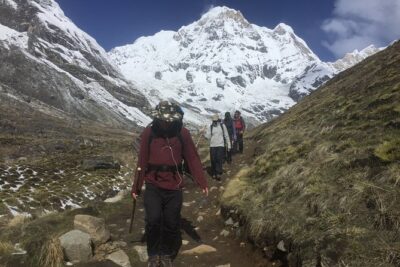
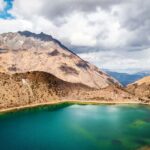
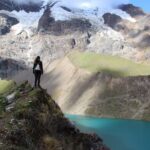
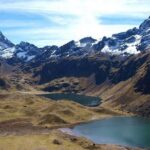
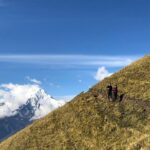
Then you start hiking. The first three hours are uphill, building effort gradually while your body wakes up. You’ll eventually reach Cruzpata for lunch with big panoramic views of the snow peaks—Humantay (4,120 m / 13,500 ft) and Salkantay (6,271 m / 20,575 ft). Even if you’ve seen photos before, there’s something different about standing there, looking up at a mountain that actually controls your next days.
After lunch, you continue toward Soraypampa (3,800 m / 11,750 ft). This campsite is described as the highest and coldest of the trip, and that matters. Day 1 is when you’ll learn the pattern: warm layers in the morning, cold discipline at night. You’ll also be close to another major snow-capped presence in the region, so the views don’t fully disappear once you reach camp.
Practical drawback on Day 1: you start early and hike uphill right away. If you’re sensitive to morning cold, keep your headlamp ready and your layers simple.
Day 2: The Salkantay Pass at 4,650 m and Cloud Forest Payoff
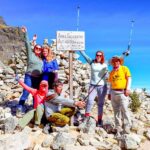
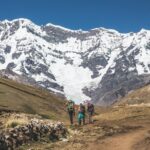
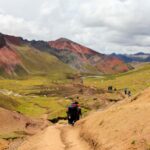
This is the longest and most intense day, and it starts early: breakfast first, then a 5:30 a.m. walking start. The first four hours climb toward the highest point of the trek at 4,650 m (15,200 ft), located halfway between Salkantay on the right and Tucarhuay on the left.
Two key things make Day 2 memorable. First, the views from the pass are described as incredible—because you’re literally standing between two big mountain masses. Second, there’s a real possibility of snow at this elevation. You might not get it, but you should treat it like a possibility in how you dress and pace.
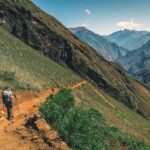
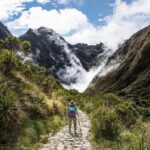
After resting at the pass, you begin the downhill portion. You’ll hike through a dramatic cloud forest and reach Huayracpunku for lunch. After lunch, the trail continues toward the start of the jungle, and eventually you reach Chaullay.
Here’s where the plan becomes smart and less painful: you take local transportation for about 1 hour to get to the Loreta La Playa coffee campsite. That break matters because by this point, your legs will be negotiating with gravity.
Day 2 consideration: this is the day where you should move steadily. The altitude doesn’t care if your group is fast. If the guide team is working with different fitness levels, you’ll still feel the mountain—just with more chances to manage the pace.
Day 3: Upper Jungle, Lluskamayo River Crossings, and La Playa
Day 3 is your shift in scenery—from alpine effort into warmer, wetter terrain. You start at 6:30 a.m. with a walk through the upper jungle, including a crossing of the Lluskamayo River and several small brooks. If you’re the kind of person who likes noticing plants and micro-scenes, this day gives you more of that, not just big views.
The walk time is about 6 hours to La Playa. Along the way, you pass valleys and get views of waterfalls, plus tropical fruits and plants. That’s the payoff of Salkantay’s “not just one climate” design: you can feel the Andes changing under your feet.
What I like about Day 3 in a practical sense is that it’s a transition day. You’re still walking, but you’re not repeating the kind of high-pass grind from Day 2. It’s a good day to refocus on rhythm and hydration.
Potential drawback: jungle weather can be sneaky. Even when it’s not raining hard, humidity and damp trail conditions can make the day feel longer than the clock suggests. Bring the gear you need for moisture (especially a rain layer).
Day 4: Machu Picchu, Sunrise Options, and a Guided Orientation
Day 4 begins extremely early: wake around 4:00 a.m., breakfast at 4:30, then head out. The hike up to Machu Picchu is listed as about 1.5 hours.
There’s also a more relaxed option if you want sunrise without spending your last energy on stairs: catch the first bus at 5:30, a 25-minute ride to Machu Picchu. Then you get the same core experience—just with different effort distribution.
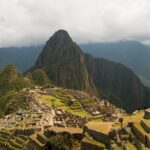
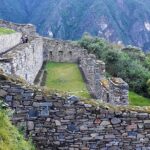
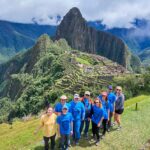
Once you arrive, you’ll have a walking tour of about 2 hours with your guide. This part is useful because Machu Picchu is easy to admire and hard to understand at first glance. A guide helps you connect the dots—where to look, why certain angles matter, and what you’re actually seeing.
After the guided walk, you explore on your own. This is when you slow down. You’ll likely want time for photos, quiet corners, and just absorbing how the site sits in the mountain bowl.
Practical note: even if you choose the bus, sunrise means cold. Wear layers you can peel off later, and keep your headlamp or torch accessible if the morning is dark.
Sky Lodge Dome Glamping: Comfort That Matters at Altitude
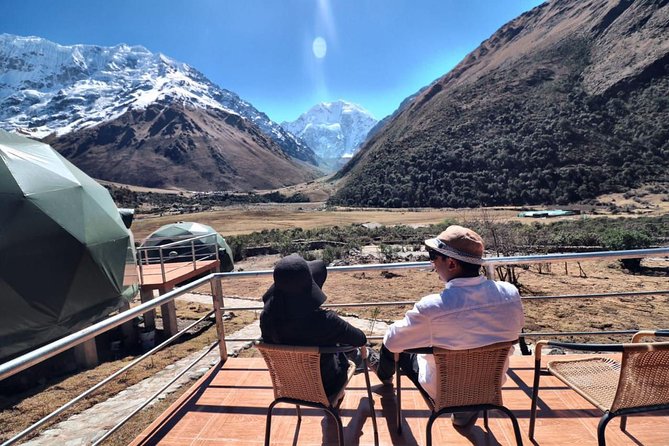
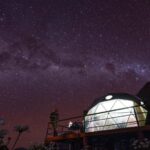
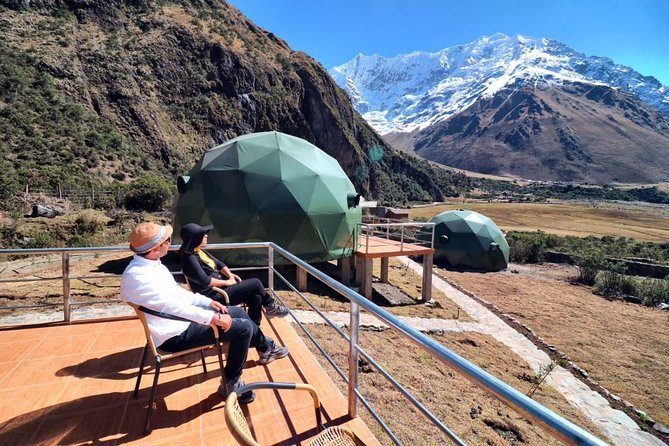
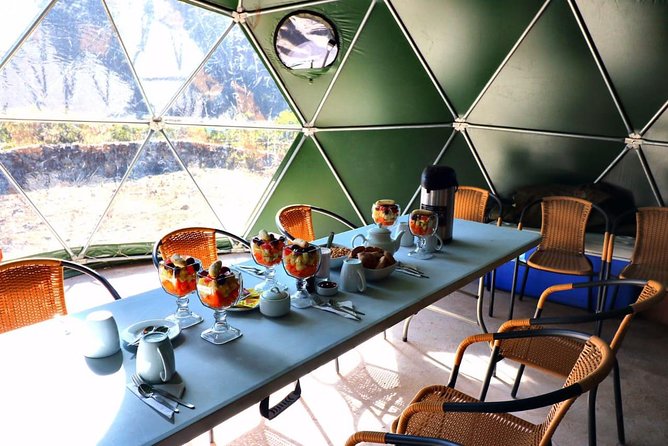
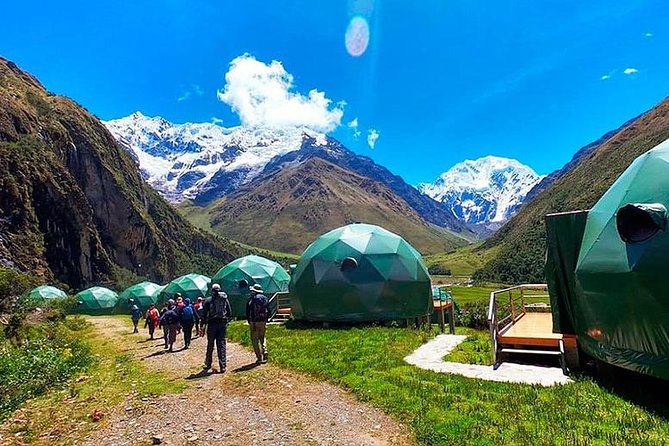
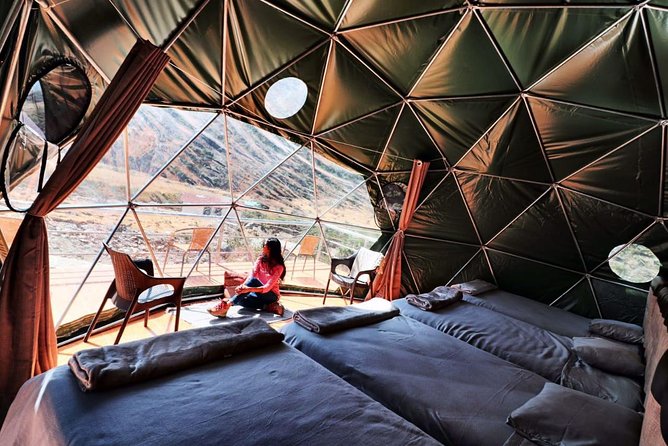
The dome style is the most obvious comfort upgrade here. Ground camping can be miserable when nights get cold and you’re already running low on energy. With the Sky Lodge Dome, you’re sleeping in a more insulated setup that helps you actually recover.
Dome experience also matches how the rest of the trek is managed: hot meals, afternoon hot teas, and a camp team that’s already doing the heavy lifting. One review detail that fits this idea: hot water was noted as available, and that kind of practical comfort can be the difference between tolerating a cold night and feeling human through it.
Also, you’re given rain ponchos and a duffel bag for your personal belongings. Another smart point: porters/horsemen carry your gear, with a limit of 7 kg for personal belongings. That forces you to pack intentionally—no hauling a suitcase to the clouds.
Room flexibility is available: dome accommodations can be based on 2 beds, 3 beds, or 4 beds depending on request. If you like privacy, you should ask for the best-fit configuration early.
Guides, Food, and Camp Rhythm: The Real Secret Sauce
The best part of a trekking company isn’t the trail. It’s how the team handles you when you’re tired, cold, or stuck in the altitude zone. This trek leans heavily on that.
You’ll have a professional guide in English and Spanish, plus an assistant guide when the group is larger than 8. That matters because it improves trail support: pacing, answering questions, and keeping everyone safe on steeper sections.
The guide experience you might see includes names like Fernando, Nildo, and Jose. Across those examples, the common threads are caring attention during altitude moments and a sense of humor that helps when you need a mental reset. One review also highlighted guide creativity during breaks—like playing football with the group—which sounds silly until you realize that laughing together makes hard climbing feel less heavy.
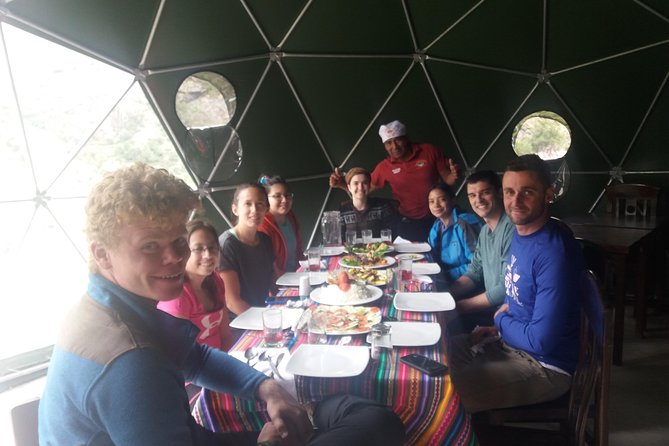
Food is a big deal here, and I’d treat it as part of the trek strategy. The chef team prepares meals night after night in a remote setting, and the trek includes 3 dinners plus 3 lunches and 3 afternoon hot teas. Vegetarian options are included with no extra cost.
The camp rhythm usually goes like this: hike, lunch or tea breaks, arrive before you’re wrecked, then eat something warm and planned. That matters because on a trek, hunger is more dangerous than it sounds.
One more useful detail: the trekking setup includes a first-aid kit with emergency oxygen bottle. It doesn’t remove risk, but it signals serious preparedness.
What to Pack (and What to Skip) for Salkantay Conditions
You don’t need specialized gear like for a technical climbing expedition. But you do need good, mountain-ready basics.
Here’s what I’d treat as non-negotiable based on the recommended list:
- A sleeping bag rated to -11°C / 12°F (even with domes, you’ll want warmth at altitude)
- A wind stopper or poly/fleece jacket
- Rain poncho (or rain jacket) since weather can shift fast
- Wind/rain pants (Gore-tex or similar)
- Gloves, a warm hat, and a sunhat (you can get sun even when it’s cold)
- Trekking poles (2) if you use them; they help downhill control
- A headlamp or torch
- Tough socks: 4 pairs wool or synthetic socks
- Sunscreen and lip balm with SPF, because high elevation UV is real
Also plan your load. Since gear carry has a 7 kg limit for personal belongings, pack smart. You want essential layers, not a closet.
If you’re choosing between walking poles and no poles, pick poles. Your knees will remember.
The Best Fit: Who This Trek Suits
This trek suits people who:
- Want a challenging 4-day route without doing Inca Trail logistics
- Like the idea of staying in a dome instead of sleeping on the ground
- Value a strong guide team (including English/Spanish support)
- Want most essentials handled: camp setup, meals, transport, and Machu Picchu entry
It’s also a good match for mixed fitness groups because the operation includes guide support that can accommodate different levels. If you’re solo, you’re still in a small group (max 19), and that can feel safer than you expect in remote mountain areas.
If you hate early mornings, or you’re not ready for cold and altitude, this may not be your style—no matter how comfortable the dome is.
Should You Book This Salkantay Trek to Machu Picchu?
I’d book it if you want the Salkantay experience with fewer self-managed headaches and a real comfort upgrade where it counts—sleep and meals. The itinerary hits the big scenery beats on a tight schedule, and Day 4 is set up to help you catch sunrise without inventing a plan yourself.
I’d think twice if you’re trying to avoid altitude discomfort. Day 2’s 4,650 m pass is the center of the trek. Even fit people feel it. Also budget for the extra entrance fees around Salkantay and Humantay, plus remember Day 1 breakfast and Day 4 lunch aren’t included.
Bottom line: if you’re aiming for a first-time-friendly but still authentic Salkantay route—with glamping domes, strong camp support, and a smooth Machu Picchu finish—this is a solid pick.
FAQ
What time do you start on the first day?
You’re picked up from your hotel around 4:30 a.m. and the tour information lists a start time of 5:00 a.m. Expect an early departure and get ready for cold morning hiking.
What kind of accommodation is included during the trek?
You’ll stay in Sky Lodge Dome accommodation during the trek (dome configuration can be 2 beds, 3 beds, or 4 beds based on request). There is also 1 hotel night in Aguas Calientes with private shower and bathroom.
Are meals included?
Yes. The trek includes 3 breakfasts, 3 lunches, 3 dinners, and 3 afternoon hot teas. Day 1 breakfast and Day 4 lunch are listed as not included.
How hard is the trek, especially for altitude?
It includes a major high point on Day 2 at 4,650 m, and the night at Soraypampa is described as the highest and coldest campsite. You should have strong physical fitness and be prepared for altitude effects.
Do I need to bring a sleeping bag?
A sleeping bag rated to -11°C / 12°F is listed as recommended to bring. The dome helps, but this rating is part of the provided packing guidance.
If I cancel, do I get a refund?
No. The experience is listed as non-refundable and cannot be changed for any reason.