REVIEW · CUSCO
Ultimate Lares Trek & Inca Trail 5 days
Book on Viator →Operated by TreXperience · Bookable on Viator
Machu Picchu, minus the herd. This 5-day route takes the quieter Lares side of the Andes first, then links into the Machu Picchu hiking day using a train-and-trail approach. You get peaceful mountain villages, medicinal hot springs, and a Machu Picchu visit timed for smaller crowds.
I really like two things about it: the Lares hot springs stop that helps your body recover before the tougher walking days, and the small-group feel (max 12) that keeps the pace human. The main thing to think about is the altitude and walking time—Day 2 tops out at Condor Pass (4700 m), and you’ll be hiking long hours.
In This Review
- Key things I’d circle on your planning list
- Lares to Machu Picchu: the quieter route that changes the whole vibe
- Price and value: what $980 buys (and what can cost extra)
- Day 1: Sacred Valley market, medicinal hot springs, and your first campsite by a blue lake
- Day 2: Condor Pass (4700 m) and Cancha Cancha, a Quechua-only village
- Day 3: Huaran trail end, then Ollantaytambo’s living Inca streets
- Day 4: Train to km 104, Chachabamba ruins, Wiñay Huayna, and the Sun Gate first glimpse
- Day 5: Sunrise buses, a guided Machu Picchu tour, then free time (with optional climbs)
- How hard is it? Altitude, walking hours, and what to do on the tough days
- Food, camping comfort, and the team behind the scenes
- Machu Picchu timing: why your visit feels calmer
- Should you book this Lares + Inca Trail route?
- FAQ
- What time does the tour start?
- How long is the trek and tour?
- What’s the group size limit?
- Is Machu Picchu admission included?
- Do I camp or stay in hotels?
- What’s included in the price?
- What should I bring?
Key things I’d circle on your planning list
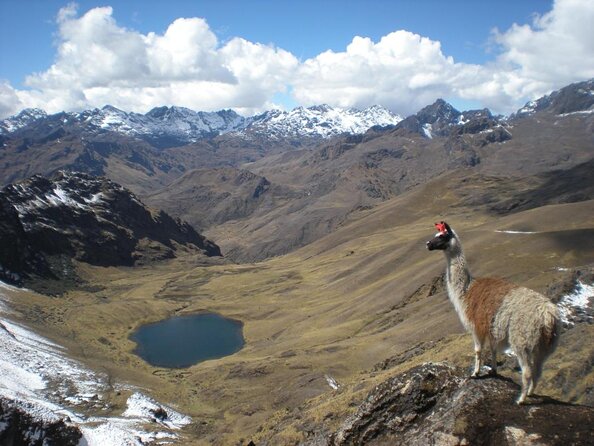
- Quieter route to Machu Picchu: The trek portion avoids the busiest corridors.
- Lares hot springs as a reset: A warm start before you begin uphill trekking.
- Off-grid Cancha Cancha: No electricity, no internet, and only Quechua spoken.
- Machu Picchu, nearly empty: Afternoon arrival after the Sun Gate viewpoint.
- Included logistics: Hotel-to-trek pickup and transport through to Cusco, without you stitching details together.
- Altitude-aware itinerary: You don’t just jump high and hope for the best; you build into it.
Lares to Machu Picchu: the quieter route that changes the whole vibe
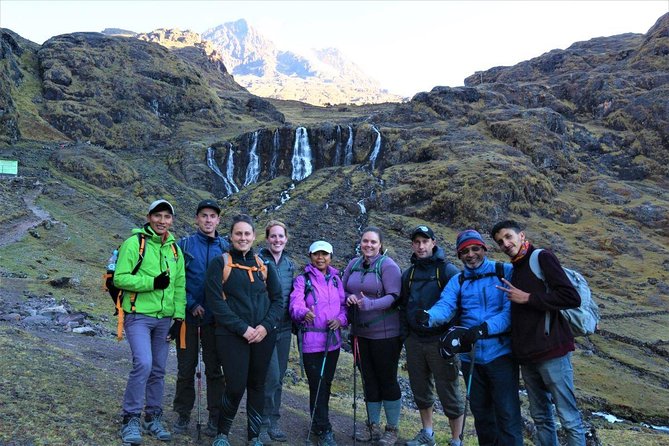
If your dream is Machu Picchu without spending your whole trip stuck behind a crowd, this route makes sense. You start with days in the high Andes that feel lived-in: trekking through valleys, passing small villages, and soaking in hot springs before the harder pass day.
What makes this plan especially nice is the pacing and variety. You’re not hiking nonstop toward ruins you already know by photo. You’re moving through real mountain communities, then shifting to Inca stone and sunrise views on your final days.
The vibe you’re paying for is simple: more Peruvian travel, less line-cutting chaos. And with a max group size of 12, the trip tends to feel less like a conveyor belt.
You can also read our reviews of more tours and experiences in Cusco.
Price and value: what $980 buys (and what can cost extra)
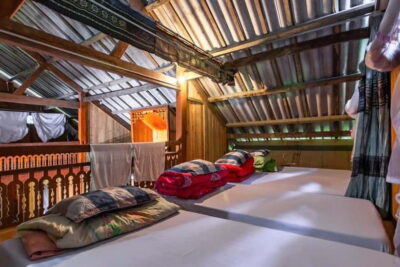
At $980 per person, this tour is priced like a “real deal” trek because a lot is bundled. You get hotel pickup, all transportation during the trek, 2 nights camping with comfortable equipment, and 2 nights in 3-star hotels in Ollantaytambo and Aguas Calientes.
The team side is also part of the value. You’re not just buying a route on paper. You get experienced chefs, porters, and guides, plus horse support for a duffle bag up to 7 kilos.
Two things can add cost later. First, Machu Picchu entrance fees are included, but optional climbing tickets for Waynapicchu or Montaña are not. Second, lunch in Aguas Calientes on Day 5 is not included, though you’ll be guided on what to do for that meal.
Day 1: Sacred Valley market, medicinal hot springs, and your first campsite by a blue lake
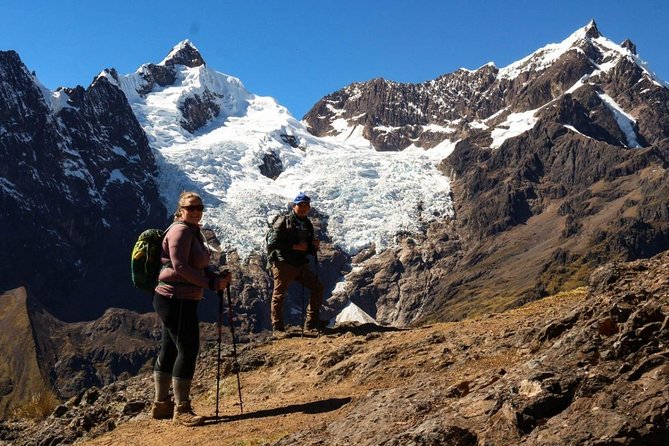
You start very early. Pickup is set for a morning start (the tour lists 4:30 am, and Day 1 begins around 5:30 am), then you drive to the Sacred Valley. There’s a local market stop, then you continue to the Lares thermo-medicinal baths.
This is more than a scenic warm-up. The baths sit at different temperatures, and the idea is straightforward: loosen up before hiking uphill. In practical terms, it’s a good way to reduce stiffness and help you feel steadier on Day 1 walking.
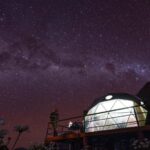
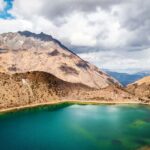
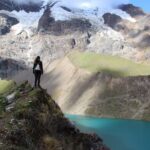
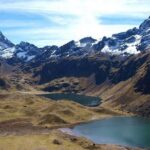
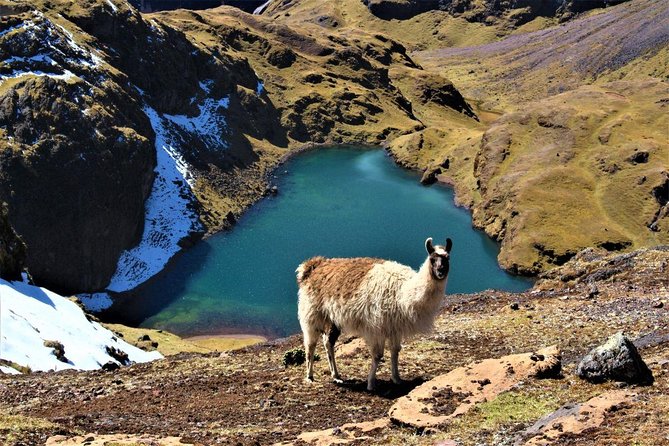
After breakfast, you begin the trek. You hike uphill about 2 hours to Kiswarani village, then another 2 hours to camp by a beautiful blue lake at 3750 m. Tents and hot tea are waiting, and the night includes time to relax and stargaze, with a chance to learn about Inca astronomy.
What to watch for: the “easy” difficulty still includes altitude. You’ll feel it. Take it slow and drink water.
Day 2: Condor Pass (4700 m) and Cancha Cancha, a Quechua-only village
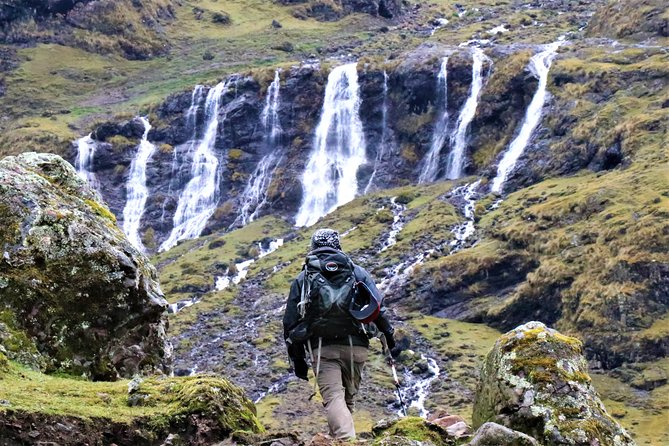
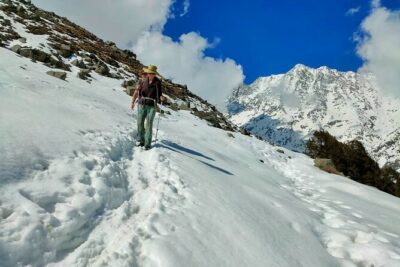
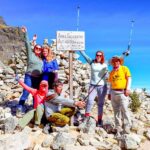
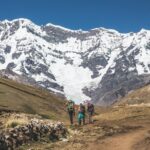
Day 2 is the physical crux. You wake up to a hot drink in your tent, then you hike 4 hours uphill to Condor Pass (4700 m). At the summit, there’s time to explore, then you descend for about 3 hours through dramatic mountain scenery.
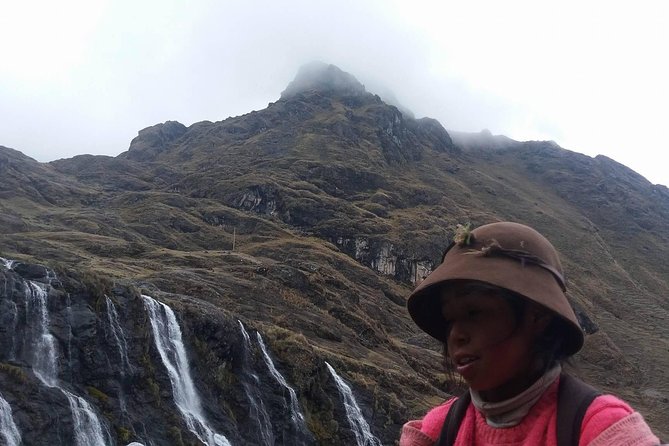
Your campsite is at Cancha Cancha (3750 m), and the isolation here is the point. This village is described as cut off from modern technology: no drainage system, no electricity, no computers, and no cell service or internet. The working language is Quechua.
That off-grid reality does two useful things for you. It creates a calmer night than you’d get near a road, and it makes the culture feel present rather than like a stop on a checklist. Your chef handles dinner, and the day ends with a well-earned rest.
Main consideration: it’s listed as moderate to challenging and includes a long day (about 16 km / 9.9 miles). If your knees or lungs aren’t happy at altitude, start Day 2 with a steady pace, not a hero pace.
Day 3: Huaran trail end, then Ollantaytambo’s living Inca streets
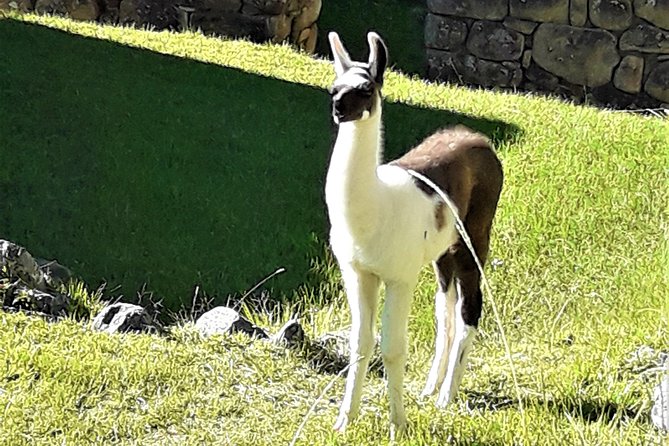
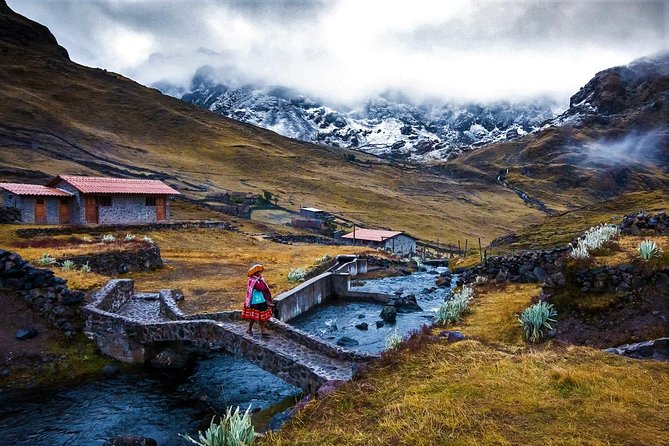
Today brings a relief from high peaks. You wake in a village setting described with llamas and alpacas, drink coffee or tea, eat breakfast, then trek downhill for about 4 hours.
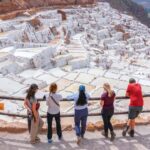
The trekking ends in a small town called Huaran (2700 m). From there, you take a private bus to Salineras and Ollantaytambo—with time to walk the ancient streets and see the water channel system that has been in use since Inca times.
Then you do dinner in Ollantaytambo and sleep in a hotel. This is an underrated part of the trip: you’re not just hiking; you’re also getting a proper reset after two nights of mountain camping.
What I like about this day is how it ties the Andes together. You get the mountain trekking experience, then you step into a town that still feels rooted in its Inca layout. It makes Machu Picchu feel like the final chapter, not the entire story.
Day 4: Train to km 104, Chachabamba ruins, Wiñay Huayna, and the Sun Gate first glimpse
Day 4 shifts from trail days to the Machu Picchu approach. You start from your hotel around 6:00 am, walk to the train station, and take a 1 hour 30 minute train ride along the Urubamba River to km 104 (Chachabamba). Chachabamba is described as in the cloud forest zone.
Then you start hiking to Machu Picchu. Your first stop is Chachabamba, an Inca ruin that you explore before continuing on. The hike takes about 4 hours until Wiñay Huayna.
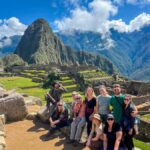
You get a packed lunch and refreshments here, then continue to the Sun Gate, where you catch your first big view of Machu Picchu. After that, it’s about 1 hour downhill into the city.
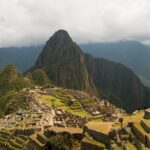
One of the best practical perks: you arrive in the afternoon, which is described as allowing you to experience Machu Picchu almost empty. That’s huge for photos, walking pace, and just actually taking it in without constant shoulder-checking.
In the evening, you take the bus down to Aguas Calientes for dinner and an overnight in a hotel.
Day 5: Sunrise buses, a guided Machu Picchu tour, then free time (with optional climbs)
You get up early again for the final highlight. After breakfast, you take the early bus up to the citadel. On a clear day, sunrise over Machu Picchu is part of the payoff.
Your guide then does a 2 to 3 hour guided tour of Machu Picchu. After that, you have time to explore on your own or climb either Huayna Picchu or Montaña, but those tickets have to be booked far in advance.
Your guide also shows you how to take the bus back to Aguas Calientes for lunch (not included). Then you head home via panoramic train and bus back to Cusco, and the TreXperience team meets you off the train to return you safely to your hotel.
Practical thought: keep your day flexible. If your optional climb is in your plan, make sure you’ve got the right ticket and that you’re not racing your own legs across Machu Picchu’s uneven paths.
How hard is it? Altitude, walking hours, and what to do on the tough days
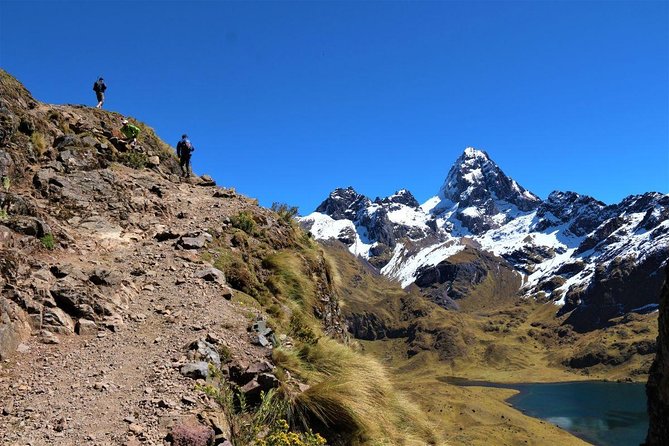
The walking is real, but the itinerary structure helps. Day 1 is listed as easy with about 9 km and a 4-hour hiking window (plus travel and the baths). Day 2 is the big one: 16 km, around 7 hours, including the 4700 m pass.
Day 3 is a downhill day with about 12 km and 4 hours of trekking. Day 4 adds hiking after the train: roughly 4 hours to Wiñay Huayna plus the push to the Sun Gate and downhill into the citadel. Day 5 is more about time inside Machu Picchu than long-distance hiking.
My advice: train for endurance if you can, but also train for steady breathing. On altitude days, speed is not the goal. The trip rhythm is designed around that reality—slow and consistent beats sprinting every switchback.
Also plan for temperature swings. Even with “comfortable equipment,” nights at 3750 m can feel chilly fast. Your best friend is layering you can adjust without fuss.
Food, camping comfort, and the team behind the scenes
This kind of trek lives or dies by the crew. The included setup covers the hard-to-organize parts: camping gear, porters, and chef support. A duffle bag up to 7 kilos can be carried by horse, so you’re not hauling everything yourself.
Food is a standout feature in the way people talk about this trip. Meals are described as plentiful and varied, and many people specifically highlight that the chef team can cook well even with a mountain camp setup. Several named crew members show up across different departures, like guides such as Manolo, Sara, Elias, and Rosmel, and chefs like Augusto and Oscar, with assistants like Beto and porters/horsemen such as Demetrio, Gregorio, and Toribio.
One detail that matters: tents and tea are ready for you when you arrive at camp. That small “camp logistics” smoothness is what lets you enjoy the view instead of dealing with your gear first.
Machu Picchu timing: why your visit feels calmer
Machu Picchu is busy by nature. The difference here is your schedule. You hike in on Day 4 and arrive in the afternoon, described as almost empty. Then you come back for a guided tour early on Day 5, with optional climbs if you planned ahead.
That two-day structure is useful. It gives you time to absorb the site twice in different ways: once from the arrival experience and the Sun Gate moment, and once on a guide-led walk where you can connect the dots.
If you’re the type who likes photos, you’ll appreciate the calmer walking pace on Day 4. If you’re the type who wants meaning, you’ll appreciate Day 5’s guide-led explanations and time to explore after.
Should you book this Lares + Inca Trail route?
Book it if you want a trek that feels quieter, culture-forward, and logistically smooth. This is especially good for people who care about the Andes beyond the ruins and who don’t want to spend all their time in crowds. The small-group size and the included transport from Cusco make it easier for a first Machu Picchu trip too.
I’d think twice if you want an easy hike with minimal altitude strain. Day 2’s pass is no joke, and you’ll be camping at 3750 m for two nights. It’s still doable for people with moderate fitness, but you should be realistic and prepare.
Also keep an eye on added costs if you want to climb Huayna Picchu or Montaña. Those optional tickets aren’t included, and you’ll want them booked early.
Finally, don’t ignore weather dependence. The experience requires good weather, and if it’s canceled due to poor conditions you’ll be offered a different date or a full refund.
FAQ
What time does the tour start?
The meeting/start time is listed as 4:30 am. Day 1 pickup is described as starting around 5:30 am.
How long is the trek and tour?
It’s a 5-day experience, with the trekking taking place across the first few days and Machu Picchu covered on the last two days.
What’s the group size limit?
The maximum group size is listed as 12 travelers.
Is Machu Picchu admission included?
Machu Picchu entrance tickets are included. Tickets for optional climbs to Machu Picchu Montaña or Waynapicchu are not included and need to be booked ahead of time if you want them.
Do I camp or stay in hotels?
You camp for 2 nights in the mountains, and then you stay in 3-star hotels for 2 nights in Ollantaytambo and Aguas Calientes.
What’s included in the price?
Included items cover hotel pickup, transportation during the trek, a duffle bag up to 7 kilos carried by horse, chefs/porters/guides, a Pachamanca cooking demonstration, camping equipment, hotel nights, and meals (breakfasts, lunches, and dinners as listed). Admission tickets are included as described in the day sections.
What should I bring?
The tour notes that optional add-ons like a mattress, sleeping bag, and trekking poles can be provided (with guidance). You should also be ready for early mornings and layers for high-altitude nights.
If you want, tell me your hiking background and whether you’re planning Huayna Picchu or Montaña, and I’ll help you sanity-check the fit.