REVIEW · SAPA
Discover the Beauty of Sa Pa: A One-Day Trek
Book on Viator →Operated by SAIGONESE TREKKING HOUSE · Bookable on Viator
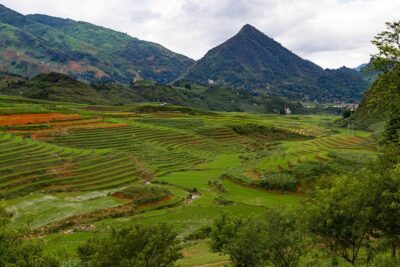
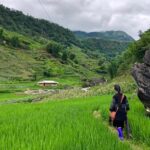
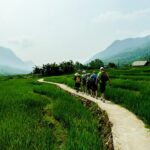
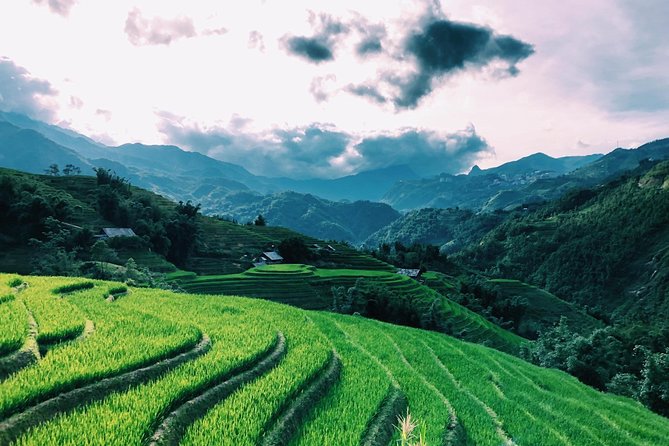
Rain or sun, Sa Pa pulls you in fast. This one-day hike follows the Muong Hoa Valley route past rice terraces and into Hmong villages, so you get real village time instead of just taking photos from the roadside. I like two things a lot here: the walk through Muong Hoa Valley and the chance to meet people in Black Hmong communities at Y Linh Ho. The main drawback to plan for is muddy, slippery trails in bad weather, even when the day is still running.
The tour runs about 5 to 6 hours with a max group size of 15, so it feels personal without being cramped. Pickup is offered, lunch and bottled water are included, and you’ll get guided explanations that can make foggy days easier to read when visibility drops.
You’ll want moderate fitness. This is not a flat stroll, especially when paths are wet. If you bring proper footwear and a rain layer, you’re set up to enjoy the raw, real Sa Pa experience.
In This Review
- Key highlights worth knowing before you go
- Starting in Sa Pa: pickup, meet point, and how the day moves
- Muong Hoa Valley to Y Linh Ho: the first hour sets the tone
- Y Linh Ho and the Black Hmong: what the guide helps you see
- Lao Chai: a longer look at the Hmong way of life
- Ta Van Village: short stop, friendly vibe
- The walking reality: 5 to 6 hours is active, not casual
- Price and value: why $19 can work (if you use what’s included)
- Guides matter: Lin, Su, and ZiZi bring the villages into focus
- Weather checks: when rain improves the trek and when it shuts it down
- Who should book this one-day Sa Pa trek
- Should you book this Sa Pa one-day trek?
- FAQ
- How long is the one-day trek in Sa Pa?
- What’s included in the tour price?
- Is there a pickup from my accommodation?
- Which villages are visited during the trek?
- Are entrance tickets included for each village stop?
- What fitness level do I need?
- How big are the groups?
- Can I cancel if weather is bad or my plans change?
Key highlights worth knowing before you go
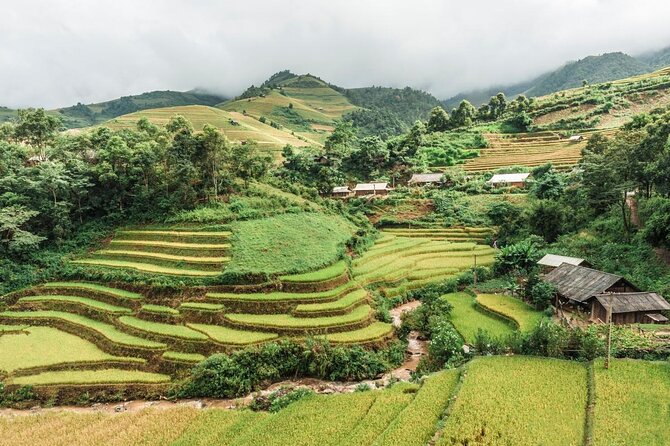
- Muong Hoa Valley route: cascading terrace scenery and downhill-uphill walking that takes effort.
- Y Linh Ho village stop: a full hour in a Black Hmong community, with the admission ticket included.
- Lao Chai stop: about 7 km southeast of Sa Pa town, with an hour here and no admission ticket cost.
- Ta Van village timing: a shorter 30-minute stop that still gives you a chance to talk with locals.
- Small group size (max 15): easier pacing and more guide time versus huge tours.
- Weather reality: foggy and rainy days happen; good guides help you keep your bearings.
Starting in Sa Pa: pickup, meet point, and how the day moves
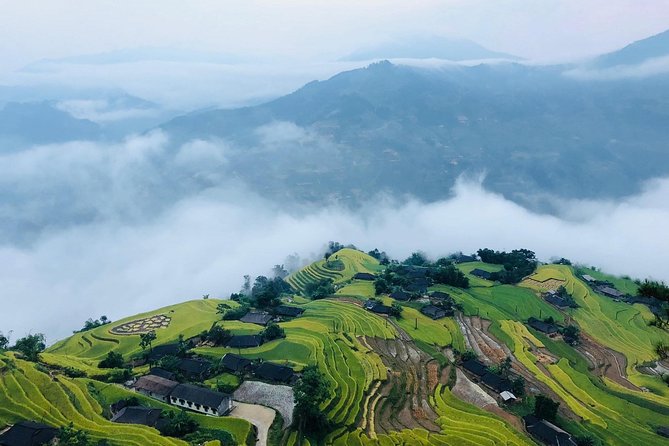
The day begins in Sa Pa at Saigonese Trekking House (02 Nguyễn Chí Thanh). The tour ends back at the same meeting point, so you don’t have to figure out transit after a hike.
Pickup is offered, and in at least some cases it’s done from near your accommodation on foot. That’s a nice touch in Sa Pa, where narrow lanes and short distances can make “walk to the meeting point” plans more annoying than expected. For luggage, there’s storage available in Sa Pa town—just make sure you let them know in advance so your bags are handled properly.
Once you finish the trek, transportation back to Sapa Town is included. That matters because on a wet day your legs will be done, and you won’t want to add extra hassle.
Muong Hoa Valley to Y Linh Ho: the first hour sets the tone
Your first stop is Y Linh Ho, in the Muong Hoa Valley area. You’ll spend about an hour here, and the admission ticket is included. This is where the trek shifts from “travel day” into “village day.”
The big reason Y Linh Ho works so well is that it’s not rushed. You get time to slow down and notice how people live in the valley—where homes sit, how paths connect, and what daily routines look like from up close. Even on days when weather turns gray, the village is still understandable once your guide helps you connect the dots.
If you’re hoping for calm, you’ll appreciate the peaceful feel described for this stop. It’s also the most “structured” village visit in the itinerary, so if your day feels packed later, this is your anchor.
Y Linh Ho and the Black Hmong: what the guide helps you see
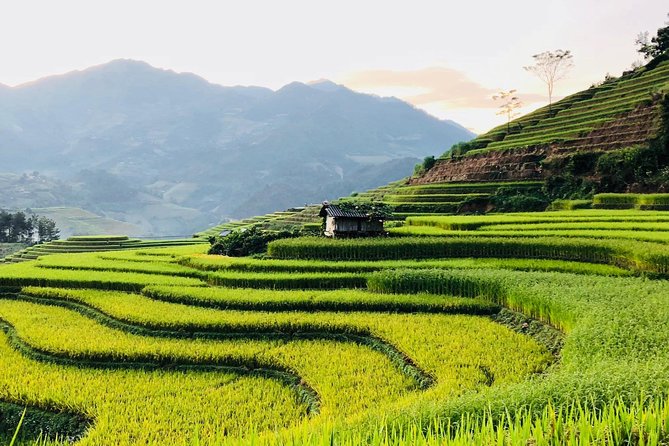
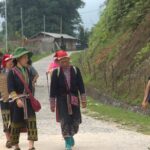
This stop centers on the Black Hmong ethnic minority. The key value isn’t just seeing houses—it’s how your guide explains what you’re looking at and how the community lives.
In real-world terms, that means you’re less likely to wander through a village like a passing tourist and more likely to understand why things are placed the way they are. On foggy and rainy days, guide support becomes even more important; at least one guide (named ZiZi in past experiences) worked hard to help people see the villages even when visibility was poor.
You can also expect chances to observe traditional lifestyles and daily routines. The amount of interaction can vary by situation, but the intent is clear: this is about village knowledge, not just a photo stop.
Lao Chai: a longer look at the Hmong way of life
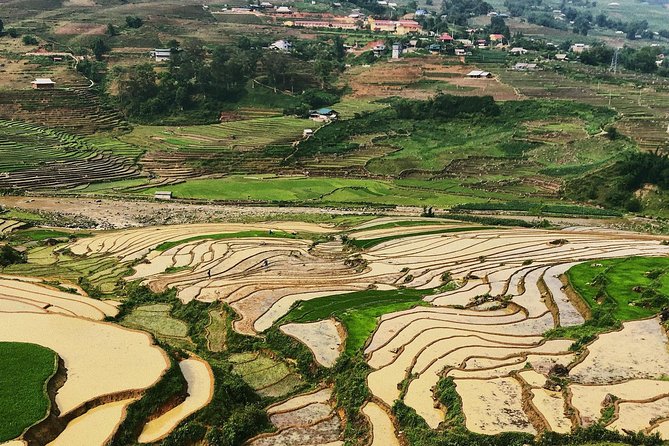
Next up is Lao Chai Village, situated about 7 km southeast of Sa Pa town. You’ll have about an hour here, and unlike the other two stops, the admission ticket is free.
Lao Chai is often the “wow, that’s close to the views I hoped for” moment. You come in through Muong Hoa Valley terrain, then you’re placed in a village setting that feels distinctly tied to farming and the valley’s shape. Expect a mix of quiet moments and the constant movement you see in everyday village life—people going about chores, paths connecting homes, and the valley doing what the valley does: making everything feel angled and layered.
The benefit of this stop is the balance. It’s not only about culture; it’s also about how the terrain shapes work and daily life. If you enjoy walking while learning, this hour usually feels like the sweet spot.
Ta Van Village: short stop, friendly vibe
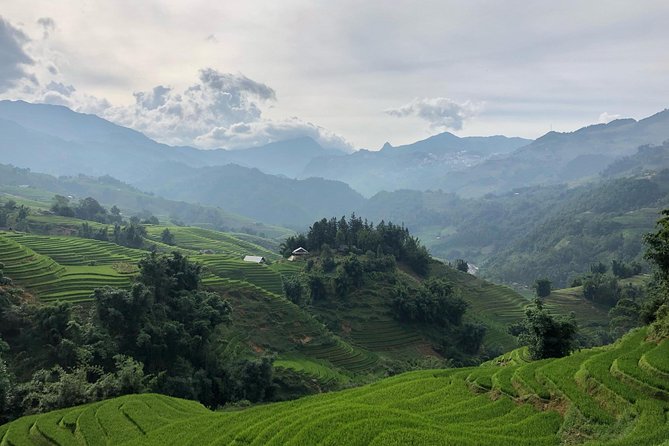
Your last village stop is Ta Van Village, where you’ll spend about 30 minutes. The admission ticket is included for this stop.
Ta Van is described as a small community with hospitable, amiable, and friendly people. People scatter along mountain feet, valleys, and streams—so it’s a village shaped by geography, not a single compact town center. That matters because even in a short visit, you can sense the layout and the relationship to water and slopes.
A quick heads-up: because this is the shortest stop, you’ll want to use the time efficiently. If you have questions about daily routines or farming, ask them while your guide is still nearby and you’re still in the thick of the village rather than toward the end.
The walking reality: 5 to 6 hours is active, not casual
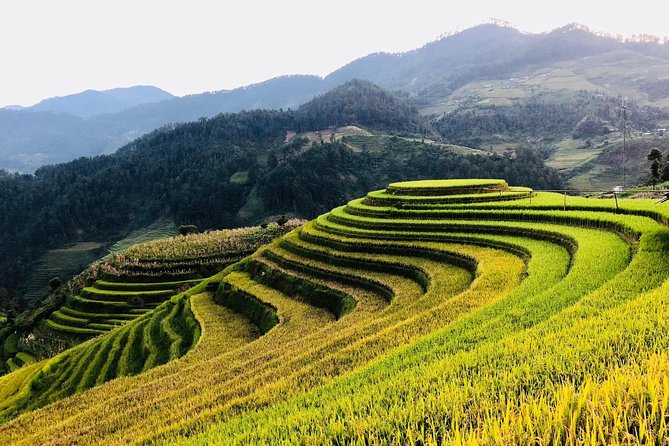
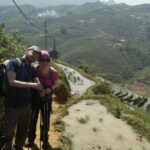
A lot of people underestimate Sa Pa trails—especially when the weather is mild at first. This trek runs about 5 to 6 hours total, and the route includes wet-season risk: muddy, slippery paths can happen quickly.
One caution from past experiences is blunt: this hike is not a walk in the park. If you don’t like slippery footing, or you’re not comfortable with uneven ground, plan to take it slow. Proper shoes are the difference between “fun adventure” and “tense survival.”
The good news is that the tour is built around a guided pace. Guides can help you choose safe footing, and in at least one case involving an accident on a slippery section, the day was still handled and turned into a meaningful experience.
If you’re traveling with older parents or kids, you can still make this work, but you’ll want to be honest about mobility and grip. This is where moderate fitness really shows.
Price and value: why $19 can work (if you use what’s included)
At $19 per person, the value depends on how you compare it to DIY costs.
Here’s what you’re getting included:
- Lunch
- Bottled water
- Entrance tickets (included at Y Linh Ho and Ta Van; Lao Chai is free)
- Transportation back to Sapa town
- Luggage storage in Sa Pa (if you inform them in advance)
That combination is the real value: food, ticket hassle, and getting back to town are handled. On a one-day trek, that saves energy for the hike instead of turning your day into logistics.
One more value point: small groups. A max group size of 15 usually means more time with your guide and a calmer experience when the trail gets busy.
What’s not included:
- Insurance
- Tips
So if you’re used to building your own plans, you should still budget a bit for gratuity and make sure your coverage makes sense for hiking.
Guides matter: Lin, Su, and ZiZi bring the villages into focus
This tour has one thing going for it that’s hard to price: guide quality.
Past experiences include guides named Lin, Su, and ZiZi. Each has been praised for making the day easier to understand—whether that means explaining different tribes, describing how people live, or adjusting the walk so you can still enjoy villages when fog rolls in.
A practical takeaway for you: choose a guide who gives you clear direction. You want someone who can help you read what you’re seeing. When conditions are bad, the guide becomes your eyes and your safety plan.
If your day is rainy or foggy, don’t fight the weather. Let your guide manage the pace and sightlines so the day still feels rewarding.
Weather checks: when rain improves the trek and when it shuts it down
Sa Pa weather can switch fast. The trek can run in foggy or rainy conditions, and muddy trails are a known possibility. That’s why the best mindset is gear-first.
At the same time, the tour has a weather requirement: it requires good weather. If it’s canceled due to poor weather, you’ll be offered a different date or a full refund. That’s the safety net you want, especially if you know your limits.
If you’re sensitive to slippery ground, you’ll be happier choosing a day when the mountains are clearer. If you’re okay with rain gear and careful steps, overcast days can still deliver that quiet, mystical Sa Pa feeling—especially when your guide helps you find the best views and keep your bearings.
Who should book this one-day Sa Pa trek
This trek is a great fit if you want:
- Village time with Hmong communities (Y Linh Ho, Lao Chai, Ta Van)
- A manageable day length (about 5 to 6 hours)
- A guided route through Muong Hoa Valley instead of figuring out transfers and timing yourself
- A smaller group experience (max 15)
It’s also suitable for some mixed groups. One experience included kids and people over 70, but the key is the same in every case: wet, uneven terrain requires caution and slow pacing.
If you hate getting wet, have serious balance issues, or can’t handle uneven steps, this might feel stressful. In that case, choose a less technical option instead of forcing a muddy hike.
Should you book this Sa Pa one-day trek?
I’d book it if your goal is a real day in Sa Pa—not just a quick photo loop. The mix of Muong Hoa Valley walking plus multiple village stops makes it more than a scenic stroll. Lunch and water being included also keep the day from feeling like a spend-and-struggle kind of tour.
Skip it only if you know you won’t handle slippery trails in rain, or if you’re uncomfortable with a moderate-activity day. With the right shoes and a rain layer, this trek can be one of the most memorable ways to see Sa Pa beyond the town center.
FAQ
How long is the one-day trek in Sa Pa?
The trekking experience runs about 5 to 6 hours.
What’s included in the tour price?
Lunch, bottled water, entrance tickets, transportation back to Sapa Town, and luggage storage in Sapa Town (if you inform them in advance).
Is there a pickup from my accommodation?
Pickup is offered, and the meeting point is Saigonese Trekking House. You’ll be able to confirm pickup details when you book.
Which villages are visited during the trek?
You visit Y Linh Ho, Lao Chai, and Ta Van.
Are entrance tickets included for each village stop?
Tickets are included at Y Linh Ho and Ta Van. Lao Chai is listed as free.
What fitness level do I need?
The tour recommends moderate physical fitness. The route can get muddy and slippery in wet conditions.
How big are the groups?
The tour has a maximum of 15 travelers.
Can I cancel if weather is bad or my plans change?
You can cancel up to 24 hours in advance for a full refund. If the tour is canceled due to poor weather, you’ll be offered another date or a full refund.