REVIEW · SAPA
Number one top rated ethical cultural trekking and homestay by ETHOS
Book on Viator →Operated by Ethos - Spirit of the Community · Bookable on Viator
Two days in Sapa can feel endless—if you rush. This one slows you down: a private trek through rice paddies and villages, then a night in a host family’s home. It’s run by ETHOS – Spirit of the Community, with guides who focus on daily life, not just photo stops.
What I love most is the homestay experience itself—sharing meals and getting a real look at village routines around the rice fields. I also like how the trekking feels guided and flexible, especially on day two, where you choose your destination and the route adjusts to your pace.
The main thing to weigh is the physical side. Day one totals about 14 km and includes a steep climb of around 2 km, so you’ll want solid moderate fitness and good weather.
In This Review
- Key things I’d circle before you go
- ETHOS in Sapa: community-focused trekking that doesn’t feel staged
- Day 1: from ETHOS to rice terraces, villages, and a steep 2 km climb
- Evening homestay: dinner, shared time, and learning how village life moves
- Day 2: choose your destination, then taxi back to Sapa
- Meals and refreshments: what’s included and why it helps
- Transport and comfort details that matter more than you think
- Guides who make it cultural: Cha, Hoa, Ha, Ker, My, and Kae
- Price and value: is $93.34 fair for two days?
- Who should book this Sapa Valley homestay trek?
- Should you book it? My practical verdict
- FAQ
- How long is the trek?
- Where does the tour start?
- What’s included for meals?
- How difficult is the hike?
- Is this tour private?
- How do you get back to Sapa on day two?
- What happens if the weather is bad?
Key things I’d circle before you go
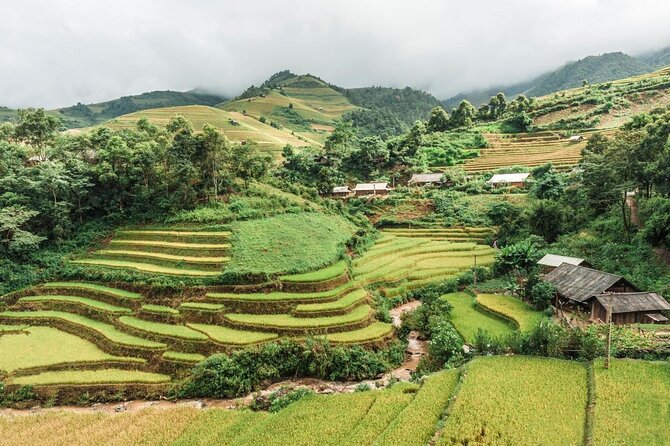
- Private 2-day trek in the Sapa Valley with your own guide and pace
- Village homestay with a host family, plus one dinner and breakfast
- Easy-to-steady start, then a climb on day one (about 14 km total)
- Day two flexibility: choose distance/challenge and a destination, then return by taxi in the afternoon
- Meals and refreshments included (2 lunches, dinner, breakfast, water)
- Known, community-focused guides like Cha, Hoa, Ha, Ker, My, and Kae
ETHOS in Sapa: community-focused trekking that doesn’t feel staged
Sapa is famous for trekking, but many routes turn into a conveyor belt: walk, pose, move on. This experience is built around the idea that the point is people and context as much as views. You start at the ETHOS – Spirit of the Community center in Sapa (address listed in the meeting point details), and from there the day feels like a planned journey rather than random hiking.
ETHOS runs the homestay side too, which matters. You’re not just dropped off at a village house with loose instructions. You’re trekking with a guide, then spending the night with a host family where meals are part of the connection—so you’re not a “visitor in the background.”
Day 1: from ETHOS to rice terraces, villages, and a steep 2 km climb
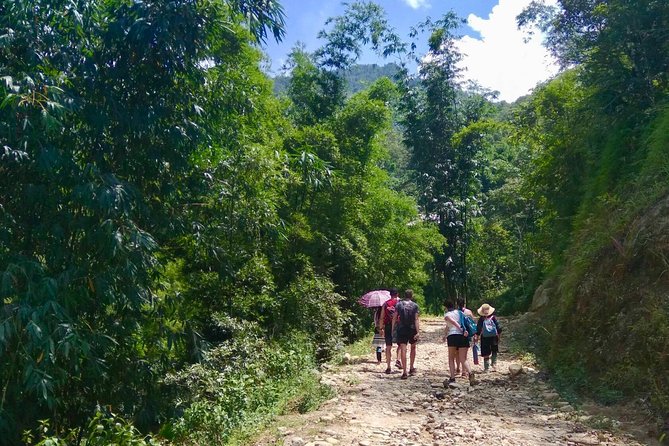
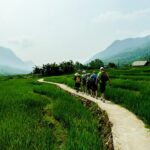
Day one begins at 8:30 am, near public transportation, at the ETHOS starting point. The trek runs about 14 km total, with the first 6 km described as relatively easy but still undulating. Translation: you’re not in full sprint mode, but it’s not flat either—expect rolling effort.
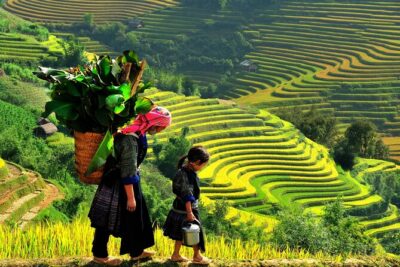
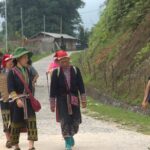
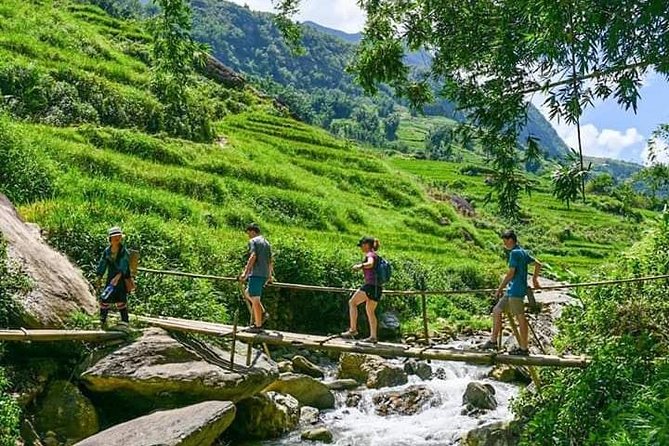
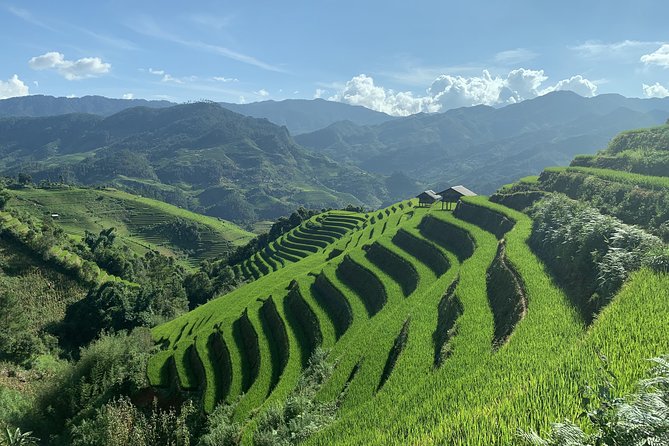
As you continue, you pass rice terraces and traditional villages. This is where the guide’s storytelling becomes practical. You’re not hearing random facts for the sake of it; you’re walking through places where those details make sense. In particular, guides such as Hoa have been highlighted for explaining background and interesting facts early on, which helps you read what you’re seeing while you’re moving.
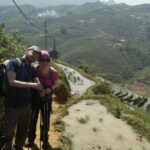
Then comes the hard bit: a steep climb of around 2 km before you stop. That segment is the one to respect. If you go out too fast in the easier opening, the climb will feel longer. If you pace it, it becomes “work you can manage,” and it’s also a moment where you notice the changes in surroundings—because the trail is physically taking you somewhere.
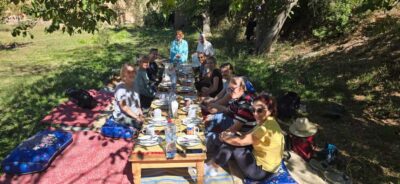
Lunch is part of the day’s rhythm. You stop to cook and share lunch with your host family. That matters more than it sounds, because it turns a meal into a conversation. Even if your day is packed, you’re still getting that slower human beat: sit, eat, talk, then continue.
Evening homestay: dinner, shared time, and learning how village life moves
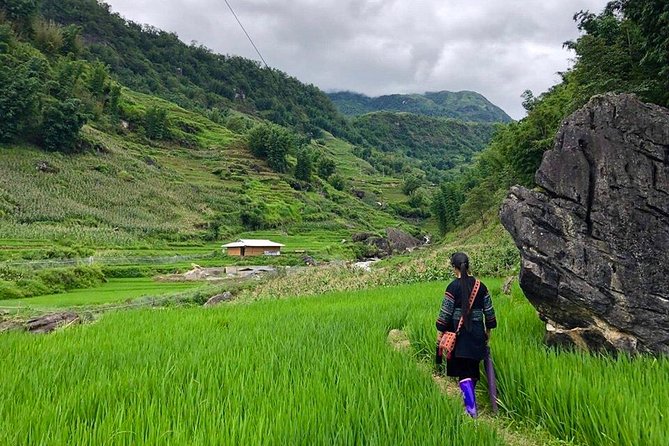
After the walking, you settle into the homestay accommodation for the night. You’ll have dinner included, and the experience is designed around being with your host family, not just sleeping near them. If you’ve done treks where you sleep in a basic room and never really connect, you’ll feel the difference here.
Guides like Cha and Ha have been praised for being insightful about local life—so you’re not left guessing. Instead, you get context that helps you understand what your host family is doing and why. That can mean understanding daily rhythms, local customs, or what certain plants and routines are tied to, depending on your guide and the route.
Day 2: choose your destination, then taxi back to Sapa
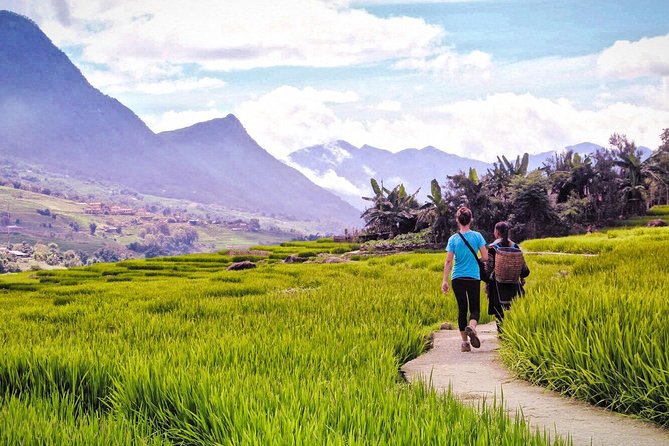
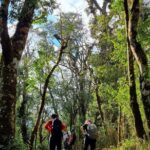
Day two keeps the same overall theme—villages, rice terraces, and bamboo forests—but it’s built around flexibility. You continue your trek with lots of room in both distance and challenge, and you can choose your destination. That’s a big deal if you’re the type who wants a route matched to your energy level instead of a fixed checklist.
This is also where a good guide earns their pay. Some routes are popular because they’re easy to manage with groups. Here, the balance shifts toward paths you might not find on your own. Guides like Kae have been described as leading through forests and rice fields while showing sites you likely wouldn’t access easily otherwise.
You’ll hike until your chosen endpoint, and then a taxi pick-up in the afternoon brings you back to Sapa. The day doesn’t stretch into a late-night slog. It’s planned so you can enjoy the payoff of the morning hike without losing the whole afternoon.
Meals and refreshments: what’s included and why it helps
This trek includes two lunches, dinner, and breakfast, plus water and refreshments. On a two-day trek, food can either save you or stress you out—especially when your hiking pace is steady and your route has climbs.
Here, at least the baseline is covered. You won’t be budgeting for meals mid-trek, and you won’t be worrying about whether there’s reliable food available when you’re tired. The lunch shared with the host family on day one is also a built-in cultural moment, not an afterthought.
One practical note: the tour includes meals, but it doesn’t list any dietary options in the details you provided. If you have a specific dietary requirement, you’ll want to check directly with the operator during booking so you’re not surprised later.
Transport and comfort details that matter more than you think
You get private transportation included, plus the taxi back to Sapa on day two. That reduces hassle at the ends of the trek, and it also makes the homestay night smoother. In Sapa, getting around can be its own mini-adventure; having it handled is real value.
Also, it’s a private tour/activity: only your group participates. The booking notes say a minimum group size of two is required for this booking. If you’re traveling as a couple or small group, that’s perfect. If you’re solo, you’d need to check whether that minimum can be met for your dates.
Guides who make it cultural: Cha, Hoa, Ha, Ker, My, and Kae

I like hikes where the guide speaks plainly and answers the questions you didn’t know you had. ETHOS guides are praised for that kind of on-the-ground teaching.
- Hoa has been recognized for explaining background and interesting facts at the start, so you understand what the scenery and villages represent.
- Cha has been praised for being amazing and for being especially insightful about local life, with a strong connection to the host family.
- Ha is noted for guiding with explanations tied to her family and community, which helps the trek feel like learning through walking.
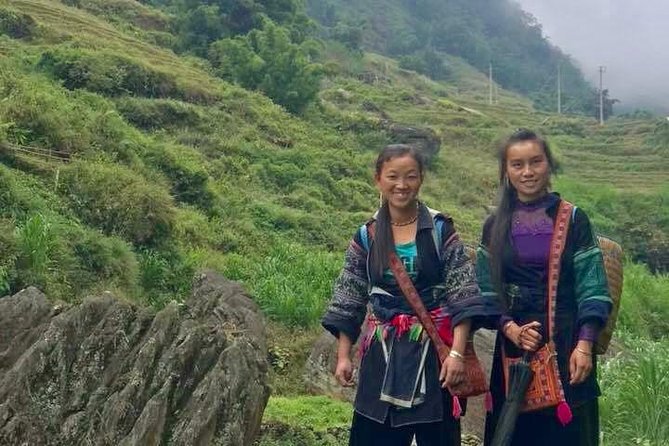
- Ker is described as gracious and knowledgeable, including insights tied to Hmong and Dao peoples.
- My has been highlighted for showing the real village life and helping visitors meet families rather than staying in “tour mode.”
- Kae is praised for leading through places like forests and rice paddies and for helping visitors find paths that feel hard to reach without local guidance.
Why this matters: if you’re paying attention, culture isn’t a museum. It’s food routines, planting rhythms, and the way people use the land you’re walking through. When the guide connects those dots, you leave with more than photos.
Price and value: is $93.34 fair for two days?
At $93.34 per person, the key question isn’t just the price tag—it’s what’s bundled. You’re getting:
- Two days of guided trekking
- Private transportation and a taxi back to Sapa on day two
- Homestay accommodation for one night
- Meals: dinner, breakfast, and two lunches
- Water and refreshments
That mix is where the value really shows. A lot of “budget trek” offers in Vietnam look cheaper because they quietly charge you for guide time, transport, and food separately. Here, those essentials are part of the package, which makes planning simpler.
What’s not included is travel insurance. You’ll want your own coverage for hiking and time on the ground, since the tour details only mention insurance as not included.
Who should book this Sapa Valley homestay trek?
This fits you best if you want a private experience with a real village night, and you’re okay with a moderate hike that includes hills and a real climb.
You’ll likely enjoy it most if:
- you like cultural context while you hike (not just scenery)
- you’re comfortable with a host family home setting and shared meals
- you have moderate physical fitness and can handle walking around 14 km on day one
- you want flexibility on day two—choose the destination and adjust the effort
It might feel like the wrong match if you’re chasing a strictly easy stroll with zero challenge, because day one includes that steep climb and day two still involves trekking through mixed terrain.
Should you book it? My practical verdict
If you’re choosing between a standard Sapa trek and this kind of community homestay route, I’d lean toward booking this one—especially if you care about respectful cultural exchange. The strongest reason is that the homestay isn’t a gimmick. It’s paired with a guide who helps you understand what you’re seeing, plus meals built into the day.
Do be honest about one thing: fitness and weather. The trek runs on good weather, and day one has both distance and climbing. If the forecast looks messy, the operator may shift dates or offer a refund, so staying flexible helps you get the most out of it.
If your goal is to come away with real connection to village life—rice terraces, bamboo forests, and all the everyday routines that make Sapa more than a viewpoint—then this is a strong pick.
FAQ
How long is the trek?
It’s a 2-day experience in the Sapa Valley, with the first day starting at 8:30 am and the second day ending back at the meeting point after an afternoon taxi return.
Where does the tour start?
It starts at ETHOS – Spirit of the Community, Số 79 đường Nguyễn Chí Thanh, TT. Sa Pa, Sa Pa, Lào Cai 333311, Vietnam.
What’s included for meals?
You get one dinner and breakfast, plus two lunches. Water and refreshments are also included.
How difficult is the hike?
You should have moderate physical fitness. Day one is about 14 km, with the first 6 km described as relatively easy but undulating, followed by a steep climb of around 2 km. Day two offers flexibility in distance and challenge.
Is this tour private?
Yes. It’s described as a private tour/activity, and only your group participates.
How do you get back to Sapa on day two?
After finishing your selected destination on day two, you’ll get taxi pick-up in the afternoon to return to Sapa.
What happens if the weather is bad?
The experience requires good weather. If it’s canceled due to poor weather, you’ll be offered a different date or a full refund.