REVIEW · SAPA
Sapa 1 day trek with local guide to the village by Comlam
Book on Viator →Operated by comlam travel north Viet Nam adventures · Bookable on Viator
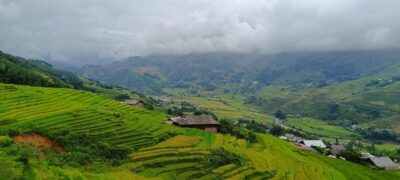
Foggy mountain mornings make Sapa feel unreal. This 1-day trek puts you in the Muong Hoa valley and ethnic villages with an English-speaking local guide. One thing to keep in mind: it’s a full walking day down into the valley, so you’ll want solid shoes and a moderate fitness level.
You start in Sapa town with a pick-up, then head downhill through rice fields (best when rice is in season), forest paths, and village lanes like Ta Van and Lao Chai. You get lunch in Ta Van around the middle of the day, then walk back while the light gets lower and the views change fast.
A possible drawback is the timing and pace: you’re on the move most of the day, and it’s not a “sit and admire from a viewpoint” outing. If you prefer very flat walking, this one may feel like a workout.
In This Review
- Key highlights you’ll actually feel
- Why This 1-Day Sapa Trek Works So Well
- 9am Pickup and the Walk Down Toward Muong Hoa Valley
- Rice Fields, Bamboo Forest, and Village Paths Between Ý Linh Hồ and Lao Chai
- Ta Van Lunch Around 1pm: The Best Midday Reset
- The Ta Van Loop After Lunch and How to Enjoy It Without Rushing
- The Guide Makes or Breaks This Day
- Price in Perspective: What $29 Buys You (and What It Doesn’t)
- Weather, Shoes, and the Sane Way to Do This Trek
- Should You Book This 1-Day Sapa Village Trek?
- FAQ
- What time does the tour start?
- Where does the tour meet and end?
- Which villages do you visit?
- Is lunch included?
- Is there a group size limit?
- How fit do I need to be?
- What’s included in the price, and what isn’t?
- What is the cancellation policy?
Key highlights you’ll actually feel
- English-speaking guide energy (names like May/Mai and Di come up often) and real talk about daily life
- Big valley route in one day: Sapa down to Muong Hoa valley and through village paths
- Rice + bamboo forest walking with scenery shifting as you change elevation
- Ta Van lunch break included, with time to reset before the afternoon loop
- Small groups up to 17 with private transportation and door-to-door pickup in the area
Why This 1-Day Sapa Trek Works So Well
Sapa can be easy to over-plan. You arrive, you want the hills and villages, and then you accidentally choose a half-day hike that feels like a photo stop, or a multi-day trek that takes over your schedule.
This one-day route hits a sweet spot. You get that classic Sapa feel—valley walking, village life, and steep-ish paths—without needing to sleep in the mountains. The big win is that your guide helps you understand what you’re seeing. This isn’t just a route on a map. You’re learning how people live here, what grows around them, and how the communities connect as you walk between villages.
The other big reason it works: the day is structured so you’re not left guessing. You start at 9am, you’re eating lunch around 1pm in Ta Van, and you’re back by about 4:30pm. That means you can plan the rest of your Sapa trip with less stress. It also means you’re not stuck in the dark.
9am Pickup and the Walk Down Toward Muong Hoa Valley
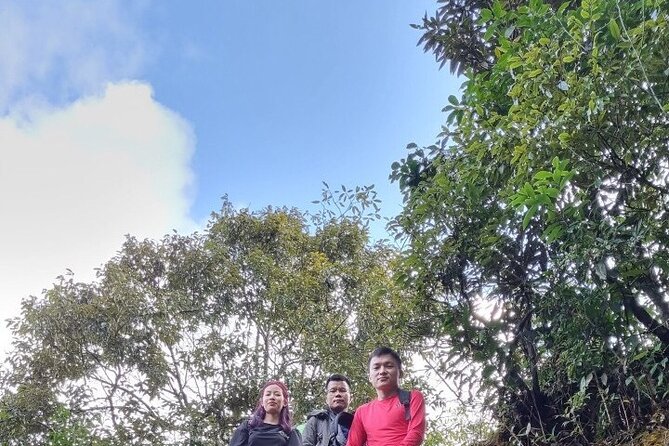
Your day starts with a pick-up in Sapa around 9:00am. You’ll leave Sapa town and head down toward the Muong Hoa valley—the biggest valley in Sapa—with rice fields and stretches of forest along the way.
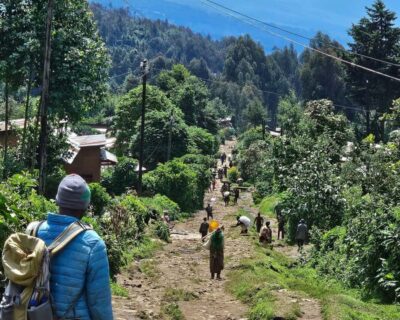
This is where the trek starts to feel real. Sapa streets are busy and cool, but once you’re walking down into the valley, the air changes. The path curves around fields and garden edges, and you start seeing how close village life is to the landscape.
I like that your guide doesn’t just keep time. They talk you through what you’re walking past. In the guides highlighted by guests, you’ll often see a focus on everyday details—local plants and fruits, how people use what grows nearby, and how community life works across the villages you visit. It’s the difference between watching people and understanding their routines.
Practical tip: go into the morning expecting a mix of surfaces—sometimes firm footpaths, sometimes uneven ground. You’ll move steadily, not sprint. The goal is steady footing and good conversation, not speed.
Rice Fields, Bamboo Forest, and Village Paths Between Ý Linh Hồ and Lao Chai
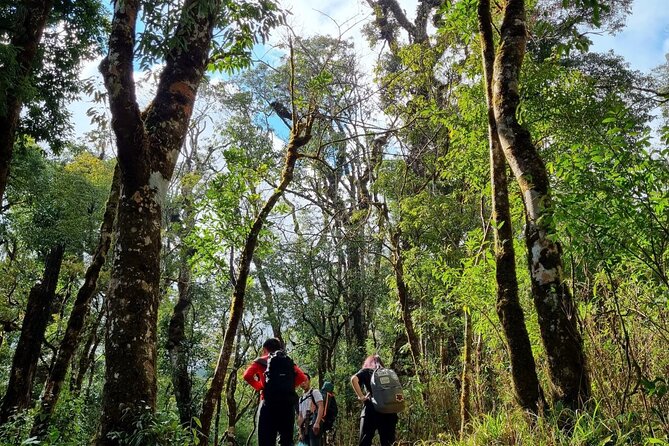
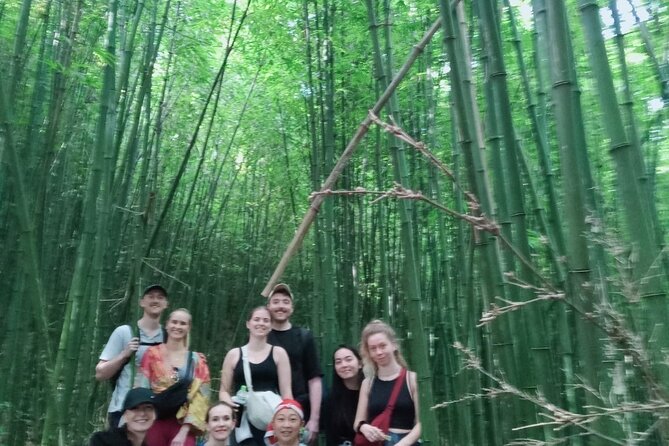
As you continue, the route includes bamboo forest sections and then village walking through communities like Ý Linh Hồ and Lao Chai (with Ta Van later in the day).
This is one of the most satisfying parts of the trek because the scenery isn’t repetitive. You go from open views over fields to shaded stretches where the air feels cooler. Even if you’ve seen photos of Sapa before, the “walking through it” effect changes everything. Depth matters more when you’re moving.
The other value here is context. In the stories guests shared, guides like May/Mai and Di were praised for explaining culture and local life in clear English, including references to ethnic groups such as the Red Dao. Even if you don’t remember every detail, you’ll leave with the mental map: who lives where, why certain paths matter, and what daily work looks like.
Potential drawback: village paths can be a little uneven. If you’re nursing a knee issue or you hate slippery stone, you’ll want trekking shoes with grip and you’ll want to go slow on descents. This isn’t a technical climb, but it is real walking on real ground.
Ta Van Lunch Around 1pm: The Best Midday Reset
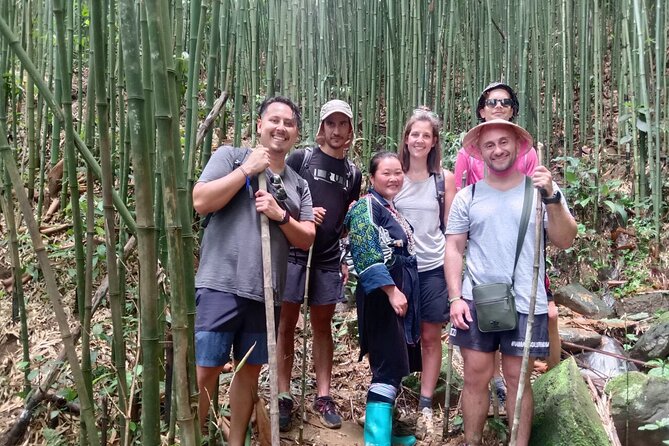
Around 1:00pm, you take a break for lunch in Ta Van village. This matters more than it sounds. In one-day treks, the lunch stop is what decides whether the afternoon feels fun or miserable.
The lunch is included, and guests also noted it comes with good portions. Even better, the meal isn’t just food—it’s a chance to pause, look around, and let your body adjust before the next walking segment.
Ta Van itself gives you a grounded look at Sapa village life. After walking through bamboo and fields, you arrive at a community pace that feels different. People are working, living, and going about their day. If your guide is strong (and the feedback on guides has been very positive), they’ll help translate what you’re seeing so you don’t just feel like you’re passing through.
Packing tip for lunch: keep your phone protected if it’s damp. One guest mentioned getting a bit damp during the day, which can happen in the hills depending on clouds, mist, or recent rain.
The Ta Van Loop After Lunch and How to Enjoy It Without Rushing
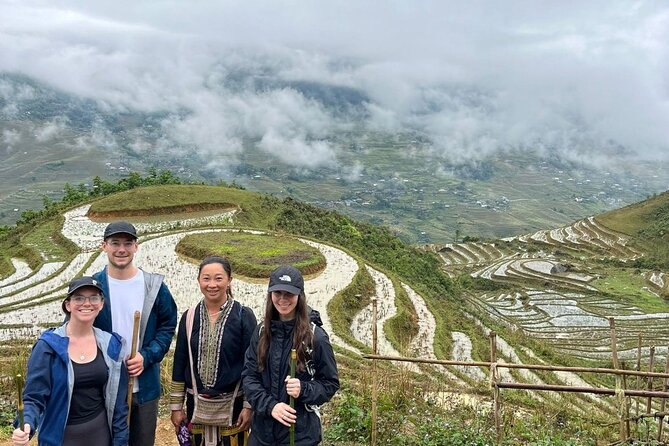
After lunch, you keep trekking around Ta Van village. The goal here is not a long marathon; it’s a gentle continuation that lets you experience the area while your group stays together.
Why this works: you’re no longer dealing with the energy spike of the morning descent. You’re more in a “wander and learn” mode. With an experienced guide, this segment can be surprisingly rich. Guests mentioned learning about plants, fruits, and local culture, and even exchanging stories about life in their home countries. That kind of back-and-forth turns the afternoon from a hike into a shared day.
Another reason the loop is a smart design: it keeps you close to the day’s main village experience. You’re not constantly switching gears between far-flung viewpoints. Instead, you’re building a clearer understanding of how a single village area connects to the broader trek route.
By about 4:30pm, the car picks you up and takes you back to your hotel in Sapa or to the Sapa bus station. That timing is perfect for travelers who still want time to eat well and plan the next day without rushing.
The Guide Makes or Breaks This Day
This tour lives or dies on the quality of the guide. The strongest feedback highlights very good English and guides who explain not just sights, but how life works here.
You may meet guides such as May/Mai or Di, and the recurring theme is clear communication plus a friendly, upbeat style. That matters because Sapa villages are not a “theme park.” Without context, you’ll still enjoy the scenery. With a good guide, you understand what you’re looking at and you feel more respectful in how you move through people’s daily space.
I also like the pacing described by guests: a leisurely pace. That doesn’t mean slow and boring. It means you’re not forced to sprint between points. You have time to stop, ask questions, and enjoy the view changes between rice fields, forest paths, and village lanes.
Group size stays reasonable, with a maximum of 17 travelers. That helps keep the day from feeling like a conveyor belt. You still have people around you, but it doesn’t feel crowded.
Price in Perspective: What $29 Buys You (and What It Doesn’t)

At $29 per person, this is priced like a value trek day. But value isn’t just the number. It’s what you get for the money.
Included:
- Lunch (with solid portions noted)
- Local guide
- 1 bottle of water
- Entrance ticket
- Private transportation
- Free pick-up around Sapa and also around Lao Chai and Ta Van
Also important: you’re not paying extra for the comfort of being moved between trail start points and return pickup. You’re getting a full day structure with transport and a guide, which is what most DIY attempts struggle to recreate.
Not included:
- No bus pick-up from Hanoi
So if you’re coming from Hanoi, plan your own transport to Sapa first. Once you’re in Sapa, the day itself is handled.
A practical way to think about it: if you were to hire a guide for a day and coordinate transport on your own, the cost often rises quickly. Here, the total package is built to stay affordable.
Weather, Shoes, and the Sane Way to Do This Trek
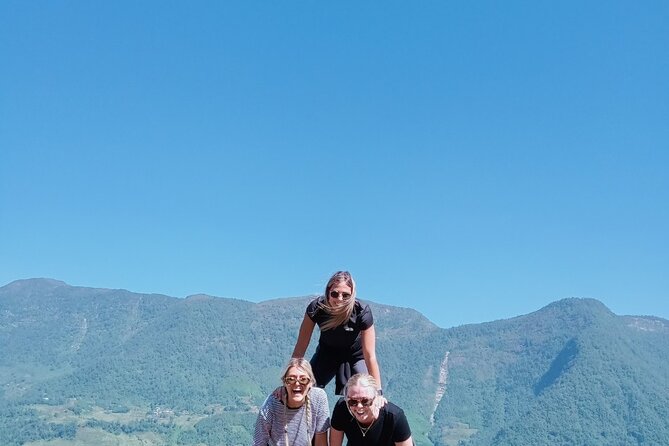
Sapa weather can be moody. Even when the forecast looks fine, the hills can bring mist and damp air. One guest mentioned getting a bit damp, which is common enough to take seriously.
Here’s how to stay comfortable:
- Wear grippy hiking shoes or sturdy sneakers. The ground can be uneven.
- Bring a light rain layer, even if you don’t expect rain.
- Carry water if you’re a heavy sweater. You get 1 bottle, but that may not be enough for everyone.
- Keep a relaxed pace. The tour is designed for a manageable one-day effort, but the descents and village paths still take work.
Fitness reality check: the tour notes a moderate physical fitness level. If you can handle a good walk with some uneven sections, you’re likely fine. If you’re coming off an injury or you’re expecting mostly flat terrain, you might want a gentler alternative.
Should You Book This 1-Day Sapa Village Trek?
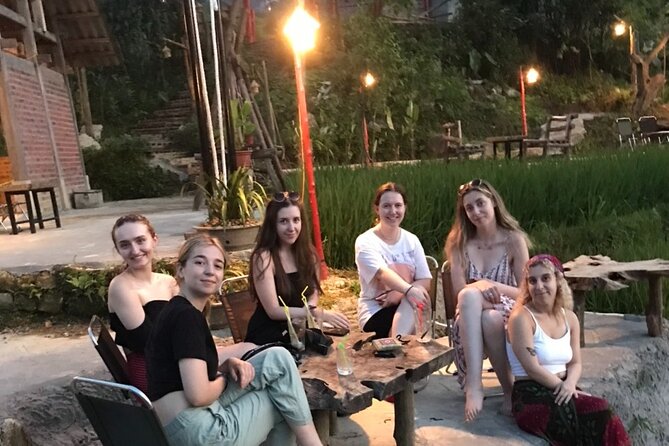
If you want a Sapa day that feels authentic—rice fields, bamboo forest, and real village communities—this is a strong choice. I’d especially recommend it if you like learning from your guide and you want more than just photos.
Book it if:
- You’re short on time and want Ta Van + Lao Chai in one day
- You prefer a structured day with pickup and return by around 4:30pm
- You value an English-speaking guide and cultural context
Skip it (or consider a different option) if:
- You hate uneven ground and steep-ish descents
- You want mostly easy walking with minimal movement
- You’re not comfortable with a full day outdoors, even at a leisurely pace
For the price, with lunch and transport handled, this is one of the more practical ways to do Sapa villages without turning your trip into a logistics project.
FAQ
What time does the tour start?
The guide picks you up around 9:00am in Sapa, and the trek starts from there.
Where does the tour meet and end?
It starts at 599 Đường Điện Biên Phủ, TT. Sa Pa, Sa Pa, Lào Cai. It ends back at the meeting point area, with return pickup to your hotel in Sapa or the Sapa bus station.
Which villages do you visit?
The walk goes to local villages including Ta Van, Lao Chai, and Ý Linh Hồ.
Is lunch included?
Yes. Lunch is included, and the break in Ta Van happens around 1:00pm.
Is there a group size limit?
Yes. The tour has a maximum of 17 travelers.
How fit do I need to be?
The tour is for people with moderate physical fitness.
What’s included in the price, and what isn’t?
Included: lunch, free pick-up around Sapa and Lao Chai and Ta Van, local guide, 1 bottle of water, entrance ticket, and private transportation. Not included: no bus pick up from Hanoi.
What is the cancellation policy?
You can cancel for a full refund up to 24 hours in advance of the experience start time.