REVIEW · SAPA
Sapa : 2-Day Trek & Heartwarming Homestay with an Ethnic Family
Book on Viator →Operated by Vietnam Nomad Trails · Bookable on Viator
Two days, and Sapa feels personal. This is a guided Sapa trek with homestay that gets you out into the Muong Hoa valley and into real daily routines, with hotel pickup and drop-off so you are not juggling logistics. I love the small-group setup and the way guides like Nhu, Chai, or Thao Nhu keep things organized while explaining what you are seeing. I also love the hands-on cooking class with a local family, followed by dinner in their home, not just a quick roadside meal. One consideration: you need moderate fitness and the trails can be slippery in places, so good shoes matter.
If you are visiting Sapa for the first time, this works well as a “get your bearings fast” option. The walking is active, and the overnight is in a traditional homestay setting, so it is not the same comfort level as a city hotel. Plan for cool weather in the Sa Pa season when nights get chilly, and pack for the evening, not just daytime hikes.
In This Review
- Key highlights I think matter most
- Why This 2-Day Sapa Trek Feels Easier Than Day-Hopping
- Getting There Smoothly: Pickup, A/C Ride, and a Clear Start
- Day One in the Muong Hoa Valley: Terrace Views and Real Village Flow
- The Hands-On Cooking Class: When Cultural Learning Becomes Practical
- Homestay Night: Traditional Home, Local Breakfast, and What to Expect
- Day Two: More Villages, More Walking, and a Sense of Momentum
- What the $59 Price Covers (and Where You’ll Spend Extra)
- Who Should Book This Trek (and Who Might Want a Different Style)
- Packing Tips That Actually Help in Sa Pa
- Should You Book This Sapa Trek and Homestay?
- FAQ
- What time does the trek start?
- Where do I meet the group?
- Does the price include pickup and transport?
- How long is the experience?
- What meals are included?
- Is there a homestay night?
- What fitness level do I need?
- What should I bring for the trek?
Key highlights I think matter most
- Muong Hoa valley trekking for big rice-terrace views without route stress
- Small group size for closer time with your guide and family hosts
- A hands-on cooking class led by a local family, then you eat what you help make
- Homestay night in a traditional home, plus breakfast the next morning
- Meal plan built around the experience, with lunches at local spots and dinner with your hosts
- Guides who talk culture, with English-friendly explanations from guides like Nhu and Chai
Why This 2-Day Sapa Trek Feels Easier Than Day-Hopping
Sapa can be a little chaotic if you try to do everything on your own. This tour is designed to cut through that. You start in the morning at Nomadtrails Boutique Hotel and you get picked up and transported by air-conditioned vehicle. Then you hike with a guide, so you are not spending your mental energy on maps, turns, or whether the next fork is the right one.
What I like is that the pace feels more human than a tight day trip. Two days means you get time to slow down, stop for photos, and actually take in village life without feeling rushed. That matters because in the Sapa area, the most memorable moments often happen in the in-between spaces: a short chat with someone along the path, a quick look at farm work, or seeing animals in the fields.
The small-group format also helps. When you are not stuck behind a long line, the guide can adjust walking rhythm to the group and explain what you are looking at. Based on the guide names that keep showing up, teams often include guides such as Nhu, Chai, Khu, and Thao Nhu, and they tend to make the trip feel personal through conversation, not just narration.
Getting There Smoothly: Pickup, A/C Ride, and a Clear Start
Practical logistics can make or break a trek. Here, the basics are handled for you. You meet at Nomadtrails Boutique Hotel (015 Tue Tinh, Sapa). The departure is 9:00 am, and you are asked to arrive about 15 minutes early so you can check in and settle before heading out.
Once you are moving, the tour uses an air-conditioned vehicle. That is a nice buffer in Vietnam’s changing weather—especially if you are arriving from warmer daytime conditions and expecting cooler mountain evenings.
It also helps that the day wraps up back at the meeting point. So at the end of your second day, you are not trying to figure out the best way back into town. The tour ends right where it begins, which makes planning your last evening in Sapa a lot simpler.
One more practical note: you need a current valid passport on the day of travel. That is worth doing early, because it is the kind of thing that can become a last-minute headache in Vietnam.
Day One in the Muong Hoa Valley: Terrace Views and Real Village Flow
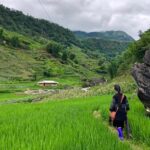
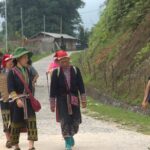
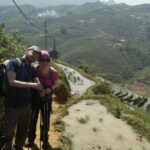
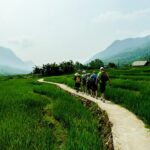
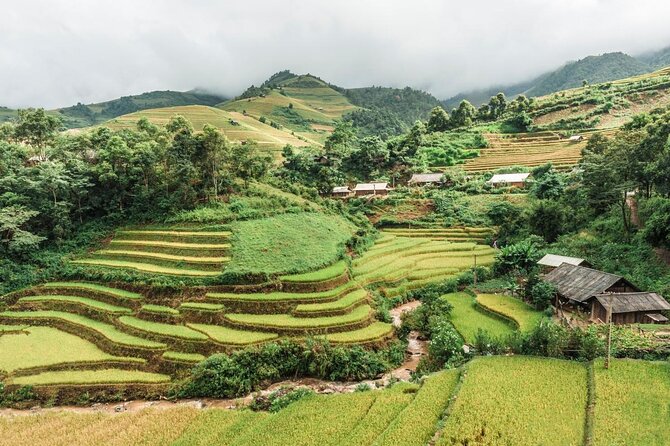
Day one is built around getting you into the Muong Hoa valley and seeing what makes the Sapa region famous. You hike through rice-terrace country where the fields cascade down the slopes. You will also get close enough to notice how daily life connects to the terrain—where people farm, where paths lead, and what the pace of village life looks like from the outside but at human scale.
If you want a trek that feels like it shows more than just scenic stops, this is the right structure. You encounter ethnic communities and spend time walking near homes and farmland, not only stopping at a viewpoint and calling it a day.
Guides play a big role here. From the patterns in recent groups, guides like Nhu, Thao Nhu, and Chai often keep things moving while also answering questions about ethnic minorities and life in northern Vietnam. The best part is that explanations usually come alongside what you are already seeing, so it feels relevant instead of like a lecture.
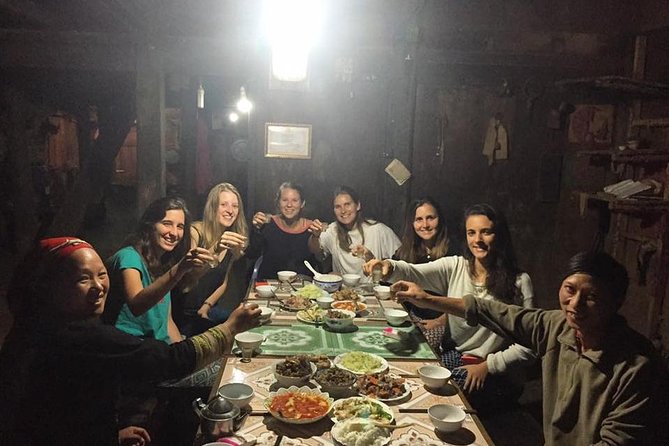
What about the trail itself? You should plan for an active walk and bring trekking shoes. Roads and paths can be slippery, and you might share the path with water buffalo, cows, chickens, or ducks, depending on the route and time of year. That is not guaranteed scenery—but it matches the kinds of moments people consistently talk about.
The Hands-On Cooking Class: When Cultural Learning Becomes Practical
The cooking class is one of the most satisfying parts of the whole experience because it is active. Instead of watching food arrive, you participate. Your host family leads the lesson, and you learn in a way that makes sense on the ground: what ingredients mean locally, how dishes are built, and how family meals fit into everyday routines.
This is also where the trip stops feeling like a standard tour and starts feeling like time with people. You are not just taking photos; you are using your hands, asking questions, and eating something you helped make. That adds a layer of comfort, because the dinner that follows is tied to the work you just did.
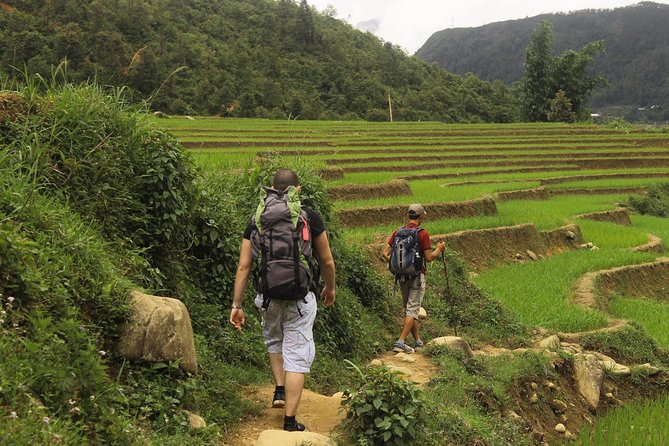
Then comes dinner with your local family. You will have that meal as part of the tour, which is a real value point. Many Sapa experiences feed you, but they do not always slow down enough to connect food with the people behind it.
If you have dietary requirements, tell the operator at booking. The tour asks you to advise dietary needs upfront, which is smart—so you do not end up trying to solve food restrictions after you are already in the mountains.
Homestay Night: Traditional Home, Local Breakfast, and What to Expect
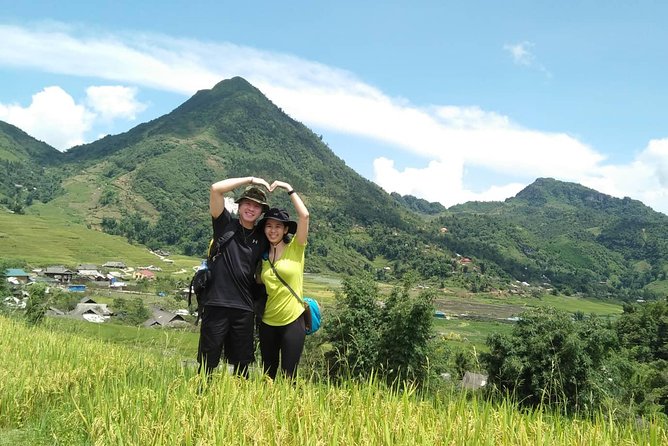
Sleeping in a homestay changes the vibe instantly. You spend the night in a traditional home with an ethnic family. That means you should expect a simpler setup than a hotel—no turning up the thermostat, no polished guest facilities. The focus is on connection and routine, not luxury.
What I like is that you get a full experience cycle. You cook with the family, you share dinner, and then you stay in their home. The next morning, you get breakfast in the homestay, so you are not just visiting and leaving. It is the kind of structure that makes the overnight feel meaningful.
This is also why packing for the night matters. The tour recommends bringing clothes for the evening. Sa Pa nights can be cold, especially in the October to March period, so it is worth treating the homestay like it is part of the trek equipment, not an afterthought.
And one more small thing that matters: be respectful with local culture. In a home setting, your behavior is part of the experience. Keeping things calm, quiet when needed, and grateful goes a long way.
Day Two: More Villages, More Walking, and a Sense of Momentum
Day two is where the trek keeps building on the first day. You continue exploring the Sapa area with your guide, and the walking tends to be active enough that you can feel the rhythm by the second morning.
Some Sapa routes in this style include villages such as Ta Ta Phin and Lao Chai, plus nature sections like bamboo forest walks and waterfall time. That kind of mix is often what people remember most: village life in the morning, then a greener stretch through the bamboo or a cool break by a waterfall.
Even if your exact route differs, the intention stays the same: connect cultural stops with time on foot in the countryside. The tour also includes a second lunch at a local restaurant, so you are not relying on packaged snacks for the whole day.
As you get near the end of day two, the tour takes you back so you can re-enter Sapa center without stress. You will return to the same meeting point where you started, which makes it easy to plan your last meal and your next move.
What the $59 Price Covers (and Where You’ll Spend Extra)
For $59 per person for a two-day trek with one homestay night, this is mostly about value in the right places.
Here is what is included:
- Hotel pickup and drop-off
- Air-conditioned vehicle for transport
- Homestay (1 night)
- Dinner with the local family
- Breakfast in the homestay
- Two lunches in local restaurants
- A little mineral water per person per day
- Bus back to Sapa center
- Admission ticket free
- Mobile ticket
What is not included:
- Beverages
- Travel insurance
- VAT
- Personal expenses
So you are paying for the experience logic: food, transport, guide time, and the overnight with the family. The parts that usually cost extra on your own are bundled here—especially the homestay night and meals.
Your main extra costs are likely drinks and personal spending. If you are the type who drinks bottled water or other beverages with meals, budget a little extra. Also, bring travel insurance separately if you need it, since it is not included.
Who Should Book This Trek (and Who Might Want a Different Style)
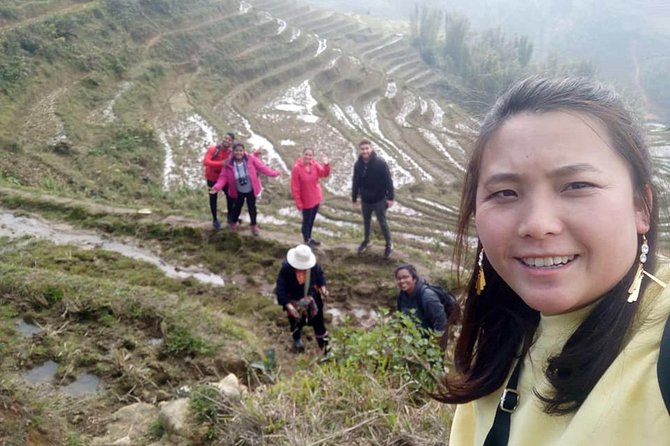
This is a great fit for you if:
- You want a first-timer-friendly way to see Sapa’s countryside and ethnic village life
- You prefer small group attention over large tours
- You like active travel but still want someone else handling the route
It may not be the best fit if:
- You want a super-easy walk. The tour asks for moderate physical fitness, and the trail can be slippery.
- You expect hotel-level comfort inside the homestay. It is a family home, not a resort.
- You are traveling with very strict mobility needs.
The timing also matters. If you are visiting between October and March, warm clothes are strongly recommended for Sa Pa, not just for the evening but also for early mornings on the move.
Packing Tips That Actually Help in Sa Pa
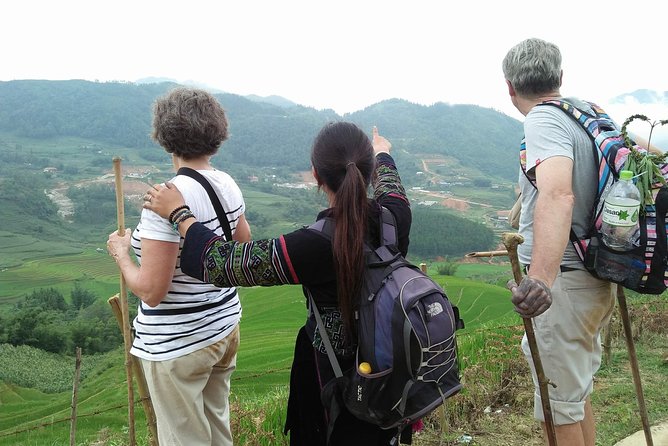
Pack like you are combining trekking gear with a small homestay. Here is what the tour specifically recommends:
- Trekking shoes
- Sunglasses
- Sun cream
- Insect repellent
- Clothes for the night
- Warm clothes for October to March
I’d also add one common-sense move: dress in layers for daytime. Even if it is cool at the start, mountain weather can shift. And because you are walking in villages and farmland areas, keep your kit practical and not too bulky.
One more tip: respect local culture. That is not a slogan. It means keep your voice normal, be mindful around homes and family spaces, and ask before taking photos if you are unsure.
Should You Book This Sapa Trek and Homestay?
Book this if you want Sapa in two days, with the planning already handled and a homestay that feels connected to the day you just hiked. The combination of Muong Hoa valley trekking, a hands-on cooking class, and a dinner plus overnight with a local family is the kind of package that turns a photo trip into a lived-in memory.
Skip it or consider another option if you need very easy walking, or if you know you will be uncomfortable in a simple homestay setting. Also, if you hate cold evenings, plan for layers—because Sa Pa nights can be chilly in the recommended season.
Given the strong overall rating and the repeated praise for guides like Nhu, Chai, Khu, and Thao Nhu, you are likely to get a trip that balances nature time with real human conversation. That balance is the real value here.
FAQ
What time does the trek start?
The tour starts at 9:00 am. You should arrive at the meeting point about 15 minutes early.
Where do I meet the group?
You meet at Nomadtrails Boutique Hotel, 015 Tue Tinh, Sapa 330000 Vietnam.
Does the price include pickup and transport?
Yes. Hotel pickup and drop-off are included, and the tour uses an air-conditioned vehicle. It also includes bus back to the Sapa center.
How long is the experience?
It is a 2-day trek (approx.).
What meals are included?
You get 2 lunches in local restaurants, 1 dinner with a local family, and 1 breakfast at the homestay. Mineral water (a little per person per day) is also included.
Is there a homestay night?
Yes. You stay with a local family for 1 night.
What fitness level do I need?
The tour is for travelers with a moderate physical fitness level. Trails can be slippery in some areas, so trekking shoes help.
What should I bring for the trek?
Bring trekking shoes, sunglasses, sun cream, and insect repellent. The tour also recommends warm clothes for Sa Pa from October to March, plus clothes for the night.