REVIEW · POKHARA
Pokhara: 4-Day Ghorepani, Poonhill & Ghandruk Mountain Trek
Book on GetYourGuide →Operated by Snow Peak Tours and Travels pvt. ltd. · Bookable on GetYourGuide
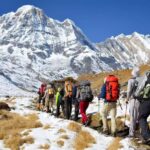
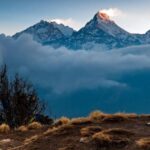
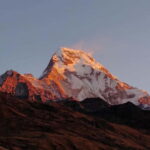
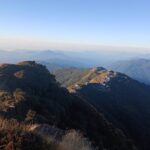
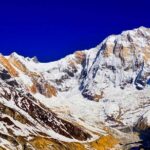
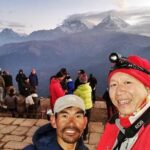
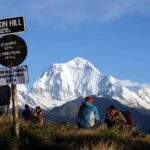
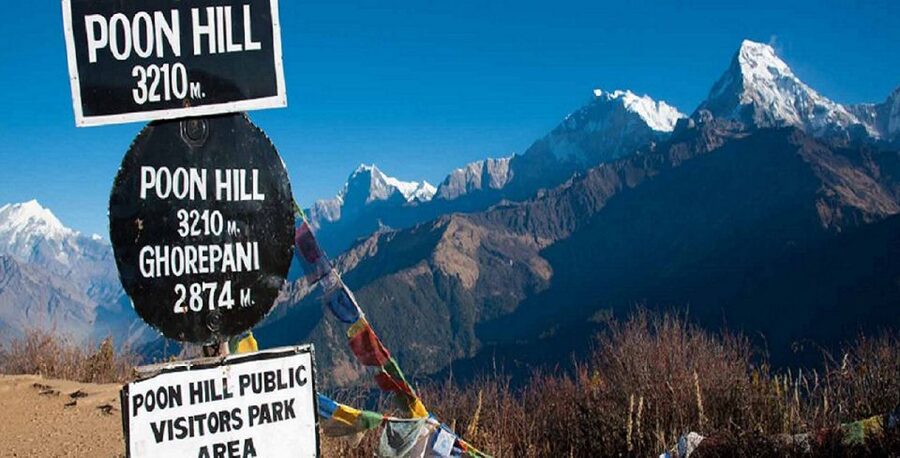
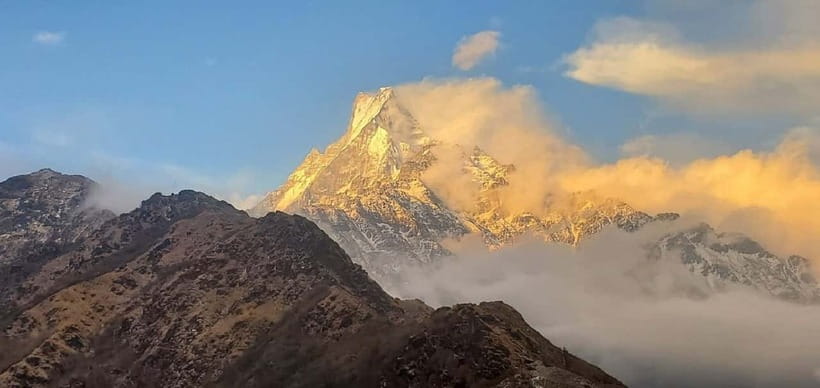
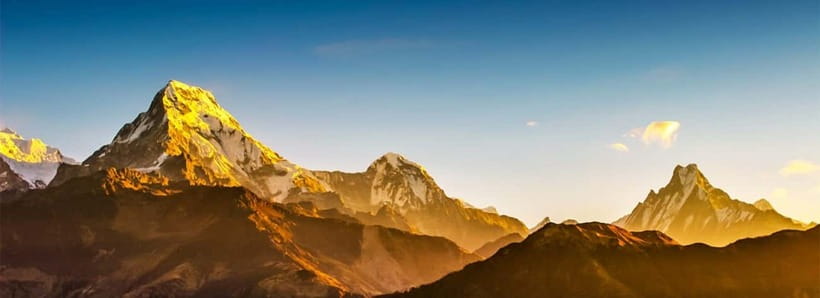
Sunrise here feels like magic. On Poon Hill sunrise you watch Annapurna and Dhaulagiri light up in gold, and in Ghandruk Gurung village you slow down with real village life. I love those two moments most, because they bookend the trek with awe and culture. The possible drawback: you’ll be up very early, and the trail has steep sections that can feel demanding if you don’t hike often.
This is a short, well-paced trek starting from Pokhara’s Nayapool area and built around cozy tea houses. It’s a private group with a certified guide (English, Hindi, Nepali) who handles permits and keeps the plan moving without turning the experience into a race.
In This Review
- Quick hits: what makes this Ghorepani–Poon Hill–Ghandruk trek special
- Why this 4-day route is a smart taste of the Annapurna region
- Day 1: Pokhara to Ulleri via Nayapool, and why the first hike sets the tone
- Day 2: Ghorepani, rhododendron forests, and the build-up to sunrise
- Day 3: Poon Hill sunrise plus the cultural shift to Ghandruk
- Day 4: Ghandruk down to Nayapool and back to Pokhara
- Tea houses, meals, and night cold: what to plan for
- Guides and pacing: what you should expect from the human part
- Price ($181) and value: what you’re getting for a short trek
- Who should book this trek (and who should reconsider)
- What to bring for Ghorepani and Poon Hill in 4 days
- Should you book this Poon Hill, Ghorepani & Ghandruk trek?
- FAQ
- What duration is this Pokhara Ghorepani, Poonhill & Ghandruk trek?
- Where does the trek start and end?
- Is pickup from hotels included?
- Do you need permits?
- What’s included in the trek price?
- What is not included?
- Do I have to bring a sleeping bag?
- How early do I need to start for Poon Hill sunrise?
- Can I cancel for a full refund?
Quick hits: what makes this Ghorepani–Poon Hill–Ghandruk trek special
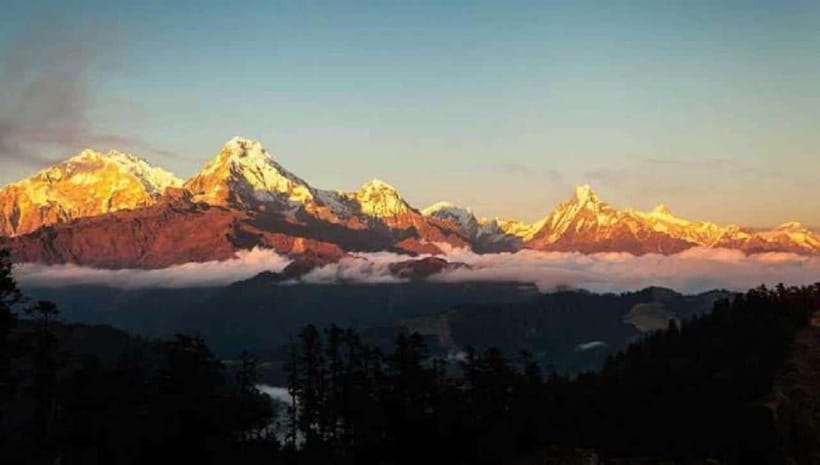
- Golden-hour pay-off: The Poon Hill sunrise viewpoint is the big headline, and it’s close enough to fit cleanly into a 4-day schedule.
- Ghandruk is the culture part that matters: You don’t just pass through—Ghandruk gives you meaningful time in a Gurung community setting.
- Rhododendron season vibes (when it’s in bloom): Day 2 and the middle stretches run through flowering rhododendron forests.
- Wildlife spotting adds fun: I’ve seen reports of monkeys and even lemurs along the way, which makes early morning walks more exciting.
- Tea house life is part of the deal: Simple lodges, warm meals, and nighttime cold you can manage with the right gear.
- Guides bring the trek to life: People repeatedly highlight guides like Jeet Bhadur Nepali, Chandra, Santosh, Bala, and Tanka for pacing, humor, and mountain and culture stories.
Why this 4-day route is a smart taste of the Annapurna region
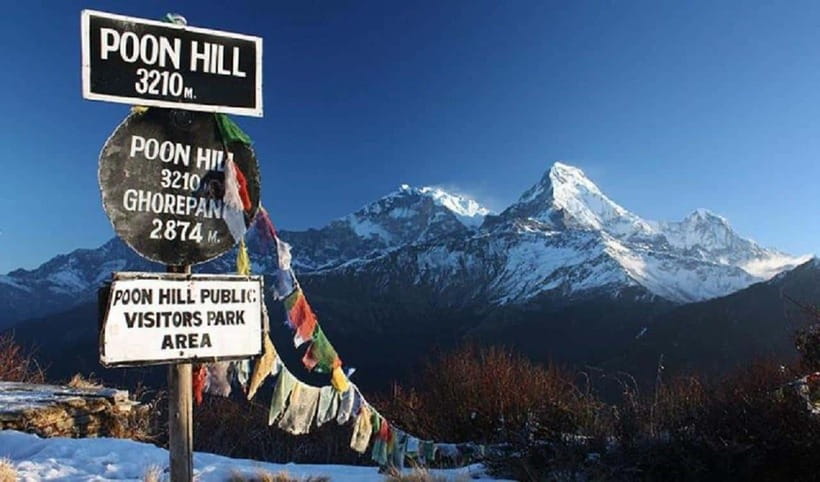
If you only have a few days in Nepal, this trek hits a rare sweet spot: big mountain views plus genuine village time, without dragging on for a week. From Pokhara, the trail logic is straightforward—start low-ish, hike up toward Ghorepani, climb for sunrise at Poon Hill, then finish with a cultural day in Ghandruk before returning to Nayapool and going back to Pokhara.
What I like most is how the trek balances exertion with payoff. The mornings are intense in a good way (especially sunrise day), then the afternoons settle into steady hiking through villages and forests. It’s also one of the better choices if you want the Annapurna and Dhaulagiri panorama without needing deep trekking experience.
Just be honest with yourself about the “short but not easy” reality. One day involves a longer uphill push to Ghorepani, and another day is effectively two efforts—sunrise at Poon Hill and then continuing toward Ghandruk. If you go in with reasonable hiking fitness and warm layers, you’ll get more out of it.
You can also read our reviews of more tours and experiences in Pokhara.
Day 1: Pokhara to Ulleri via Nayapool, and why the first hike sets the tone
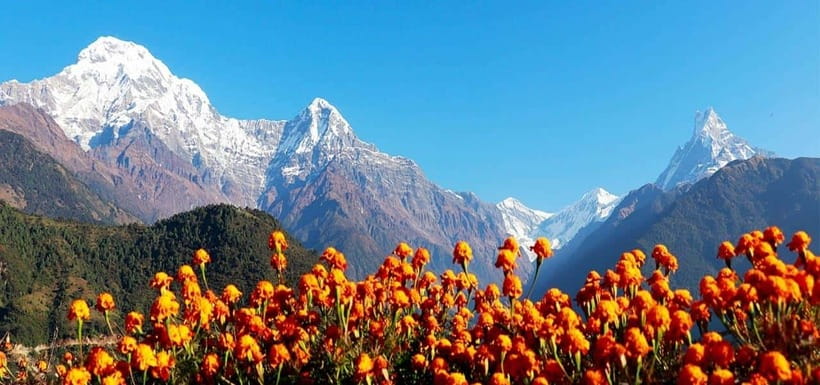
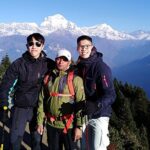
Day 1 starts with transport from your Pokhara-area hotel to Nayapool, then a hike toward Ulleri. You’re looking at roughly 5–6 hours of walking, with breaks built in (including a stop area around Nayapool for photos and a quick look around). This first day is not about speed. It’s about getting your legs used to uphill walking and letting the air get cooler as you gain elevation.
Ulleri is a good “first proper teahouse town” because it’s close enough to the start to feel like a warm-up, but high enough that the mountain scenery starts feeling real. Most nights along this route are in simple tea houses or lodges, and the vibe is typically basic but welcoming: you’ll eat, share a table with other hikers, and adjust to how cold nights can get.
A practical tip: keep your energy for the next mornings. Day 1 is easier than sunrise day, but you still want an early night. This trek rewards people who don’t treat the schedule like a suggestion.
Day 2: Ghorepani, rhododendron forests, and the build-up to sunrise
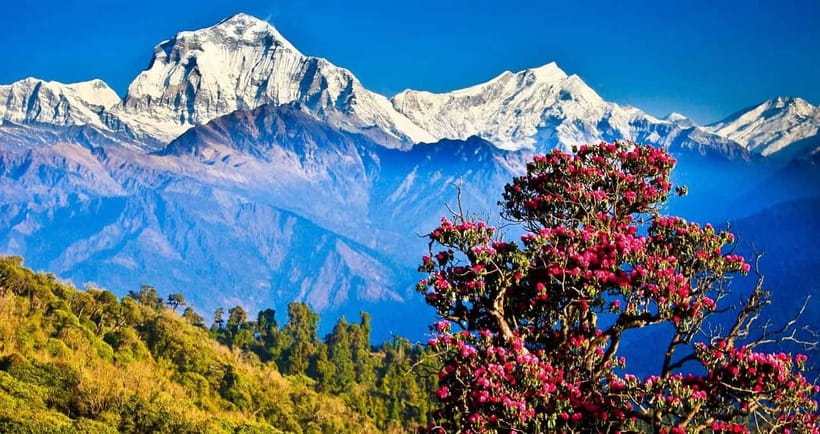
On Day 2 you hike from Ulleri to Ghorepani, generally 4–5 hours of walking. This is one of the trail days that most people remember for the plants and the atmosphere—rhododendron forests and small villages along the way. It’s also where you may get those “did we just see something?” moments: several accounts mention wildlife like monkeys, and the overall chance of spotting animals seems real enough to make the walk feel less repetitive.
You also get a built-in lunch stop around Nangethati, which helps make the hike feel manageable. Instead of long stretches where you’re wondering when you’ll eat, you know lunch is part of the plan. That matters on a short trek, because planning keeps stress low.
When you arrive in Ghorepani, you’ll likely have enough time to settle in, get food, and adjust to sleeping at altitude. Your main job tonight is not sightseeing—it’s preparing your body for the Poon Hill sunrise.
If you’re sensitive to cold, Day 2 is when you should make sure you’re set: warm top layers, a hat, and something for chilly evenings. Many people are fine in the day but feel the drop in temperature after sunset.
Day 3: Poon Hill sunrise plus the cultural shift to Ghandruk
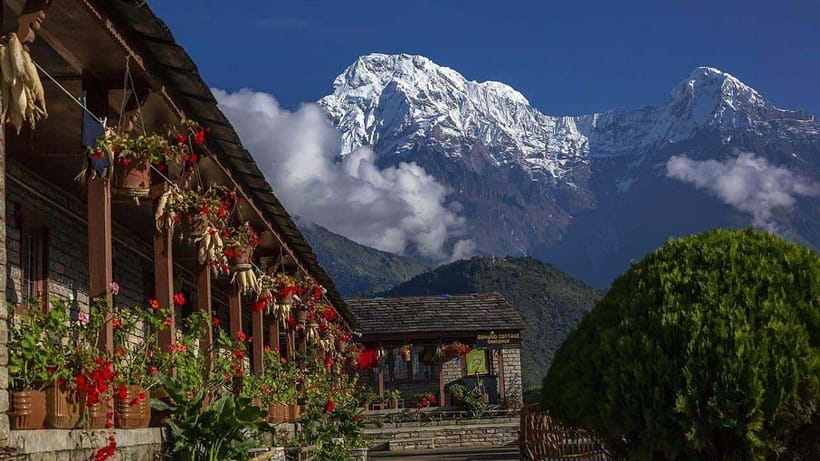
Day 3 is the big hinge between “mountain views” and “Nepalese village life.”
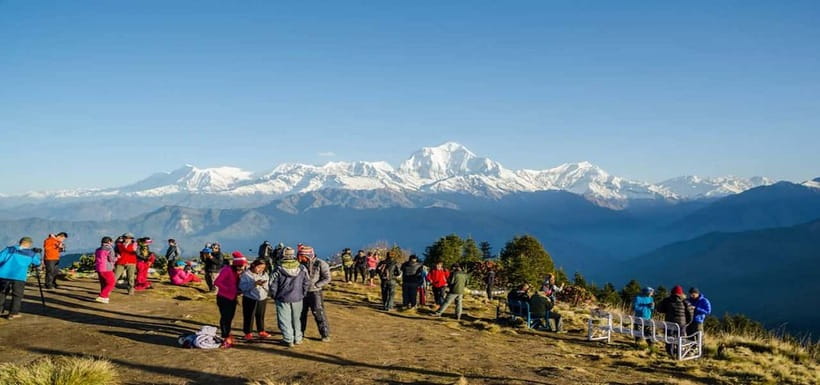
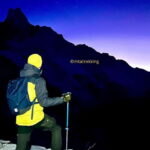
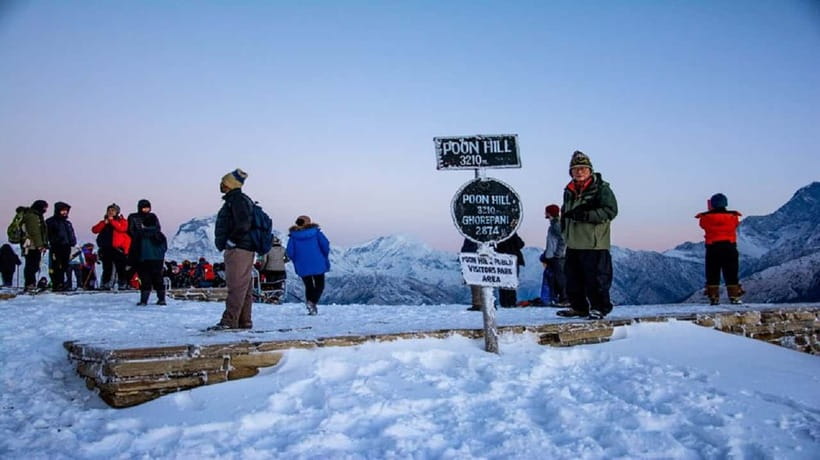
You’ll wake up early for Poon Hill, where the goal is sunrise. Many people plan around very early starts—some accounts even mention waking around 4 am—because the timing is tight and you want to be in position before the light really hits the peaks. When it works, it’s the kind of view that makes you forget how cold your hands were.
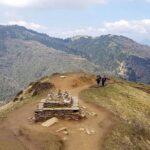
After sunrise, you head back for breakfast, then continue onward toward Ghandruk. This later part of the day is more about movement and atmosphere than raw altitude pressure. Along the route, Tadapani is mentioned as a quiet stop that helps break up the walking into something you can handle.
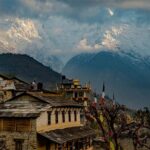
Ghandruk is where the trek turns cultural. You get real time in a Gurung community setting—time to watch village life and understand how communities have shaped these mountain settlements over generations. It’s also a nice change from the repetitive rhythm of hiking: more pauses, more conversation, more feeling like you’re meeting people rather than passing through scenery.
A small but meaningful bonus: some people have had extra-special moments here, even proposals, because sunrise has a way of pulling emotion to the surface.
Day 4: Ghandruk down to Nayapool and back to Pokhara
The final day is a descent and a reset. You trek from Ghandruk back toward Nayapool, which is typically much easier than the sunrise day but still needs attention. Downhills can wear out knees and ankles, and the easiest way to avoid aches is to take it steady rather than trying to “finish fast.”
Once you reach Nayapool, you’re back in the vehicle back to Pokhara. That transition is underrated: after four days of hiking, your muscles want a clean finish and a comfortable ride. It’s also the moment when your mind finally catches up with the trip—sitting back while the greenery and hills roll by.
By the end of Day 4, most people feel the same thing: grateful that they did it, and surprised how much a short trek can pack into memory.
Tea houses, meals, and night cold: what to plan for
This trek uses simple tea houses or lodges. Rooms are basic, but they’re part of the experience, not a problem to obsess over. You’ll eat meals along the way and sleep in places that are comfortable enough as long as you pack for the temperature.
Here’s the reality check: nights in the Annapurna foothills and mid-hills can be cold, especially during shoulder or winter months. Reviews often mention blankets and covers being useful, but the key is your layers. Bring warm clothing, and don’t assume you’ll be fine with a thin jacket just because daytime feels pleasant.
Hot showers can be a question mark depending on the exact lodge setup and season. Some accounts mention hot showers being available at the end of the day, which is great when it’s cold—but don’t count on perfect warmth every night. Plan around warm clothes and hand/foot protection first.
Finally, food is one of the best “mental breaks” on this trek. The route is planned around meals included (depending on the option you choose), and that convenience matters when you’re tired.
Guides and pacing: what you should expect from the human part
A trekking guide can make or break your day. The standout pattern in the feedback for this route is pacing and organization: guides keep the day on track, stop at good places for breaks and views, and help you feel comfortable when the trail gets steep.
You may meet guides such as Jeet Bhadur Nepali, who’s highlighted for fun energy and sharing mountain-range knowledge; Chandra, praised for planning routes that can feel quieter and less step-heavy; Santosh, noted for care and safety at a pace that works for beginners; and Tanka, recognized for finding good spots for food and staying upbeat.
There’s also a good practical vibe—guides often help you order meals, manage time, and keep expectations clear before each effort. That means less guessing for you, and fewer moments where you wonder if you’re doing something wrong.
Humor shows up too. One group chant you might hear in spirit is Dal Baht Power, 24 hours, no toilet no shower. The point isn’t the phrase—it’s that the guide turns stress into laughter so you can keep moving.
Price ($181) and value: what you’re getting for a short trek
At $181 per person for 4 days, the value is in the total package, not just the hiking. You’re paying for round-trip transport between Pokhara-area hotels and the trek starting point, plus permits and fees, a certified trekking guide, and accommodation in tea houses. You also get first aid kit support and luggage storage in Pokhara, which is a big deal if you don’t want to juggle bags while you’re hiking.
Another part of the value equation: gear support. The package includes trekking sticks and sleeping bags as needed, which can save money if you don’t travel with those items.
Where you should pay attention is meals. The info says meals are included throughout the trek depending on your selected option. If you choose a meal-included plan, you’ll avoid extra spending and extra decision-making in small towns. If you choose a plan with fewer meals, you’ll likely be buying more at tea houses, which is workable but affects cost.
Also, porter service is optional. If you prefer a lighter pack, the porter price listed is $20 per day. For many people, that’s worth it if you want to reduce the strain and enjoy the views more.
Who should book this trek (and who should reconsider)
This is ideal if:
- you want a short Nepal trek that still includes a sunrise viewpoint and a village stay
- you’re a first-time hiker or a returning hiker who wants an easier pace than longer circuits
- you care about culture time in a place like Ghandruk, not only photos from the trail
It may be a tough match if:
- you have limited hiking experience and can’t handle steep sections
- you hate early mornings (Poon Hill sunrise means very early start)
- you don’t want to manage cold nights in basic lodges
The trek is often described as manageable for beginners, but the tour guidance also notes it may feel challenging for some people. The best move is to be honest about your fitness and then bring the right layers and footwear.
What to bring for Ghorepani and Poon Hill in 4 days
Pack to stay comfortable, not to impress anyone. Here’s what’s specifically recommended:
- passport or ID card (you’ll need it for permits)
- warm clothing and a sun hat
- hiking shoes and comfortable clothes
- camera
- travel insurance
- sleeping bag and cash
A couple of practical notes:
- submit a copy of your passport at least a day before the trek so permits can be processed
- keep cash on hand for personal expenses and any extra purchases at tea houses
- if you’re relying on provided gear, confirm what’s actually included in your option (especially sleeping bag needs)
Should you book this Poon Hill, Ghorepani & Ghandruk trek?
I’d book it if you want maximum payoff for minimum days. This route is strong because it gives you sunrise at Poon Hill, a forested hike toward Ghorepani, and real community time in Ghandruk—all while keeping the logistics handled with transport, permits, guide, and tea house lodging.
I would hesitate only if you can’t do early mornings or if you already know you struggle on steep climbs. If that’s you, consider building fitness first or choose a gentler trek.
If you do book, put your energy into two things: going to bed early on the nights before sunrise, and packing real warmth for evenings. Get those right, and you’ll come away with that rare combo—golden mountain light and a genuine sense of Nepal beyond the trail.
FAQ
What duration is this Pokhara Ghorepani, Poonhill & Ghandruk trek?
The trek runs for 4 days.
Where does the trek start and end?
You start from the Pokhara area, with transport to Nayapool, and you end back at Nayapool before driving to Pokhara.
Is pickup from hotels included?
Yes. Pickup is included from Pokhara Lakeside and Sarangkot area hotels and from Pokhara International Airport.
Do you need permits?
Yes. The trek includes permits and fees, but you need to submit a copy of your passport at least one day prior so permits can be obtained.
What’s included in the trek price?
Included items cover round-trip transport, meals depending on the option selected, tea house or lodge accommodation, a certified trekking guide, required permits and fees, guide expenses, trekking gear such as trekking sticks and sleeping bags as needed, luggage storage in Pokhara, and a first aid kit.
What is not included?
Not included are travel insurance, personal expenses like snacks and beverages, emergency rescue services, and porter service (porters are optional).
Do I have to bring a sleeping bag?
You should bring a sleeping bag as part of the recommended items. The package also notes sleeping bags as needed may be provided.
How early do I need to start for Poon Hill sunrise?
You’ll need an early start for sunrise. Some guests reported waking around 4 am for Poon Hill.
Can I cancel for a full refund?
Yes. Free cancellation is offered up to 24 hours in advance for a full refund.