REVIEW · POKHARA
Poon hill Trek 3 days
Book on Viator →Operated by Nepal Wilderness Trekking · Bookable on Viator
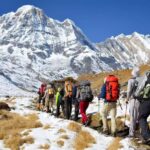
Poon Hill turns 3 days into a big story. This short Himalayan trek is built around Annapurna sunrise views and a smooth, guided setup, so you can focus on the walking and the scenery. You’ll also move through mountain villages and rhododendron areas with a local guide and a small team, topping it off with the big panorama that hikers come for.
I like two things a lot: the small-group size (max 12) keeps the pace realistic and the support close, and the guide-and-porter setup takes the stress out of meals, stays, and permits. It’s also the kind of trek where a short climb schedule still gives you serious payoff.
One consideration: the first day includes a climb with 3,000+ steps up toward Ulleri, so you’ll want moderate fitness and comfortable shoes. The days are short on paper, but your legs still get the memo.
In This Review
- Key highlights worth planning around
- Poon Hill sunrise: the main event you can plan for
- Ulleri’s 3,000+ steps: the trek’s real fitness checkpoint
- Beyond the climb: villages, rhododendrons, and mountain nature
- What you actually see: the viewpoint math of Annapurna and friends
- Small-group trekking (max 12): why it changes your day
- Guide and porter support: comfort that doesn’t feel “touristy”
- Permits and safety paperwork: ACAP + TIMS included
- Gear and comfort: micro spikes, poles, and what to bring
- Food, stays, and the rhythm of the trek
- Price and logistics: what your $230 buys you
- Timing: start time, total trekking hours, and sunrise planning
- Who should book this Poon Hill 3-day trek
- Should you book this Poon Hill Trek with Nepal Wilderness Trekking?
- FAQ
- Where does this trek start?
- How long is the Poon Hill trek for 3 days?
- What is included in the price?
- Is pickup offered from Pokhara?
- How big is the group?
- Do I need to pay for trekking permits separately?
- Are drinks included?
- Is the hotel in Pokhara included?
- Is there any seasonal gear included?
- What are the rules if I need to cancel?
Key highlights worth planning around
- Sunrise at Poon Hill: a focused early outing for big Annapurna views
- Max 12 trekkers: easier pacing and less crowding on key moments
- Ulleri’s 3,000+ steps: a clear “challenge day one” marker
- Big-view moments: Dhaulagiri, Annapurna I/II/III, Kali Gandaki Valley, and the Jomsom horizon
- Local guide + porter support: meals and logistics handled, with a 1 porter for every 2 people
- Seasonal traction: micro spikes included for Dec to Feb, plus hiking poles
Poon Hill sunrise: the main event you can plan for
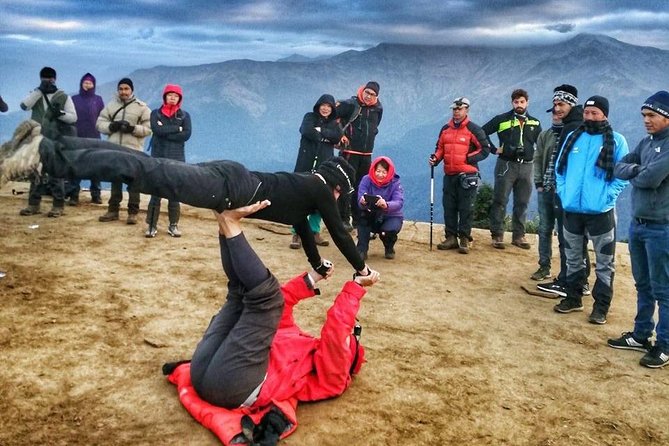
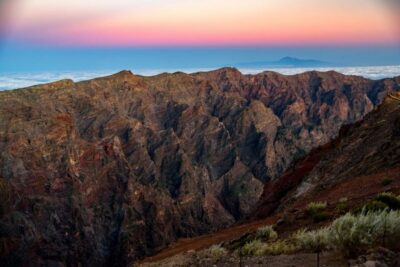
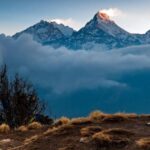
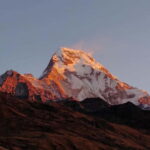
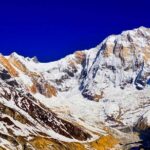
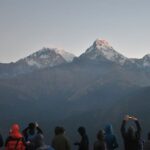
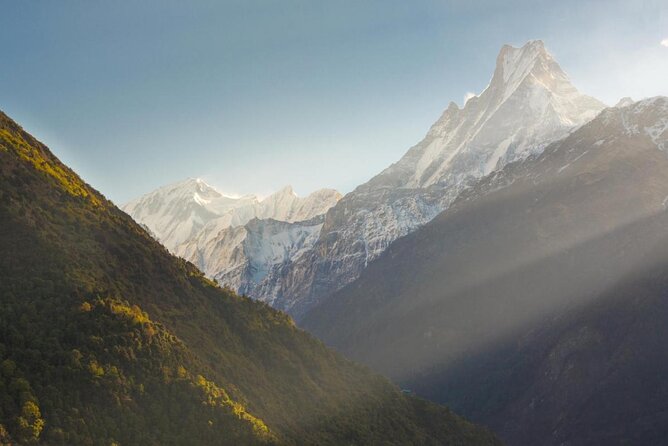
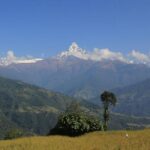
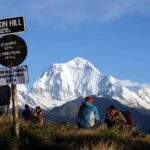
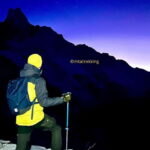
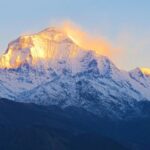
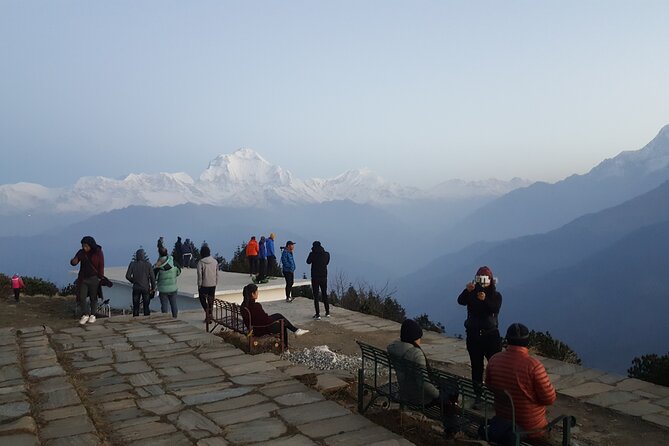
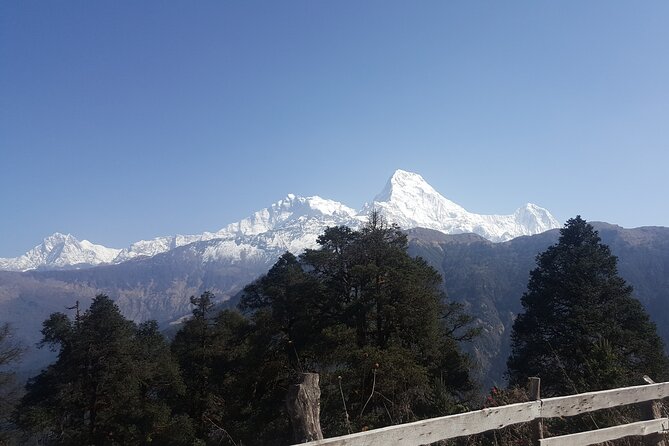
If you like travel days that end in one precise moment, this trek fits. Poon Hill is famous for a sunrise view, and the payoff here is not vague or distant. You’re there for the big look at the Annapurna range, with Annapurna I, II, and III in the mix, plus other peaks that pop in the wider panorama.
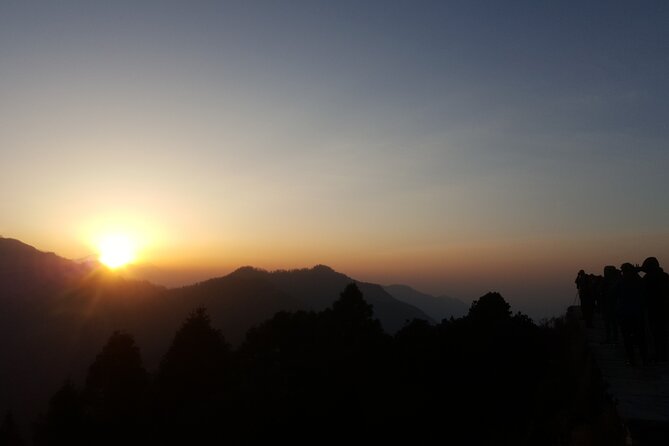
What I appreciate is how the experience is structured around that light shift. Sunrise changes everything on a mountain view: shadows stretch, snow brightens, and the peaks look sharper than they do in daylight. You’re not just hiking for views whenever you feel like it. You’re hiking toward a scheduled moment, and your guide’s job is to get you there.
The wider scenery also matters. You’ll get a look toward Dhaulagiri Himal (8,167m) and several surrounding peaks mentioned in the route’s view points, including Tukuche Peak (6,920m) and other high-mountain features like Mardi Himal and Manaslu Himal. Even if clouds move in, the mountains are still doing their job here: the horizon is the show.
You can also read our reviews of more tours and experiences in Pokhara.
Ulleri’s 3,000+ steps: the trek’s real fitness checkpoint
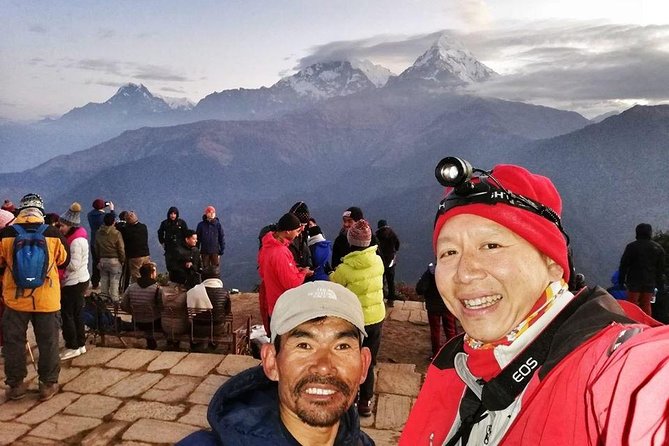
Day one has a clear physical highlight: 3,000+ steps leading up to Ulleri. That detail is useful because it tells you what kind of effort you’re signing up for. This isn’t a flat walk with occasional scenery breaks. You’ll feel the climb, and your heart rate will do a little work.
The good news is that the pace is meant to be manageable. In the field, I’d expect a guide to support a steady rhythm with breaks, and that’s exactly what people report. When you’re hiking on steep stone steps, “slow and steady” isn’t just a slogan. It keeps your legs from burning out early, especially on a short multi-day trek.
Practical tip: plan your day around your legs, not your head. You’ll get the best experience if you walk like you’re saving energy for the sunrise day. If you go too hard on the steps, you’ll pay for it later.
Beyond the climb: villages, rhododendrons, and mountain nature
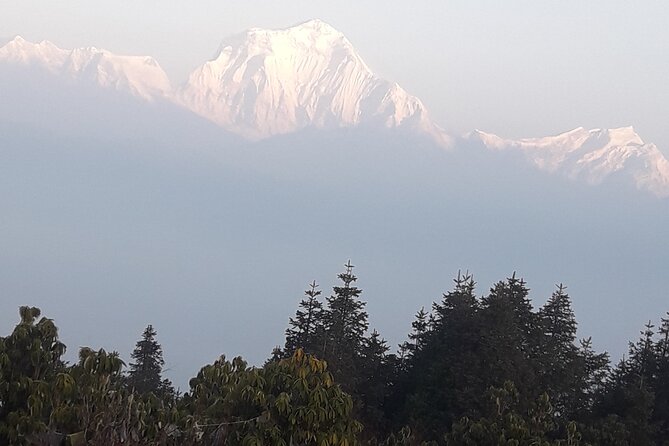
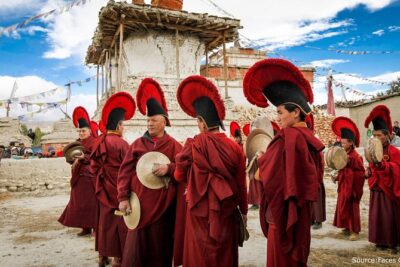
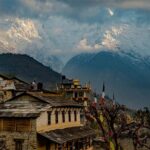
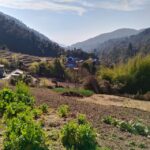
The trek isn’t only about views. You’ll also get time with the human and natural side of the route. The experience highlights Gurung and Magar villages, which is a big deal on a short trek because it turns a “look-only” hike into something more grounded. You’re moving through everyday mountain life, not just passing through a stairway to a viewpoint.
Nature lovers get their moment too. The route description points to colourful rhododendrons and emphasizes exploring the area’s flora and fauna with your local guide. Even when you don’t know every plant name, you can still notice the seasonal cues—flowers, shrubs, and the way the forest feels compared to open ridgelines.
The balancing act: this trek moves at a moderate fitness level, but it still includes uphill moments and changing terrain. So expect that your day will mix “steady walking” with “look up and notice what you’re passing.”
What you actually see: the viewpoint math of Annapurna and friends
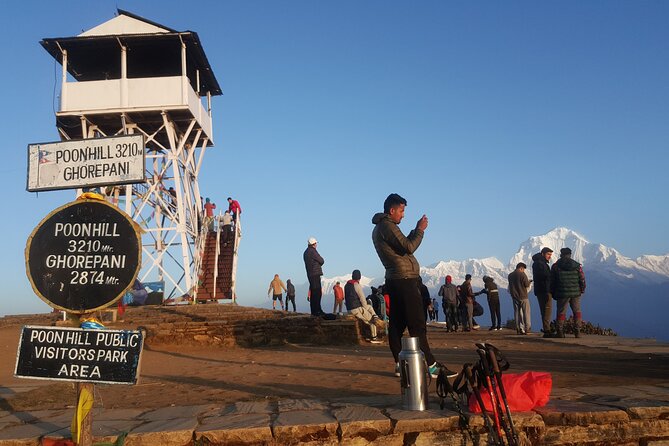
One reason Poon Hill stays popular is the breadth of what you can spot. The view notes include a long list of peaks and features: Dhaulagiri Himal, Tukuche Peak, Mardi Himal, Manaslu Himal, and Annapurna I, II, and III. It also references Nilgiri and the Khopra danda area.
That’s a lot of mountain name-dropping, but here’s how to translate it for your eyes. You’re not trying to identify every peak like a quiz. Instead, you’re watching how the range layers: close ridges, mid-distance summits, and the far horizon. The perspective changes at sunrise, and that’s when distant shapes look most defined.
The route also mentions the Kali Gandaki Valley and a Jomsom horizon view. If you’ve never seen the Himalayan “valley from above” feeling, this is the kind of trek where you can get it in a short time. It’s a reminder that mountains aren’t just walls; they’re big geographic systems with valleys, settlements, and travel corridors.
Small-group trekking (max 12): why it changes your day
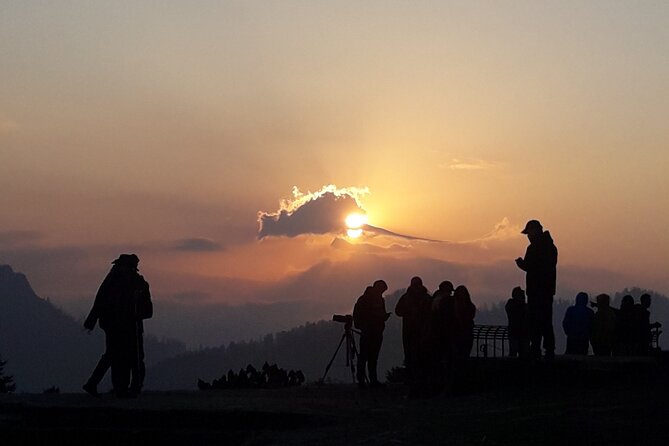
A maximum group size of 12 sounds like a marketing detail until you’re in it. On a short trek, crowding can steal the best moments, like sunrise viewing time or narrower trail sections where people slow each other down.
Here’s what the small group helps with:
- Easier pacing when the trail turns steep, especially with 3,000+ steps
- More attention from your expert guide, since the team isn’t splitting focus across a huge crowd
- A calmer rhythm for photos and breaks at viewpoints
Also, small-group travel tends to feel more like a shared hike than a production line. When you get the right amount of people, you talk less about logistics and more about where to look next.
Guide and porter support: comfort that doesn’t feel “touristy”
This trek includes an expert guide and porter support: 1 porter for every 2 pax. That matters because porters can reduce the weight you carry, which is huge on a short trek where every uphill step counts.
It also means you’re not spending your energy on the chores. The guide is meant to organize accommodations and meals during the trek. That’s not a luxury add-on; it’s part of what keeps a 3-day trek doable for beginners and time-limited travelers.
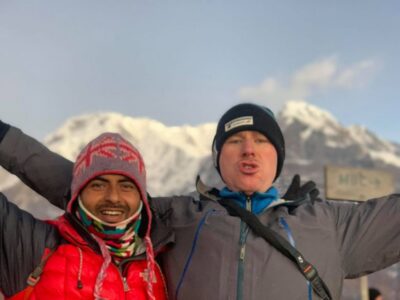
One detail I trust is that guide attention shows up in the walking experience. People specifically mention being cared for kindly and helped with pacing and breaks. One guide name that appears is Sabin. That’s the kind of personal, attentive guidance that makes a steep day feel manageable rather than stressful.
Permits and safety paperwork: ACAP + TIMS included
You’ll want the trekking permits handled correctly in Nepal, and this tour includes both: the ACAP permit and the TIMS permit.
Why should you care? Because these permits are part of how the trek stays authorized and tracked in the region. For you, it means fewer surprises and less time spent sorting paperwork while you’re trying to enjoy the mountains.
This is one of those “unsexy” inclusions that improves the trip. It doesn’t make the view better, but it removes friction so your only job becomes hiking.
Gear and comfort: micro spikes, poles, and what to bring
A smart touch here is that micro spikes are included for Dec to Feb, plus hiking poles. If you’re trekking in colder months, traction can turn a slippery trail from risky to simply difficult.
The trekking poles are also a quality-of-life inclusion. On steep step sections like the Ulleri climb, poles reduce strain on knees and help you keep balance.
What you should bring (based on how treks like this usually work, and what you likely already know) is personal comfort: warm layers for sunrise hours, good shoes with grip, and a small day bag. Since the tour provides a kit bag, you’ll still want your main essentials to stay accessible.
Quick thought: because you’re moving fast enough to catch sunrise and still doing stair climbs, you’ll feel the cold early and warm later. Pack for temperature swings, not just one average condition.
Food, stays, and the rhythm of the trek
Meals are included: breakfast, lunch, and dinner during the trek. That matters because it keeps your energy steady on a short schedule. When you’re walking most of the day, skipped meals quickly turn into a bad mood and a slower pace.
Accommodation quality is another strong point. People report clean and comfortable places to stay during the trek, and they mention the food being good too. Since the guide organizes stays, you’re not left hunting for something open or suitable at the end of a long hiking day.
One more practical detail: the tour includes a kit bag and a porter ratio, which usually means you can pack smarter. You’ll spend more time with what you need (layers, water, snacks) and less time worrying about carrying bulky stuff.
Price and logistics: what your $230 buys you
At $230 for 3 days, the value comes from what’s bundled, not just the headline number. This package includes:
- Private transportation
- Meals during the trek (breakfast, lunch, dinner)
- ACAP and TIMS permits
- Expert guide
- Porter support (1 porter for every 2 pax)
- Kit bag, micro spikes for Dec–Feb, and hiking poles
- Mobile ticket
Then there are the add-ons you should budget separately: hotel in Pokhara, beverages (soft and caffeinated drinks like coke and beer), and tips for guide and porter.
Here’s how to judge value for yourself. If you were to piece this together independently, you’d likely spend time coordinating permits, guide fees, lodging, and porter arrangements. Even if you find cheaper accommodations, the time cost and uncertainty often wipe out the savings. In a short trek, that uncertainty can be the most expensive thing of all.
So for many hikers, this is priced like a “do it right with support” option. You’re paying to reduce hassle and keep the experience smooth.
Timing: start time, total trekking hours, and sunrise planning
The tour starts at 8:15 am. That early start matters because sunrise treks require planning the day before and waking up on time.
The duration is listed as about 15 to 18 hours. That’s a helpful way to set expectations: you’re not hiking all day every day, but you are on your feet enough to feel it. Think of this as a short, active window where the schedule is tight around the main viewing moment.
Also note: weather can shift quickly in the mountains. One of the things people praise is getting lucky with clear weather at the top of Poon Hill after a few days. That’s not something you can control, but it is something your guide can handle through timing and route management.
Who should book this Poon Hill 3-day trek
This trek is a strong fit if:
- You want a short Himalayan trek with a big view payoff
- You’re a beginner or you have limited time
- You prefer a guaranteed small group (max 12) and structured support
- You like clear “effort to reward” planning, like the first-day Ulleri steps
It’s also for hikers who want mountain culture moments, not only peaks. With Gurung and Magar villages in the mix, you’ll get more than scenery snapshots.
If you’re dealing with injuries or you hate steep stair climbs, you’ll want to consider whether 3,000+ steps on day one matches your fitness. The trek calls for moderate physical fitness, which is a polite way of saying your legs should be ready.
Should you book this Poon Hill Trek with Nepal Wilderness Trekking?
If you want a guided, small-group 3-day trek that focuses on the Annapurna sunrise moment and keeps logistics under control, I think booking makes sense. The best reasons are practical: permits included, meals included, porters for half the group, and help with pacing on steep sections.
I’d book it if you value:
- a smooth experience from start to finish
- clean, comfortable lodge stays
- attentive guide support (including examples like Sabin)
- the included traction and poles for seasonal conditions
Hold off if you want a self-guided hike, or if the idea of steep steps on day one sounds like a deal-breaker. This isn’t a gentle stroll.
FAQ
Where does this trek start?
The start time is 8:15 am, and the meeting point is near public transportation in Pokhara.
How long is the Poon Hill trek for 3 days?
The duration is listed as approximately 15 to 18 hours for the experience.
What is included in the price?
The package includes private transportation, breakfast, lunch, and dinner during the trek, ACAP and TIMS permits, an expert guide, a porter ratio of 1 porter for every 2 pax, kit bag, micro spikes for Dec to Feb, and hiking poles.
Is pickup offered from Pokhara?
Pickup is offered, and private transportation is included.
How big is the group?
This experience has a maximum of 12 travelers.
Do I need to pay for trekking permits separately?
No. ACAP permit and TIMS permit are included.
Are drinks included?
No. All beverages, including soft and caffeinated drinks such as coke and beer, are not included.
Is the hotel in Pokhara included?
No. The hotel in Pokhara is not included.
Is there any seasonal gear included?
Yes. Micro spikes are included for Dec to Feb, along with hiking poles.
What are the rules if I need to cancel?
The experience is non-refundable and cannot be changed for any reason.