REVIEW · KATHMANDU
Private 12 – Day Everest Base Camp Trekking
Book on Viator →Operated by Nepal Alternative Treks & Expeditions Pvt. Ltd. · Bookable on Viator
Everest Base Camp is a dream for a reason. This private 12-day trek is interesting because it pairs the classic route with logistics taken care of: you fly from Kathmandu to Lukla and back, and you get a guide, porters, permits, and tea house stays included.
I especially like the focus on pace control and acclimatization. You build in rest and option days in places like Namche Bazaar and Dingboche, and you even get a chance to hike up for views without rushing. One thing to consider: this is a flight-based plan, so weather can affect Lukla departures, and you’ll want a little flexibility.
In This Review
- Key points worth your attention
- Price and logistics: what you’re really paying for
- Kathmandu start day: getting onto the trail with less stress
- Day 1: Lukla to Phakding (about 3 hours)
- Lukla flight: the best part you don’t plan (but should respect)
- Day-by-day: the Everest Base Camp route that balances effort and views
- Day 2: Phakding to Namche Bazaar and Sagarmatha National Park permits
- What could feel tough
- Day 3: Namche rest day—Khumjung, Khunde, and monastery culture
- Why this rest day matters
- Day 4: Namche to Tengboche with Ama Dablam and a monastery stop
- The tradeoff
- Day 5: Tengboche to Dingboche—rocky terrain and mani stones
- Why Dingboche is a key stop
- Day 6: Dingboche acclimatization and the Nangkartshang Peak option
- Who this suits
- Day 7: Dingboche to Lobuche and the climbers’ memorial park
- Day 8: Lobuche to Gorakshep and the push to Everest Base Camp
- The practical reality
- Day 9: Kala Patthar sunrise views and the long descent to Pheriche
- Why I like this pacing
- Day 10: Pheriche to Namche Bazaar—Tengboche lunch and Dudh Koshi momentum
- The emotional switch
- Day 11: Namche to Lukla and the finish celebration day
- A realistic note
- Day 12: Lukla to Kathmandu and the last big views from the air
- What you should plan for
- Lodges, meals, and the extras you’ll want to budget
- Guides, porters, and the emergency support you’re paying for
- Is this itinerary too much, or perfectly paced?
- Who should book this private Everest Base Camp trek?
- Should you book this private 12-day Everest Base Camp trek?
- FAQ
- What is the duration of this Everest Base Camp trekking experience?
- How much does the tour cost?
- Where does the trek start and where does it end?
- What are the included flights?
- Are permits included?
- Is a guide and porter included?
- What kind of accommodation do you use on the trek?
- Are meals included?
- What is not included during the trek?
- What time does the experience start?
- Is free cancellation available?
Key points worth your attention
- Lukla flights are included (so you’re not hunting schedules while jet-lagged)
- Permits and park fees are handled as you reach the checkpoints
- Acclimatization is built in, not just “good luck, altitude”
- Guide + porter support keeps your days focused on walking and breathing (not paperwork)
- Emergency evacuation assistance is included, plus oxygen saturation tracking
Price and logistics: what you’re really paying for
At $1,300 per person for a 12-day private EBC trek, you’re paying for more than walking days and mountain views. The big value is that most of the annoying parts are packaged: airport transfers in Kathmandu, round-trip Lukla flights, tea house accommodation during the trek, permits for the Sagarmatha National Park area, and a guide/porter team with their required expenses covered.
You also get items that matter in the field: a trekking map, duffle bag, water purification support, and oxygen saturation monitoring. Those are the kinds of details that don’t sound glamorous until you’re tired, thirsty, and altitude is nudging you to pay attention to how you feel.
The main drawback of a package like this is you still have to budget for day-to-day extras. Tea/coffee, hot shower and battery charging, and other personal costs aren’t included, and those can add up if you’re trying to recharge everything every night.
You can also read our reviews of more tours and experiences in Kathmandu.
Kathmandu start day: getting onto the trail with less stress
Your day begins early in Kathmandu. You’ll pack, then head to Tribhuvan International Airport for the domestic flight to Lukla. Even if you’ve done airports before, I like that the trip starts with an organized handoff—someone is already managing timing and logistics so you’re not juggling directions and last-minute questions.
Once in Lukla, you get breakfast and then your first trek. The first day is designed to ease you into the rhythm: a walk along the Dudh Koshi River to Phakding village. It’s a strong “first legs” day that helps you settle into altitude and hiking pace without immediately throwing the hardest climbs at you.
Day 1: Lukla to Phakding (about 3 hours)
You’ll follow the river corridor and pass through the kind of scenery that makes you forget you’re carrying a pack. The obvious win here is that you’re learning your gear and body cadence while staying in the safer, lower-elevation phase of the trek.
Lukla flight: the best part you don’t plan (but should respect)
The flight is short, but it sets the tone. You’re looking at forested hills and deep ravines from the air as you drop into Lukla. I like that the trek includes this round-trip flight, because it removes one of the biggest trip-stoppers for independent planning.
Still, Lukla is known for weather friction. Past experiences tied to this operator include quick problem-solving when planes were grounded, and that’s exactly the kind of capability you want on an itinerary that depends on air schedules.
Practical tip: pack any “oh no” items in your day bag—meds, lip balm, and a warm layer—because delays can stretch your comfort timeline.
Day-by-day: the Everest Base Camp route that balances effort and views
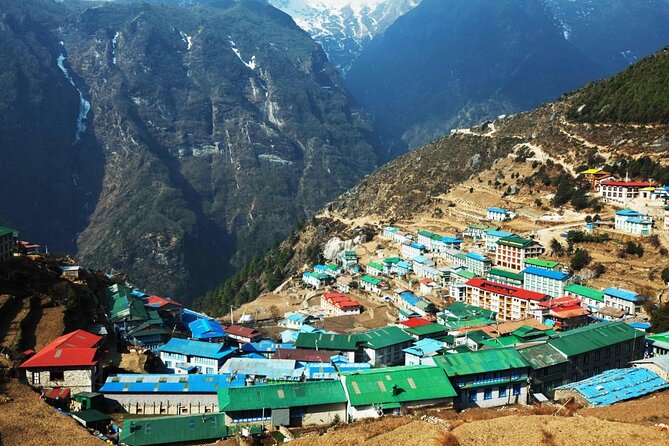
Day 2: Phakding to Namche Bazaar and Sagarmatha National Park permits
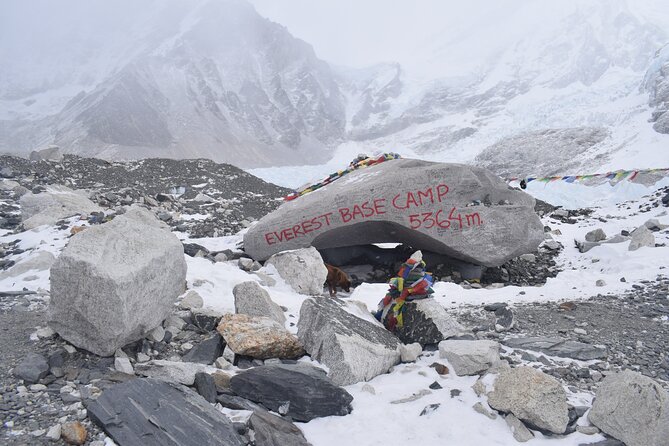
Day 2 climbs more than Day 1, and it’s all about upstream hiking along the Dudh Koshi River. You’ll go past a few waterfalls, reach Monjo where you get the Sagarmatha National Park permit, and then continue through the Jorsalle area with suspension bridges on the route to Namche Bazaar.
What I like about this day is that the permit isn’t something you need to scramble for. The route naturally brings you to the administrative checkpoint, and your guide handles what needs handling, so you stay focused on walking.
What could feel tough
The day runs about 6 hours. It’s not just distance—it’s also the fact that the terrain keeps nudging altitude higher while your body is still adjusting. Slow pace matters.
Day 3: Namche rest day—Khumjung, Khunde, and monastery culture
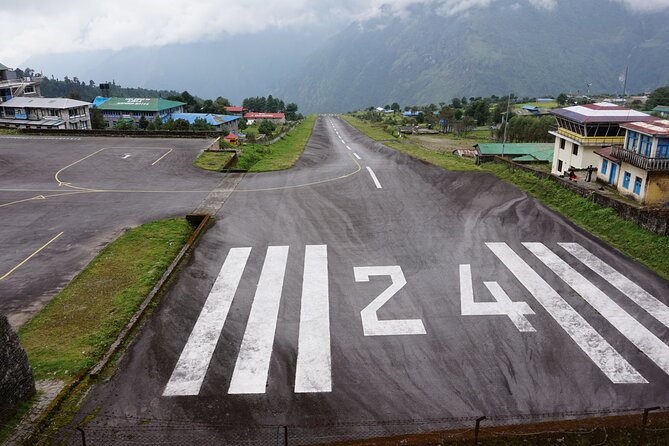
Day 3 is a rest day, but it’s not a “do nothing” day. You can explore Namche Bazaar, then hike up toward Khumjung and Khunde villages. This is one of the best ways to make the trek feel human, not just vertical.
You can also reach Khumjung Monastery, and there’s a stop at the Edmund Hillary School on the way back toward Namche. These aren’t just cultural boxes to tick; they help you understand how the Sherpa communities live, teach, and preserve local identity while the mountain draws the world in.
Why this rest day matters
At altitude, “rest” is often just lower intensity. This day helps you recover without losing momentum, and it sets you up for the next real climbing push.
Day 4: Namche to Tengboche with Ama Dablam and a monastery stop
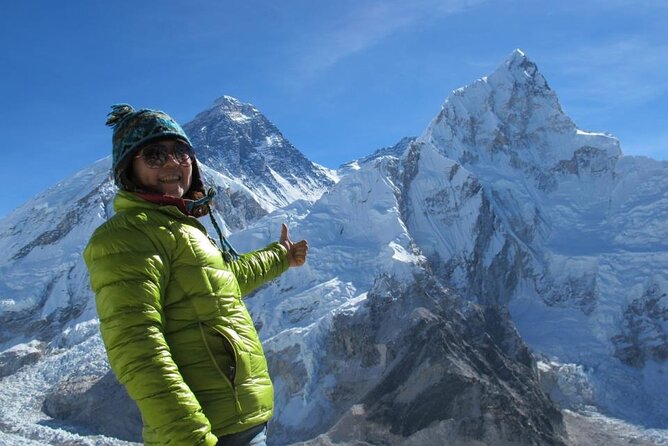
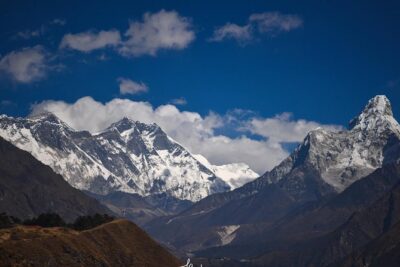
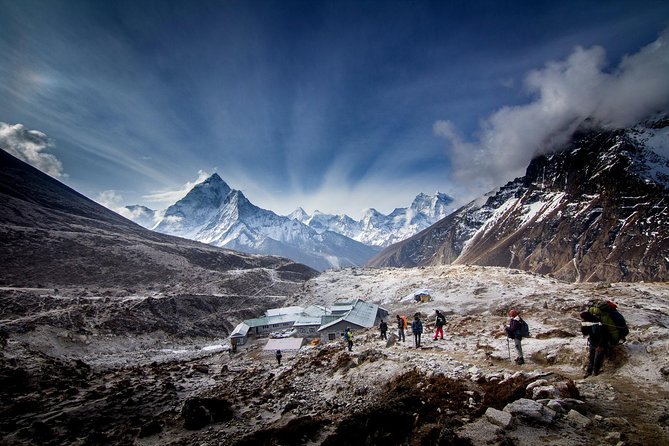
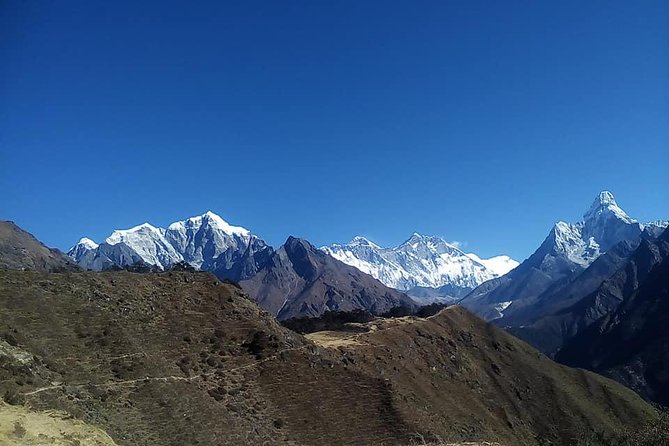
On Day 4 you move uphill toward Tengboche, with a steep hike and a rise in altitude. The route is known for big views, including Ama Dablam (listed at 6,856m), so expect your camera battery and your breath to both get tested.
You also pass through the Phunki Tenga area and continue toward Tengboche village. Tengboche Monastery is a centerpiece here, described as about 100 years old and associated with the annual Mani Rimdu festival (in October).
The tradeoff
This day is about 5 hours. It’s a real climb day, but it’s paced with gradual movement and big visual rewards that keep morale high.
Day 5: Tengboche to Dingboche—rocky terrain and mani stones
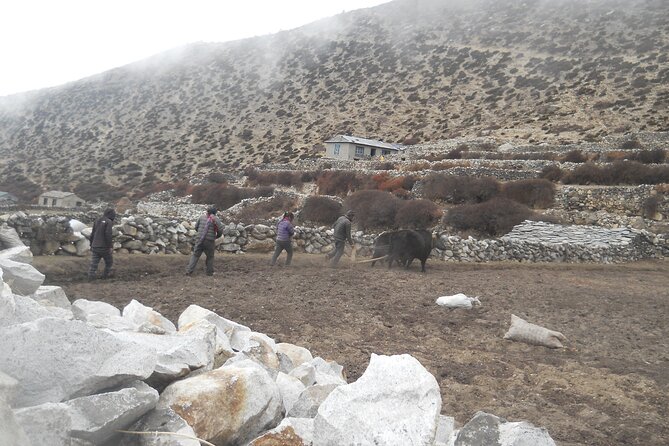
Day 5 heads toward Dingboche. The trail begins with a climb along the Dudh Koshi River to Debuche, then you move into a rocky terrain phase as you leave the forested path behind.
You’ll drop toward the Imja Khola, then climb again, and you’ll pass thousands of mani stones along the way. This kind of detail matters: it’s a reminder that you’re walking through a living landscape of faith and local routes, not just “a trail to the summit of Everest.”
Why Dingboche is a key stop
Dingboche is remote and feels different from Namche. It’s also where your itinerary starts to shift into acclimatization mode more deliberately.
Day 6: Dingboche acclimatization and the Nangkartshang Peak option
Day 6 is your acclimatization day. I love that this itinerary doesn’t treat extra hiking as a surprise. Instead, you get an organized choice: hike up toward Nangkartshang Peak (listed 5,083m), associated with a century-old monastery.
From the top, the views listed include Taboche, Ama Dablam, Island Peak, Lhotse, and Everest (as well as Mt. Pumo Ri later from the area). Then you retrace your path back to Dingboche.
Who this suits
If you’re the type who wants to work for views but still wants a buffer day, this option day is a great match. If you want a calmer day, you can stick to lighter local walking.
Day 7: Dingboche to Lobuche and the climbers’ memorial park
You move toward Lobuche with a route that passes Pheriche and Thukla. Thukla includes the Climber’s Memorial Park, built to remember climbers who lost their lives on Everest. Even if you’re not the sentimental type, this stop hits. It adds meaning to the physical effort.
After that, the route follows uphill movement toward Lobuche village along the Lobuche Glacier. This is a day that feels more “Everest region” in character—less village life, more mountain seriousness.
Day 8: Lobuche to Gorakshep and the push to Everest Base Camp
Day 8 is one of the highlights. You trek to Gorakshep, then do a short excursion to Everest Base Camp. The route goes along the Lobuche Glacier and Khumbu Glacier, and then you’ll walk toward Base Camp along the Khumbu Glacier corridor.
At Base Camp, you’re set up to see Khumbu Icefall and Khumbu Glacier views from the base area, plus listed surrounding peaks like Pumo Ri, Lingtren, Khumbutse, and Nuptse Peak. Then you head back to Gorakshep for overnight.
The practical reality
This day is shorter than the emotional impact it delivers. Expect fatigue at the end because you’re doing an extra out-and-back style push after arriving at Gorakshep.
Day 9: Kala Patthar sunrise views and the long descent to Pheriche
If you want one day to be the “wow” finale, it’s Day 9. You’ll wake early for a hike to Kala Patthar, described as a tourist landmark for excellent Everest views.
The summit viewpoint is where you can see Everest (listed 8,848m) alongside Nuptse, Lhotse, Khumbutse, Pumo Ri, and Ama Dablam. Then you retrace your path back to Gorakshep, eat breakfast, and trek down toward Pheriche along the Lobuche Glacier.
Why I like this pacing
After the Base Camp day, Kala Patthar adds height-based perspective. It’s not just reaching a place; it’s getting a different angle of the same huge idea.
Day 10: Pheriche to Namche Bazaar—Tengboche lunch and Dudh Koshi momentum
Day 10 is your return climb and descent rhythm. You leave Pheriche, trek toward Pangboche, stop at Debuche, and pass back through Tengboche, where you enjoy lunch.
Then you continue along the Dudh Koshi River and cross Phunki Tenga to reach Namche Bazaar again.
The emotional switch
This is when the trek starts to feel like it’s slipping into “home stretch” mode—your body knows what’s coming next, and your mind is ready to file memories.
Day 11: Namche to Lukla and the finish celebration day
Day 11 moves you downhill to Lukla. You’ll trek from Namche to Monjo area, exit Sagarmatha National Park, and then descend through Jorsalle and onward toward Phakding.
Lunch comes partway through, then you do a short final trek back to Lukla. The plan includes a clear evening moment to celebrate the completion of the trek.
A realistic note
Downhill days can be hard on knees and ankles. Even when you’re moving “easier,” you’re still walking for hours (this day is listed about 8 hours). Good boots and careful steps matter.
Day 12: Lukla to Kathmandu and the last big views from the air
On the final day you fly back to Kathmandu early. You’ll get the mountainous panorama from the air as you leave Lukla, with an aerial view of Kathmandu described as including parts of UNESCO World Heritage Sites.
Then you drive to your hotel and have the rest of the day free.
What you should plan for
This day is usually more about recovery than sightseeing. Bring layers and hydrate—your body has done a lot.
Lodges, meals, and the extras you’ll want to budget
Your trek uses tea house accommodation (lodge stays during the trek are included), with meals built into the package: breakfast is included (listed as 12), and lunch and dinner are included during the trek (listed as 11 each).
What’s not included is also very clear:
- tea/coffee
- hot water, hot shower
- battery charging
- alcoholic drinks, laundry
- phone bill and dessert
I like having this boundary spelled out. It helps you plan your spending so you’re not surprised by what suddenly costs extra in high-demand mountain towns.
Practical tip: hot showers and battery charging can be tempting, but if you’re trying to keep costs controlled, set one priority for each—like shower one or two nights, not every night.
Guides, porters, and the emergency support you’re paying for
This is a private excursion, which means you’re not competing with random strangers for attention or pacing. You get one government registered trekking guide and the required porters. Guide and porter expenses are covered, and their gear support is part of the included structure.
The most reassuring element for me is the operational support angle. The included package lists assistance for emergency rescue evacuation and public liability insurance. In past experiences linked to this operator, the owner Tej and guides were praised for fast help when administrative and flight issues popped up around Lukla.
I don’t think it makes the mountains safer. It just means you’re not left holding the bag if the trip gets messy.
Is this itinerary too much, or perfectly paced?
This trek is for people with moderate physical fitness. That doesn’t mean “easy.” It means you should be able to hike several hours on uneven terrain and handle altitude effects with a sensible pace.
The itinerary helps you manage effort in a few important ways:
- You start with a manageable first day to Phakding.
- You spend time at Namche with a rest day and optional hikes.
- You add an acclimatization day at Dingboche with a peak option.
- You end with a realistic return plan rather than a heroic sprint.
If you tend to push too hard on Day 1, this route will still allow you to fix that habit. Just follow your guide’s pace guidance.
Who should book this private Everest Base Camp trek?
This private package is a strong fit if you want:
- all-in planning without chasing permits and flight logistics
- a guide-led pace with an acclimatization-focused schedule
- porter support so you can focus on hiking and altitude awareness
- a company that has shown up in real situations (like flight grounding) with quick responses
It may not be ideal if you’re extremely budget-driven and plan to self-manage everything for the lowest possible out-of-pocket costs. The included package is fairly complete, but the mountain extras still cost.
Should you book this private 12-day Everest Base Camp trek?
Yes, if you want the classic Everest Base Camp route but you’d rather not spend your vacation doing paperwork, route math, or flight juggling. The value here is the combination of private guidance, included permits, tea house lodging during the trek, meal coverage, and air travel to/from Lukla.
I’d say book it with extra confidence if you like structure, want acclimatization days built in, and appreciate that emergency evacuation assistance is part of the package—not an afterthought.
Book it only if you can handle long hiking days and accept that Lukla weather can force changes. If you’re okay with that, you’ll come away with one of the strongest mountain experiences on Earth—without the stress of running the machine yourself.
FAQ
What is the duration of this Everest Base Camp trekking experience?
It’s listed as 12 days (approx.).
How much does the tour cost?
The price is $1,300.00 per person.
Where does the trek start and where does it end?
It starts and ends back at the meeting point in Kathmandu, with the trek beginning on the first day and the activity ending back at the same meeting location.
What are the included flights?
The package includes round-trip flights from Kathmandu to Lukla and back.
Are permits included?
Yes. The package includes Sagarmatha National Park fee and necessary permits (including a Pashang Lhamu Entry fee as listed).
Is a guide and porter included?
Yes. You get one government registered trekking guide and required porters, and their expenses are covered.
What kind of accommodation do you use on the trek?
You get lodge (tea house) accommodation during the trek.
Are meals included?
Meals are included during the trek. The package lists breakfast (12), lunch (11), and dinner (11), while Kathmandu hotel and meals are not included.
What is not included during the trek?
Not included are tea/coffee, hot water, hot shower, battery charge, alcoholic drinks, laundry, phone bill, and dessert, plus hotel accommodation and meals in Kathmandu.
What time does the experience start?
The start time is listed as 6:15 am.
Is free cancellation available?
Yes. You can cancel up to 24 hours in advance for a full refund.