REVIEW · NICOLOSI
Mount Etna: Trek to 3000m with cable car and jeep
Book on GetYourGuide →Operated by Etna Guides · Bookable on GetYourGuide
Etna feels close enough to touch. This trek pairs a cable car + 4×4 climb with an on-foot route to 3000m, plus the rare thrill of entering a real lava channel. What I like most is the mix of big volcanic sights (summit craters, lateral craters, Bove Valley) with hands-on geology, and the way the guides keep the group moving safely. One consideration: the walking part is 3–4 hours and can feel tough, especially with wind, cold, or icy footing.
You’ll start at the Etna Sud guide shelter next to Rifugio Giovanni Sapienza, with departures at 9:30 and 10:30, and you’ll be given proper gear like boots, helmets, and poles. If you’re coming during periods when the highest summit access is limited, this route is often the practical alternative that still delivers dramatic crater terrain.
In This Review
- Key highlights and what they mean for your day
- Why the 3000m Etna route is often the smart alternative
- Sapienza meeting point: timing matters more than you think
- Cable car + 4×4: the ride that changes the whole hike
- From summit craters to the lateral crater stop near 3,000m
- The lava channel part: where the volcano becomes real
- Walking on last-lava terrain and why pacing counts
- Descending to the cable car station: Bove Valley views (when weather cooperates)
- Gear and clothing: what you get vs what you must bring
- Who this suits (and who should skip it)
- Price and value: $62.63 plus the onsite €45
- Should you book the 3000m Etna trek?
- FAQ
- FAQ
- How high do you go on this Mount Etna trek?
- How long is the tour?
- Are the cable car and 4×4 included in the price?
- Where is the meeting point and what time does it start?
- What trekking gear is provided?
- Is this tour suitable for kids and people with mobility or health issues?
Key highlights and what they mean for your day
- Walk to 3,000m (Torre del Filosofo area) with a guided route that doesn’t waste time
- Lava channel visit where you can see how the last flows shaped the ground
- Summit craters plus the Bove Valley viewpoint so you get both crater drama and distance views
- Black-sand walking and lateral craters that make the volcano feel personal, not just scenic
- Effusive vent stop (2002 eruption) that ties today’s terrain to Etna’s recent activity
- Helmet-and-boot setup so you spend less energy worrying about what to bring
Why the 3000m Etna route is often the smart alternative
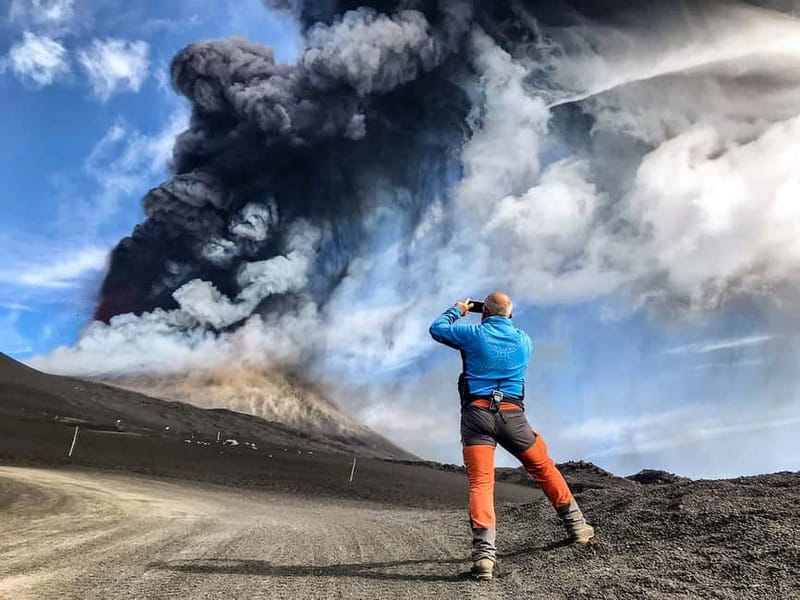
Let’s be honest: Etna is the kind of place where weather and access rules can change fast. When summit craters above the usual limit aren’t reachable, this 3,000m excursion is built to still deliver the big stuff.
Instead of chasing a label like reached-the-top-at-any-cost, you go higher than most day trips and you still get close to active volcanic features. You’ll reach the 3,000m area and see crater terrain, plus you’ll walk across black volcanic ground and get inside a lava channel to understand how eruptions build and reshape the mountain.
This is also a good fit if you want a guided experience that interprets what you see. A lot of Etna visiting is about views. This one adds the “how it works” angle without turning into a lecture marathon.
You can also read our reviews of more tours and experiences in Nicolosi.
Sapienza meeting point: timing matters more than you think
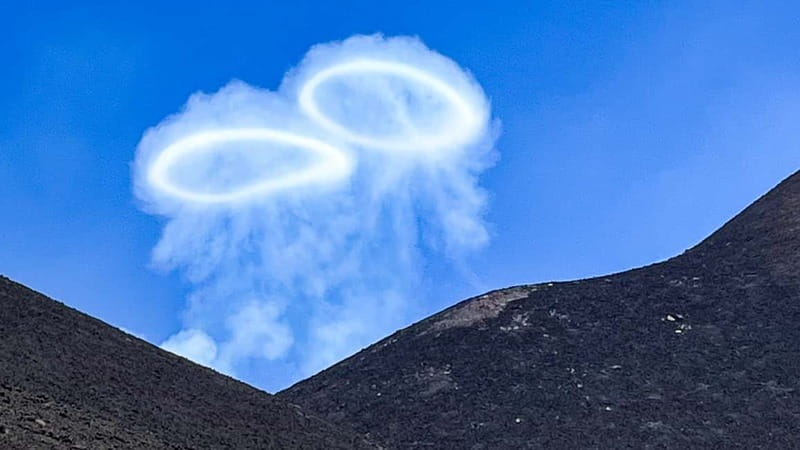
Your day starts at the Etna Sud guide shelter inside the lodge area next to Rifugio Giovanni Sapienza. The departures are 9:30 and 10:30, and you’re asked to arrive about 45 minutes early.
If you’re coming from Catania by AST bus, the operator notes they can wait for bus arrivals if you let them know. Still, I’d treat this like a “show up early” kind of plan. The Etna routes depend on getting everyone coordinated before the cable car and vehicles run on schedule.
Also, double-check your language group at check-in. The format is set up so you’ll have a live guide in English, French, or Italian, and that makes a big difference when you’re hearing explanations while you’re standing in the crater area trying to look and listen at the same time.
Cable car + 4×4: the ride that changes the whole hike
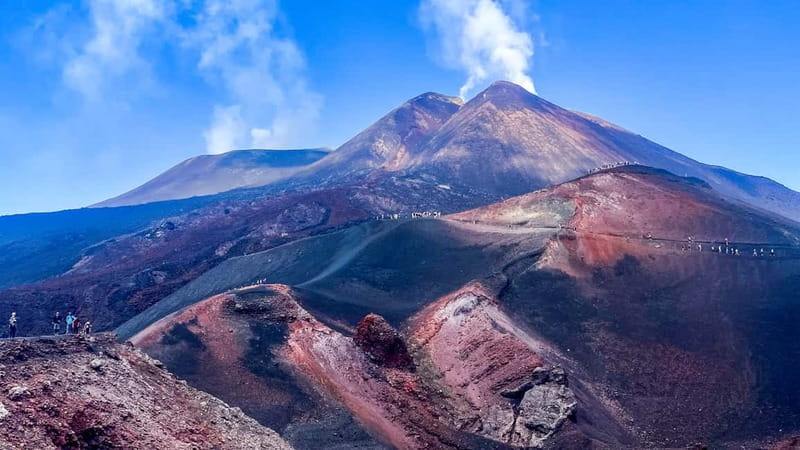
The climb is staged. First, you take the cable car up to about 2,500m for a short ride (around 20 minutes). Then you switch to a 4×4/SUV transport to roughly 2,800m (another short ride).
Here’s the cost reality: the cable car and 4×4 tickets are not included in the tour price. You pay €45 per person onsite at the meeting point in the morning. For value-minded travelers, that matters because it’s the one add-on you need to budget for from the start.
But the reason this transport combo is worth it is simple: it saves your legs for the part that actually needs your attention. You’re not spending the whole morning trudging on the most basic approach paths. You’re arriving near the crater terrain, then starting the meaningful hike.
One more practical note: the tour includes helmet, boots, socks, gloves if needed, and trekking poles, so the rides aren’t just transport. They’re the warm-up for a day where footing and layers matter.
From summit craters to the lateral crater stop near 3,000m
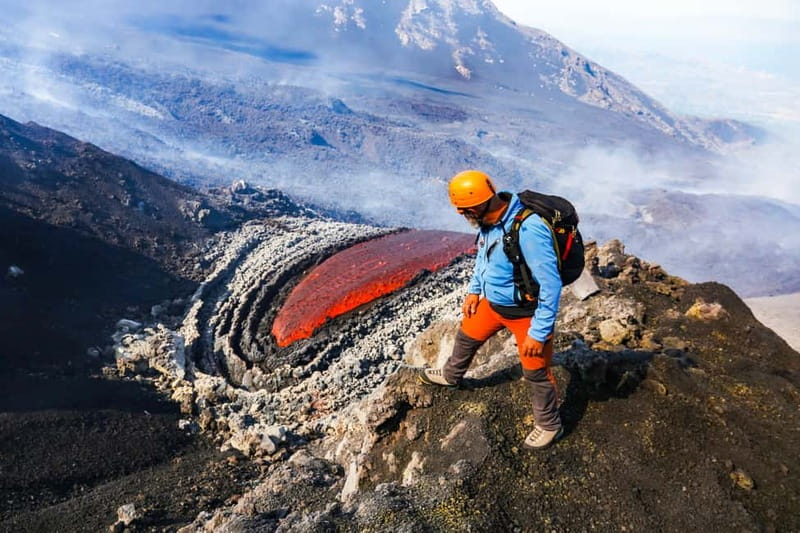
Once you’re off the 4×4, your guided walking segment begins and it’s built around viewing points, not just distance. You’ll have a chance to observe the summit craters, then you’ll continue toward a lateral crater stop near 3,000m, often identified as the Barbagallo area (about 3,000m).
This is the moment where Etna shifts from “scenery” into “terrain.” Summit craters tend to draw your eyes upward, but lateral craters teach you something different: how volcanic activity spreads sideways, builds uneven ground, and leaves different textures and slopes behind.
You’ll also walk across black sand areas. That sand looks like it belongs in a beach photo, but on Etna it’s usually more like volcanic grit. It affects how your steps land and how fast you tire—so good boots and poles are not optional for comfort.
Small drawback to plan for: the route isn’t a gentle stroll. Wind and cold can hit hard at altitude, and the trek includes enough time on foot that you’ll feel it in your calves and thighs.
The lava channel part: where the volcano becomes real
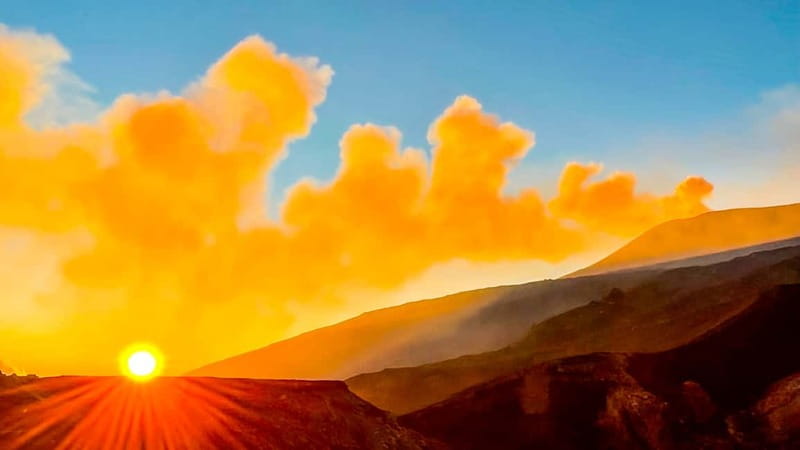
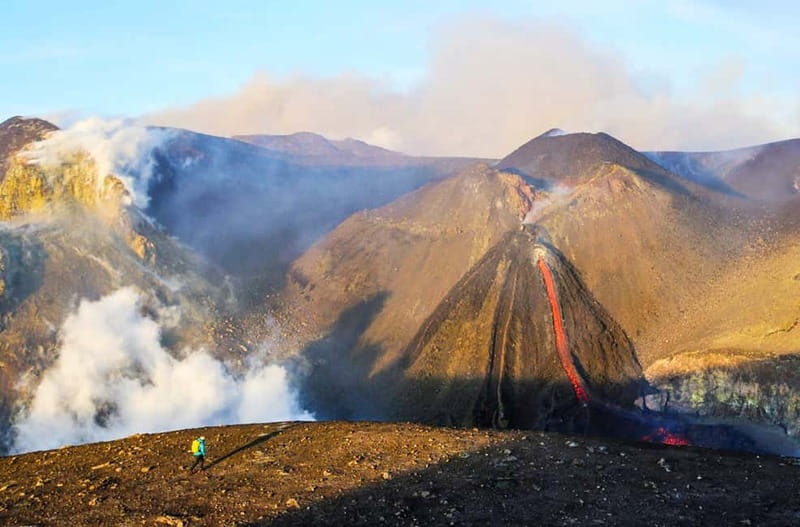
This is the heart of the experience: you see recent lava flows (notably referenced as from 1 December 2023) and then you enter the inside of a lava channel.
A lava channel is not a museum-like display. It’s a real space formed by flowing magma and cooling rock. When you step inside, the “volcano is far away” feeling disappears. The geometry of the channel tells the story of flow direction and how the surface changed as the eruption progressed.
You’ll also visit an effusive vent tied to a 2002 eruption. The point of that stop is to connect what you’re standing on with a specific eruption phase: when lava is flowing out rather than only exploding in bursts. It makes the terrain more than a visual checklist.
You’ll be wearing a helmet and the operator provides trekking gear, which helps you focus on the geology instead of worrying about what to protect. Still, keep your expectations grounded: this is adventurous terrain, and the “thrill” isn’t just dramatic scenery—it’s moving through an active-looking environment where footing and stability matter.
If conditions get snowy or icy, the operator may use alternative transport methods (some seasons use snowcats), and the walking experience can shift from “breathe and look” to “move carefully and keep warm.”
Walking on last-lava terrain and why pacing counts
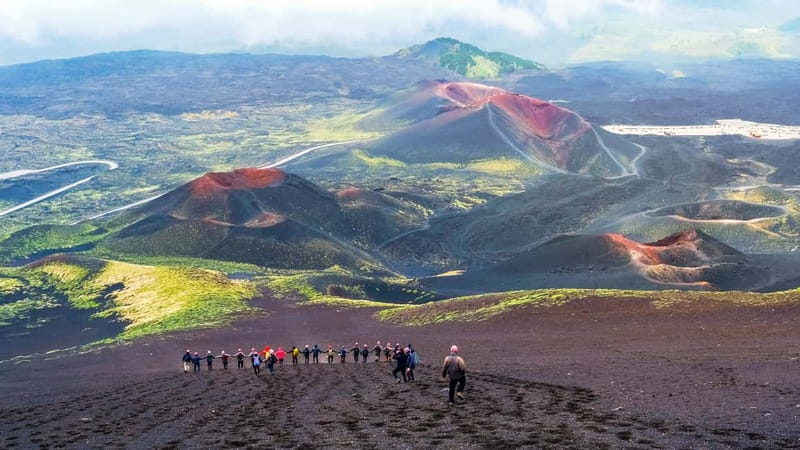
One of the most praised parts of this route is the moment you get to walk on the last lava. That’s a big deal because it’s not old, rounded volcanic ground. It’s newer material that can feel rougher underfoot and can create uneven, slippery patches depending on moisture.
Your guide’s job isn’t just to point. It’s to manage pace and safety while you’re simultaneously trying to absorb crater views, lava channel details, and explanations.
I’d take pacing cues seriously. Even fit hikers can lose time if they rush the black-sand sections or if they stop too long to photograph without checking footing. The tour format is designed with stops, but you’ll still want to move with intention.
And if you feel like you’re falling behind, speak up early. Your guide can usually adjust what you focus on next and how you manage the walking segment based on the group’s conditions.
Descending to the cable car station: Bove Valley views (when weather cooperates)
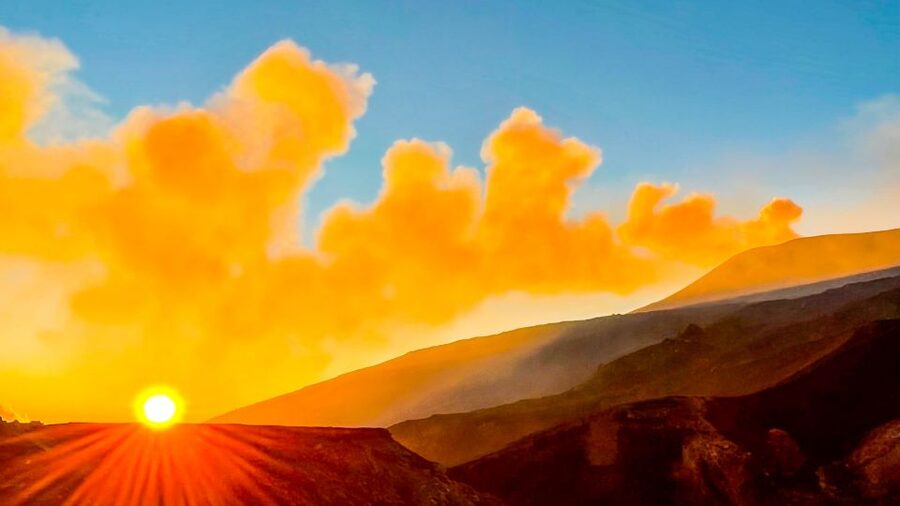
After the lava-focused segment, you descend on foot toward the cable car station. One of the sneaky parts of Etna treks is that the walk down can feel harder than the walk up. Even when you’re not gaining altitude, you’re often dealing with loose sand, uneven rock, and fatigue.
The route ends with the cable car ride down and an added viewing stop area where you can observe the Bove Valley. On fine days, the guide mentions a sweeping view that can stretch from the Ionian Riviera across toward the interior of Sicily.
That “when the weather behaves” part is real. At altitude, wind can steal your comfort fast. One reason this tour earns strong marks is that guides tend to keep the group moving and find shelter when the conditions are rough, so you don’t spend your best energy fighting the wind.
Plan to be flexible. If cloud cover or haze rolls in, you’ll still get the lava channel and crater terrain, but the Bove Valley distances might be muted.
Gear and clothing: what you get vs what you must bring
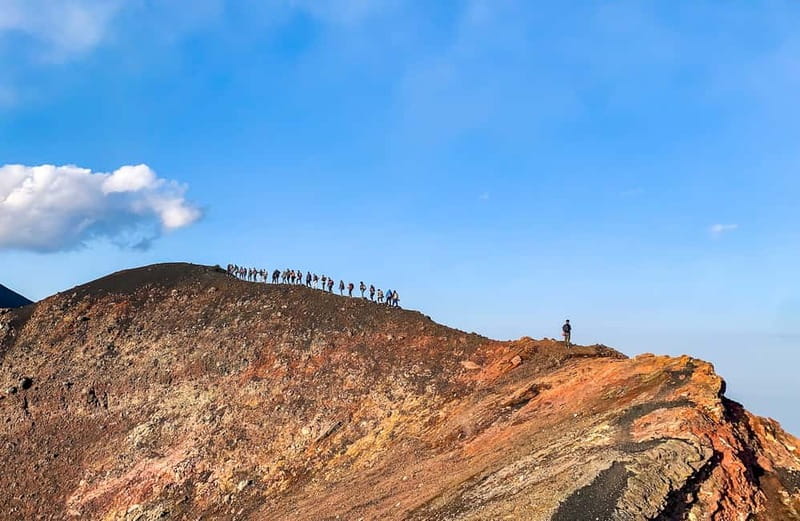
This tour’s packing list is refreshingly straightforward because you’re not left to guess what Etna requires.
Included gear typically covers:
- Ankle trekking boots
- Long thick socks
- Helmets
- Disposable under-helmet items
- Gloves if needed
- Kway jackets (with or without fleece inside)
- Backpacks
- Trekking poles
What you should bring:
- Sunglasses
- Sunscreen
- Rain gear
- Long pants
You’re not allowed to wear shorts, and the tour also isn’t set up for baby strollers or baby carriages. That’s a sign the route is genuinely physical and uneven.
My practical tip: treat the day like mountain hiking, not like a casual sightseeing bus stop. Even if the base is warm, altitude can feel sharp fast, especially with wind.
Who this suits (and who should skip it)
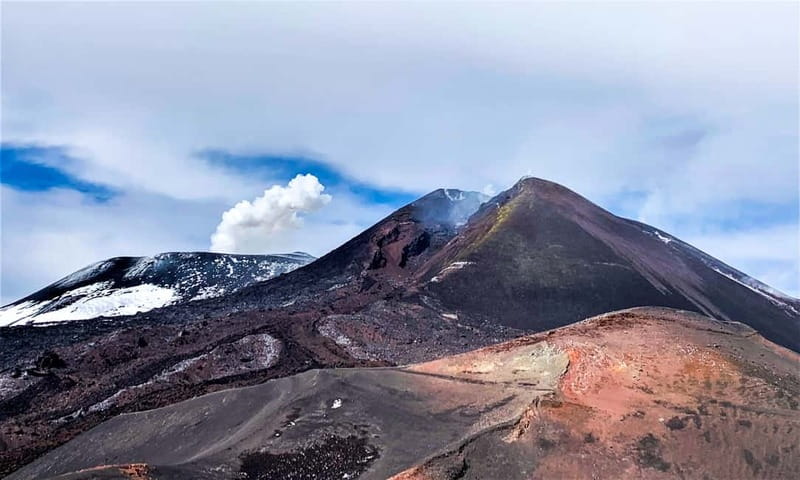
This is not a “sit on the edge of history” kind of Etna trip. You’re walking at altitude with black-sand and crater terrain, and you’re dealing with a real mountain environment.
It’s also not suitable for:
- Children under 6
- Pregnant women
- People with mobility impairments or wheelchair users
- People with heart problems
- People with respiratory issues
- People who are visually impaired
- People who get motion sickness
- People over 95 years
If you fall into any of those categories, I’d strongly consider a different Etna option that’s less altitude and less walking.
For everyone else, it’s a great match if you’re comfortable hiking for about 3–4 hours, you can handle cold/wind conditions, and you want more than a viewpoint. If you want a guided science-and-sights day, this is one of the better formats.
Price and value: $62.63 plus the onsite €45
The listed price shown here is $62.63 per person, but remember the cable car and 4×4 transport tickets are €45 per person paid onsite.
So your real total cost depends on your currency conversion, but the important part is the value logic: you’re paying for a guided high-altitude trek with serious included gear, plus transport coordination that brings you close to the crater zone efficiently.
The value gets even better if you’re thinking like a hiker. Boots, poles, helmets, jackets, and socks are included, so you’re not renting or guessing your setup last-minute. And since you do get a structured program with guided interpretation at multiple volcanic stops, you’re paying for time with someone who helps you connect what you see to why it looks that way.
The only way this isn’t good value is if you already have everything and you’d rather do it independently. But on Etna, independent travel can become complicated quickly at higher elevations and in shifting weather.
Should you book the 3000m Etna trek?
Book it if you want:
- A guided high-altitude Etna experience that reaches the 3,000m area
- The chance to walk across black sand and step into a lava channel
- A tour format that still works when summit access is limited
- Included hiking gear so you can travel lighter
Skip it if you:
- Want a low-effort stroll
- Have health concerns that make altitude or rough footing risky
- Get motion sickness easily
- Are traveling with restrictions like stroller/wheelchair needs
If you’re unsure, be honest about your walking comfort. This tour rewards hikers who move steadily, dress for wind and cold, and pay attention to guide safety cues. Etna isn’t trying to be easy. It’s trying to be unforgettable.
FAQ
FAQ
How high do you go on this Mount Etna trek?
You go up to around 3,000 meters. The route uses a cable car up to about 2,500m, then a 4×4 up to about 2,800m, and the final part is on foot to reach 3,000m.
How long is the tour?
The total tour time is about 5 hours, with roughly 3–4 hours of hiking during that time.
Are the cable car and 4×4 included in the price?
No. The cable car and 4×4 transport tickets are €45 per person and must be paid onsite at the meeting point.
Where is the meeting point and what time does it start?
You meet at the Etna Sud guide shelter next to Rifugio Giovanni Sapienza. Departures are listed for 9:30 and 10:30, and you should arrive about 45 minutes before.
What trekking gear is provided?
The tour provides ankle trekking boots, long thick socks, helmets, disposable under-helmet items, backpacks, trekking poles, and Kway jackets (with or without fleece). Gloves are provided if needed.
Is this tour suitable for kids and people with mobility or health issues?
It is not suitable for children under 6, and it’s also not suitable for people with mobility impairments, wheelchair use, heart problems, respiratory issues, motion sickness, visual impairment, or pregnancy. It’s also listed as not suitable for people over 95 years.