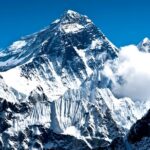
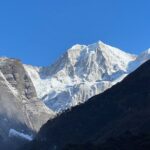
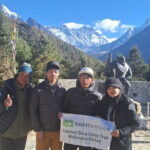
Manaslu Circuit feels like a real expedition. The circular trek climbs from steamy lowland rice terraces up to Larkya La Pass at about 5,160m, with the wild Buri Gandaki River gorge and a noticeably quieter vibe than the Annapurna routes. I love the sense of less-crowded remoteness, and I also love how the trek builds in altitude so you can actually enjoy the scenery, not just survive it. One drawback to plan for: it’s genuinely demanding, and the pass can be tough if weather turns.
A big part of why this works well is the way the trip is run. Teams often tout guides like Dilman and KP, and the common theme is steady pacing, practical support, and flexibility when weather windows shift. Still, you’ll want to budget for what’s not included: Kathmandu hotel and a porter, if you decide you need one.
In This Review
- Key highlights before you go
- Why Manaslu Circuit feels different from the Annapurna Circuit
- Price and logistics: what $1,081 gets you (and what it doesn’t)
- Day 1: Soti Khola start and why the road day matters
- Trek Days 2–4: Machhakhola to Jagat, river paths, bridges, and permits
- Trek Days 4–7: Phillim check, landslide caution, and Tibetan-influenced villages
- Trek Days 8–10: Samagaun and Samdo acclimatization without boredom
- Trek Days 11–12: Larkya La Pass at first-light, crampon reality, and the big peaks
- Trek Days 13–14: Rough track after Dudh Khola, forests back to Kathmandu
- Guides, pacing, and why this group-style setup is a real advantage
- What to pack and how to handle the altitude safely
- Should you book the Manaslu Circuit Trek with Magical Nepal?
- FAQ
- How long is the Manaslu Circuit Trek?
- Where does the trek start and end?
- Is pickup in Kathmandu included?
- Is this a private tour?
- What’s included in the price?
- What isn’t included?
- Is a mobile ticket provided?
- Is free cancellation available?
Key highlights before you go
- Remote Manaslu Restricted Area feel once you reach the permit check zone around Phillim.
- Bhuri Gandaki River drama with suspension and cantilever bridges plus turquoise water and waterfalls.
- Acclimatization days that don’t waste time in Samagaun/Samdo with optional hikes.
- Larkya La Pass at first-light tempo when conditions are best.
- Tea-house trekking with real rhythm through Gurung, Nubri, and Tibetan-influenced villages.
- Bridge and trail safety habits like standing on the hillside when mule trains pass.
Why Manaslu Circuit feels different from the Annapurna Circuit
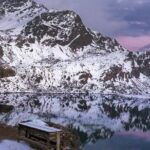
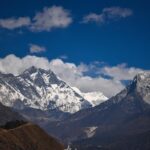
If you want Himalaya scenery but you don’t want constant trail crowds, Manaslu is one of the best bets. The route circles the Manaslu massif and links different cultural zones: Gurung and Ghale villages early on, then a more Tibetan-influenced Buddhist world as you gain altitude. Even the trail character changes. The early days feel rugged and river-tight, then it opens into broad yak-grazing country and high, icy terrain as you approach the pass near the Tibetan border.
The big emotional payoff is that this trek still feels like a pioneering journey rather than a theme park. You’ll move through places that feel used by locals every day—where prayer flags flutter, mani walls line paths, and villages have their own rhythm beyond the trekking season. That’s the kind of travel that sticks, because it’s not only about views. It’s about getting there by foot, in a place where life continues along the trail.
You can also read our reviews of more tours and experiences in Kathmandu.
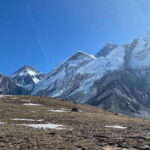
Price and logistics: what $1,081 gets you (and what it doesn’t)
The listed price—$1,081 per person—covers the backbone of a serious trek: private transportation, all fees and taxes, and all included meals (breakfast, lunch, dinner across the trip length). That matters on Manaslu because the logistics can be the difference between a smooth start and a stressful one, especially with the long, dusty road stretches before you even begin hiking.
You’ll still handle a couple of important extras yourself. The hotel in Kathmandu isn’t included, and a porter isn’t included in the package. You should think about how much you want to carry. Even with a guide handling route choices and timing, your pack weight affects how much you enjoy each day—especially once you’re near the 5,000m-plus zone.
Also note the trip is set up as a private tour/activity, meaning only your group participates, and you’ll have a mobile ticket and pickup offered. If you dislike hopping between shared shuttles with strangers, this kind of setup can feel calmer.
Day 1: Soti Khola start and why the road day matters
Your trek kicks off from the Soti Khola area after getting to Kathmandu first (the start point is Tribhuvan Airport). The road transfer can be long, dusty, and bumpy. The trip options include buses, a bus/local jeep combo, or a private jeep if you want more control over comfort and timing.
Here’s the practical angle: a rough road day affects your legs more than you think. If your body is tight or you’re prone to nausea, a private jeep can be worth considering just to protect your first hiking day. If you take public transport, plan on lunch and toilet breaks during stops—so pack small essentials in a day bag even if bigger items stay in the vehicle.
After that, you’re not just “starting a trek.” You’re stepping into the real mountain rhythm where the next 2 weeks revolve around walking, eating, hydrating, and sleeping at the right altitude.
Trek Days 2–4: Machhakhola to Jagat, river paths, bridges, and permits
From Machhakhola onward, the trail feels wild right away. You’ll hike along rocky river corridors past waterfalls, high cliffs, and sal forests. Villages you pass through include Gurung and Ghale communities, and you’ll likely get a lunch stop in a village—often with simple but satisfying staples like fresh local milk and yogurt when it’s available.
One day early on includes a prayer stop at Nyali Khola, where people gather to pray to local river and mountain deities for safety on the trail. It’s a small moment, but it’s exactly why Manaslu feels different: locals aren’t “set dressing.” They’re actively living the landscape.
As you move toward Jagat, the trail follows the Buri Gandaki River. You’ll cross suspension bridges and later a cantilever bridge, which gives you more than a crossing—it gives you views down and out over the gorge. After reaching Jagat, you enter the Manaslu Restricted Area. That’s when the reality of permits and regulations becomes part of the trek experience, not just an admin detail.
Drawback to note: bridges and narrow edges mean you need steady footing. If it’s muddy or slick, go slow. This is not the trek for rushing to “make time.”
Trek Days 4–7: Phillim check, landslide caution, and Tibetan-influenced villages
At Phillim, your permit gets inspected before you continue along the Manaslu western river bank. This kind of checkpoint can feel formal, but it’s also part of why the area stays relatively quiet. It’s one of the reasons you’re not swamped with random foot traffic.
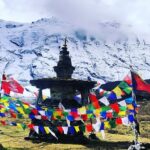
Trail scenery keeps changing: you’ll hike through rhododendron and pine forests, and you’ll start seeing Buddhist elements more often as the route becomes more Tibetan-influenced. In places like Sirdibas and later along the way, gompas show up, and you can spot prayer flags fluttering where the wind does its thing.
Day 5 is a reminder that mountains don’t care about your schedule. There’s a landslide zone, and you’ll need to pay close attention to your guide’s instructions there. This is where a good guide earns their keep—because they know where the safest footing and quickest pacing decisions are.
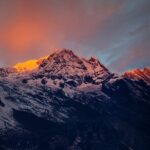
Then you reach Lho, where mani walls appear (stone walls carved with mantras), and the village atmosphere feels more Tibetan. Even clothing influences show up, and you walk through lush terraces and forested slopes. If you want one of the most scenic “reward” stops before the higher-altitude push, Lho is it. Manaslu and Manaslu North loom above.
One small practical note: this stretch is full of short visual payoffs, so keep your camera handy—but don’t stop in the middle of rough sections.
Trek Days 8–10: Samagaun and Samdo acclimatization without boredom
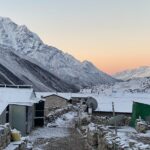
Acclimatization is built in, and it’s not just “rest and hope.” In Samagaun, you get a village with amenities that make acclimatization days easier: shops, a health post, a heliport, and telephone/wifi access. The pace here matters. You’ll hike slowly and keep hydrated while choosing a short activity.
Your options include Pungyen Gompa on the east of the Nubri Valley, Manaslu Base Camp, or Birendra Tal (a lake walk). If you’re feeling tired, go for the shorter walk. If you feel good, the base camp option adds effort because it reaches about 4,400m. Either way, the point is the same: you move, you don’t just sit.
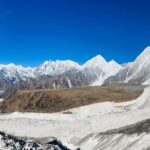
Then you head toward Samdo, crossing broad yak pasture country. You can explore nearby villages or hike up to Samdo Peak for views toward Larkya La pass and the route continuing toward Tibet. On the next acclimatization day, you can look toward the Tibetan border area even though you can’t actually cross. The payoff is wildlife odds and big ice scenery: the Samdo Glacier with a serac feature near the top, and the chance to spot animals like yak caravans, plus pica and marmots if you’re lucky.
Why you’ll appreciate these days: they prevent the trek from turning into a continuous fight with altitude. You still hike, but you’re giving your body time to adjust so the pass day isn’t a shock.
Trek Days 11–12: Larkya La Pass at first-light, crampon reality, and the big peaks
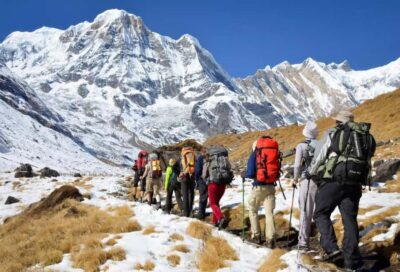
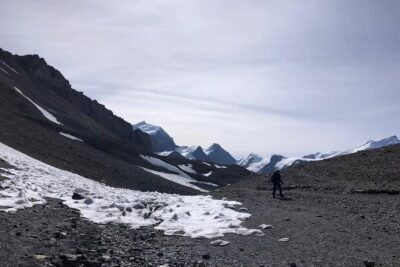
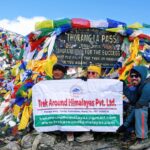
The highest-stakes day comes when you cross Larkya La pass at about 5,160m (often noted around 5,167m). You’ll start early to ensure you cross before the afternoon. Weather matters here. Bad conditions or snow can turn the pass into a serious challenge, and crampons may be needed, depending on conditions.
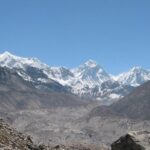
From the pass, the views are the main event. You’ll look toward Himlung, Kang Guru, and Annapurna II, plus see a glacial cirque behind and ahead. Even if you’re tired, this is the kind of panorama that makes your brain go quiet for a minute.
After the pass, there’s a roughly three-hour descent to Bimthang, with huge icefalls and mountains in view along the way. That descent is still hard on the body, but it’s usually a relief compared to the climb. It’s also where you’ll want good foot control. Trekking poles help, and a steady rhythm beats sprinting down rocky sections.
Guides matter most on this day. Reviews highlight how guides like KP and others adjust timing for weather windows and support people dealing with altitude symptoms. On a high pass, being guided isn’t a luxury—it’s part of keeping the day safe and manageable.
Trek Days 13–14: Rough track after Dudh Khola, forests back to Kathmandu
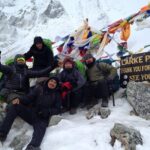
After Bimthang, the trek turns toward descent through lush forests and rhododendron bushes. You’ll stop for lunch at Karche Village after crossing the Dudh Khola. This area shows signs of glacier floods, and the track becomes rough. That’s a good moment to slow down again and keep your step careful rather than forcing speed.
Then the valley becomes more agricultural as you walk past fields and forests. It’s a “return to human scale” feeling, which can be emotional after days of rock, ice, and high-altitude air.
On the final day, you transfer back to Kathmandu. You can use local jeep and bus options or go with a private jeep. Since your Kathmandu hotel isn’t included, plan for where you’ll stay once you get back, and let yourself recover. A trek like this doesn’t end when you stop walking. It ends when your body catches up.
Guides, pacing, and why this group-style setup is a real advantage
The most praised aspect of this trek experience is the way the team runs it in real life: guides who keep a calm pace, share cultural context, and stay flexible when conditions change. Names that come up often include Dilman, KP, Pemba, Narayan, Sajan, Mitra, and others. The recurring theme across experiences is not just “good English” (though that helps). It’s that guides pay attention—especially when people struggle with altitude.
Altitude sickness is a real risk on high treks, and one review specifically praises support when altitude symptoms showed up. The practical takeaway for you: trust the plan, and don’t try to be tough past the point where you’re slowing others down or making unsafe choices. A good guide helps you walk at the right pace and make smart calls early.
You’ll also benefit from the private group setup. You’re not constantly stopping for a packed schedule of strangers with different speeds. That can matter on tricky sections like landslide areas and the pass approach where weather and timing decisions need a unified rhythm.
What to pack and how to handle the altitude safely
The trek climbs from lowlands toward snowbound terrain, and you should treat altitude as a major factor, not a side note. The itinerary includes acclimatization days, but it’s still on you to go slowly, hydrate, and listen to your body.
Because crampons may be needed at Larkya La pass, you should plan for cold, potentially icy conditions even if you start optimistic. Layering is your friend here. Bring a system that you can adjust quickly as you move from forest shade into open, wind-exposed areas.
Footwear matters more on Manaslu than on flatter treks. Rocky river trails, narrow edges, and bridge approaches can get slippery. Use trekking poles if you have them and feel comfortable. And on the topic of mule trains, there’s a specific safety habit: stand on the hillside side of the trail rather than toward the drop side when animals pass. It’s simple, but it’s the kind of detail that prevents accidents.
Also think about your pack weight since porters aren’t included. If you’d rather travel lighter, arrange that decision early rather than waiting until you’re already tired.
Should you book the Manaslu Circuit Trek with Magical Nepal?
I’d book this if you want a real Himalayan trek with big views and you value a quieter, more remote route. The combination of the Bhuri Gandaki gorge, Tibetan-influenced villages, acclimatization hikes, and the main payoff of Larkya La pass makes it a strong choice for hikers who are truly comfortable walking day after day.
Skip it (or rethink) if you’re not ready for a physically demanding trek or if you’re unwilling to handle cold pass conditions and altitude challenges. Also consider that Kathmandu hotel and a porter aren’t included, so your total out-of-pocket cost may change depending on your comfort level with carrying your pack.
If you want a trek where guides like Dilman or KP can manage pace, weather timing, and support when altitude shows up, this one has the right ingredients.
FAQ
How long is the Manaslu Circuit Trek?
It’s listed as about 14 days.
Where does the trek start and end?
The start is Kathmandu near Tribhuvan Airport, and the end is Kathmandu (44600), Nepal.
Is pickup in Kathmandu included?
Pickup is offered.
Is this a private tour?
Yes. It’s a private tour/activity, and only your group participates.
What’s included in the price?
The price includes private transportation, all fees and taxes, and meals: breakfast (14), lunch (14), and dinner (14).
What isn’t included?
Hotel in Kathmandu and porter are not included.
Is a mobile ticket provided?
Yes, a mobile ticket is provided.
Is free cancellation available?
Free cancellation is available up to 24 hours in advance for a full refund.