REVIEW · KATHMANDU
Everest Base Camp Trekking – 2025/2026
Book on Viator →Operated by Alpine Ramble Treks · Bookable on Viator
Everest Base Camp calls for more than legs.
This 2025/2026 trek pairs classic high-altitude scenery with a private guided plan that’s designed to help you stay on track, not rush, and still enjoy the villages along the way. You fly in and out of Lukla, then walk the well-loved rhythm of Sherpa settlements, Buddhist monasteries, and big-mountain views.
I especially like the practical way this trip is set up for peace of mind: domestic flights to and from Lukla are included, and the route is managed by an ART government-licensed, English-speaking guide who handles the key logistics with you. I also like that you get most meals, permits, and trekking-lodge lodging handled, so you can spend your energy on acclimatizing and enjoying the trek.
One consideration: the trip reaches real altitude, and the daily walking is still hiking work (3–5 hours a day in the data), plus weather and flight timing around Lukla can be unpredictable—so build flexibility into your expectations.
In This Review
- Key highlights you’ll feel on the trek
- Price and logistics: what you’re really paying for
- Day 1 in Kathmandu: get your bearings before the mountains
- Fly to Lukla and walk to Phakding (Day 2): the “real trek” starts
- Phakding to Namche Bazaar (Day 3): the altitude mind game
- Namche to Pangboche (Day 4): monasteries and Sherpa villages
- Pangboche to Lobuche/Labuche (Day 5): moving toward the high-country
- Toward Gorakshep and Base Camp (Day 6): the Everest payoff
- Heading back toward Namche and Lukla (Days 7–9 as listed): don’t treat the descent like recovery
- Where your time goes each day: wake, walk, eat, settle
- Lodging and bathrooms: basic, workable, don’t expect hotel comfort
- Meals on the trail: included, varied, but keep it sensible
- Altitude safety and gear: what you need, what you don’t
- Guides and the human factor: why this team style matters
- Responsible tourism: small rules that make a difference
- Who should book this EBC trek, and who should consider another option
- Should you book Alpine Ramble’s Everest Base Camp trek for 2025/2026?
- FAQ
- Are domestic flights to and from Lukla included?
- What’s included in the trip besides hiking?
- Is this trek private or group-based?
- How fit do you need to be?
- Do I need travel documents like a passport and visa?
- What gear and health items should I bring?
Key highlights you’ll feel on the trek
- Lukla flights are included, so you avoid the slog of ground transport.
- Permits + TIMS plus Everest National Park fees are covered, which saves hassle.
- Full-board trekking meals (breakfast/lunch/dinner) and lodge stays are included during the trek.
- Private guide + guide-led pacing, meant to reduce stress and help you avoid getting lost.
- Water purification tablets included, plus guidance on drinking safely at altitude.
- Twin-sharing lodge rooms on the trek (single supplement if you’re solo).
Price and logistics: what you’re really paying for
At $1,339.20 per person, you’re not just buying a few days of hiking. You’re paying for the expensive parts of Nepal’s Everest region that add up fast: Lukla air access, permits, lodge logistics, and a licensed guide who stays responsible for the plan. For many people, that’s the value sweet spot—less time coordinating, more time actually walking and taking in the mountains.
This is also listed as a private trek, meaning it’s set up for your group rather than a big shared herd. That matters because pacing changes everything at altitude. When you’re hiking on a schedule you didn’t design, you often end up either feeling pressured or stuck waiting. Here, the guide is explicitly built into the experience to help you go at your pace without feeling lost in the shuffle.
The other logistics detail I’d flag: you start with an arrival day in Kathmandu, plus pickup offered and transfers handled by air-conditioned vehicle. Then you transition to domestic flights from Kathmandu/Manthali to Lukla and back. Since the data also mentions possible flight delay in Kathmandu and Lukla, I’d plan your mindset for “flex day energy,” especially if your return depends on flight timing.
You can also read our reviews of more tours and experiences in Kathmandu.
Day 1 in Kathmandu: get your bearings before the mountains
Day 1 is arrival in Kathmandu, with a welcome from an airport representative and transfer to your hotel. In the evening, you’re introduced to the tour so you know who you’re meeting and what the next steps look like.
Why this day matters: Kathmandu is where you sort out small issues that can become big ones later—gear problems, medication questions, and flight nerves. The trek also includes Kathmandu valley sightseeing with private vehicles (described as available), which can be a nice way to understand daily Nepali life before you go high.
One practical tip: Kathmandu lodging is separate from the trek lodges. The data notes extra accommodation and meals before and after the trek are not included, so if you arrive early or fly out late, you’ll want to budget for that.
Fly to Lukla and walk to Phakding (Day 2): the “real trek” starts
The route begins with the flight to Lukla, then trekking to Phakding (about 2,652 m) for roughly a 3-hour trek in the data.
This is the moment where Everest Base Camp shifts from idea to actual work. Lukla starts you relatively quickly, and Phakding is your first taste of trekking-lodge life—tea stops, step-by-step elevation changes, and the “I’m actually hiking in the Himalayas” feeling.
What’s good here: you’re not asked to be a marathoner. The trek structure is designed around shorter stretches with breaks. The typical day schedule provided later (wake early, breakfast around 7 am, walking to lunch around noon to 1 pm, then reach camp by late afternoon) shows the pacing philosophy.
What to watch: your first day can still feel harder than expected because you’re starting fresh after flights. Take the guide’s pace seriously. The easiest way to ruin early days is to feel invincible and overdo it.
Phakding to Namche Bazaar (Day 3): the altitude mind game
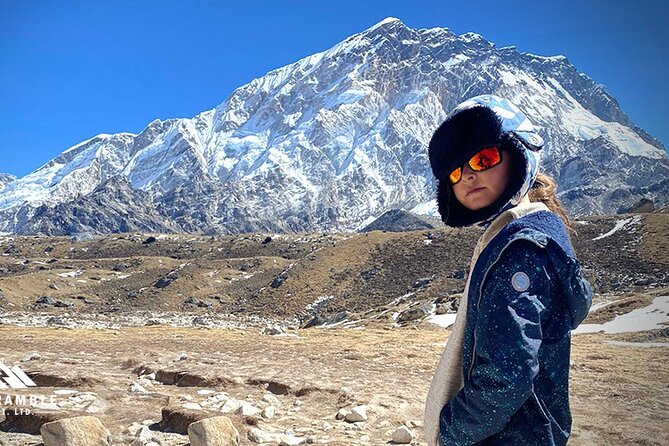
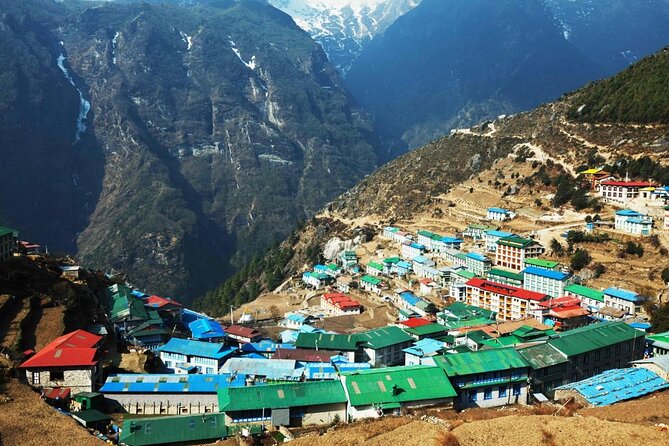
Day 3 is Phakding to Namche Bazaar (listed as 11,283 ft, about 3,440 m), with 10–12 km and about 5 hours of walking.
Namche is the big hub of the Everest region, and it’s also the altitude checkpoint where your body starts to ask questions. Even if you feel fine, the route here is part of why this trek is rated moderate with high-altitude exposure.
Why I like this leg in particular: it’s long enough to feel meaningful, but it fits the “guided pacing” concept. That means you’re more likely to stop for the right reasons—breathing, views, water, and small rests—rather than stopping because you’re cooked.
Potential drawback: this is where fatigue can creep in fast if you move too quickly. If you’re prone to rushing, lean on the guide. The data is explicit about going safely without worrying about being too slow (or too fast), which is exactly the mindset you want at Namche.
Namche to Pangboche (Day 4): monasteries and Sherpa villages
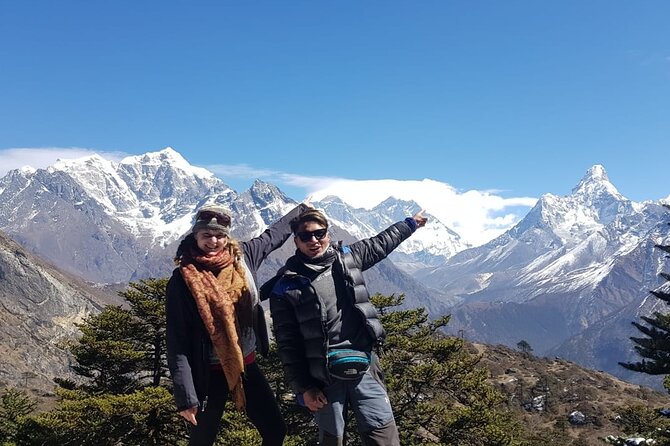
Day 4 is trekking from Namche to Pangbuche (spelled Pangboche/Pangbuche in different places) for about 5 hours.
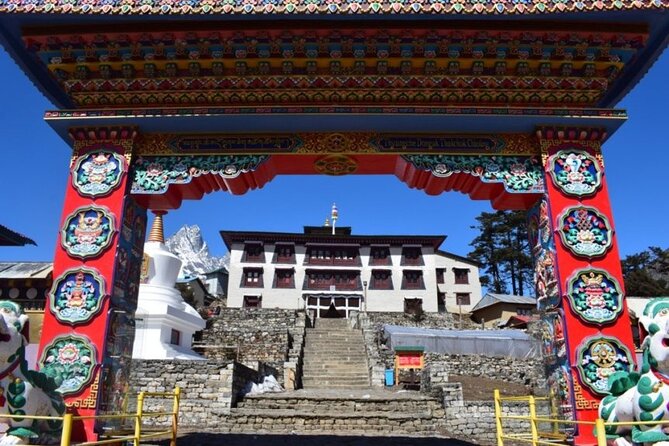
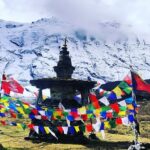
Pangboche is known here for its Sherpa village feel and Buddhist monastery presence—features that are called out as part of what makes this trek so well-loved. This is one of the reasons EBC treks aren’t only about photos. You’re walking through living communities, not just scenery.
How to use this day well: slow down on the cultural stops. Ask permission before taking photos or doing anything local (the experience data specifically encourages this). If you’re curious about daily life—food, livelihoods, how they manage winter cold—this is where your guide’s local knowledge actually matters.
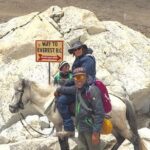
Fitness reality check: “non-technical trek” is the key phrase. The data says it doesn’t require crampons, ropes, oxygen cylinders, and technical equipment. That’s reassuring. Still, you’ll be hiking on rugged terrain at altitude, so poles and steady steps can be more helpful than speed.
Pangboche to Lobuche/Labuche (Day 5): moving toward the high-country
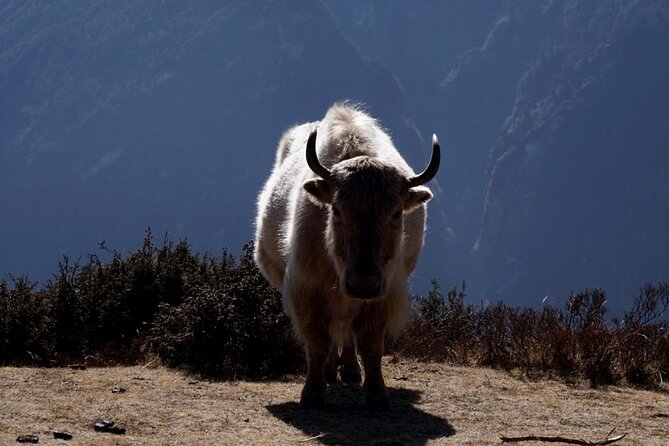
Day 5 is Pangboche to Labuche (Lobuche), about 5 hours.
This leg typically feels more severe as you transition further into the Everest-region high country. Even when the walking time is similar to other days, the terrain and surroundings can make it feel sharper.
What you’ll likely feel: colder air, drier breathing, and more “wind awareness.” The route is designed so you’re not sprinting between checkpoints, but each day still asks you to keep moving.
A practical note from the supplied program info: the day includes structured meals and rest. Lunch is generally around 12–1 pm with about a 40-minute duration, then you walk another 2–3 hours to reach your trekking lodge.
That matters because on high-altitude days, hunger and hydration can hit you faster than you expect. Staying regular helps.
Toward Gorakshep and Base Camp (Day 6): the Everest payoff
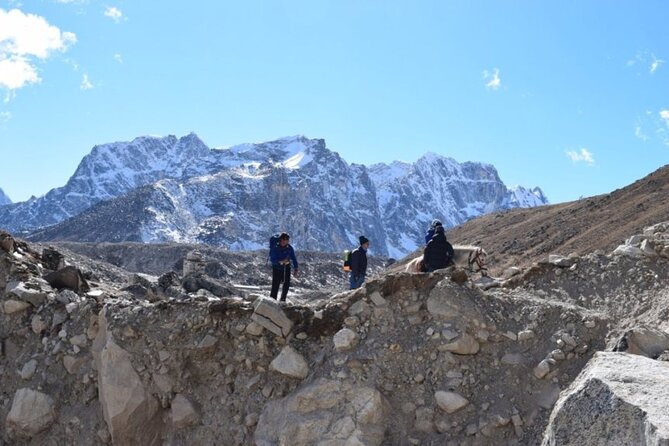
Day 6 is Labuche to Gorakshep/base camp/Gorakshep (listed as base camp and Gorak shep in the data) for about 5 hours.
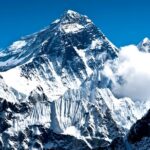
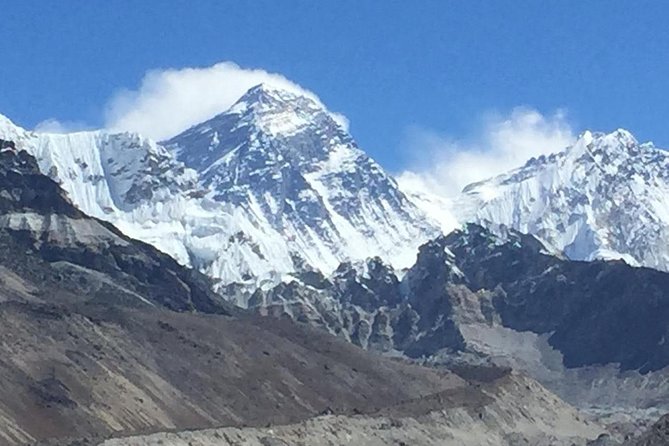
This is the part most people remember for the rest of their lives. The trek is marketed as reaching face-to-face views with Everest, and this day is built around the final approach zone before you get the closest look at the Base Camp area.
Here’s how to handle the day emotionally: plan for a “small stress” level. Even when you’re excited, the physical effort and cold can create cranky moods. This is where the guide-led structure helps—morning tea, breakfast timing, meal planning, and nightly briefings so you know what comes next.
Also: the data notes warm down jackets and sleeping bags can be provided if you don’t have your own. That’s meaningful for this part of the route, because cold at altitude can wreck comfort even if you can physically hike the distance.
Heading back toward Namche and Lukla (Days 7–9 as listed): don’t treat the descent like recovery
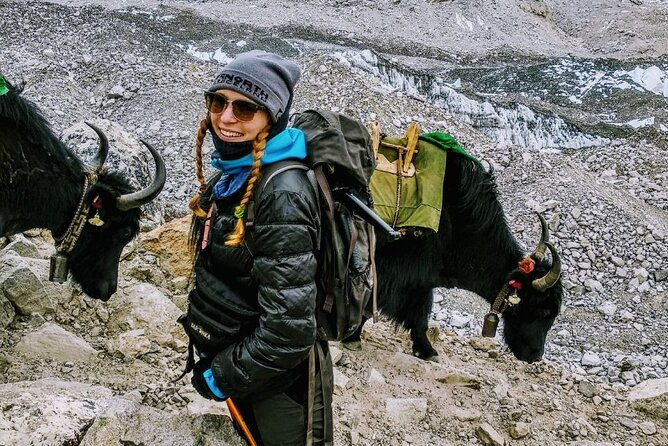
The itinerary then shows a move from Pangboche back to Namche (Day 7, about 4 hours), then trekking from Namche to Lukla (Day 9, about 5 hours), plus a flight back to Kathmandu.
I know the pattern: people assume the return is “easier.” It is, in altitude terms, but your knees and feet still take hits. The down days can be tougher on the body than you expect.
So keep hiking-smart habits: short steps, use poles if you like them, and let the guide steer the pace. The trek’s design language—no risk of getting lost, not rushing, going at your own pace—should be just as useful on the return.
Where your time goes each day: wake, walk, eat, settle
The provided day-to-day rhythm is very specific, and it’s one of the strengths of this trek package.
You’re typically greeted around 6 am with wake-up tea. Breakfast is usually served around 7 am. Then there’s warm-up and stretching for about 5 minutes, followed by walking with short rests, until you reach lunch around 12–1 pm.
Lunch is quick and functional, about 40 minutes, followed by 2–3 more hours of walking to reach your lodge. Dinner is also part of the structure, with orders set before 5 pm and meals taken together as a team.
After dinner, the guide briefs you for the next day, and there’s time to visit local Sherpa settlements to learn about culture and lifestyle. That’s a great use of the evening because it turns “waiting for daylight” into something meaningful.
Lodging and bathrooms: basic, workable, don’t expect hotel comfort
Accommodation is included at trekking lodges during the trek, on a twin-sharing basis. For single travelers, a single supplement can be provided (noted as available).
In the mountains, the data is clear: don’t expect Kathmandu-style standards. Rooms are basic, with warm blankets, pillows, and comfortable mattresses, and attached bathrooms may not exist everywhere. The program also mentions you might have to share bathrooms at higher altitudes because attached bath facilities are limited.
If you care about comfort, aim to bring a good sleeping system and plan to protect yourself from cold nights. That’s also why having the recommended sleeping bag (or getting one through the company) matters.
Meals on the trail: included, varied, but keep it sensible
Most meals are included (breakfast, lunch, dinner) during the trekking portion, described as a full-board basis. You’ll eat in the same tea house/lodge where you stay, and you typically order from the lodge menu.
The menu options listed are broad: dal bhat, soups, handmade bread items, rice dishes, spaghetti, eggs, potatoes, even apple pie. In practice, the best approach at altitude is simple: choose filling meals that agree with you and avoid risky food choices.
The data includes a health note: meat items aren’t recommended in the Everest region for hygiene reasons. So if you’re tempted by non-veg while high up, it’s worth choosing safer, more standard trekking foods like dal bhat, vegetable dishes, and soups.
Hydration is also handled in the plan. Water is available everywhere, but you’re expected to use purification tablets (included) for safe drinking water. Tap water is mentioned as an option for free, but purification tablets are still required.
They also advise bringing a separate proper bottle for hot water because cold water may not fit well at higher altitudes due to how cold it can be.
Altitude safety and gear: what you need, what you don’t
This trek is described as a non-technical experience. It doesn’t require crampons, ropes, oxygen cylinders, or other climbing gear. That means the challenge is hiking plus altitude, not mountaineering skills.
Still, it’s not “easy.” The program emphasizes moderate fitness and the ability to hike around 3–5 hours a day. If you train for stairs, walking, jogging, cycling, and gym time, you’ll feel better. They specifically suggest pre-training to make the trek easier.
Gear guidance is detailed, and you can use it to build a smart kit without overspending:
- Head and face: sun hat, warm hat, scarf, sunglasses, sunscreen SPF 40+
- Visibility and night safety: a headlight
- Hands: lightweight gloves and warm gloves
- Clothing layers: fleece, down/fiber jacket, poncho/rain jacket
- Footwear: proper trekking boots plus multiple sock pairs
- Trekking support: walking poles if you want them
- Cold sleep protection: thick sleeping bag (or rental provided)
- Health items: first aid kit, Diamox (acetazolamide) listed, and essentials like moleskin, antiseptic cream, paracetamol
One extra practical note: you’ll want a day backpack over 30 L, plus pack covers and a thermal bottle. It helps keep your warm water and supplies usable in cold mornings.
Guides and the human factor: why this team style matters
The best part of any Everest trek isn’t the map. It’s the person keeping you steady on the hard days. In the past EBC-related experiences shared with this company, the owner Dil is repeatedly mentioned as responsive during planning, and guide names come up like Sujal, Samir, Krishna, and Hairy. There are also Sherpa/porters named Manish (appearing across multiple treks).
You should take that as a signal of what kind of support you’ll get: people with local knowledge who handle the flow of meals, flights, and day planning. The program also states you’ll have one porter for luggage and one porter for every two trekkers, with luggage not supposed to exceed 18 kg per person.
If you’re traveling with sensitive knees or heavy bags, that porter structure can be a big upgrade to your daily comfort. Just remember: even with a porter, you’ll still hike with your day pack.
Responsible tourism: small rules that make a difference
This trek package explicitly includes responsible tourism behavior: respect local people and laws, ask guides for permission before doing things in the community, and help keep the route clean by disposing of rubbish properly.
It sounds basic, but on Everest routes it becomes real. You’ll pass monasteries, settlements, and tea houses where “how you act” affects how welcome you feel.
Who should book this EBC trek, and who should consider another option
This one fits you best if:
- You’re moderately fit and can hike 3–5 hours per day.
- You want a guided plan that helps with safety and pacing.
- You prefer value in logistics: permits, lodges, most meals, and Lukla flights handled.
- You enjoy Sherpa culture and monasteries, not just mountain views.
You might think twice if:
- You hate flight uncertainty and want rigid timing.
- You expect hotel-level comforts in the mountains (this is basic trekking lodge living).
- You’re extremely sensitive to cold nights and don’t want to pack/layer for altitude conditions.
Should you book Alpine Ramble’s Everest Base Camp trek for 2025/2026?
I’d book it if you want the classic Everest Base Camp route with Lukla flights included, a licensed guide, and a structured day plan that keeps you from guessing. The real value here is the mix of safety-minded guiding plus the “hard parts already arranged” feeling—permits, meals, lodge stays, and water purification support.
Before you commit, do two quick reality checks: make sure your fitness can handle daily hiking at altitude, and decide in advance that flexibility is part of the deal when flights and weather don’t cooperate.
If that matches your travel style, this is the kind of trek that pays off fast—on day one, then again when you start seeing Everest up close.
FAQ
Are domestic flights to and from Lukla included?
Yes. Domestic flights from Kathmandu/Manthali to Lukla and return are included, and you’re also transferred by private transportation in Kathmandu.
What’s included in the trip besides hiking?
You get trekking lodge accommodation during the trek, most meals on a full-board basis, permits including TIMS and Everest National Park fees, water purification tablets, and a government-licensed English-speaking local guide. Private transportation and an air-conditioned vehicle are included as well.
Is this trek private or group-based?
It’s a private tour/activity, so only your group participates.
How fit do you need to be?
The trek is described as moderate. It’s not technical climbing, but you should be able to hike about 3–5 hours a day and handle high altitude and rugged terrain.
Do I need travel documents like a passport and visa?
Yes. You need a valid passport with at least 6 months validity. Nepalese visas can be obtained from an immigration office or consulate in your country or on arrival in Kathmandu Airport.
What gear and health items should I bring?
You’re given a long equipment list, including items like sunscreen SPF 40+, warm layers, proper trekking boots, a headlight, and a thick sleeping bag. The company states it can provide warm down jackets and sleeping bags if you don’t have your own, and it also lists health items like Diamox, moleskin, and basic first-aid items.