REVIEW · KATHMANDU
Everest Base Camp Trek
Book on Viator →Operated by Himalayan Leisure, Inc. · Bookable on Viator
Lukla is the warm-up you never forget. This Everest Base Camp trek is interesting for one reason above all: it moves you from city life to the high Khumbu fast, without making you juggle logistics. I love how the Lukla flight keeps things efficient, and I also love that porters carry your gear while your guide handles the details. One consideration: this is still serious altitude trekking with steep days, so you’ll want moderate fitness and a mindset for possible flight weather delays.
The trip runs as a private small group with an English-speaking, licensed guide, plus Sherpa helpers for the portering. If you’re the type who likes clear structure (permits, TIMS registration, first aid kit, meals), you’ll probably feel relaxed from day one. And yes, you’ll land at Lukla, follow the classic route toward Everest’s world, and chase big views like Kalatthar—early enough to make the climb worth it.
In This Review
- Quick hits
- Kathmandu Arrival: temples, paperwork, and getting set up
- Day 2 to Phakding: the Lukla transition and why it matters
- Days 3–5 from Monjo to Kyanjuma: pine forests, bridges, and the first real climb feel
- Pangboche and Sherpa culture on day 6: more than a viewpoint
- Two acclimatization boosts: Nagarkhang Peak and the Dughla-area approach
- Glaciers and low-oxygen walking on day 9: where effort tightens
- Kalapatthar at sunrise on day 10: the payoff climb
- Passing Tengboche and returning via Kyanjuma on days 11–12
- Fly back from Lukla to Kathmandu on day 13, then buffer day 14
- Price and Logistics: what $1,408 buys (and what it doesn’t)
- Small-group feel, guide quality, and why names you’ve heard matter
- Who this Everest Base Camp trek is best for
- Should you book this Everest Base Camp Trek?
- FAQ
- How long is the Everest Base Camp trek?
- Where does the tour start in Nepal?
- What trekking permits are included?
- Is gear provided for cold weather?
- Are meals and accommodation included?
- What about delays or cancellations from Lukla weather?
- What’s the cancellation policy for a full refund?
Quick hits
- Lukla airport day: a 30-minute flight that changes your whole pace right away
- Porter-supported trekking: your guide organizes, porters carry your gear
- Acclimatization built in: rest days with options like Khumjung and Thame
- Kalapatthar sunrise push: an early climb to one of the Khumbu’s top viewpoints
- Permits and TIMS handled: Everest National Park entry and TIMS registration included
- Down jacket and sleeping bag provided: less gear stress before you go
Kathmandu Arrival: temples, paperwork, and getting set up
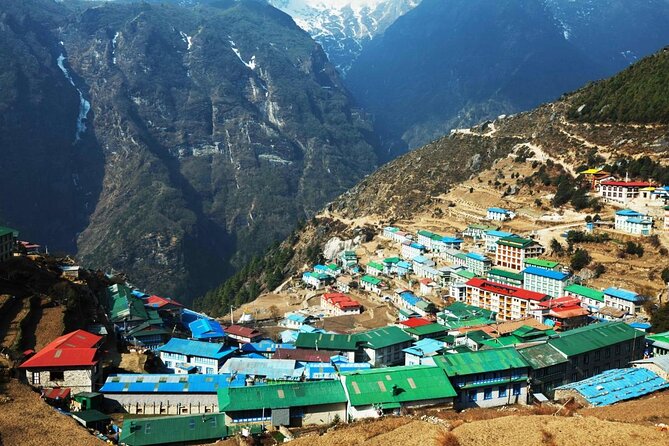
Day 1 is all about landing in Nepal and getting your bearings in Kathmandu. You’re met with an airport representative holding your name card, then transferred to your hotel. That part matters more than it sounds—EBC trips fail when people scramble for SIM cards, money, or transit after a flight. Here, the first handhold is taken care of.
You’ll also be dealing with the trip’s official stuff early. This tour includes Everest National Park entry and TIMS registration, and it covers the necessary paper works and local taxes. That means you’re not stuck trying to track down documents while also prepping your bags for high altitude.
One more small detail I like: pickup and drop are included by private vehicle both before and after the trek. You don’t want to be negotiating rides on the wrong day after a long climb.
You can also read our reviews of more tours and experiences in Kathmandu.
Day 2 to Phakding: the Lukla transition and why it matters
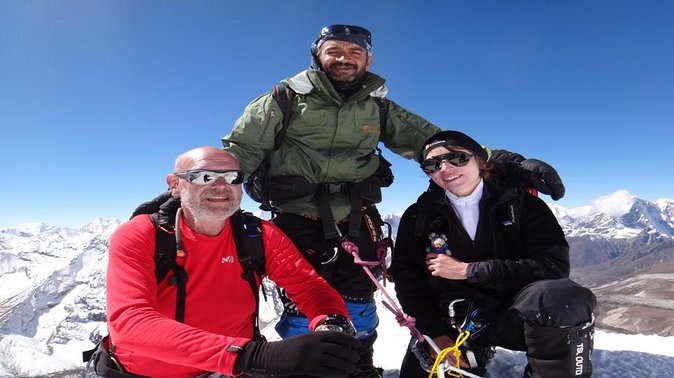
On day 2, you take a short flight to Lukla (about 30 minutes). It’s described as one of the most adventurous flights—and you’ll feel that the minute the aircraft noses into the valley. After you land, the trek begins toward Phakding, and the first walking days are about building rhythm. You get views along the way, and the route starts with gentle climbing.
This is where the trip’s “go at your own pace” promise shows up. The goal isn’t to prove toughness on day 2. The goal is to keep steady effort while the body starts adapting to thicker effort and thinner air.
If you want to squeeze extra value from the flight, there’s a practical tip: choose the right side of the airplane if you can, for better views. That’s not a guarantee, but it’s the kind of small, real-world advice that helps.
Days 3–5 from Monjo to Kyanjuma: pine forests, bridges, and the first real climb feel
Day 3 brings you along the classic path: gentle ascending, a stop around Monjo, then lunch in Jorsalle, and continuing through pine forests to Hilary Bridge. After you cross, the trail trends into steeper terrain. This is your first hint that Everest isn’t a single destination—it’s a chain of “work” you do one day at a time.
Day 4 is a rest and acclimatization day. The key idea is that you don’t just stop; you hike options. Your leader offers choices like Khumjung and Khunde hikes, an Everest View Hotel hike, Thame hikes, or another National Park option. I like acclimatization days that give options because bodies differ. Some people bounce back easily; others need a shorter outing.
Day 5 moves upward toward the national park headquarters area, then follows a gentle trail to Kyanjuma. You might take a short tea break before descending to Phungi Thanga for lunch. Then there’s a river crossing over the Dudh Koshi area. These are the kinds of logistics that can slow a trek down if you’re on your own—but here your guide keeps the flow.
Practical note: the included pace and guiding structure is a big value point. When you don’t have to plan stops, ticket timings, and daily routes, you conserve energy for the actual walking.
Pangboche and Sherpa culture on day 6: more than a viewpoint
Day 6 walks you along the Imja Khola toward Pangboche (around 3,930 meters). Pangboche is described as home to renowned Everest climbers, and the village is tied to Sherpa culture. That’s the part I appreciate most about the Khumbu route: it’s not just scenery. It’s people living in a place shaped by mountains.
You’ll likely notice how villages feel “practical” rather than tourist-polished. And the views aren’t background noise. They’re part of how you understand where you are—valleys, peaks, and the way the trail threads through.
This is also where you start to feel the altitude more often. Not every day is extreme, but you’re getting higher, and your body will ask for calmer effort.
Two acclimatization boosts: Nagarkhang Peak and the Dughla-area approach
Day 7 is your second rest and acclimatization day. You hike to Nagarkhang Peak (around 5,000 meters). The point isn’t that you need to summit something heroic. It’s that you get a taste of altitude while still having a built-in recovery day.
Day 8 pushes you closer to the Everest Base Camp area. You follow a ridge above Pheriche until you reach Dughla, then stop for lunch before starting steep climbing to the Dughla pass area. This is a step-change day. You’re not just walking; you’re managing effort on a route that demands attention.
If you’re prone to going out too hard early, this is the moment to slow down and listen to your body. The guide is there to help manage pace. And with porters carrying your gear, you can focus on breathing and foot placement.
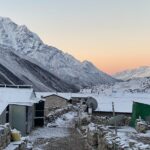
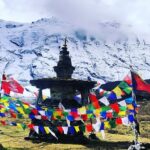
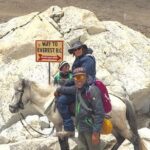
Glaciers and low-oxygen walking on day 9: where effort tightens
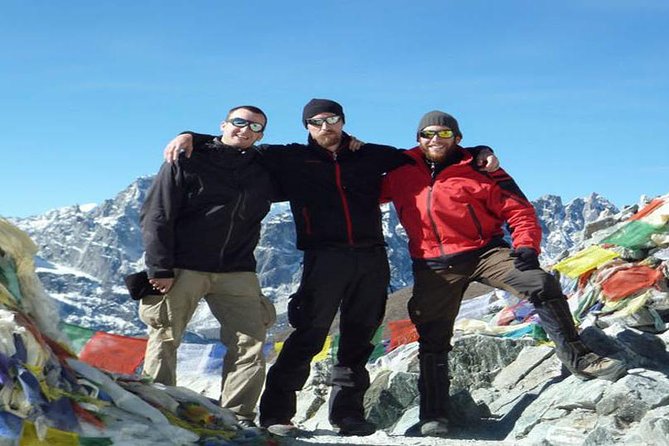
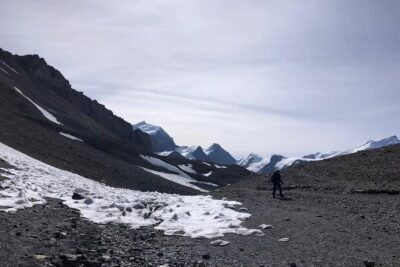
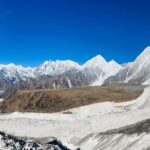
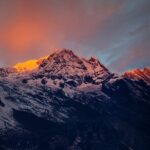
Day 9 is described as a turning point. The early parts include glacier walking that can feel more “easy” before things get harder. Once you start ascending over glaciers, the trail becomes more difficult and low oxygen starts to matter more.
This is the kind of day where experience and planning count. Having a strong guide and prepared support helps you keep moving safely. The route also gives you glimpses of the Everest region that make you understand why people say this trek changes them.
One practical reminder: even when a day feels manageable, your breathing may get more work than usual. Don’t chase speed. Keep it consistent.
Kalapatthar at sunrise on day 10: the payoff climb
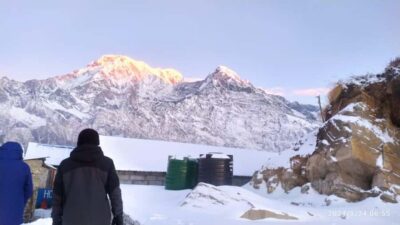
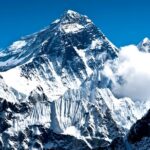
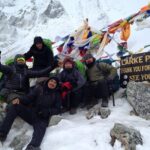
Day 10 starts with an early wake-up for the hike to Kalapatthar before sunrise. This climb is labeled difficult, but it’s presented as absolutely worth it. Kalapatthar is known as a famous viewpoint of the Khumbu valley, with towering Himalayan peaks in view.
This is where the trek earns its emotional payoff. You’ve spent days moving through valleys and altitude bands. Now you’re switching to a “see everything” mode.
Go early for the simple reason that the viewpoint is at its best when light arrives. The trek gives you a schedule designed to make that happen, not just hope for luck.
Passing Tengboche and returning via Kyanjuma on days 11–12
On day 11, you pass through Debuche and Tengboche, then descend steeply to Phungi Tenga for lunch on the Dudhkoshi River. After that, you start ascending back toward Kyanjuma. This mix of down and up is typical for the return leg—and it can catch you off guard if you think “we’re already done.”
Day 12 is where legs may start to feel heavy, but the route also feels familiar. You take a steep descent to Jorsalle, continue to Phakding for lunch and/or breakfast, and then work toward Lukla. The pace shifts from summit-focus back to travel-focus.
This is also the moment you’ll notice how much the gear system helps. You’re not carrying everything, and you’re using included accommodation and meal planning. That reduces daily decision fatigue.
Fly back from Lukla to Kathmandu on day 13, then buffer day 14
Day 13 is a flight back to Kathmandu. Lukla flights are described as adventurous, and there’s that practical note about choosing the right-side seat for views if possible. Then you’re back in Kathmandu and transition into city life again.
Day 14 is smart: you get a free day in Kathmandu because Lukla flights often face weather issues and delays. This tour uses that extra day to handle uncertainty rather than punishing you with rushed schedules.
Day 15 wraps with a private vehicle drive to the airport about 3 hours before flight time. That’s exactly the kind of timing you want after a high-altitude trek and a weather-affected flight leg.
Price and Logistics: what $1,408 buys (and what it doesn’t)
At $1,408 per person, the value here comes from what’s packaged. You get Kathmandu↔Lukla↔Kathmandu domestic airline tickets, and importantly those tickets include the guide. You also get the Everest National Park entry permit and TIMS registration, plus government-licensed guide support and strong Sherpa helpers with meals, accommodation, salary, and insurance.
You also get a big gear bundle: a down jacket, a four-season sleeping bag, and a duffel bag. The duffel bag is described as something you return after the trip is done. That’s a real cost saver if you don’t already own cold-weather layering and proper insulation.
What’s not included matters:
- International airfare and Nepal visa fees
- Travel and medical insurance, and emergency evacuation
- Personal expenses like bars and beverage bills, hot shower, telephone, laundry, and snacks
- Any costs caused by events beyond control
In plain terms: if you already have high-quality trekking insulation and you’re planning to buy your own permits and book your domestic flights, you could assemble a trip cheaper. But if you want a guided, managed program where the heavy lifting is handled—permits, schedule, meals, gear, and porter support—this price starts to look more reasonable.
Small-group feel, guide quality, and why names you’ve heard matter
This is a private small group experience. That’s good for pacing and decision-making. If your group is over 6 people, the program includes an assistant trekking guide (with meals, accommodation, salary, and insurance). So you shouldn’t feel like you’re just one number in a big caravan.
The guides connected with this company have strong track records in customer feedback, including names like Lok, Khila, Upendra, Birendra, Ossman, Hari, and Lal. Since you won’t control who you get, I treat these names as a signal: this operator invests in guiding quality, and people notice.
Also, there’s a comprehensive first aid medical kit carried by the guide. That doesn’t remove risk, but it helps you feel supported when the unexpected happens.
Who this Everest Base Camp trek is best for
This trek suits you if you:
- Want a guided route with porters and a clear pace
- Prefer acclimatization days with optional hikes rather than forced hero days
- Like mountains and Sherpa culture, not just photos
- Can handle long walking days and steep sections at altitude
It may not be ideal if you want full independence day to day, or if you’re not comfortable with the idea that Lukla weather can shift plans. The program includes a weather buffer day in Kathmandu, which helps, but it doesn’t erase altitude reality.
Should you book this Everest Base Camp Trek?
If your goal is a well-run Everest Base Camp trek with less logistics stress, I think this is a strong choice. The standout value is the combination of domestic flights, permits/TIMS, licensed guiding, porter support, and the cold-weather gear bundle. For many people, that’s the difference between a trip that feels controlled and one that feels like a scavenger hunt.
Book it if you’re ready for altitude work and you appreciate structure. Skip it (or ask more questions before committing) if you need a perfectly flexible schedule, or if you don’t have the fitness base for steep, low-oxygen sections.
If you do book, pack smart and use the acclimatization days. You’ll enjoy the views more when you’re not spending the hike fighting your own pace.
FAQ
How long is the Everest Base Camp trek?
The trek runs about 15 days.
Where does the tour start in Nepal?
The experience starts in Kathmandu, Nepal, with airport pickup and a transfer to your hotel on arrival.
What trekking permits are included?
The tour includes the Everest National Park Entry Permit and TIMS registration (Trekkers Information Management System).
Is gear provided for cold weather?
Yes. You receive a down jacket, a four-season sleeping bag, and a duffel bag. The duffel bag is to be returned after the trip.
Are meals and accommodation included?
Yes. Accommodation is included, and meals are included throughout the trek (breakfast 14 times, lunch 11 times, and dinner 12 times). The program also states strong Sherpa helpers with meals and accommodation.
What about delays or cancellations from Lukla weather?
There’s a free day in Kathmandu on day 14 used for potential flight problems, since Lukla flights can face weather issues and delays. If the experience is canceled due to poor weather, you’ll be offered a different date or a full refund.
What’s the cancellation policy for a full refund?
You can cancel up to 6 days in advance for a full refund. For a full refund, you must cancel at least 6 full days before the experience’s start time.