REVIEW · KATHMANDU
Everest Base Camp Trek
Book on Viator →Operated by Mosaic Adventure · Bookable on Viator
That first step in Lukla matters.
This Everest Base Camp trek is the real deal: early starts, high-altitude days, and classic Sherpa towns where you’ll feel the rhythm of the Himalaya. I like the fact that it’s built for fit trekkers who want a guided, confidence-boosting route—without you juggling permits and logistics alone.
Two things I really like: round-trip flights to Lukla are included, and on the trek you get accommodation and meals plus trekking permits arranged for you. I also appreciate the small-group feel (max 12 people), because it makes support easier when altitude gets cranky.
One consideration: this route is physically demanding and aimed at travelers with strong fitness for high-altitude trekking. If you’re not truly ready for long uphill days and thinner air, you’ll feel it—fast.
In This Review
- Key Points You’ll Actually Care About
- Lukla Flights: The Gate You Can’t Skip
- Kathmandu Setup and the Real Meaning of “Pickup Offered”
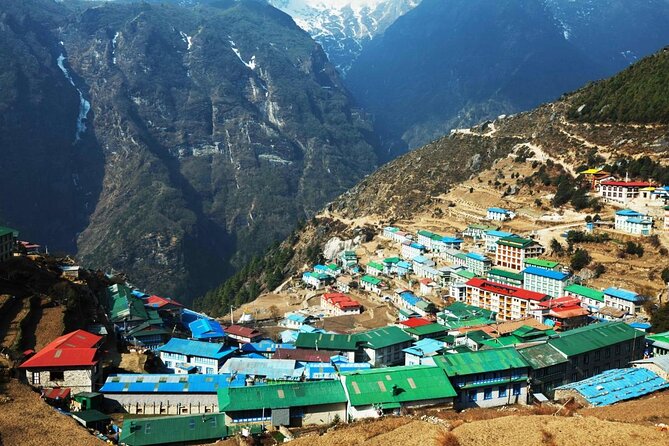
- The Walking Rhythm: Phakding to Namche Bazaar
- Tip that pays off
- Acclimatization at Namche: Everest View Hotel and a Smarter Pace
- Monastery Day and the Climb Toward Dingboche
- Lobuche, Gorakshep, and Reaching Everest Base Camp
- Kalapatthar Views and the Trek Back Down to Pheriche
- Retracing the Trail: Namche and Lukla in Reverse
- Price and Value: What $1,445 Actually Covers
- Guides and Support: Why Mosaic’s People Get Named
- Weather Runs, But You Still Need to Dress Like an Adult
- Who Should Book This Trek (and Who Should Rethink It)
- Should You Book This Everest Base Camp Trek with Mosaic Adventure?
- FAQ
- What’s the duration of the Everest Base Camp trek?
- Are flights between Kathmandu and Lukla included?
- What’s included for meals and accommodation?
- Are trekking permits included?
- How many people are in a group?
- What time does the experience start?
- What do I need to provide when booking?
- Is travel insurance included, and what about porters or tipping?
- FAQ
- What’s the cancellation refund timeline?
- Does it run in bad weather?
- Can I request a dietary option?
Key Points You’ll Actually Care About
- Kathmandu to Lukla flights included (round trip): no last-minute scrambling for transportation.
- Permits handled for you: less paperwork stress before you even start hiking.
- Meals and trek accommodation included: your daily budget stays calmer while you’re walking high.
- Acclimatization built in: Namche + Dingboche slow-down days help you adjust before pushing higher.
- Guides with strong reputations: people like Nima, Manoj, Madan, and Pralhad get repeatedly praised for support and problem-solving.
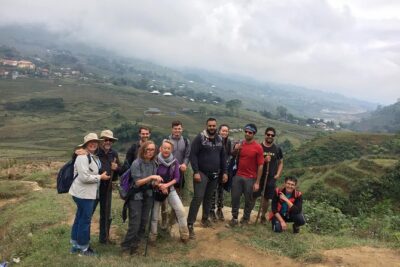
- Small group size (up to 12): easier pacing and more hands-on guidance.
Lukla Flights: The Gate You Can’t Skip
The whole Everest Base Camp experience starts with a flight that feels like a handshake with the mountains. You fly from Kathmandu to Lukla and then (later) back again, and having those round-trip flights included matters more than it sounds. Lukla flights can be a big variable in Nepal planning, and bundling it into your trek package keeps your mental load lower when you’re trying to focus on acclimatizing and walking.
Also, the trek begins with a 5:15 am start time, so you’ll want to treat day one like a mission, not a vacation morning. If you’re used to sleeping in, this trek will politely cure that habit.
You can also read our reviews of more tours and experiences in Kathmandu.
Kathmandu Setup and the Real Meaning of “Pickup Offered”
You’re based in Kathmandu, which is where you’ll handle the pre-trek pieces: passport details, confirmation, and any dietary notes. The tour notes that pickup is offered, and you’ll have a mobile ticket, which usually makes check-in and coordination simpler than older-school paper approaches.
The practical win here: you’re not trying to organize multiple vendors for transport, trekking paperwork, and the first-day flow. Instead, you’re funneling everything through one operator—Mosaic Adventure—so the handoffs are smoother.
The Walking Rhythm: Phakding to Namche Bazaar
Your first hiking day moves you from Lukla toward Phakding, with about 3.5 hours of walking after landing. It’s a gentle start by Everest Base Camp standards—enough time to wake up your legs without burning them.
Day 2 is where the trek starts to feel like a trek. The walk to Namche Bazaar includes rough, rocky terrain with mostly uphill walking, and it clocks in at about 8 hours. That’s not a small detail. On the EBC route, long uphill days early can sap your pace if you go out too hot.
What you’ll like about arriving in Namche is that it’s a real hub—tea house life, gear shops, and people moving with purpose. You’ll feel the altitude in the background and the bustle in the foreground.
Tip that pays off
If you’re new to altitude trekking, keep your pace slow enough that you can breathe through it. You want to save your energy for later days when the climbs get steeper and your breathing gets louder.
Acclimatization at Namche: Everest View Hotel and a Smarter Pace
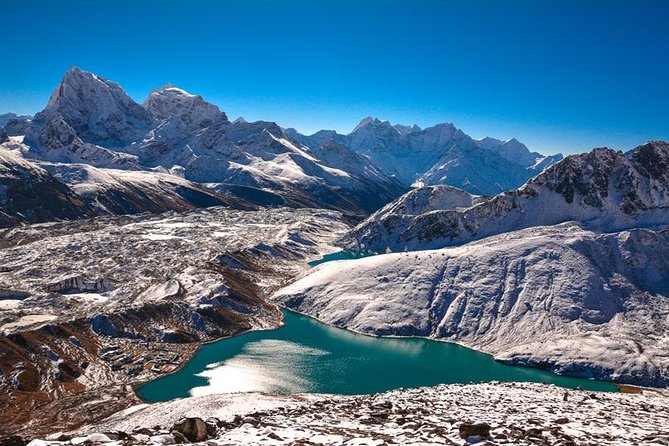
After pushing to Namche, you get an acclimatization day. That’s not just a “rest day.” It’s a chance to help your body adjust before you go higher.
You’ll do a Namche area outing that includes the Everest View Hotel, plus additional time around town. The value of this setup is simple: you gain elevation gradually and learn how your body responds while you’re still in a place with services, food, and familiar routines.
This is also where guided structure helps. Going too fast during acclimatization is the classic mistake—because the views are tempting and the group energy can run ahead of your body.
From the feedback I see, one reason guides earn trust on this trek is how they support the pacing and decision-making. Names like Madan and Manoj come up repeatedly for being encouraging and safety-focused—especially when altitude doesn’t cooperate.
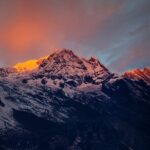
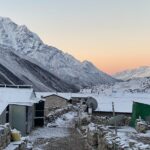
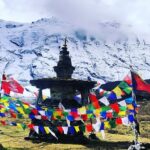
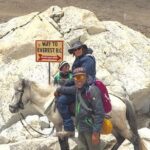
Monastery Day and the Climb Toward Dingboche
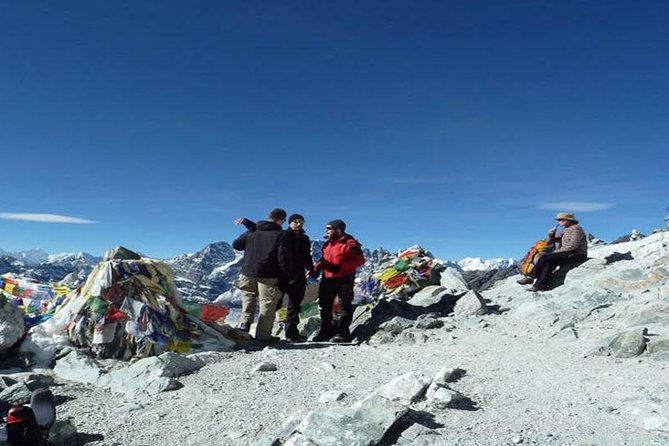
Your route includes a day trip to a monastery. It’s a nice change of pace from pure hiking mileage, and it gives you a cultural break while you’re still building altitude tolerance.
Then you head toward Dingboche, with another long day of trekking (about 8 hours noted). Dingboche is higher and more serious, so you’ll want to keep your effort steady rather than chasing speed.
Day 6 is another acclimatization block around Dingboche as altitude increases. The tour is built around the idea that you don’t just “reach” higher places—you adjust to them. That rhythm is one of the best ways to make it feel manageable instead of chaotic.
Lobuche, Gorakshep, and Reaching Everest Base Camp
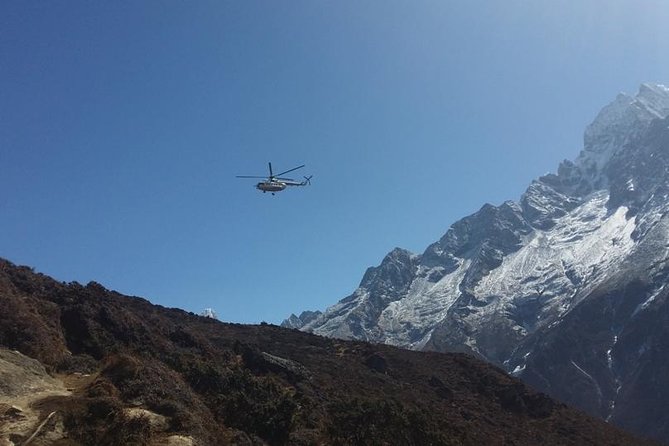
After Dingboche, you move to Lobuche. From there it’s toward the big target. This is the phase where the route feels both longer and more meaningful.
On your EBC push, you trek to Everest Base Camp and return to Gorakshep. That back-and-forth matters: it’s not only about reaching a point on a map. It’s also about handling fatigue while you’re high up and oxygen is scarce.
This is where the guide quality shows up. In the feedback, people talk about guides helping them stay safe, adjust when needed, and keep the day’s plan aligned with how everyone is coping. I’ve seen examples of guides stepping in to change the itinerary when altitude complications come up, which is exactly the kind of decision you want made quickly, not after things spiral.
Kalapatthar Views and the Trek Back Down to Pheriche
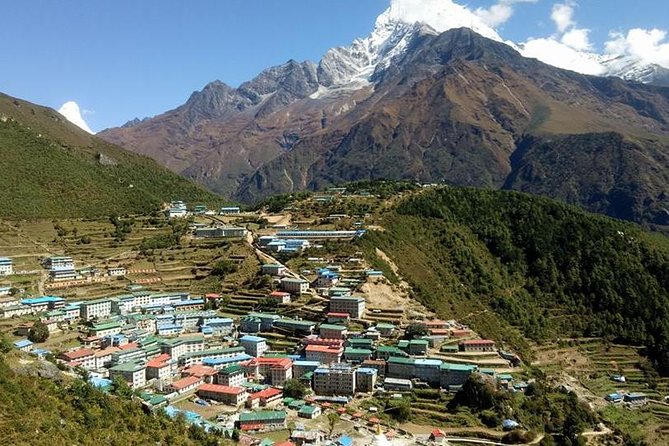
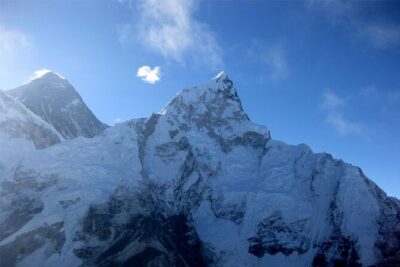
One of the signature moves in this itinerary is the hike to Kalapatthar, then trekking to Pheriche. Kalapatthar is known on the EBC route for giving trekkers some of the best vantage points for the Everest region, and the hike there is a payoff day.
But don’t mistake it for an “easy victory lap.” By the time you’re doing Kalapatthar, your body has already spent days adjusting to altitude. You’ll feel it in the legs and in your breathing.
Then you move to Pheriche, which is a key part of the descent logic. Going down isn’t just “leaving.” It’s regaining strength, stabilizing routine, and setting yourself up for the final days.
Retracing the Trail: Namche and Lukla in Reverse
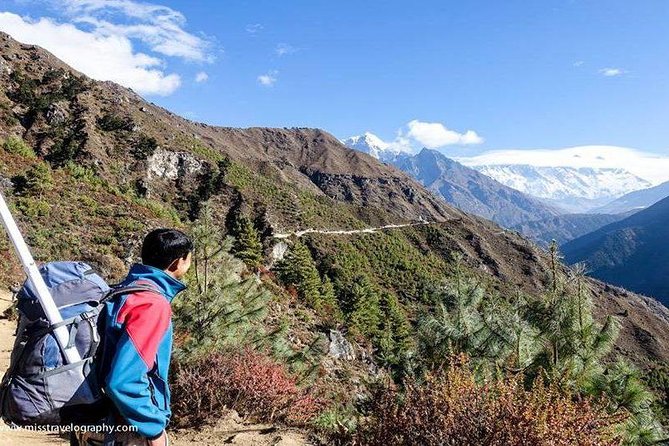
After Kalapatthar and Pheriche, you trek back to Namche Bazaar, retracing the trail. That’s often when trekkers get a strange combo of feelings: relief to descend, but also a little impatience because you’re returning along familiar terrain.
It’s still a long route. Plan to treat the return like a careful walk, not a sprint. Your feet and knees do most of the work here, and fatigue makes people careless.
Then it’s onward back to Lukla and the flight to Kathmandu. Day 12 includes a transfer to your hotel in Kathmandu after you return, which is a practical way to bring the trek to a close without turning your last day into a chaotic scavenger hunt.
Price and Value: What $1,445 Actually Covers
At $1,445 per person, you’re paying for the hard part: the planning, the high-altitude days, and the big logistical pieces that can be messy when you DIY it.
Here’s the value picture based on what’s included:
- Round-trip flights Kathmandu ⇄ Lukla
- Accommodation and meals on the trek
- Trekking permits arranged
- Lunch, dinner, and breakfast are included during the trek days listed
So what’s not included:
- Travel insurance
- Personal expenses
- Porter
- Tipping
This is where you should be honest with yourself. Many trekkers underestimate how quickly “extra” costs stack up when they’re paying separately for flights, permits, lodging, and meals. In this package, the daily trekking base is taken care of, which helps you keep your budget steady while you’re focused on altitude and pacing.
Also, the group size cap of 12 travelers can add value. Smaller groups don’t just feel nicer—they also give the guide and team a better chance to adjust pacing and support.
Guides and Support: Why Mosaic’s People Get Named
The strongest signal in the feedback is not just that the trek is beautiful. It’s that people feel supported throughout the entire journey—especially around the tricky parts like Lukla logistics and altitude decisions.
Common praise points include:
- Responsive, friendly organization from the start
- Support during crazy travel to and from Lukla
- Flexibility with accommodation and food
- Guides who encourage you daily and help you finish safely
- Altitude-aware changes when complications show up
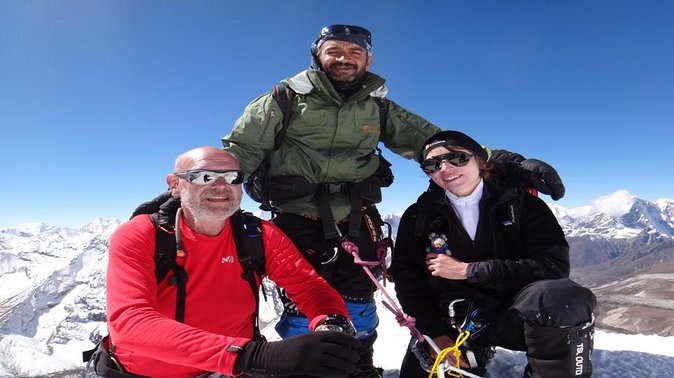
Guide names that show up a lot in the feedback include Nima, Madan, Manoj, Manu, Pralhad, Ngima, Ramesh, and Perna (along with other support staff). In one note, Manoj is described as literally saving someone by helping adjust plans when altitude issues appeared. Another mentions Pralhad leading with compassion, while others highlight Nima giving daily encouragement and ensuring safe arrival at base camp.
What you should take from this: on an EBC trek, the guide isn’t a “tour guide” in the city sense. They’re part route-planner, part safety coach, and part morale crew.
Weather Runs, But You Still Need to Dress Like an Adult
The tour says it operates in all weather conditions and to dress appropriately. That’s a big clue about expectations: you should assume you’ll be in cold air, wind, and possible wet conditions depending on the season.
If you’re planning this for when the mountains can be moody, don’t treat clothing like an afterthought. Layers and weather readiness aren’t optional on this route—they’re how you stay comfortable enough to keep walking steadily.
And yes, small delays or changes can happen in the real world. The bigger point is that the tour is set up to keep moving as conditions allow.
Who Should Book This Trek (and Who Should Rethink It)
This trek fits best if you:
- have strong physical fitness
- have prepared for high-altitude trekking
- want a guided route with permits, flights, and daily logistics handled
- like small-group dynamics (max 12)
You might want to rethink it if you:
- aren’t comfortable with long hiking days and uphill stretches
- dislike early mornings and structured schedules
- haven’t done any high-altitude prep and aren’t ready for the physical reality
Should You Book This Everest Base Camp Trek with Mosaic Adventure?
If you want an Everest Base Camp trek that’s organized enough to keep you calm—and supported enough to help you make smart altitude choices—this looks like a strong match. The included Lukla flights, plus meals, accommodation, and permits handled, are the kind of value that reduces stress on the days that matter most.
My decision rule: book it if you’re the kind of traveler who wants structure, likes small-group guidance, and has the fitness to handle high-altitude hiking. If you’re on the fence about fitness or altitude readiness, take that seriously. This trek rewards preparation, and the mountains don’t care about wishful thinking.
FAQ
What’s the duration of the Everest Base Camp trek?
It’s listed as 12 days (approx.).
Are flights between Kathmandu and Lukla included?
Yes. Round-trip flights from Kathmandu to Lukla are included.
What’s included for meals and accommodation?
Accommodation and meals on the trek are included, and the package lists breakfast (11), lunch (11), and dinner (11).
Are trekking permits included?
Yes. Trekking permits will be arranged for you.
How many people are in a group?
The tour has a maximum of 12 travelers, and it requires a minimum of 2 people per booking.
What time does the experience start?
The start time is 5:15 am.
What do I need to provide when booking?
You’ll need to provide passport name, number, expiry, and country for all participants.
Is travel insurance included, and what about porters or tipping?
No. Travel insurance, personal expenses, porter, and tipping are not included.
FAQ
What’s the cancellation refund timeline?
You can cancel up to 6 days in advance for a partial refund. Changes made less than 6 full days before the start won’t be accepted, and if you cancel less than 2 full days before, the amount paid won’t be refunded.
Does it run in bad weather?
It says the trek operates in all weather conditions, so you should dress appropriately.
Can I request a dietary option?
Yes. Advise any specific dietary requirements at the time of booking.