REVIEW · KATHMANDU
Annapurna Circuit Trek
Book on Viator →Operated by Himalayan Social Journey · Bookable on Viator
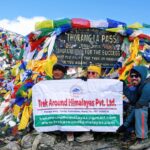
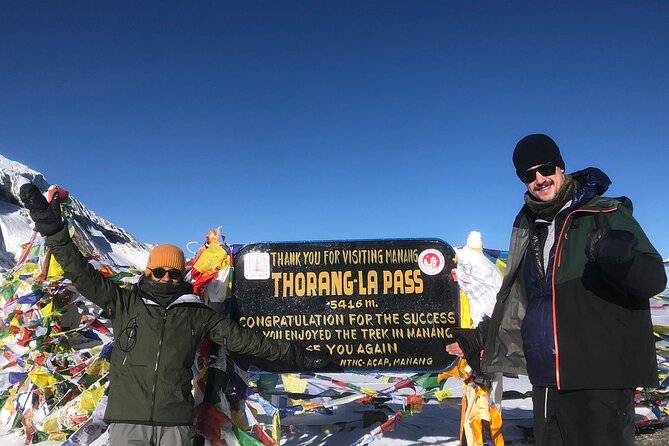
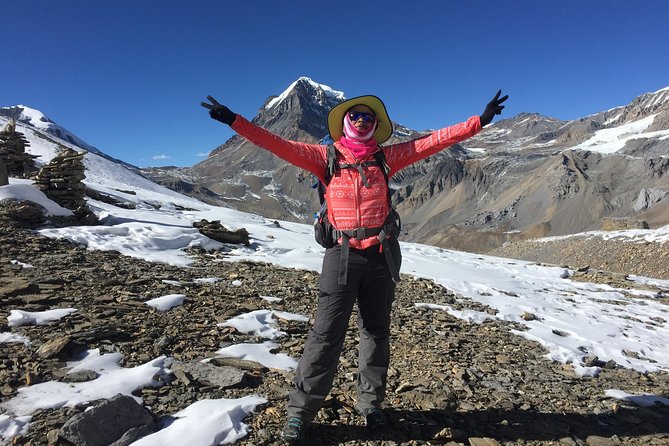
Thorang La is the big moment. This Annapurna Circuit Trek strings together real Nepal contrasts: Kathmandu’s famous temples, canyon trails along the Kali Gandaki, the high plateau feel of Manang, and the finish with a flight from Jomsom to Pokhara. I love how well-paced altitude is handled, without turning the route into a slow sightseeing bus tour.
I also like the practical structure of the trip—permits, TIMS, and guided sightseeing are handled for you, so you can focus on walking and acclimatizing. One thing to think about: lunch and dinner are not included on trekking days (and even in Kathmandu and Pokhara), and the lodges can be simple, with hot water depending on solar power.
In This Review
- Key highlights I’d pay attention to
- Why the Annapurna Circuit here feels like the whole region in one arc
- Kathmandu temples and a real orientation before you leave civilization
- From Beshishar corridor to the Kali Gandaki river: lower-trail realism
- Pisang to Manang: the views start doing the talking
- The big days: Ledar, High Camp, Thorang La Pass, then Muktinath
- Jomsom flight to Pokhara: recover like a pro
- What you pay for in real terms: $1,350 value check
- Physical reality: hours, distance, and how altitude is handled
- Lodges, bathrooms, water stations, and weather: the stuff that decides comfort
- Guides and porters: why the human setup matters on hard days
- Rooms and single supplement: a reality check
- Meals, tipping, and cash: small planning that prevents stress
- Should you book this Annapurna Circuit Trek?
- FAQ
- What does the $1,350 price include?
- Are airport transfers and flights included?
- Do I need a permit or TIMS?
- Is there an acclimatization day before crossing Thorang La Pass?
- How should I handle drinking water and altitude risk?
- What are the lodge rooms and hot shower situation like?
- What’s the cancellation window for a full refund?
Key highlights I’d pay attention to
- Manang acclimatization day to help your body adjust before Thorang La
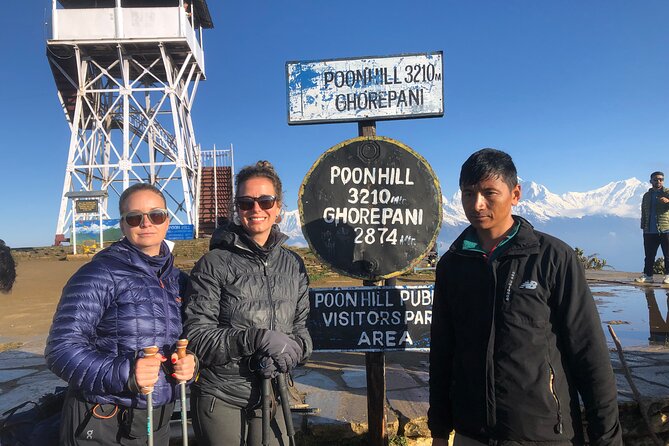
- Thorang La Pass to Muktinath: the crossing that gives this trek its reputation
- Flight Jomsom → Pokhara so you don’t have to retrace the entire final stretch on foot
- Small group structure (up to 15 travelers) with an English-speaking guide and porters
- Practical drink-water guidance (purification tablets or regulated pure-water stations, plus a 3-liter target)
Why the Annapurna Circuit here feels like the whole region in one arc
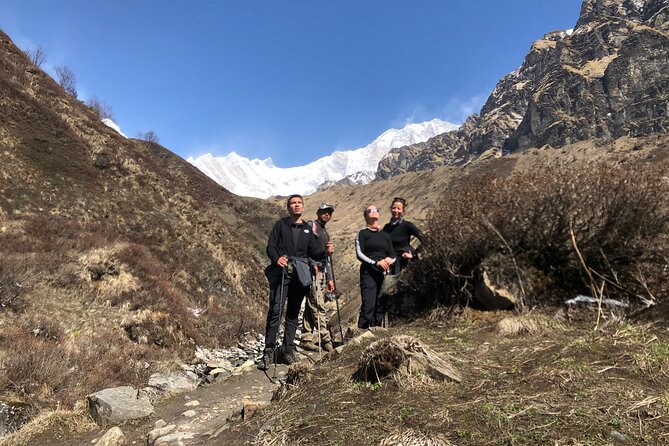
The Annapurna Circuit is famous because it changes. One day you’re walking through greener river valleys and villages; the next you’re dealing with higher, drier air and wide views that make you understand why people come back year after year. This itinerary keeps that sense of change—starting with a long drive from Kathmandu into the trekking corridor, then climbing step-by-step toward the Thorang La area.
You also get variety in how days are paced. Some are steady hiking days (think 5–7 hours), while others are shorter but steeper, like the rough push toward High Camp. If you like your trekking with clear objectives, this route gives you that.
You can also read our reviews of more tours and experiences in Kathmandu.
Kathmandu temples and a real orientation before you leave civilization
Day 1 is arrival time, airport pickup, and a welcome dinner. Day 2 is built for getting your bearings in the country’s spiritual rhythm: Boudhanath Stupa, Pashupatinath Temple, Patan Durbar Square, and Swayambhunath Temple.
This matters because Kathmandu isn’t just a place to sleep between flights. You’ll come into the trek with a better sense of what you’re seeing—Boudhanath for the big stupa atmosphere, Pashupatinath for the Hindu temple energy, Patan for historic Newar details, and Swayambhunath for its hillside viewpoint vibe.
On Day 1 (evening), you’ll also have an orientation at your Kathmandu hotel. That’s where you confirm expectations, meet your guide, and get ready for the trekking rhythm. It’s the calm before the legs start bargaining.
From Beshishar corridor to the Kali Gandaki river: lower-trail realism
After breakfast on Day 3, you drive toward Bhulbhule, then continue on to Nadi. The drive is long—about 7–8 hours—and the payoff is that it drops you into a river-and-valley world fast. Day 3 is basically your first taste of Nepal’s terrain: mountains, rivers, and lush jungle scenes from the bus windows.
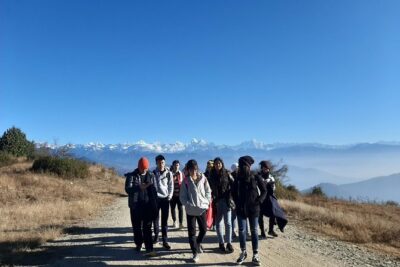
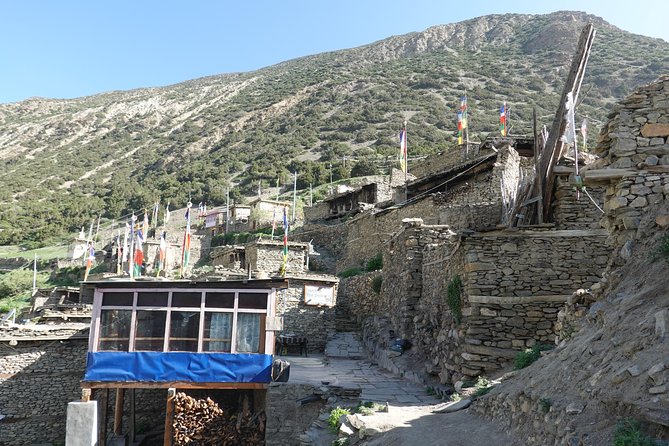
Day 4 shifts to walking toward Jagat. The trail passes through paddy and muddy fields, with green hills, snowcapped views, and waterfalls along the way. This is a good day to find your walking pace without yet feeling like you’re in a high-altitude challenge.
Day 5 continues the valley hiking, descending toward the Kali Gandaki river area. You’ll reach Tal, cross a suspension bridge, then climb to stone mani structures that mark the approach to Dharapani (1960m). Dharapani is a classic sort of stop—useful for breaking up the day and settling into a lodge routine.
Day 6 goes to Chame, the Manang district headquarters. You’ll pass Danaque, climb toward Timang, and then continue on to Chame. It’s a steady “gain elevation, feel the air change” day.
Practical note: these lower days are where you learn how your pack feels after a few hours. Take your time adjusting footwear, water habits, and snack timing. Your body pays attention to the small choices early.
Pisang to Manang: the views start doing the talking
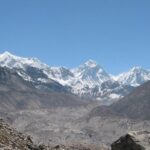
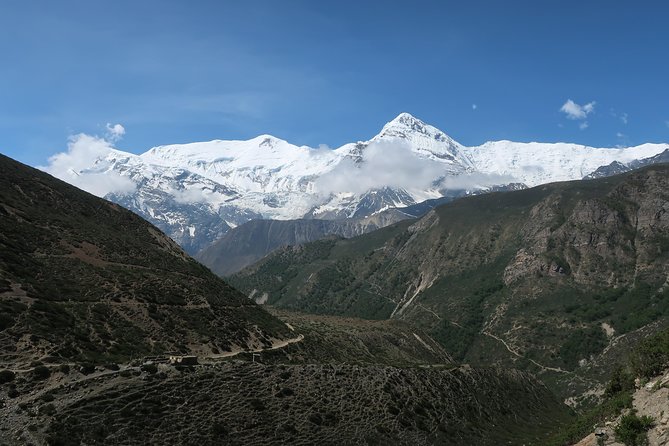
Day 7 reaches Pisang. The route moves through fir and pine forest, then climbs through rocky sections and steeper trail. By the time you arrive, you’re in a place with big sightlines, including views of Annapurna II and Pisang Peak. Days like this are where you’ll start noticing how much lighter the air feels compared to the river valleys behind you.
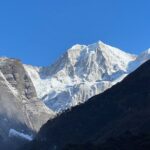
Day 8 pushes into the Manang area. You’ll climb a steep ridge, then descend toward Manang’s airstrip at Hungde, with wide views that include Annapurna III and Annapurna IV from nearby plains. This day also teases the “high country” feel: more open terrain, more sky, and fewer moments when the trail hides the mountains.
Then comes the day that makes the rest of the trek more doable: Day 9 acclimatization in Manang. You’re there for a full day to gain altitude in a smarter way—taking day walks, overviewing the views, and letting your breathing settle.
If you only remember one operational detail from this whole tour, remember that: the acclimatization day is not optional in terms of your comfort. Even if you feel strong, this extra day is your chance to reduce the odds of feeling rough later.
The big days: Ledar, High Camp, Thorang La Pass, then Muktinath
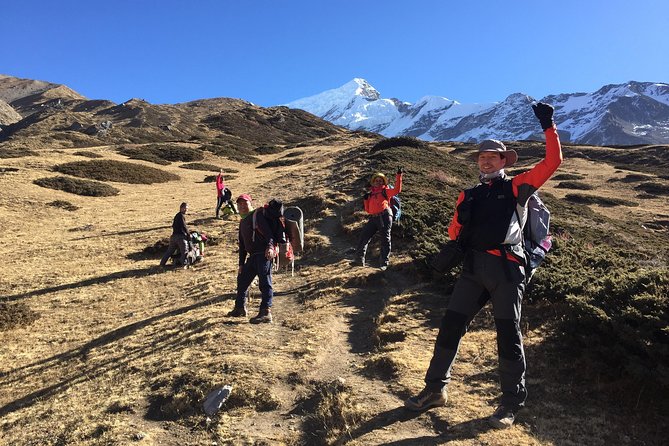
Day 10 heads toward Ledar. You’ll ascend a steep trail through Tenki Manang, leave the Marshyandi valley, cross along the Jarsang River, reach Yak kharkha (pasture land for grazing yaks), and continue onward to Ledar. This is a day that feels more “high route” than “village route.”
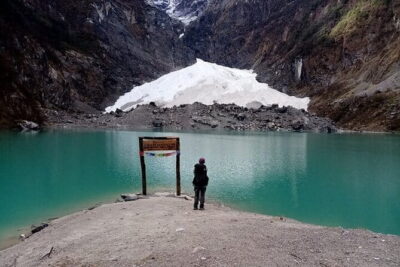
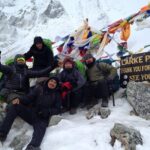
Day 11 goes to High Camp and it’s described as rough. You’ll cross narrow paths over the Kali Gandaki River, and there are sections that go straight up and down. The key here is pacing. You don’t need to rush; you need to keep your breathing steady.
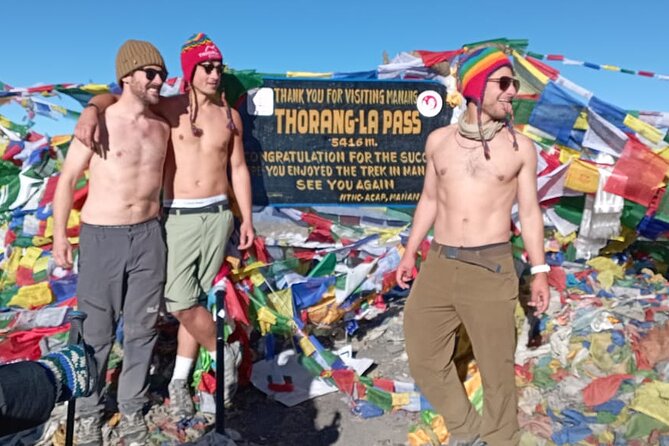
Day 12 is the tough one: crossing Thorang La Pass and trekking on to Muktinath, where you overnight. The itinerary flags it as a tougher day because the pass crossing is a major physical moment. You’ll then have a relatively short walking segment afterward to settle into Muktinath.
Day 13 continues from Muktinath to Jomsom. First you visit Muktinath for a few hours, then you keep walking. This is one of those days where the mind is half on the next stop and half on what you already accomplished.
Jomsom flight to Pokhara: recover like a pro
On Day 14, you take an early flight from Jomsom to Pokhara. That short hop is a real gift. It saves your legs from retracing final terrain and gets you back into warmer comfort fast.
In Pokhara, you can freshen up and either visit the city or choose an optional helicopter tour in the Annapurna Base Camp area. The helicopter option is listed as optional, so you can also keep things simple and just enjoy rest and good meals.
Day 15 brings you back to Kathmandu by tourist bus (about 6–7 hours). Day 16 finishes the loop with an early breakfast and transfer to Tribhuvan International Airport for your onward flight.
This exit plan is one of the reasons I like circuit trekking with a flight: you end on a “success high,” not on exhaustion.
What you pay for in real terms: $1,350 value check
At $1,350 per person, the value is mostly in the logistics you don’t have to DIY.
Here’s what’s included based on the package details:
- Airport pickup & drop
- Kathmandu & Pokhara 3-star hotels (twin sharing, bed and breakfast)
- Trek lodge stays with breakfast
- Meals and accommodation of the trekking crew
- A guided sightseeing tour in Kathmandu and Pokhara
- TIMS and necessary permits
- Trek support gear like a sleeping bag and duffle bag if needed
- Flight Jomsom → Pokhara
- Government taxes and office expenses
- Welcome dinner on Day 1
What’s not included (and this matters for budgeting):
- Lunch and dinner in Kathmandu, Pokhara, and during trekking days
- City sightseeing entry fees in Kathmandu
- Your international flight (PKR → KTM is not included)
- Personal expenses
- Visa charge on arrival (visa is mentioned as available with an additional charge)
So the “value question” becomes: do you want the time savings and trip management this package provides? If yes, the price starts to make sense quickly. If you’re traveling on a super tight food budget, plan ahead for the meals you’ll still pay for.
Also, the trek requires Nepali rupees only. Bring enough cash for lunches/dinners and small purchases. Don’t assume ATM convenience in every stop.
Physical reality: hours, distance, and how altitude is handled
This route targets a moderate-to-fit traveler. You’re expected to trek about 5–7 hours daily and roughly 10–14 km per day. That sounds reasonable on paper, but the mountain makes it harder.
Altitude guidance from the trip info is direct: altitude sickness risk can start from about 3,000 meters. It also says stable health below 3,000 usually reduces altitude issues, while above it your risk goes up. Since this trek crosses Thorang La Pass and spends time in higher areas like Manang and beyond, you’ll be operating in that risk zone.
Good news: the itinerary includes that full acclimatization day in Manang. That doesn’t guarantee you’ll feel perfect, but it’s the right strategy.
Practical plan for you:
- Train before you come (stairs/hills/jogging are recommended)
- Walk steadily, not aggressively
- Drink enough water every day
Lodges, bathrooms, water stations, and weather: the stuff that decides comfort
On the trek, lodges are described as simple, run by Nepali families. Bathrooms are generally outside your room, and hot water depends on solar panels, so don’t count on many warm showers.
For drinking water, the package offers three options:
- Bring purification tablets
- Use regulated pure water stations along the trek (for a nominal fee)
- As a last alternative, buy bottled water at lodges (not recommended)
The instruction is clear: you should drink at least 3 liters of pure water daily. This is one of those “annoying but correct” tips—especially if you tend to forget water when you’re busy climbing.
Weather planning also gets specific:
- For treks between November and the first two weeks of March: bring a jacket for around zero degrees Celsius
- Otherwise: bring a jacket suitable for 4 to 6 degrees Celsius
- Hiking boots with decent tread are a must
- Expect fairly sunny days with cold mornings/evenings at higher elevations
Laundry exists in Kathmandu and Pokhara, but not during the trek, so pack smart and don’t assume you’ll wash mid-route.
Guides and porters: why the human setup matters on hard days
The operator highlights a licensed local Nepali team, affiliated with organizations like TAAN, the Nepal Mountaineering Association, Nepal Tourism Board, and others. In plain terms: you’re not just buying a route—you’re buying experienced local support.
The reviews tied to their Annapurna experiences also point to a consistent pattern: guides who watch the group, keep things calm, and encourage you through rough weather or tough sections. Names that show up include Ganesh (mentioned with an Annapurna Circuit experience), plus other guides like Tikaram and Shankar Timalsina in related Annapurna treks.
Porter support gets praised too, with people noting that porters were excellent and the trek felt well organized. That shows up as less stress for you, which is the real luxury on a high-altitude trek.
One more detail that’s quietly important: the tour runs with groups capped at about 15 travelers, and each trekking group has an English-speaking guide with porters in proportion. That’s a big difference from the chaotic “too many people, one guide” setup.
Rooms and single supplement: a reality check
Rooms are described as twin sharing for the tour duration. There is an option for a single supplement, but the fine print says some lodges during the trek may not have sufficient private rooms, so you may still end up sharing for some days.
If privacy is a dealbreaker, ask specifically how they handle it on the trekking nights before you pay the supplement.
Also, it’s helpful that the trek assigns one porter for two people. There’s a weight guideline of 10–13 kg per person for your trek load. Excess baggage is stored in your Pokhara hotel so you only carry what you need.
Meals, tipping, and cash: small planning that prevents stress
Because lunch and dinner aren’t included on most trekking days, you’ll want to build a simple daily budget for meals. Restaurant choices can vary by village size and comfort level, so costs can shift.
Tipping guidance is given as a general rule of thumb based on the length of the trek. The info also notes that porters may pool tips, with the guide taking a bit more for overseeing welfare and safety. Use that as a reference point, then tip based on what you feel you received.
The best practical approach is to have:
- Cash ready in Nepali rupees
- A few snacks you trust (so you’re not hunting for food every break)
- An attitude that the trail controls lunch timing
Should you book this Annapurna Circuit Trek?
Book it if you want a guided circuit with the hard parts handled: permits/TIMS, an acclimatization day in Manang, a realistic push toward Thorang La and Muktinath, and then an easy exit via Jomsom → Pokhara flight. At $1,350, the package looks strongest for travelers who value logistics plus experienced local support.
Skip or rethink if you:
- Hate managing your own meals (since lunch and dinner aren’t included during trekking and in Kathmandu/Pokhara)
- Have trouble with lodge basics like outside bathrooms and unpredictable hot water
- Are sensitive to altitude and might not be able to handle several higher-elevation days after 3,000 meters
If you’re fit, flexible, and ready for a serious walking trip with big Himalayan payoffs, this is a solid way to do it with support behind you.
FAQ
What does the $1,350 price include?
The price includes airport pickup and drop, Kathmandu and Pokhara twin-share hotel accommodations with breakfast, trekking lodge stays with breakfast, meals and accommodation for the trekking crew, guided sightseeing in Kathmandu and Pokhara, TIMS and necessary permits, sleeping bag equipment if needed, a welcome dinner on Day 1, and the flight from Jomsom to Pokhara.
Are airport transfers and flights included?
Yes. You get airport pickup and drop, and the itinerary includes a domestic flight from Jomsom to Pokhara. Your international flight to Nepal is not included.
Do I need a permit or TIMS?
TIMS and necessary trekking permits are included in the tour package.
Is there an acclimatization day before crossing Thorang La Pass?
Yes. The itinerary includes a full acclimatization day in Manang before the route continues toward Ledar, High Camp, and the Thorang La Pass crossing.
How should I handle drinking water and altitude risk?
You can use purification tablets or fill from regulated pure water stations along the trek, with bottled water as a last alternative. The guidance says to drink at least 3 liters of pure water daily, and that altitude sickness risk can start from around 3,000 meters.
What are the lodge rooms and hot shower situation like?
Expect simple lodges on the trek. Bathrooms are outside the rooms and hot water is dependent on solar panels, so warm showers may not be consistent.
What’s the cancellation window for a full refund?
You can cancel up to 24 hours in advance for a full refund. If you cancel less than 24 hours before the start time, the amount paid is not refunded.