REVIEW · KATHMANDU
Everest Base camp Trek-12 days
Book on Viator →Operated by Exciting Nepal Treks and Expedition · Bookable on Viator
You feel Everest in your lungs. This 12-day Everest Base Camp trek (about 13 days total) is interesting because it handles the big logistics for you: a group trek with a guide, Lukla flights, teahouse nights, meals, and planned acclimatization in the right places.
I like two things most: I love that the guide support is repeatedly described as careful and organized, with named guides such as Ram Tamang, Basu, and Suman coming up as thoughtful and safety-minded. I also like the responsiveness from the office—Subash is praised for quick replies before and during the trip, which means you’re not guessing when questions pop up.
One consideration: this is a weather-dependent trek. Even with acclimatization built in, you’ll still be hiking steep, rugged sections and climbing up to 5,364 meters—so you’ll want solid hiking legs and a calm head if conditions slow you down.
In This Review
- Key things to know before you go
- Kathmandu to Lukla: the trip starts with motion, not maps
- Lukla flight (40–45 minutes) and the first trail to Phakding
- Namche: the steep reality check (and why your body will thank you later)
- Everest View Hotel acclimatization: high by day, low by night
- Tengboche and Mongla Pass at 3,975m: monasteries plus big air
- Dingboche area: alpine forests, ridgelines, and patience at altitude
- Nangkartshang hike: acclimatization that feels like a reward
- Up to 5,364m: Dingboche to Duglha, then Gorak Shep
- Everest Base Camp and Kala Pathar sunrise: the big moment, done right
- The walk back: Namche to Lukla and the Dudh Kosi crossings
- Price and logistics: what $1,400 really buys you
- Who should book this EBC trek—and who might want another option
- Should you book this Everest Base Camp trek with Exciting Nepal Treks?
Key things to know before you go
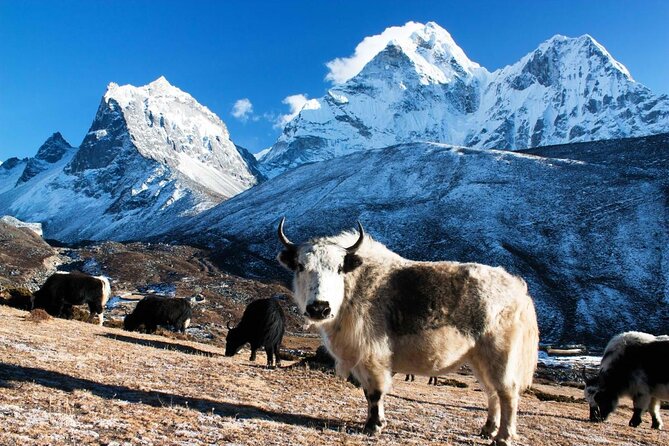
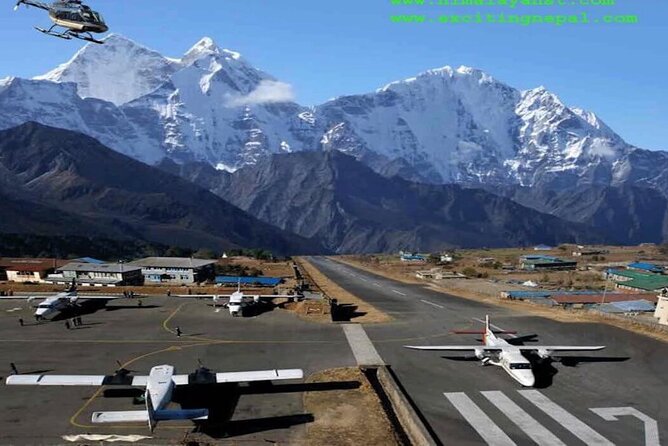
- Lukla is the experience: a short, dramatic flight (40–45 minutes) lands you on one of Nepal’s most famous airstrips
- Acclimatization is built in: you gain altitude during the day and sleep lower on scheduled rest days
- Teahouse accommodation is included: you won’t be solving lodging after a long day of walking
- Big cold-weather support is included: sleeping bags and down jackets are part of the package
- You’ll climb high and go slow: the route up to Gorak Shep and Everest Base Camp rewards patience
- A small-ish group size: maximum of 26 travelers keeps things manageable on crowded days
Kathmandu to Lukla: the trip starts with motion, not maps
Your first morning is about getting you moving. You’re picked up in Kathmandu and taken to Tribhuvan International Airport for the early start, then you head into the Everest region by air.
One reason I like this setup is simple: Everest treks often break when logistics get messy. Here, the transport handoffs are handled—airport transfers, domestic flight timing, and getting you lined up with porters and staff after you land.
If you’re the type who likes to understand the basics before you’re tired, this style helps. You’ll get the ground prepared so the trek can be about walking, altitude, and views—not spreadsheets.
You can also read our reviews of more tours and experiences in Kathmandu.
Lukla flight (40–45 minutes) and the first trail to Phakding
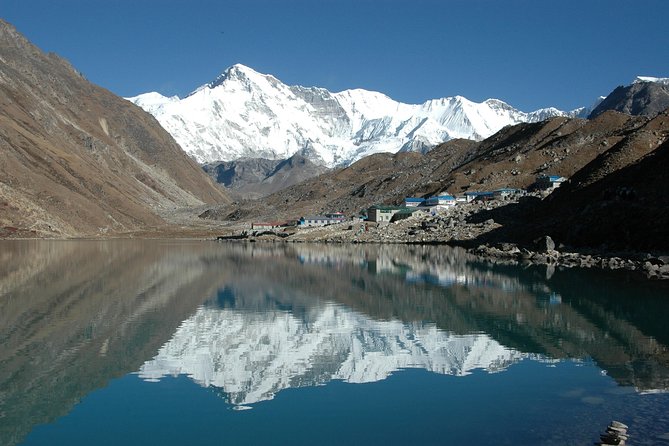
After an early breakfast, the flight to Lukla is where the trip turns from planning into reality. The flight is short—around 40 to 45 minutes—but the airstrip approach is described as thrilling, and that matches what most people feel when they see the mountains drop away underneath the plane.
Once you land, you meet your porters and staff, then start trekking from Lukla to Monzo and onward to Phakding. The walking begins with a descent at first, and that matters: starting downhill can feel like a bonus on paper, but it still warms up your legs for the days that follow.
You’ll walk along the Dudh Kosi River, which the route notes as chalky in color because the water comes from glaciers. It’s a good early taste of the Khumbu region: busy enough to feel real, wild enough to remind you you’re way off the grid.
Practical tip: plan to move slowly early. That first day is partly about rhythm, not mileage. If you rush, altitude will feel harsher later.
Namche: the steep reality check (and why your body will thank you later)
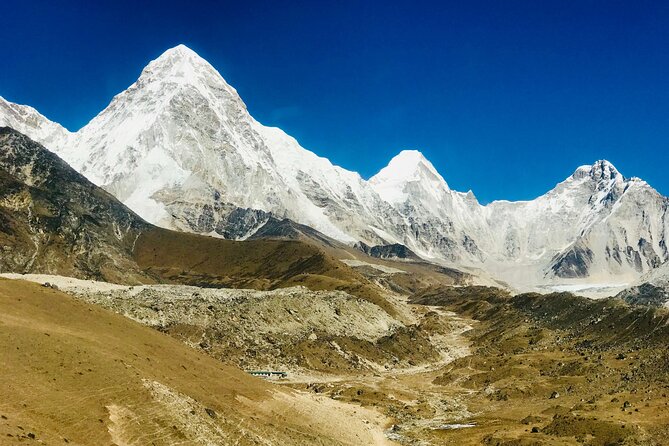
On the way to Namche Bazaar, the trail gets more demanding. You’ll climb toward Jorasele, pass through Sagarmatha National Park, then reach the steep push to Namche. This is where you’ll notice the difference between “walking” and “trekking.”
The route includes details like a rhododendron forest and rugged sections over stone steps near Namche. That’s not just scenic info—it’s your cue that you’ll be using your quads more than you expect, and your pace needs to be gentle.
Once you arrive, this trek’s value shows again: Namche isn’t just a stop. It’s a base for acclimatization and exploring Sherpa life, with nearby towns such as Khunde and Khumjung.
You’ll also get a sense of how the Everest region blends faith and daily life. The route references Buddhist monuments like gompas and stupas on the way toward higher villages, which shows up again later.
Everest View Hotel acclimatization: high by day, low by night
Day four is planned as an acclimatization and exploration day. The route follows the classic rule: you trek higher during the day, then sleep lower at night. That pattern matters because it helps your body adjust before the bigger altitude jumps.
You’ll ascend toward the Everest View Hotel, and the climb is described as steep at first. That steep start is exactly why this day is useful. It teaches you how to handle uphill effort without going full-sprint.
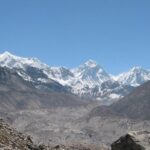
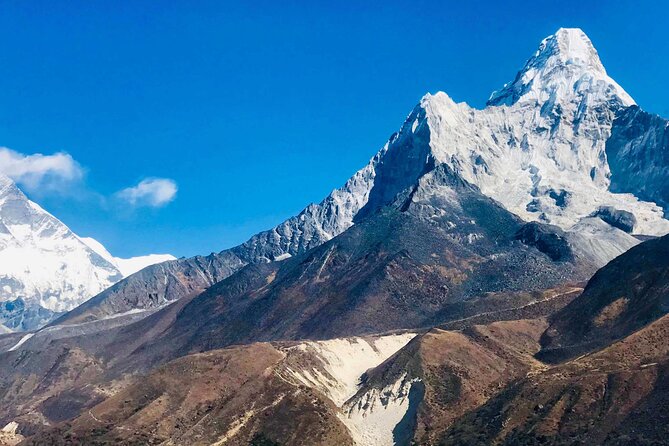
From Khunde you’ll move on toward Khumjung, a wealthy Sherpa area with good houses, then continue for the well-known views. The route specifically points out that you can see Mt. Ama Dablam from Khumjung, and that the Everest View Hotel offers impressive views of Everest.
What you’ll like here: this isn’t just about altitude math. It’s about connecting faces, villages, and landmarks to what you’re seeing. You start to feel like Everest is a place, not a postcard.
Tengboche and Mongla Pass at 3,975m: monasteries plus big air
Next comes a longer day moving toward Tengboche. You depart early from Namche Bazaar, and the walk includes multiple scenic and cultural hits at once.
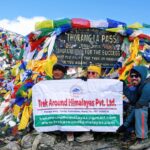
The route notes Buddhist monuments—small gompas and stupas—plus the famous Mongla Pass (3,975m). The pass part is important. A pass day can be mentally tricky: you crest high, then you’re tempted to push harder than you should. This is one of those times where a guide’s pacing matters.
After the pass, you descend toward the Dudh Koshi River, then the route turns uphill again. That up-down pattern is a theme across the trek, and it’s why you want hiking experience even if you’re “moderately fit.”
Also, you’ll be moving in the zone where weather can change quickly. If visibility drops, you’ll still get the same rhythm of walking—but views will be different. That’s normal here.
Dingboche area: alpine forests, ridgelines, and patience at altitude
As you move higher toward the Dingboche area, the scenery shifts into alpine forests—rhododendron, birch, conifer—plus small villages where you’ll see day-to-day life.
The route describes walking through Khumbila Khola valley and ascending toward a ridge line, with peaks visible such as Mt. Taboche, Mt. Nuptse, and Mt. Cholatse. Again, that’s not filler. When you know what you’re looking for, you walk more attentively and feel less like you’re trudging through fog.
You’ll reach higher altitudes (the route lists 4,350 meters on this segment), and that’s where “go slow” becomes more than advice. It’s survival math.
Nangkartshang hike: acclimatization that feels like a reward
On Day seven, the trek schedules another acclimatization hike, including a climb to Nangkartshang peak just above Dingboche. This is an excellent idea because it gives you purposeful movement without going straight for the steepest possible option.
The payoff is the viewpoint—especially for Ama Dablam, and if weather is clear, the route describes an expansive view from summit down to feet.
The afternoon is built for recovery. You can stroll around the village or rest. That combo—effort, then downtime—is exactly how you keep altitude from turning into a punishment.
Up to 5,364m: Dingboche to Duglha, then Gorak Shep
After Dingboche, you continue toward higher points, passing by places like the campsite of the first successful Everest Expedition. The route also notes how the valley narrows near Dusa, which can make the walking feel more enclosed as you gain elevation.
Then comes Duglha—a small village with prayer flags—followed by the push toward Gorak Shep. On this stage, the trek time grows (the route lists 7 to 8 hours on the longest climb), and the walking shifts from gradual ups and downs into rougher ground.
The route mentions walking over a large rock near the end of the day and watching your pace to avoid altitude issues. That’s a key “why this tour works” point: it tells you to slow down when you should, and it doesn’t pretend you can walk fast at thin air.
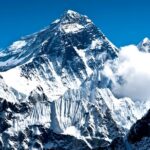
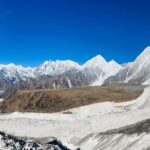
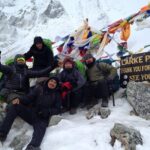
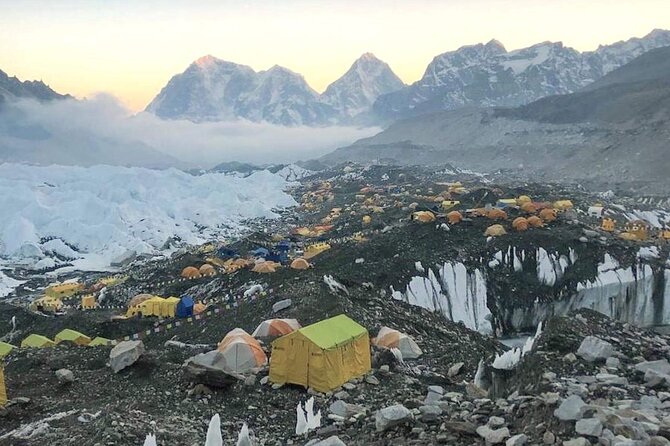
You’ll reach Khumbu Glacier views along the way, then push onward to Everest Base Camp at 5,364 meters. Expect a mix of feelings here—this is the kind of altitude achievement that feels huge even if you’ve trained hard for months.
Everest Base Camp and Kala Pathar sunrise: the big moment, done right
The morning of Day ten starts early. You hike for 3 to 4 hours to Kala Pathar, which the route frames as the best viewpoint of Mt. Everest, the Khumbu Glacier, and the Khumbu Icefall.
This is a sunrise day. When the weather cooperates, the route describes peaks glowing with the first light, plus a 360-degree panorama. Even if you don’t get perfect clarity, you’ll still get the mental payoff of being that close to the Everest zone.
After you take photos and soak it in, you’ll return through Pangboche and Tengboche toward Namche Bazaar. The route has you back to Namche in the afternoon.
Practical note: this is also the day you want to stay especially organized. Cold mornings can make you sloppy with gloves, water, and layers. Don’t wait until you feel miserable to get ready.
The walk back: Namche to Lukla and the Dudh Kosi crossings
On the return, the trek turns into long, satisfying movement. Day eleven is a descent back to Namche, and it’s the kind of day where you’re tired but your mind is clearer because the hardest altitude work is behind you.
On Day twelve, you hike back to Lukla. The route notes a walk from Manjo to Lukla, with passes through places like Benkar, Phakding, and Lukla. You’ll cross multiple suspension bridges over the Dudh Kosi River, and the walking along the forest near the river is described as amazing.
Then you arrive in Lukla, which the route calls quite busy, with lodges, tea houses, and shops. That’s a real psychological shift. After days of quiet villages, you go from thin-air solitude to traffic and chatter at the trail’s gateway.
Day thirteen is your final airlift back to Kathmandu, with an early morning flight and the chance to grab a window seat for the aerial view.
Price and logistics: what $1,400 really buys you
The price is $1,400 per person, for about 13 days total. That’s not a budget price in the usual sense, but it’s also not “pay only for a guide and then figure out everything else” either.
Here’s what you get that usually costs real money in Nepal trekking:
- Domestic flights to and from Lukla
- Teahouse accommodation during the trek
- A full set of meals (breakfast 12, lunch 11, dinner 11)
- National park fees
- Cold-weather support like sleeping bags and down jackets
- Normal medical kits, plus seasonal fruits
- All arrival and departures, and even a pickup
- A mobile ticket
Why that matters for value: Everest treks are easy to break into separate expenses—flights, beds, food, fees, and cold-weather gear. Packaging those pieces into one plan means less stress and fewer surprises when you’re already tired.
You also get operational “small but important” support. The company is repeatedly praised for being responsive, and guides like Shasi and Tika are named in feedback as well-run and organized. That’s the kind of service that makes the trail feel smoother.
The tradeoff is you’re in a group. You’ll follow the schedule, and you won’t have total freedom to change pacing on a whim.
Who should book this EBC trek—and who might want another option
This trek is best suited for moderately fit hikers with hiking experience. You’ll be dealing with long days, steep bits, and altitude. The route itself is structured with acclimatization on Day four and Day seven, which helps a lot, but it doesn’t turn Everest into a gentle walk.
If you like structure and want someone else to handle most logistics, this fits well. If you hate group pacing or you want a flexible itinerary day-to-day, you may find the plan too fixed.
Also consider porter support. The package does not include porter carrier if you need one, so you’ll want to plan your luggage realistically and decide early if you want extra help carrying it.
Finally: weather is part of the deal. The trek requires good weather, and poor conditions can lead to a different date or a refund, so go into this with patience and a backup mindset.
Should you book this Everest Base Camp trek with Exciting Nepal Treks?
I’d lean toward booking if you want a well-organized group trek with the big essentials covered: Lukla flights, teahouses, meals, park fees, and cold-weather gear. The strengths—organized guides, responsive office support, and acclimatization built into the schedule—are exactly what helps most people finish feeling proud, not fried.
Skip it, or ask more questions first, if you’re unsure about altitude readiness or you know you need a porter for comfort. Also check that the trek timing works for you, since weather can affect operations.
If you’re mentally ready for steep days and high altitude—and you want the logistics handled—you’re in the right place.